


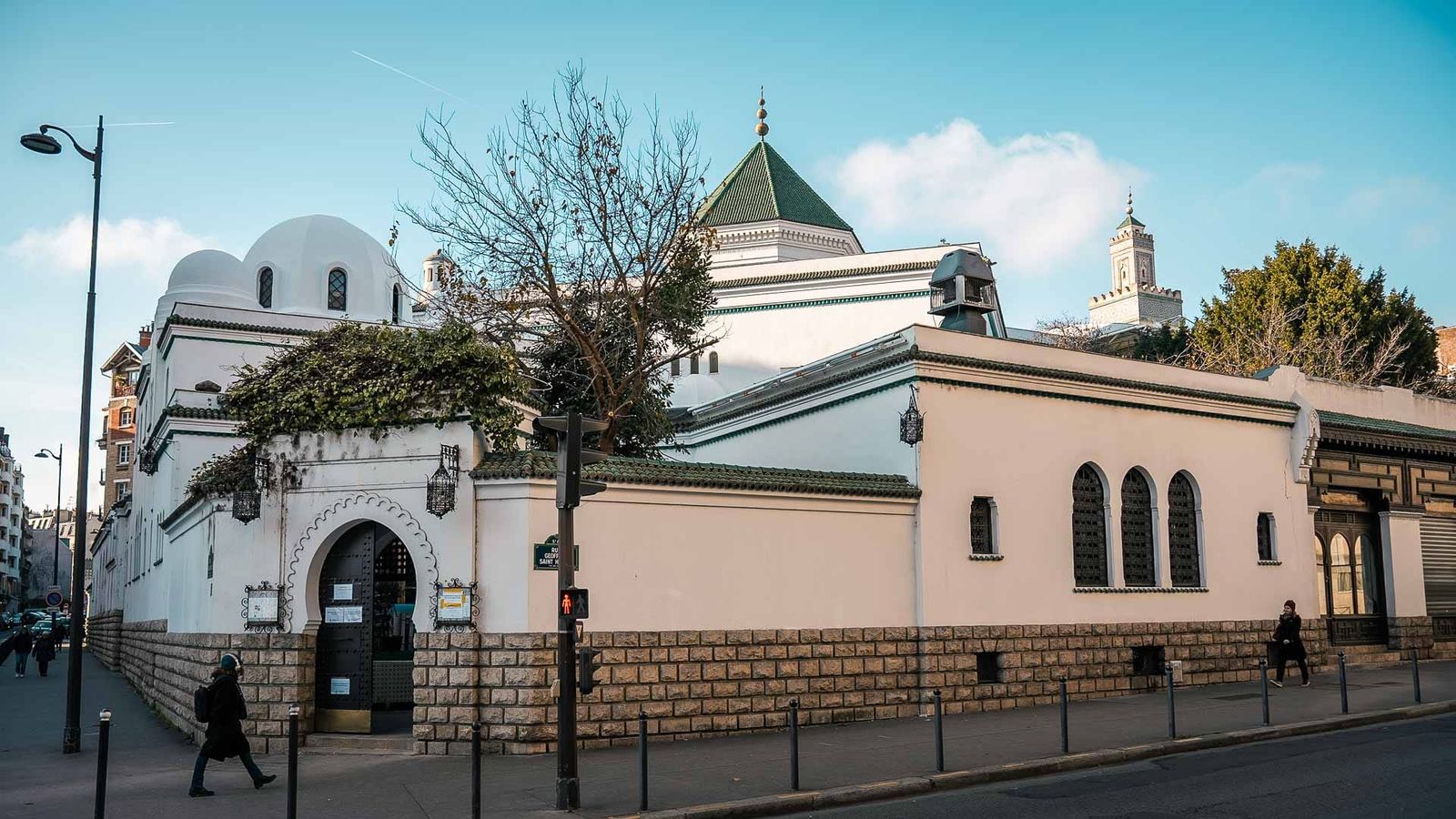
















The Grand Mosque of Paris (Grande Mosquée de Paris) stands as one of the city’s most significant religious landmarks. Not only is it the oldest mosque in metropolitan France, but it is also a symbol of cultural exchange, historical significance, and the enduring legacy of France’s relationship with the Muslim world. Located in the 5th arrondissement, this mosque is a peaceful oasis amidst the urban landscape and offers visitors a glimpse into the rich traditions of Islamic architecture and history. Whether you’re interested in its architectural beauty, its role in history, or its influence on modern-day Paris, the Grand Mosque of Paris is a must-see destination.
From Colonial Ties to Cultural Symbol
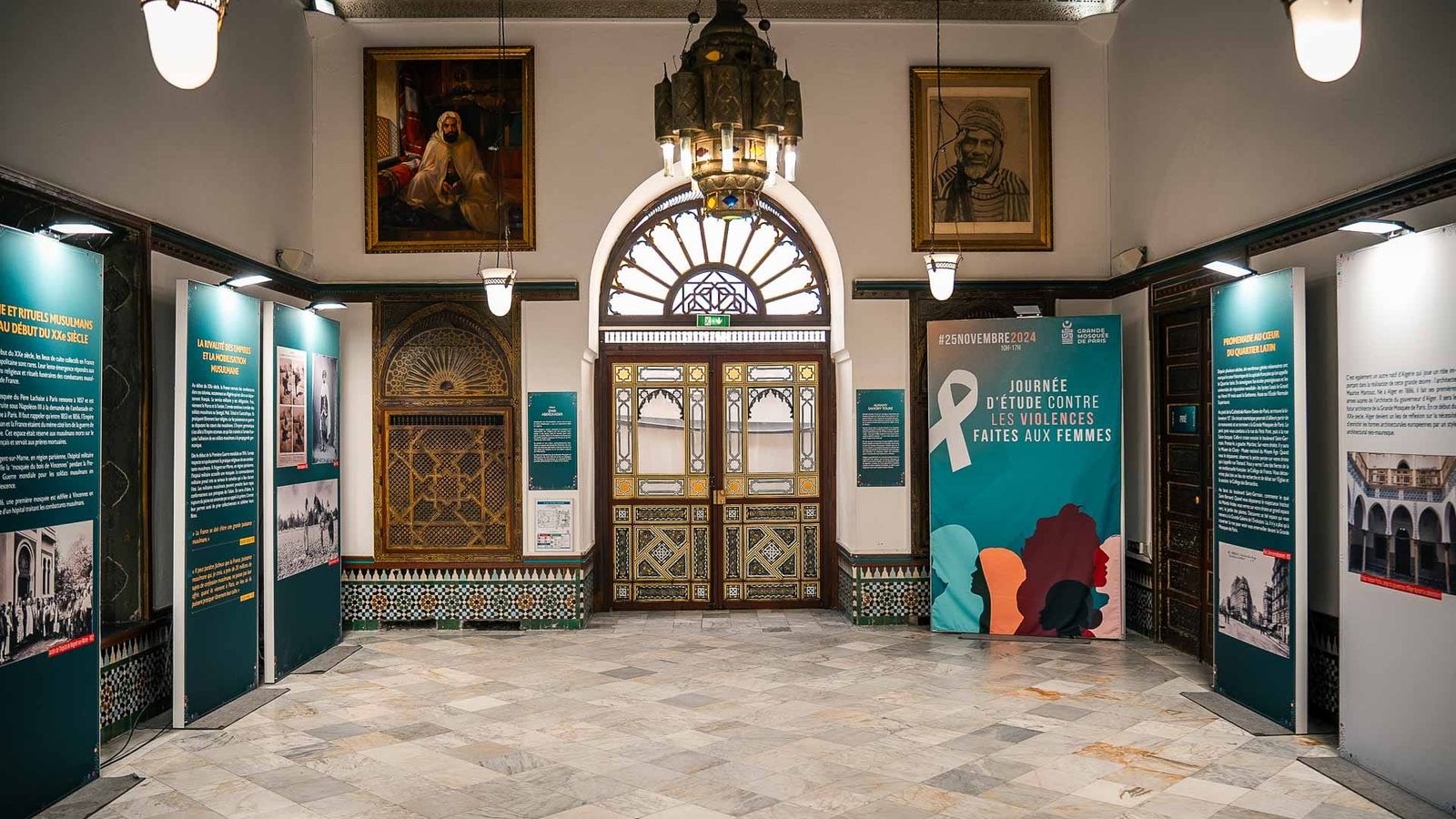
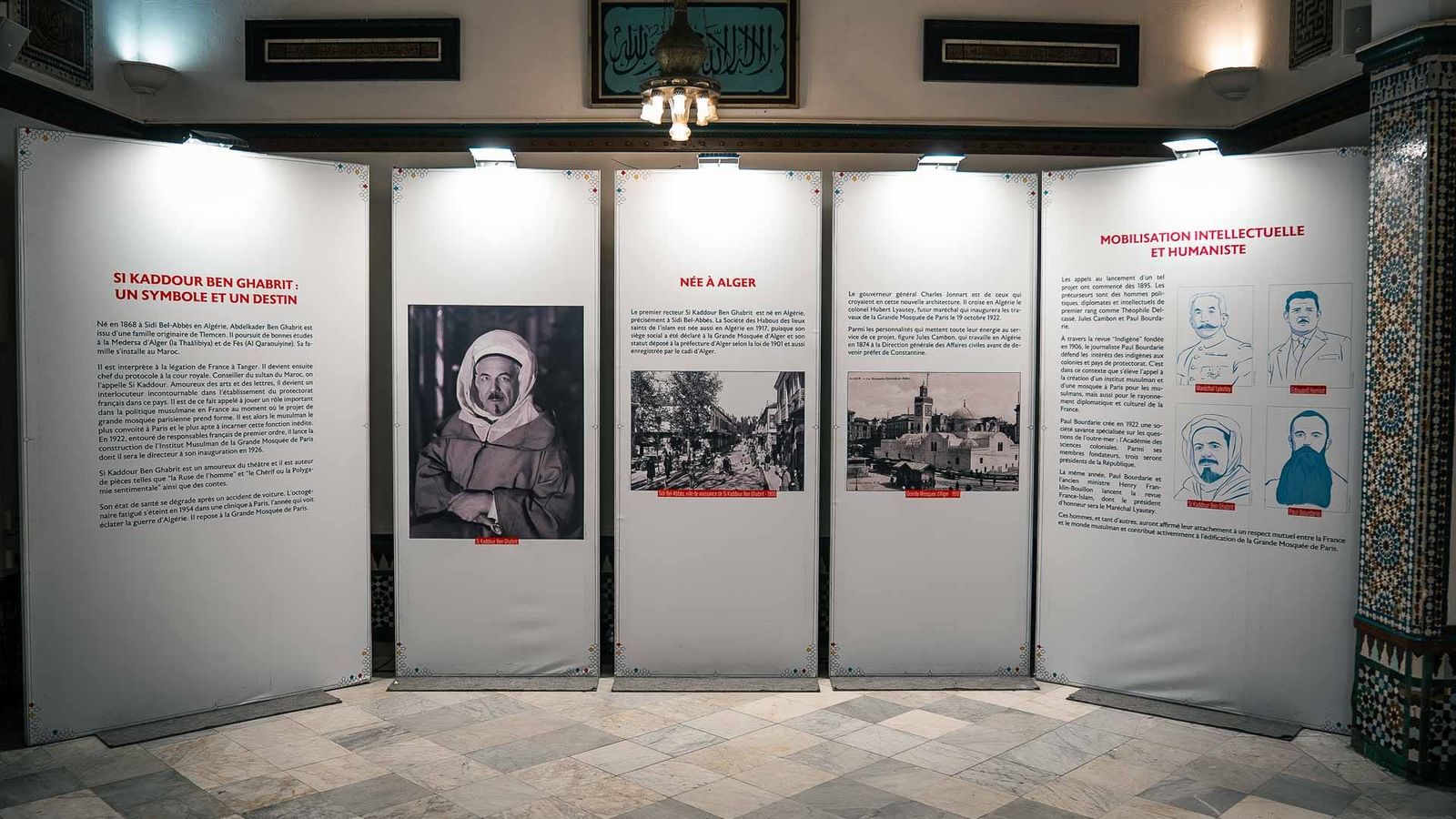
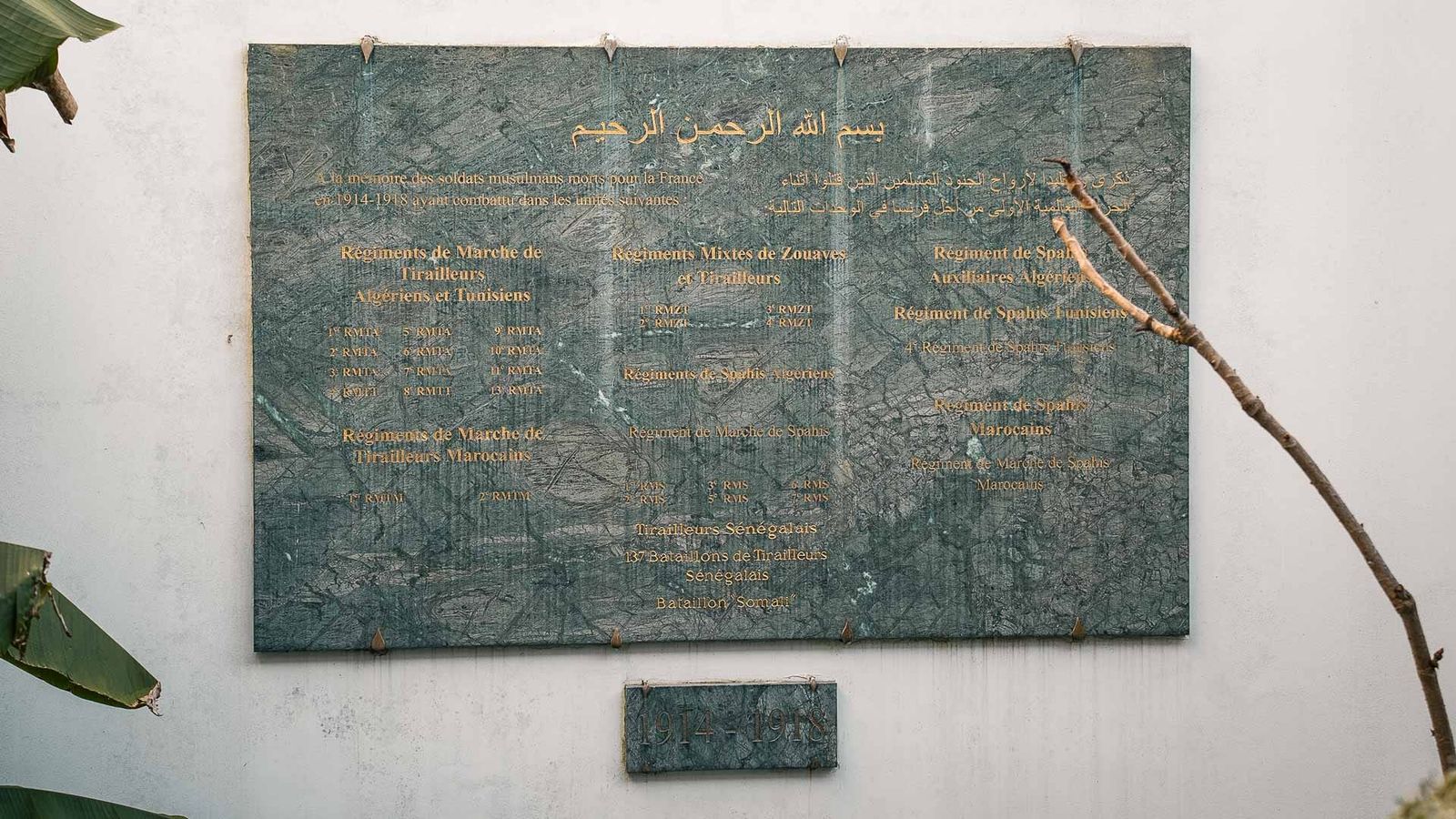
The story of the Grand Mosque of Paris is inextricably linked to France’s colonial past, particularly its involvement in North Africa and the Muslim world. The idea of building a mosque in Paris first arose in the 19th century, driven by both political and religious motivations. However, it wasn’t until after World War I, particularly following the sacrifices of Muslim soldiers during the war, that the construction of the mosque became a reality. In 1920, a French law allocated funds for the establishment of the mosque, symbolizing France’s gratitude to its Muslim allies. The mosque was officially completed in 1926 and inaugurated in a ceremony that celebrated Franco-Muslim friendship.
Moorish Influence in the Heart of Paris
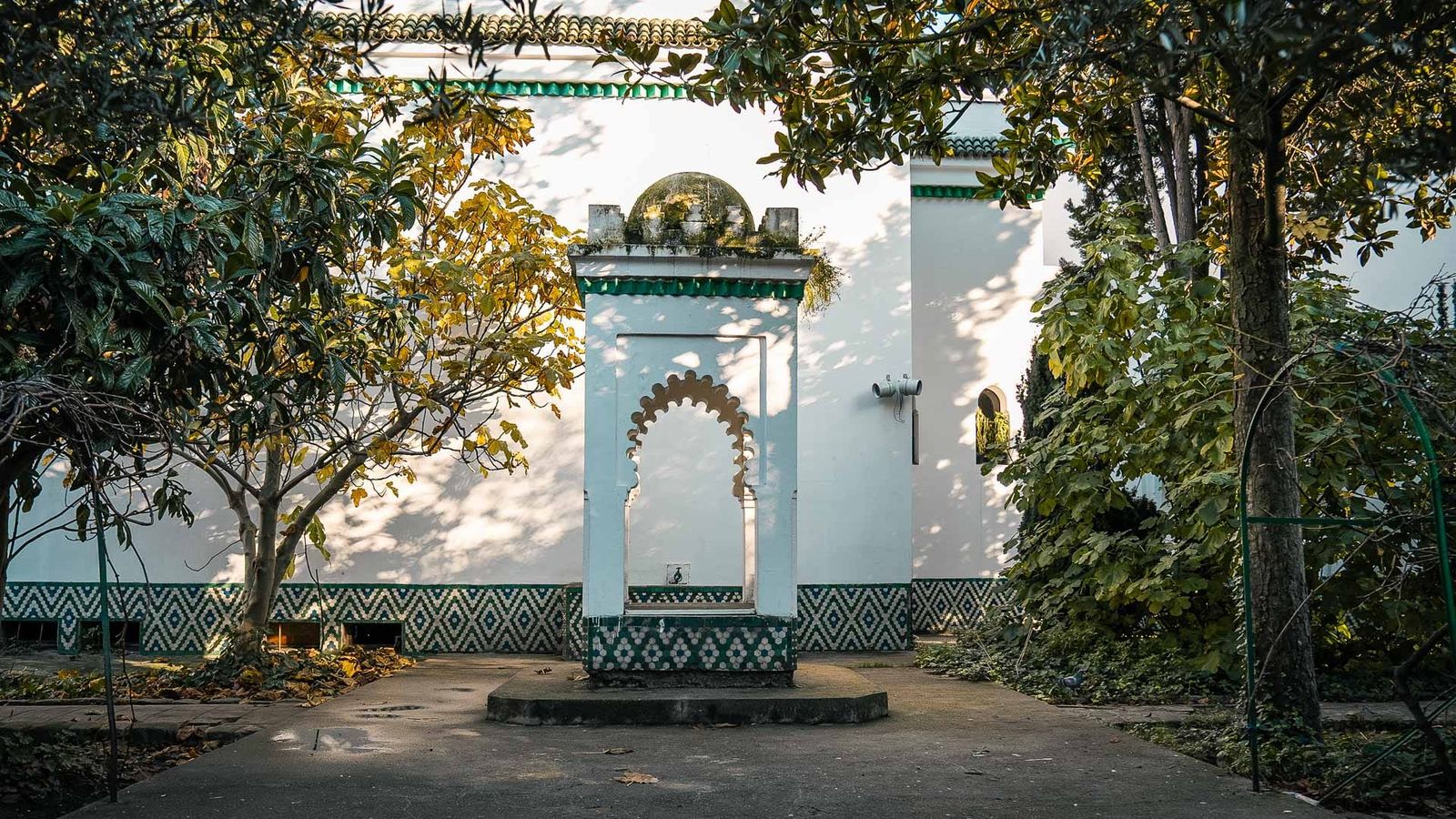
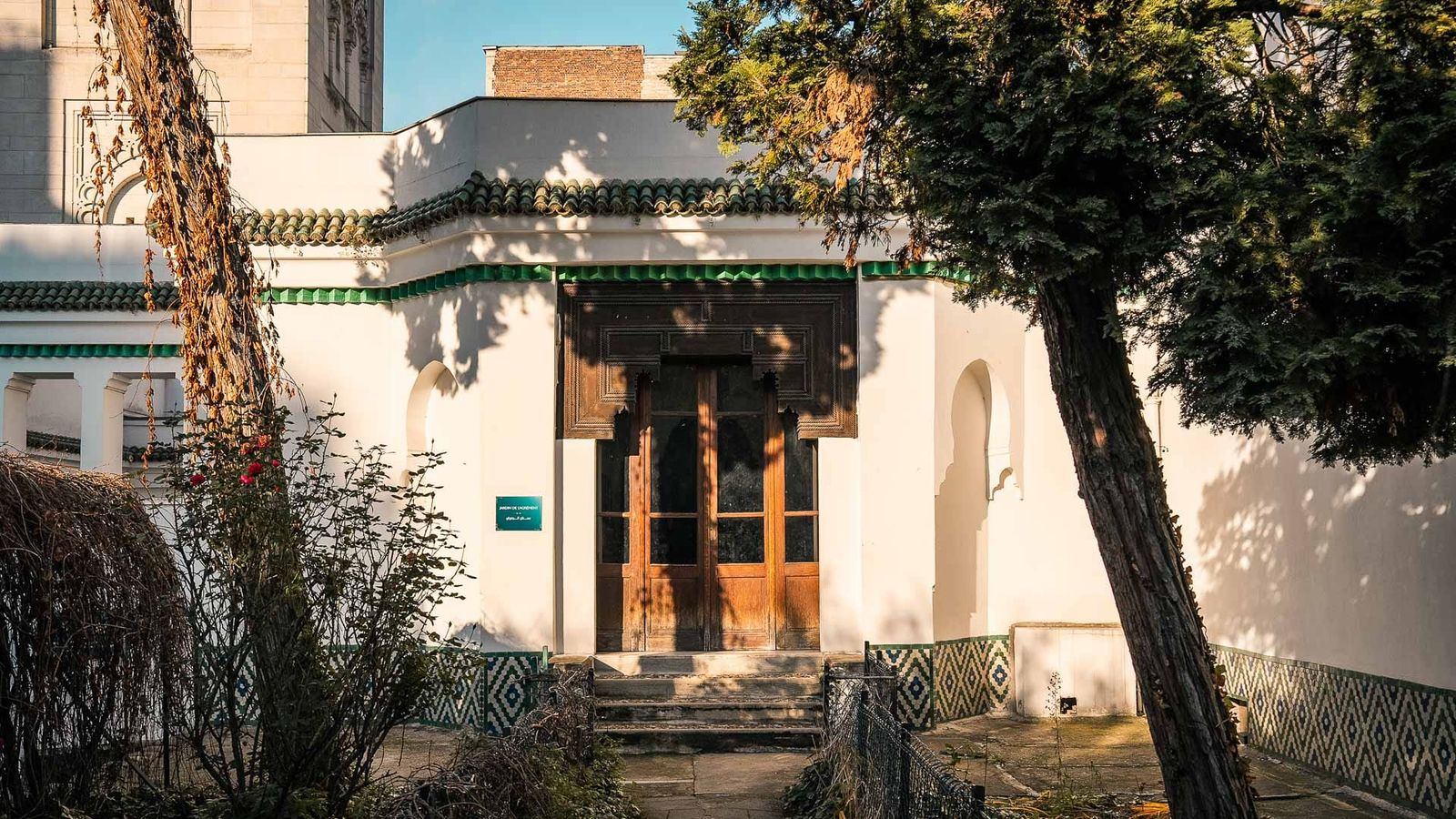
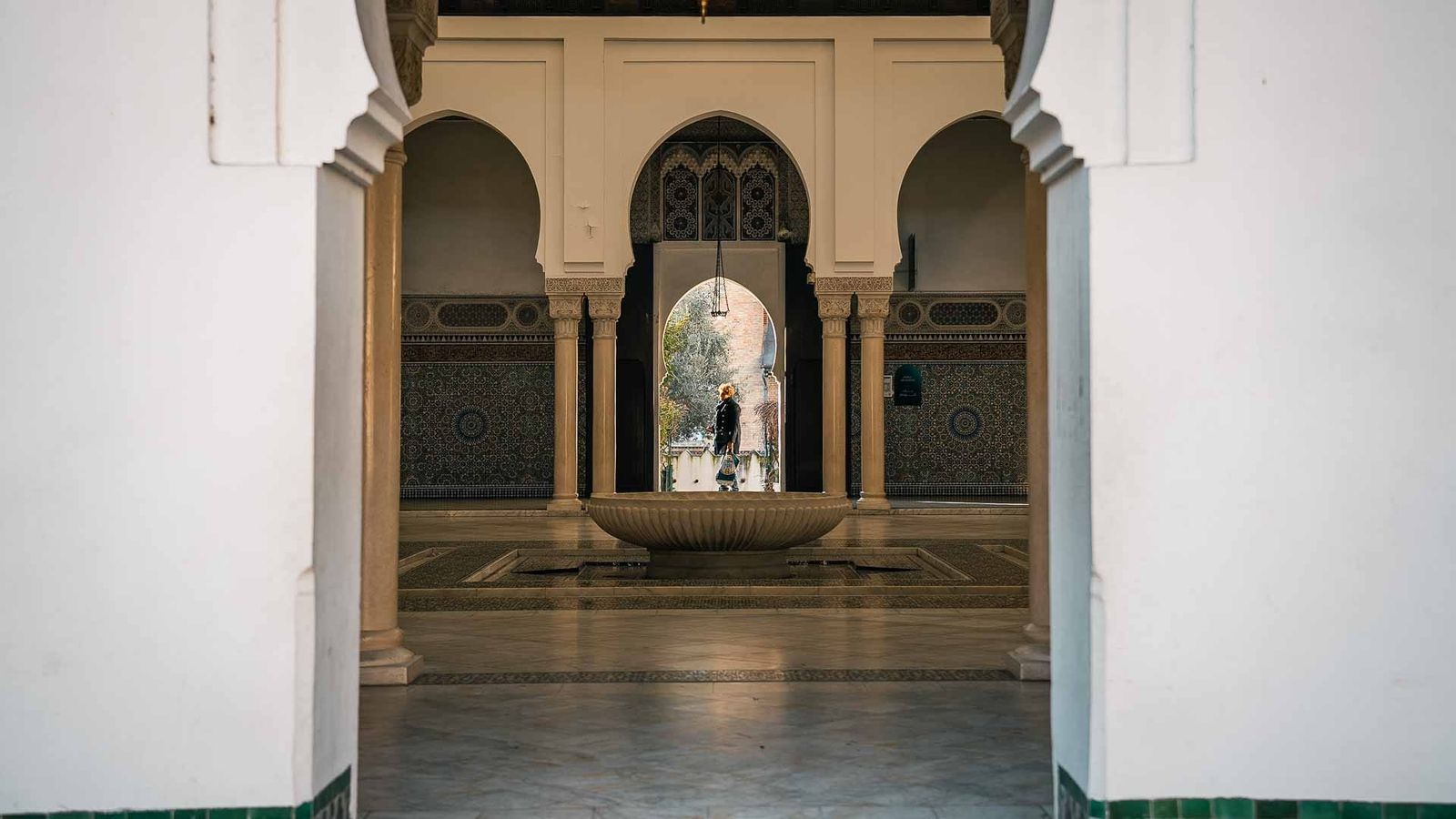
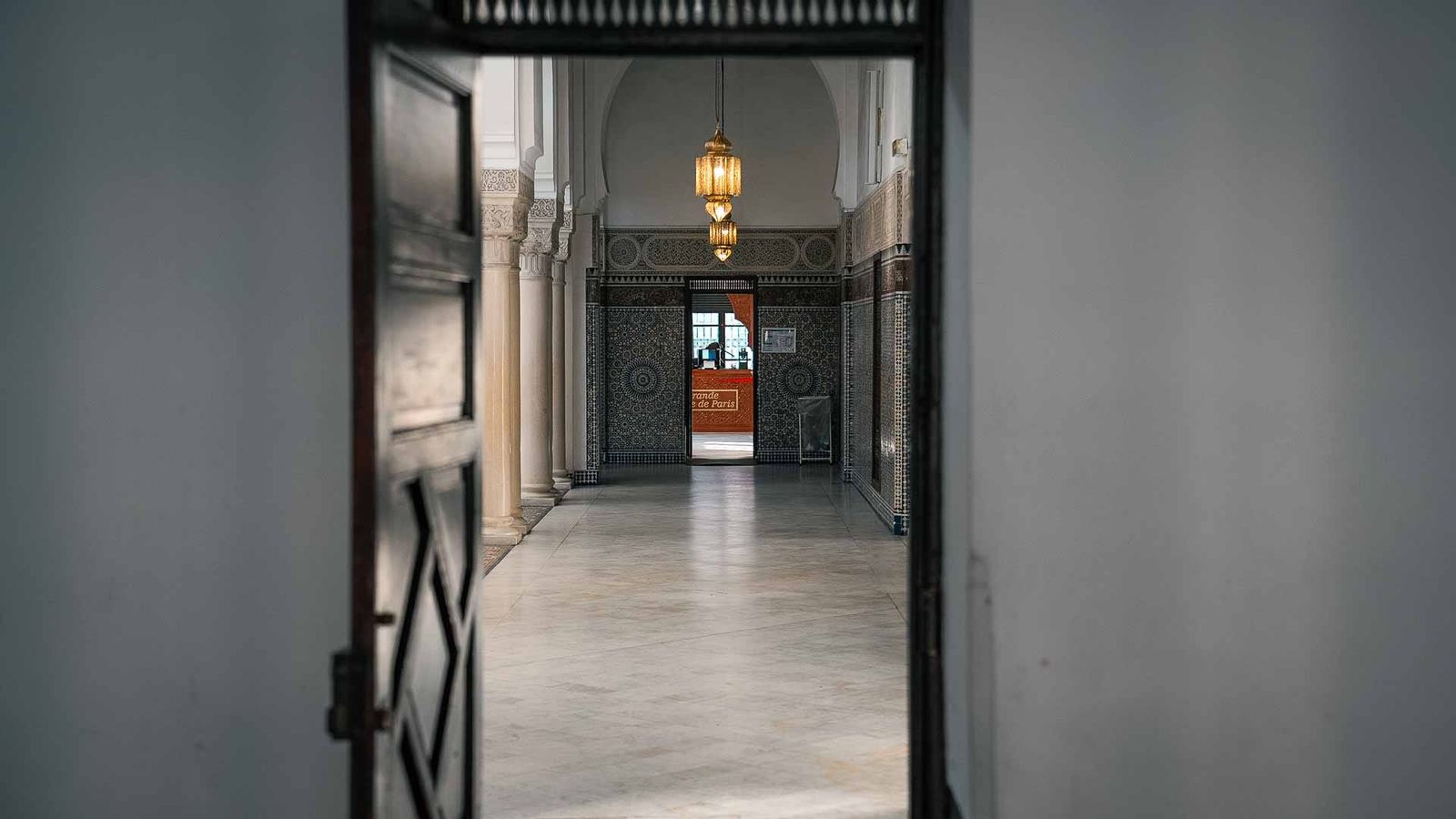
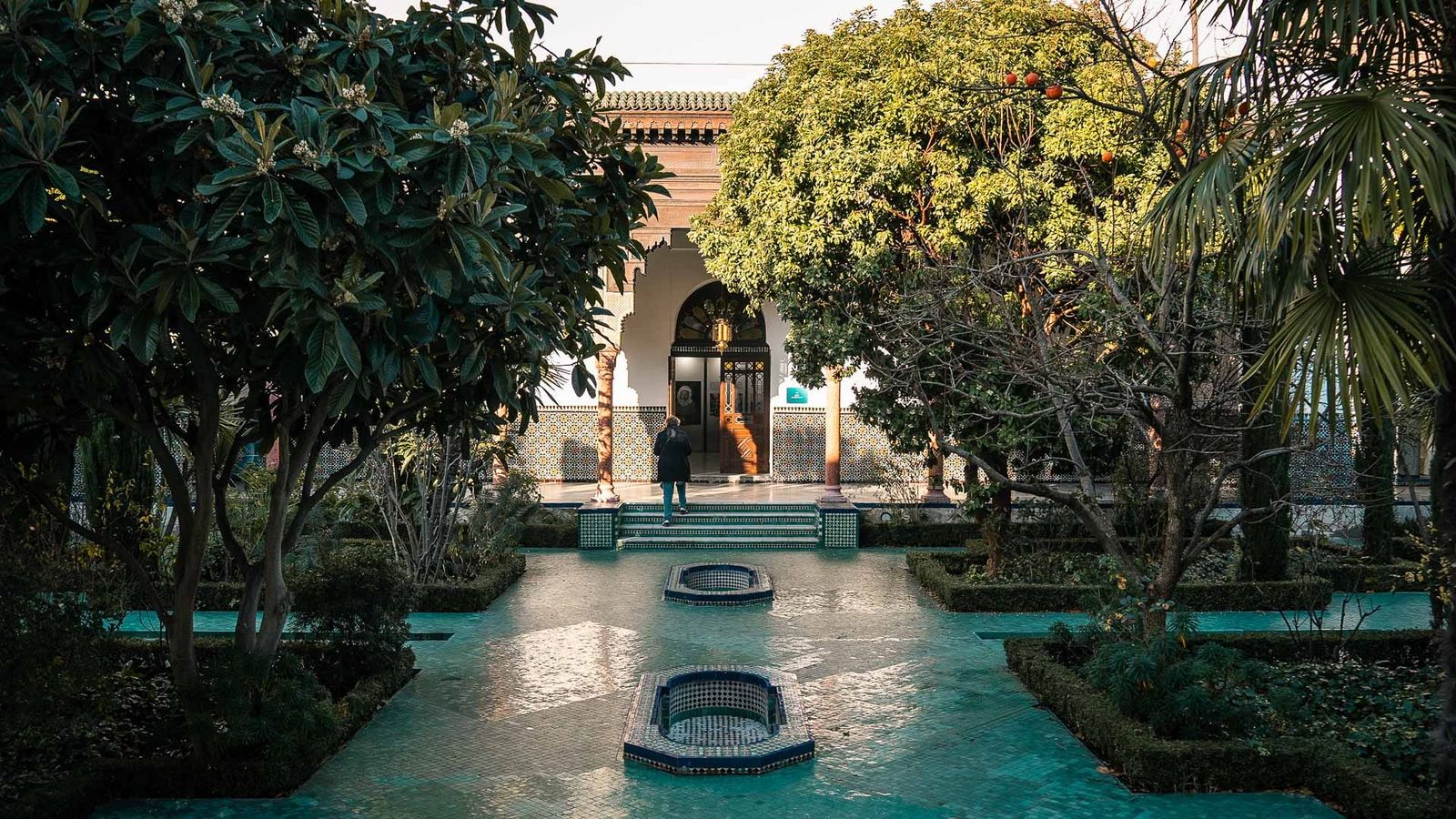
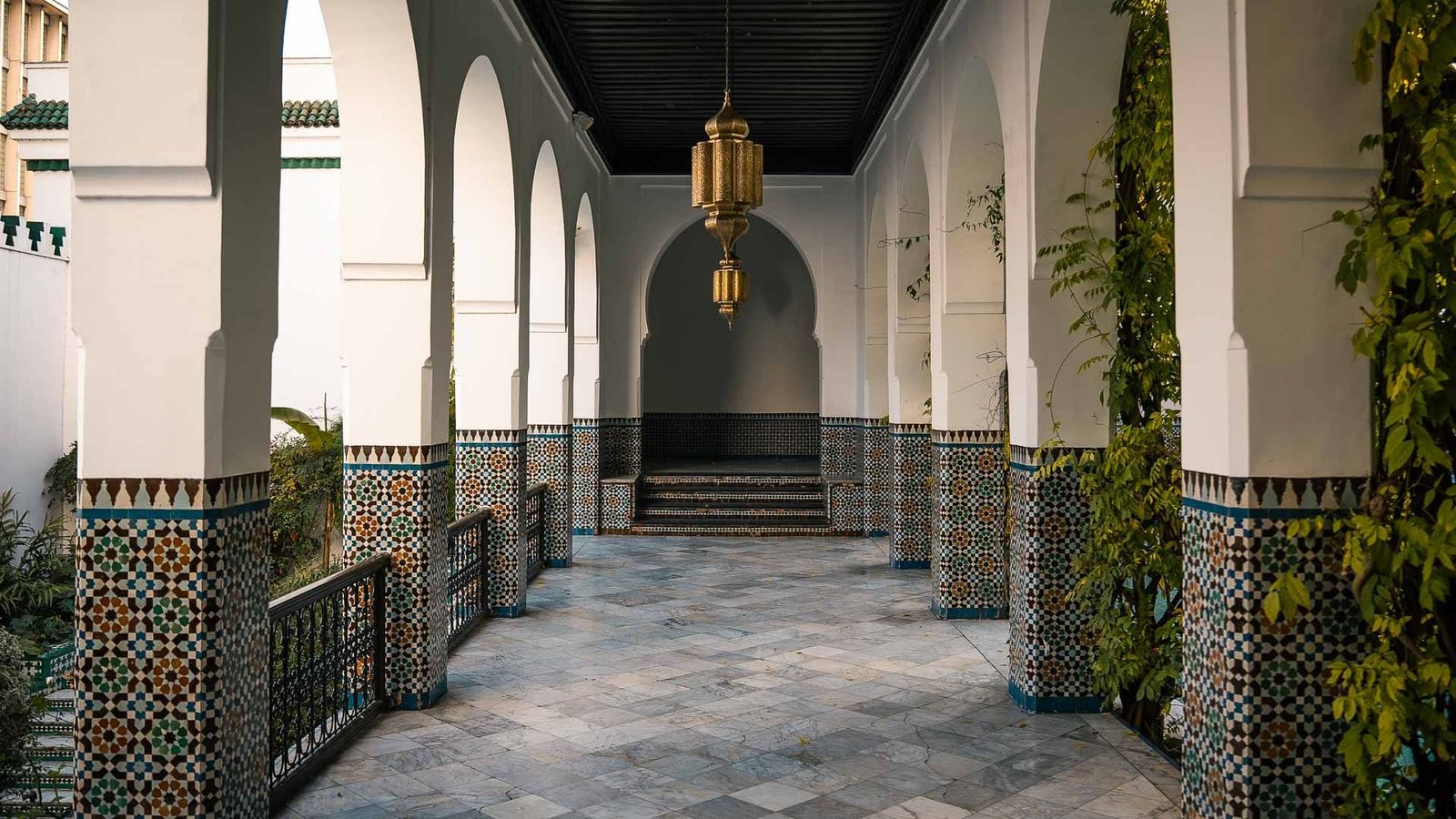
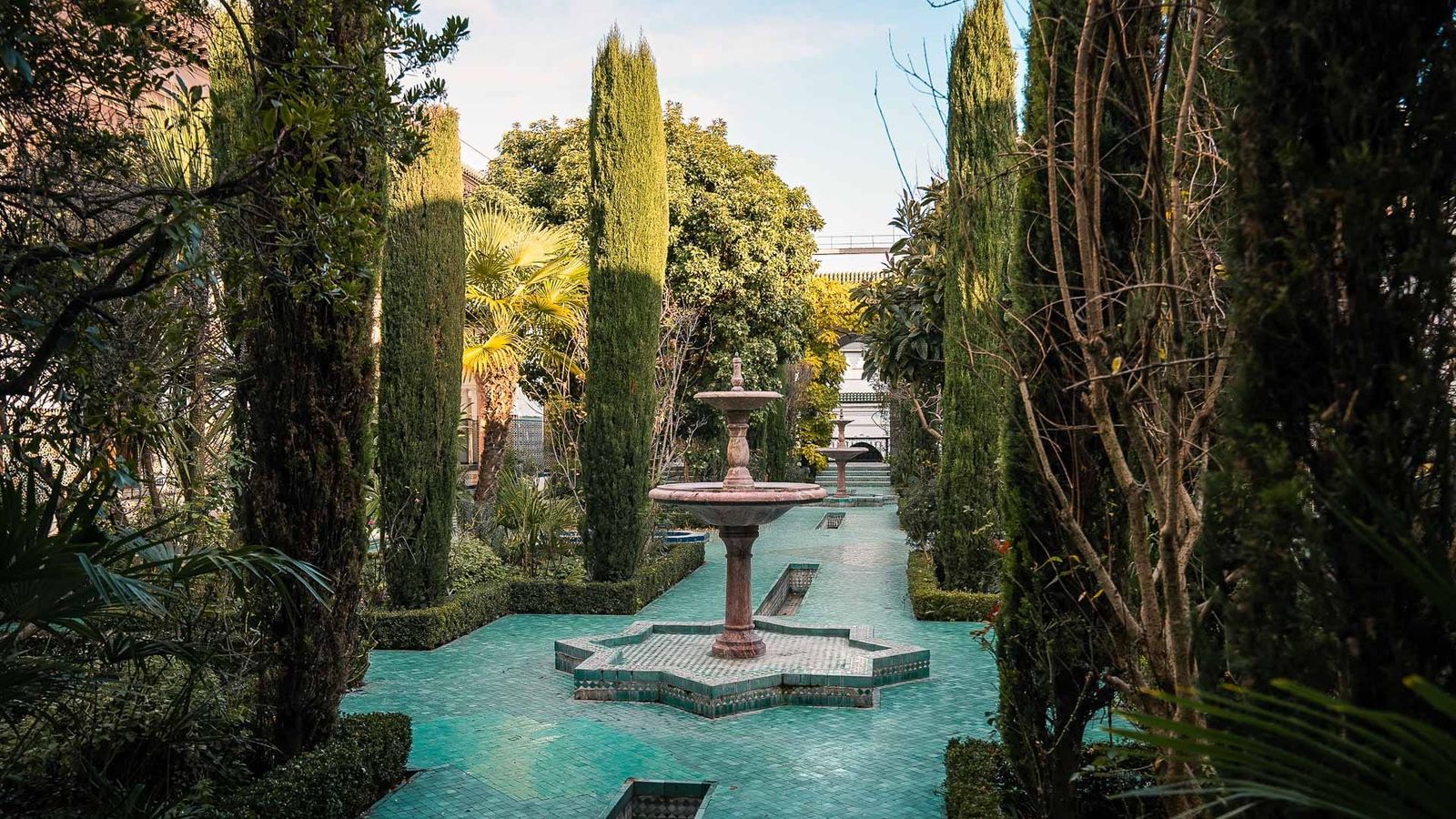
The Grand Mosque of Paris showcases stunning Moorish-style architecture, inspired by the rich traditions of North Africa and the broader Islamic world. The mosque’s grand entrance is adorned with intricate floral motifs, while its stunning courtyard, with its horseshoe arches and zelliges (decorative tiles), evokes the splendor of Morocco’s historical mosques. The mosque’s iconic minaret, which rises 33 meters, draws inspiration from the Al-Zaytuna Mosque in Tunisia and adds to the site’s captivating beauty. Visitors can explore the mosque’s gardens, prayer rooms, library, and even enjoy a tea room or restaurant on the grounds.
The Role of the Mosque During the Second World War
During World War II, the Grand Mosque of Paris played an extraordinary role in protecting individuals fleeing persecution. It is widely known that the mosque served as a refuge for Jews during the Nazi occupation of France. In a remarkable act of resistance, the mosque’s leadership provided forged certificates of Muslim identity to Jewish refugees, helping them escape arrest and deportation. This lesser-known aspect of the mosque’s history highlights its central role as a sanctuary of compassion and resistance during one of the darkest periods in history.
A Hub of Faith, Culture, and Community
Today, the Grand Mosque of Paris is not just a place of worship but also a vibrant cultural center. It serves as the spiritual heart of the Muslim community in France and hosts a variety of educational and cultural activities. The mosque houses a library, a conference room, and even a religious seminary to train future imams and Muslim chaplains. It also plays an important role in certifying halal food in France, ensuring that French Muslims have access to food that adheres to their religious dietary laws. Additionally, the mosque continues to welcome visitors from around the world who are interested in learning more about Islam and the mosque’s unique history.
A Symbol of Unity and Resilience
The Grand Mosque of Paris has also faced challenges in recent years, particularly in the wake of Islamophobic attacks. Despite this, the mosque remains a symbol of unity and resilience, continuing to promote a message of peace and understanding. It actively works to dispel misconceptions about Islam and Muslims, offering educational programs, publications, and opportunities for dialogue. Its rector, Dr. Dalil Boubakeur, has become a prominent public figure in French society, working tirelessly to represent Islam in a positive light.