



A Garden with a Deep Heritage
Nestled in the Sainte-Avoye neighborhood in Paris’ 3rd arrondissement, the Jardin Anne-Frank spans 4,000 m² and is imbued with a rich past. Originally part of the grounds of the Hôtel de Saint-Aignan, which today houses the Museum of the Art and History of Judaism (MAHJ), the central historical plot dates back to the 17th century.
This garden is surrounded by a high stone wall that traces the ancient fortifications of Paris. Over time, additional areas were incorporated, including parcelle Berthaud, near Impasse Berthaud, and parcelle Lecomte. In tribute to Anne Frank (1929-1945), a young victim of Nazi persecution, this sanctuary combines historical resonance with nature’s quiet beauty.
A Walk Through the Garden: Reflections and Renewal
Upon entering the Jardin Anne-Frank, visitors encounter a contemporary garden space, offering shaded respite in warmer months. This area, known as the “heather garden,” is filled with Japanese maples, vibrant hydrangeas, and delicate azaleas. In 2007, a young chestnut tree was planted here—a graft from the very tree Anne Frank admired from her hiding place in Amsterdam. Strolling through this section, the benches along the promenade invite reflection amid tranquil, leafy surroundings.
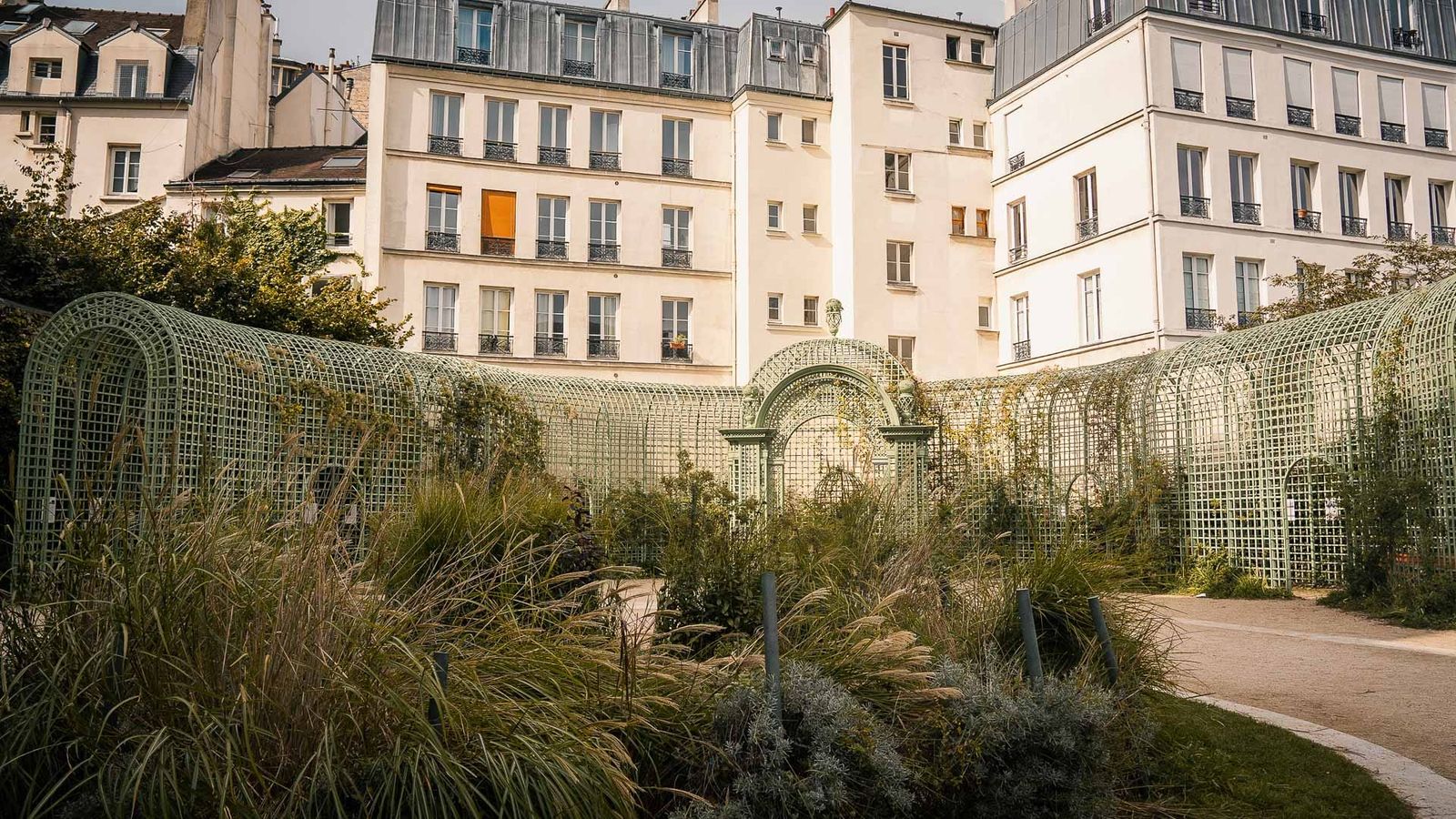
The central historical garden has a more structured, mineral aesthetic, with a classic cabinet de treillage or arbor, reminiscent of the promenade spaces in Versailles. This quiet, elegant feature adds a timeless charm, encouraging leisurely strolls and quiet contemplation.
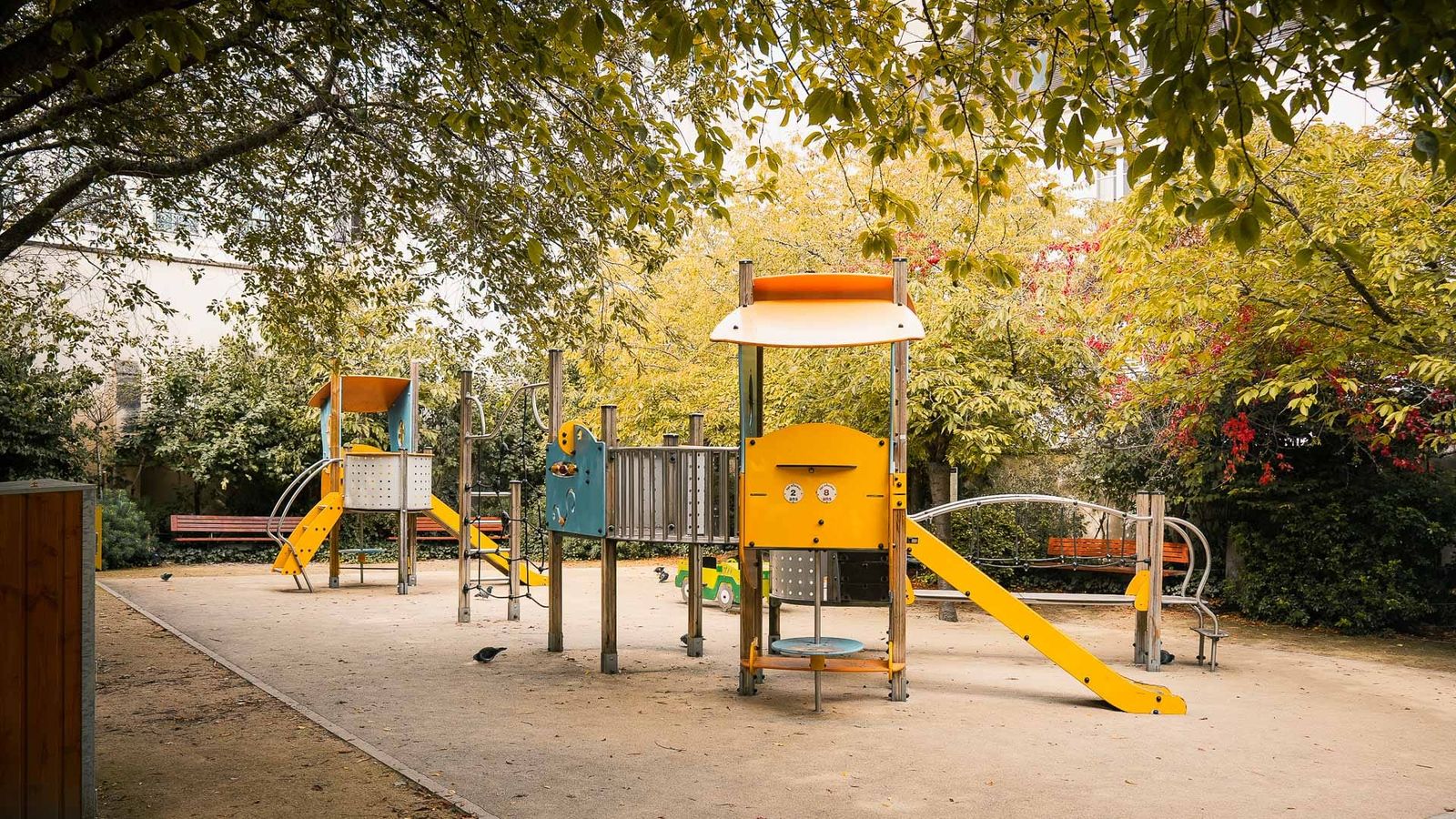
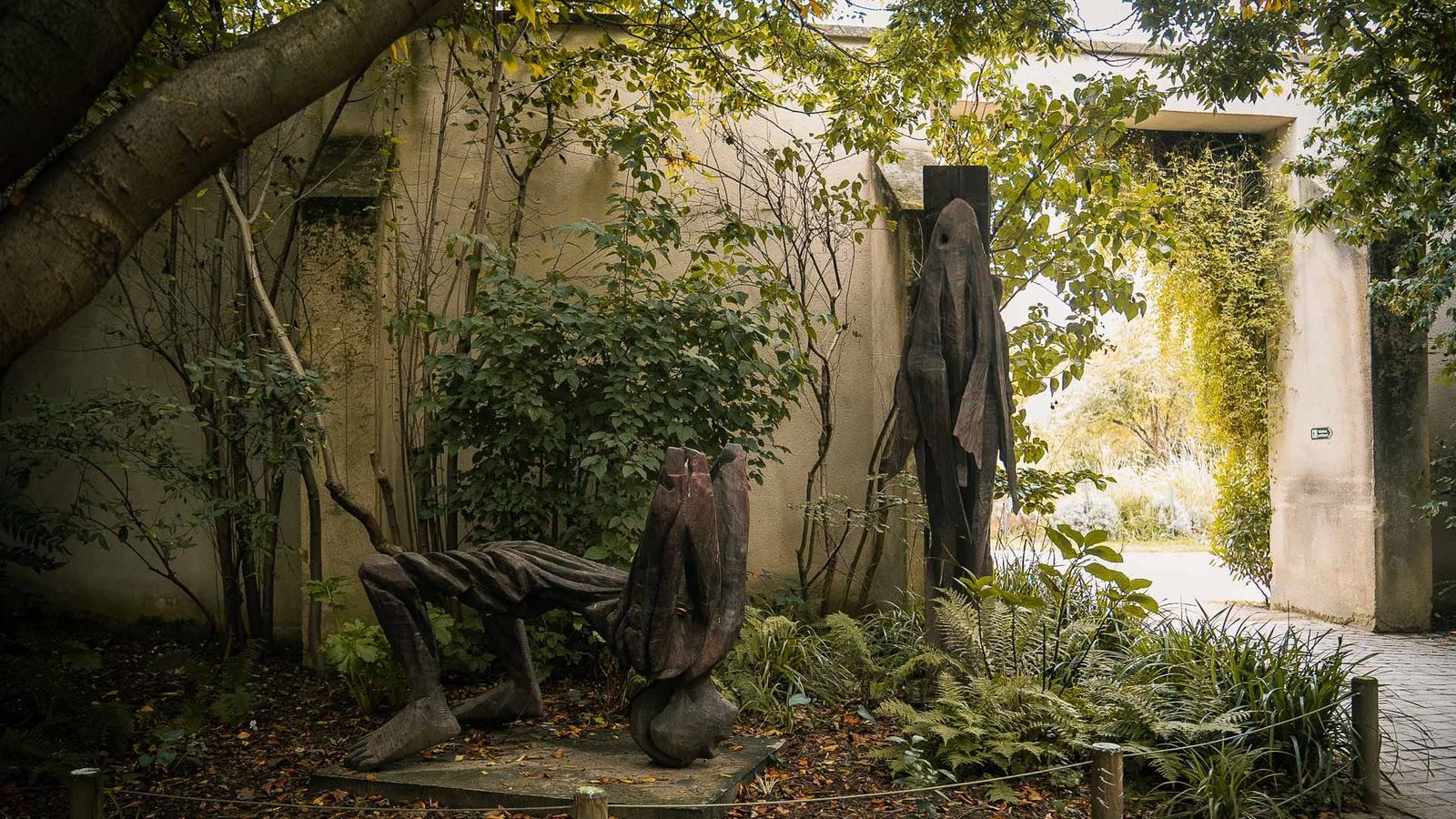
Through an opening in the ancient wall, visitors reach the third and final section of the garden—a lively orchard that embraces the cycle of renewal. With apple and cherry trees, alongside abundant flowering perennials, this “garden of life” invites families to enjoy open lawns and an area designated for children’s activities. A statue honoring Paul Celan, created by artist Alexander Polzin in 2016, greets visitors at the entrance, reinforcing the garden’s tribute to memory and resilience.