


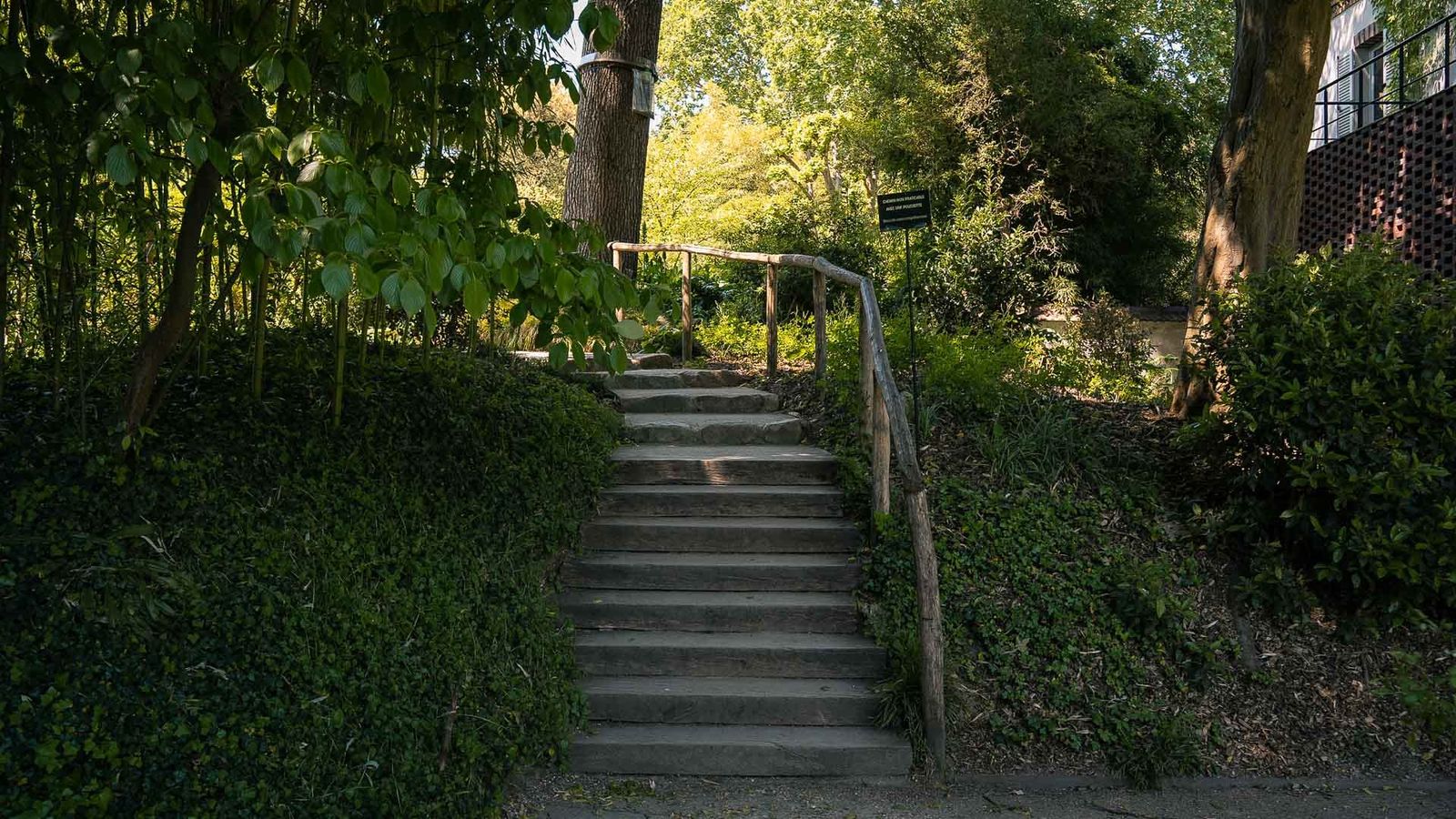
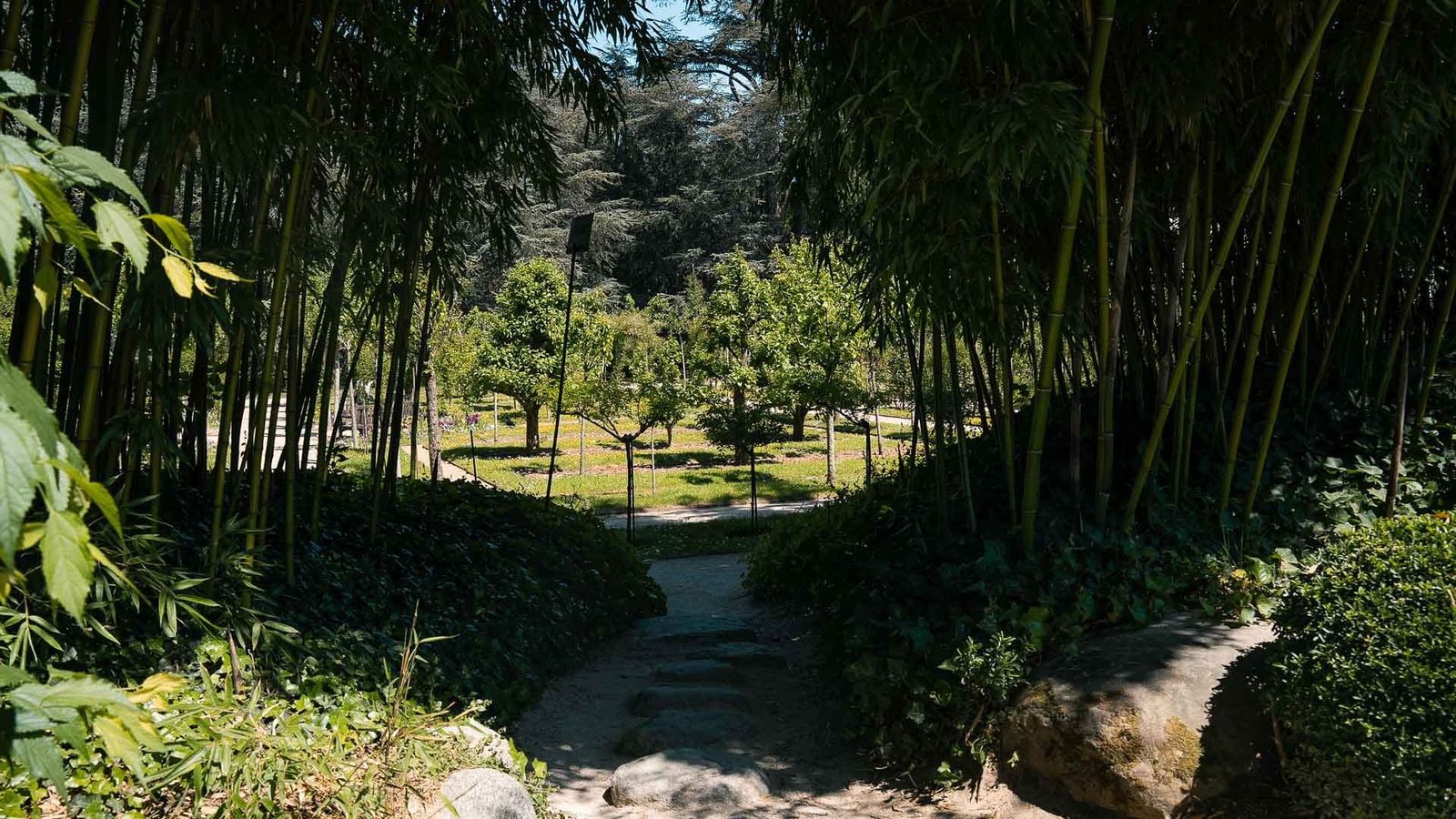

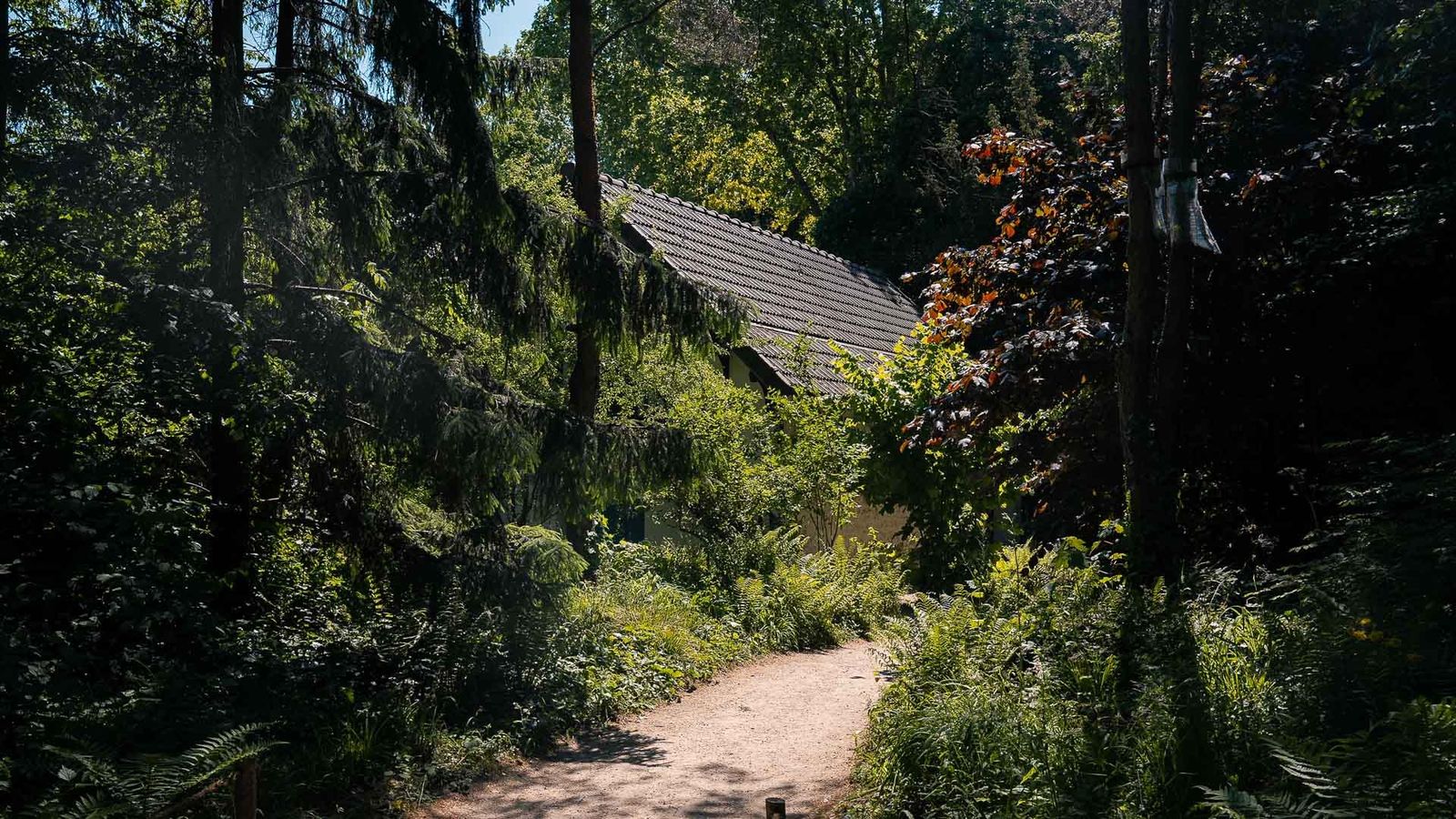
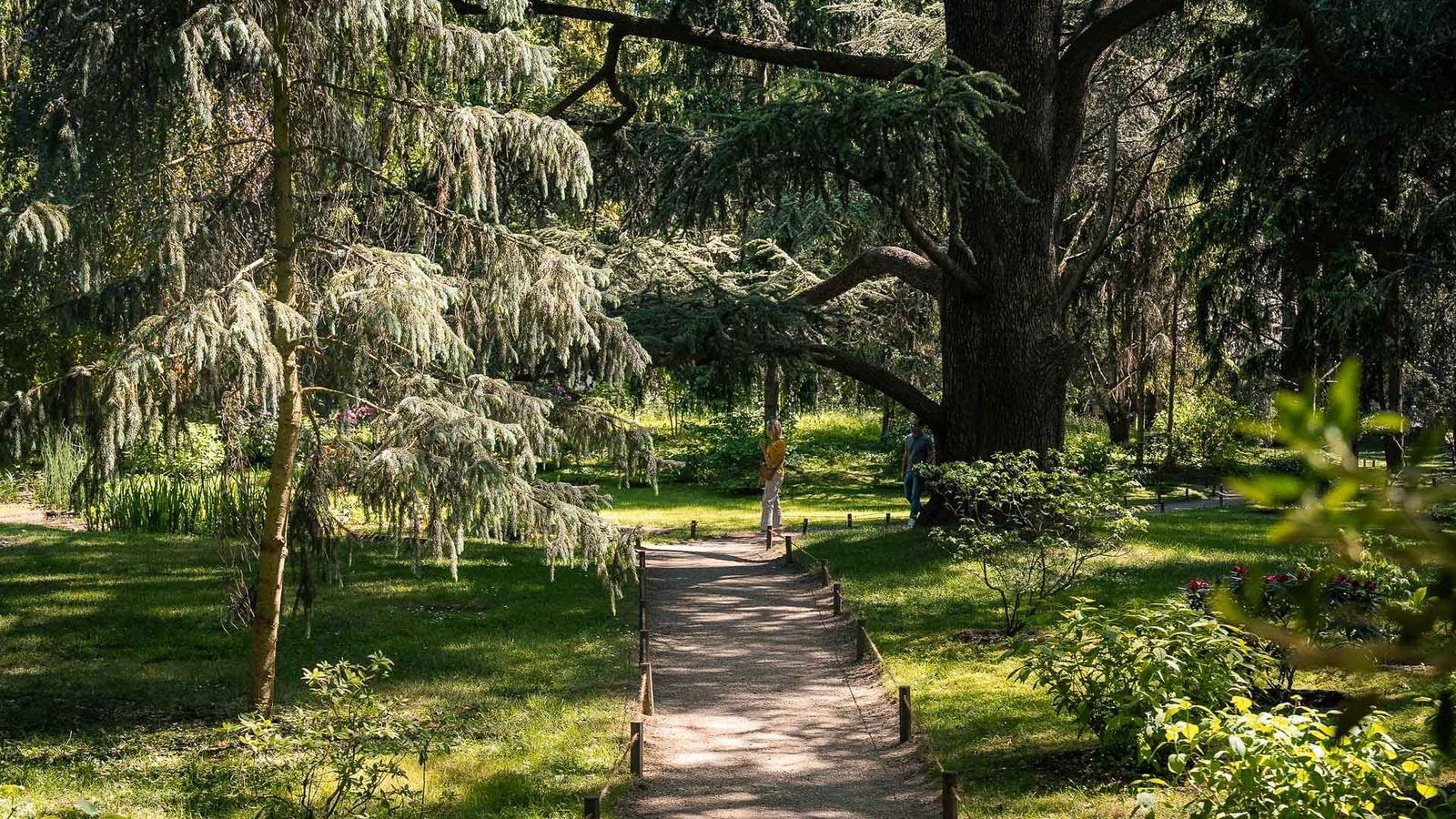
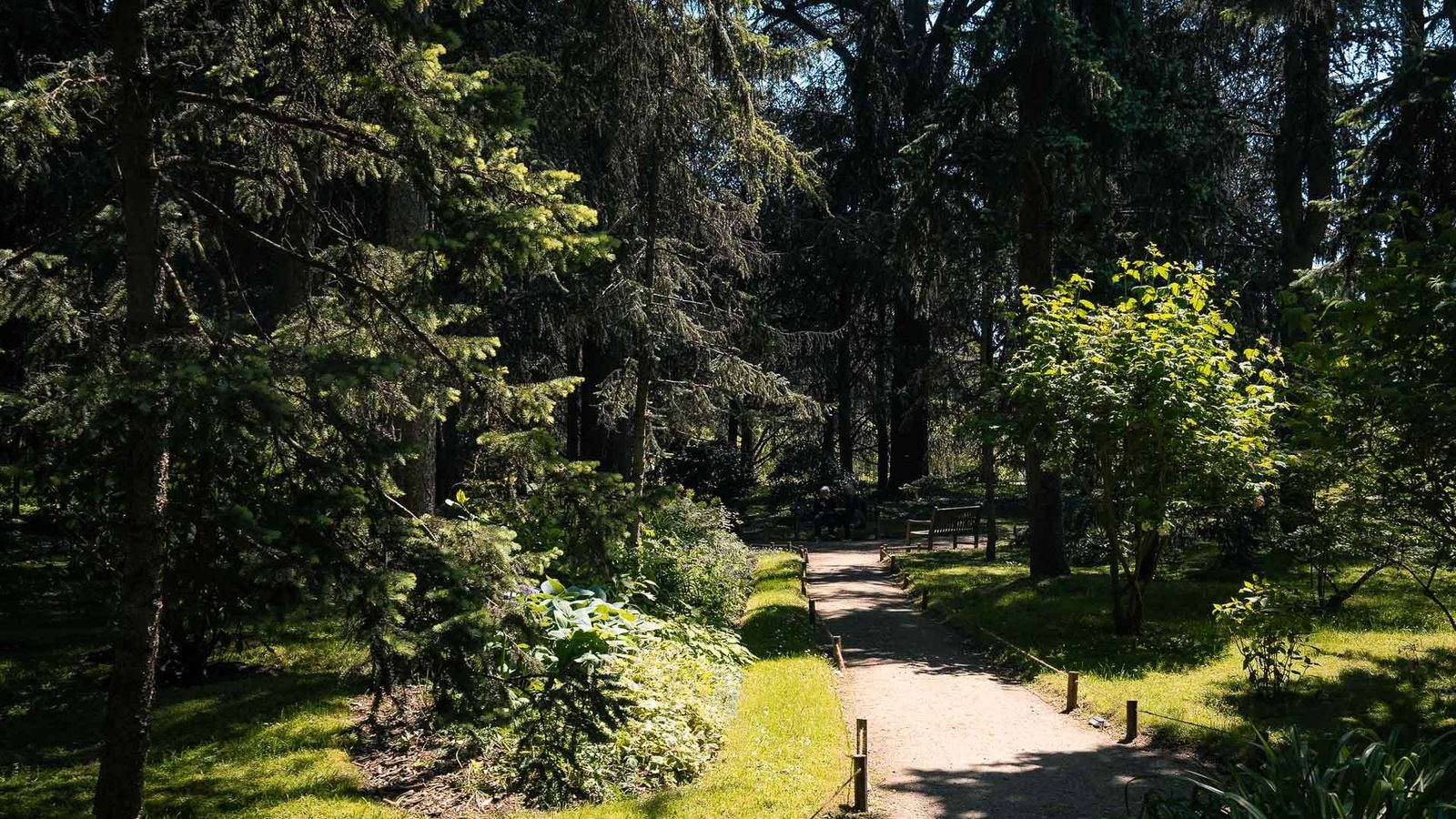
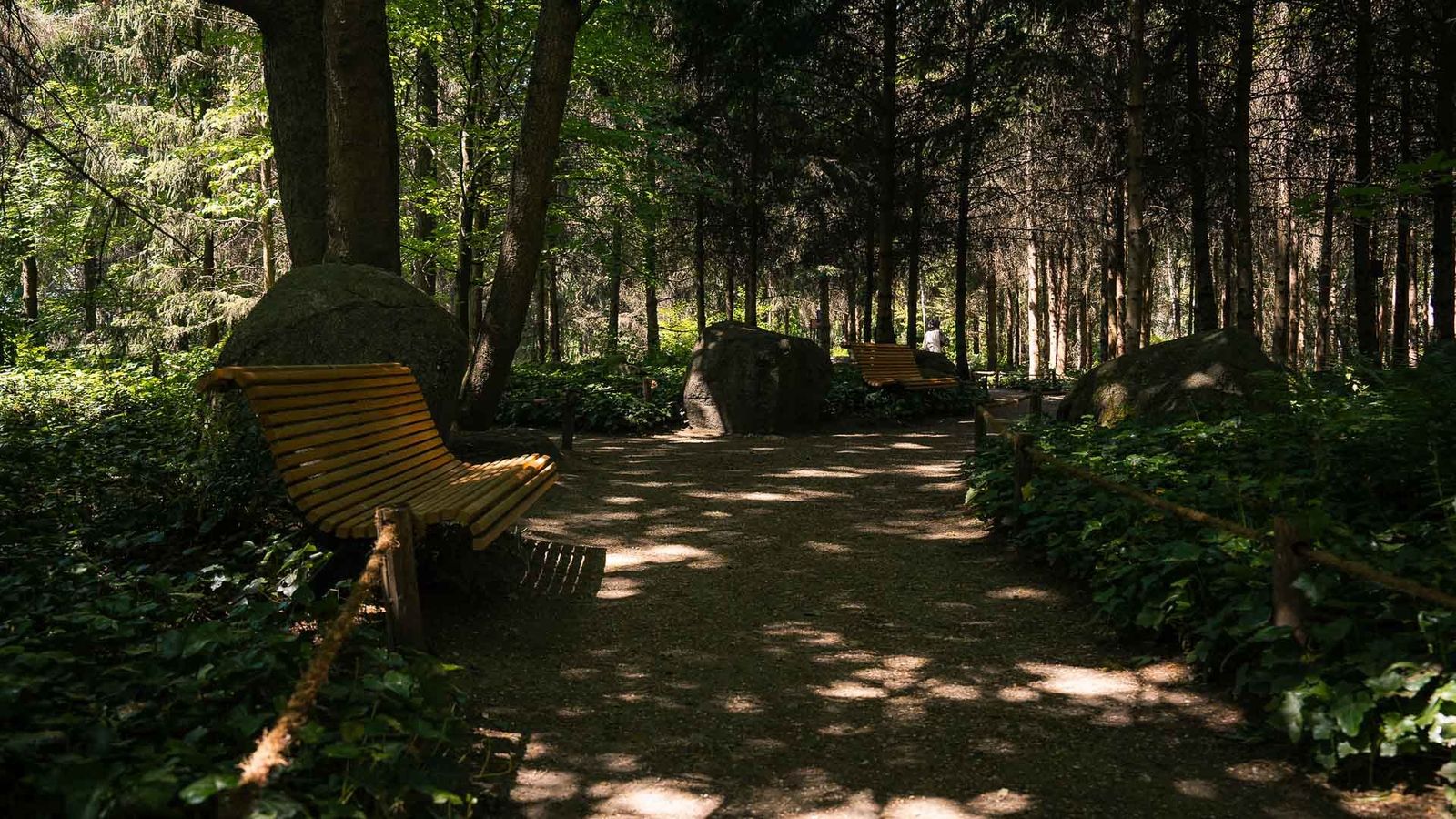



In the serene west of Paris, the Albert Kahn Garden extends over nearly 4 hectares, a living homage to the visionary ideals of Albert Kahn, a banker with a dream of global peace and cultural reconciliation.
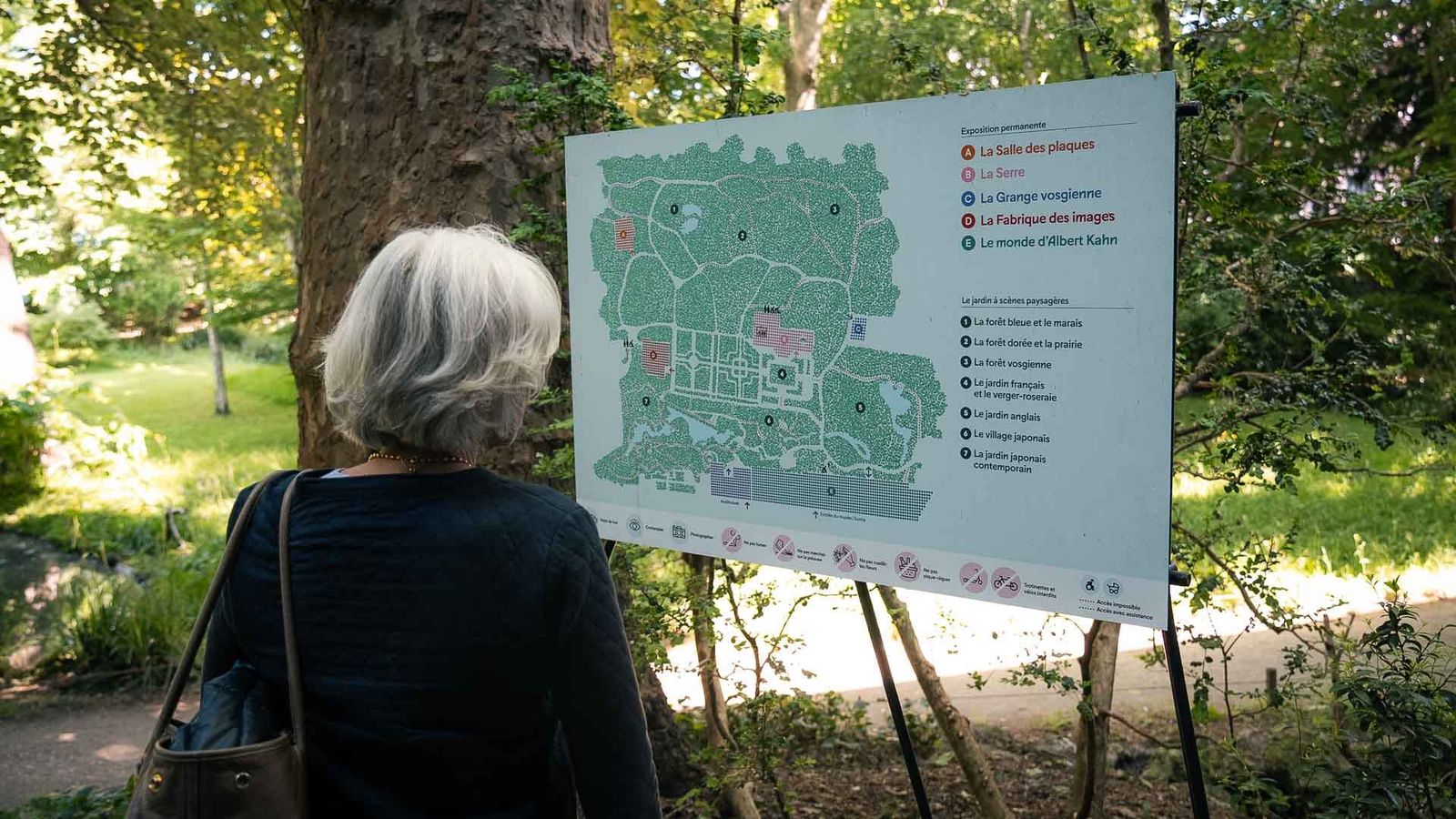
Founded in 1895, Kahn’s garden is a lush, scenic microcosm that weaves together elements from France, England, Japan, and even Kahn’s native Vosges, embodying his philosophy of unity in diversity. Within this verdant haven, each landscape presents an immersive experience, allowing visitors to travel across continents through a harmony of architectural and horticultural artistry.
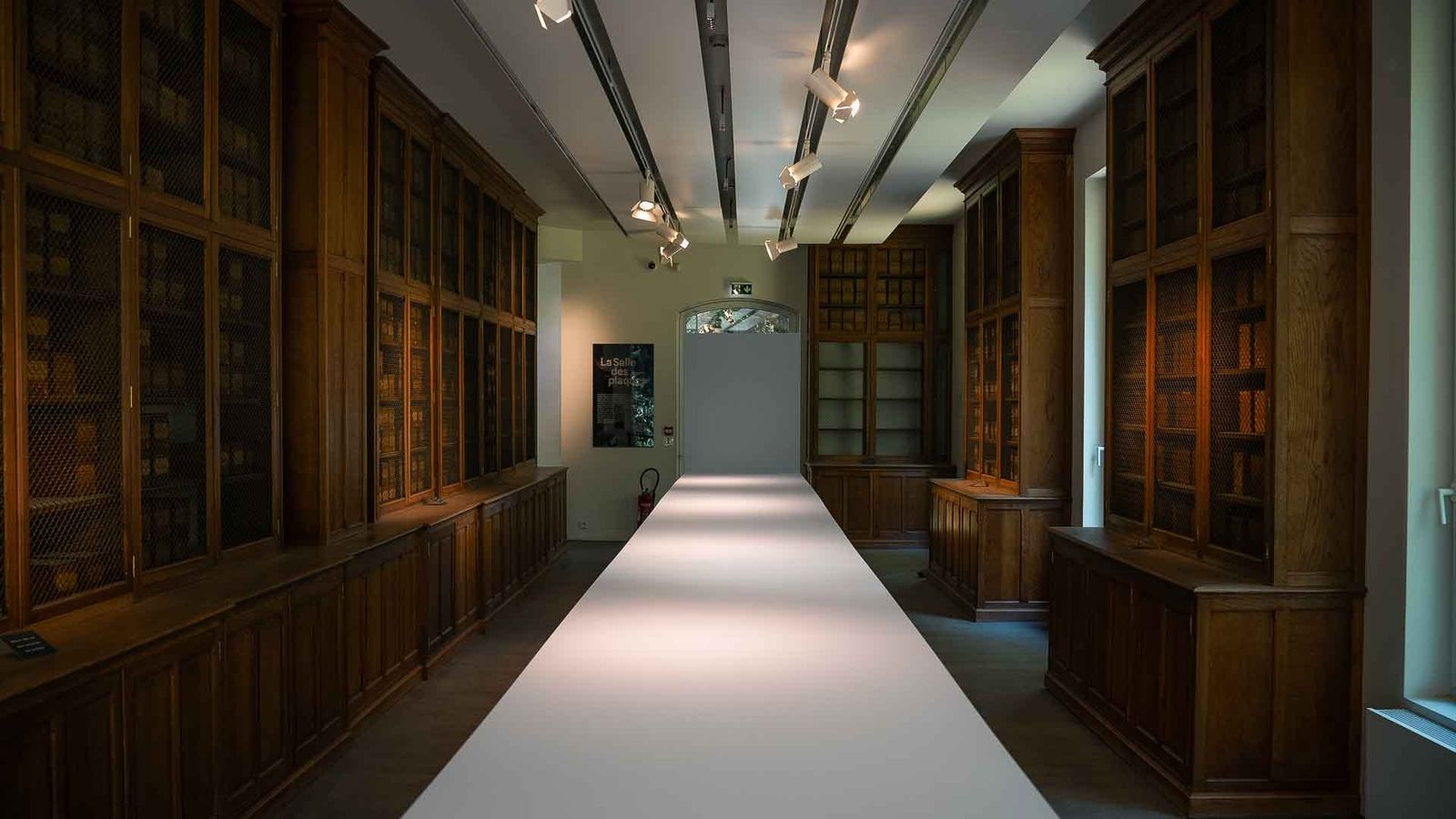
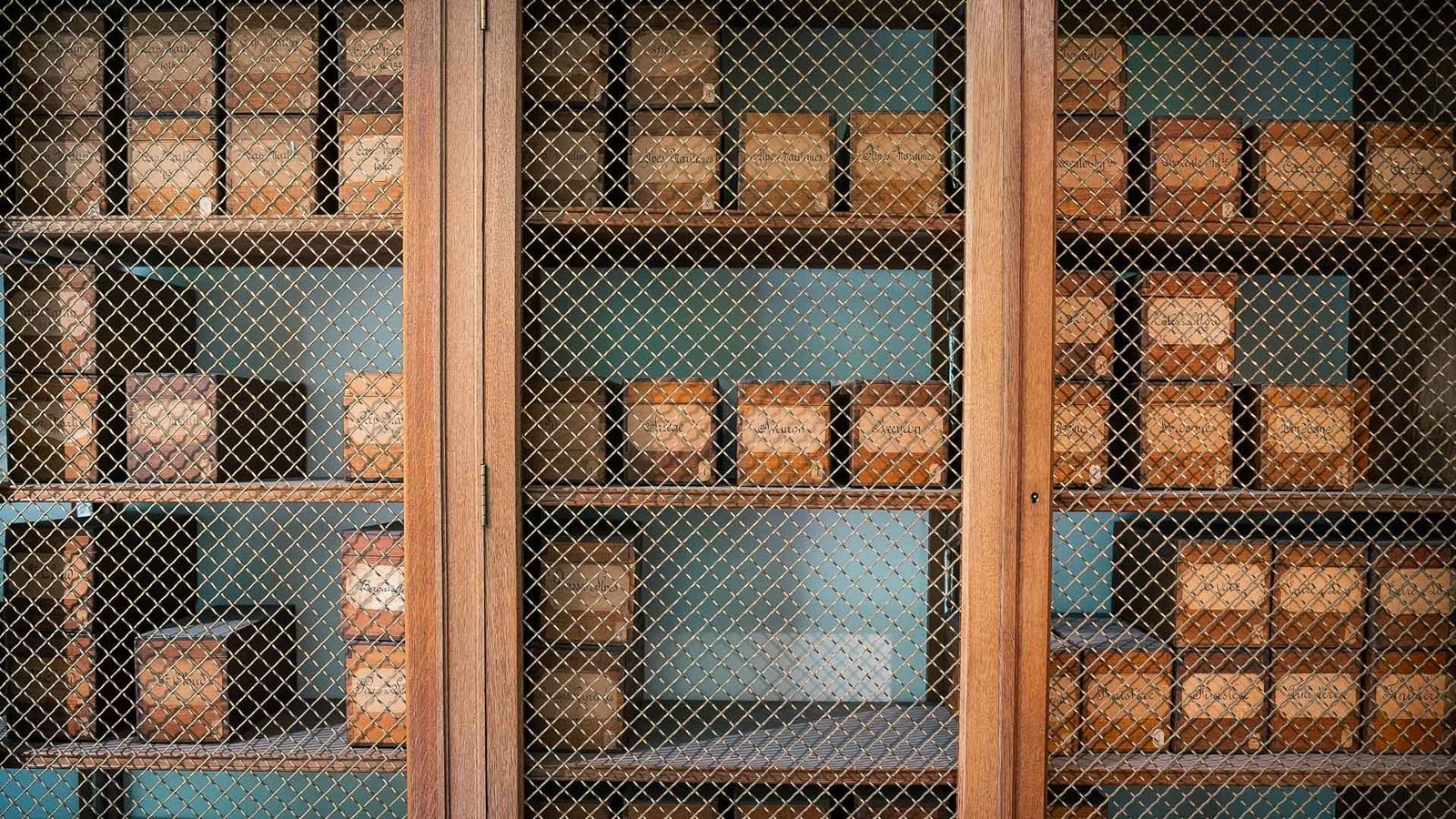
Adjacent to the gardens, visitors can also explore the Albert Kahn Museum, which houses his impressive collection of early color photographs and ethnographic films.
The Japanese Village: A Tranquil Tradition Brought to Life
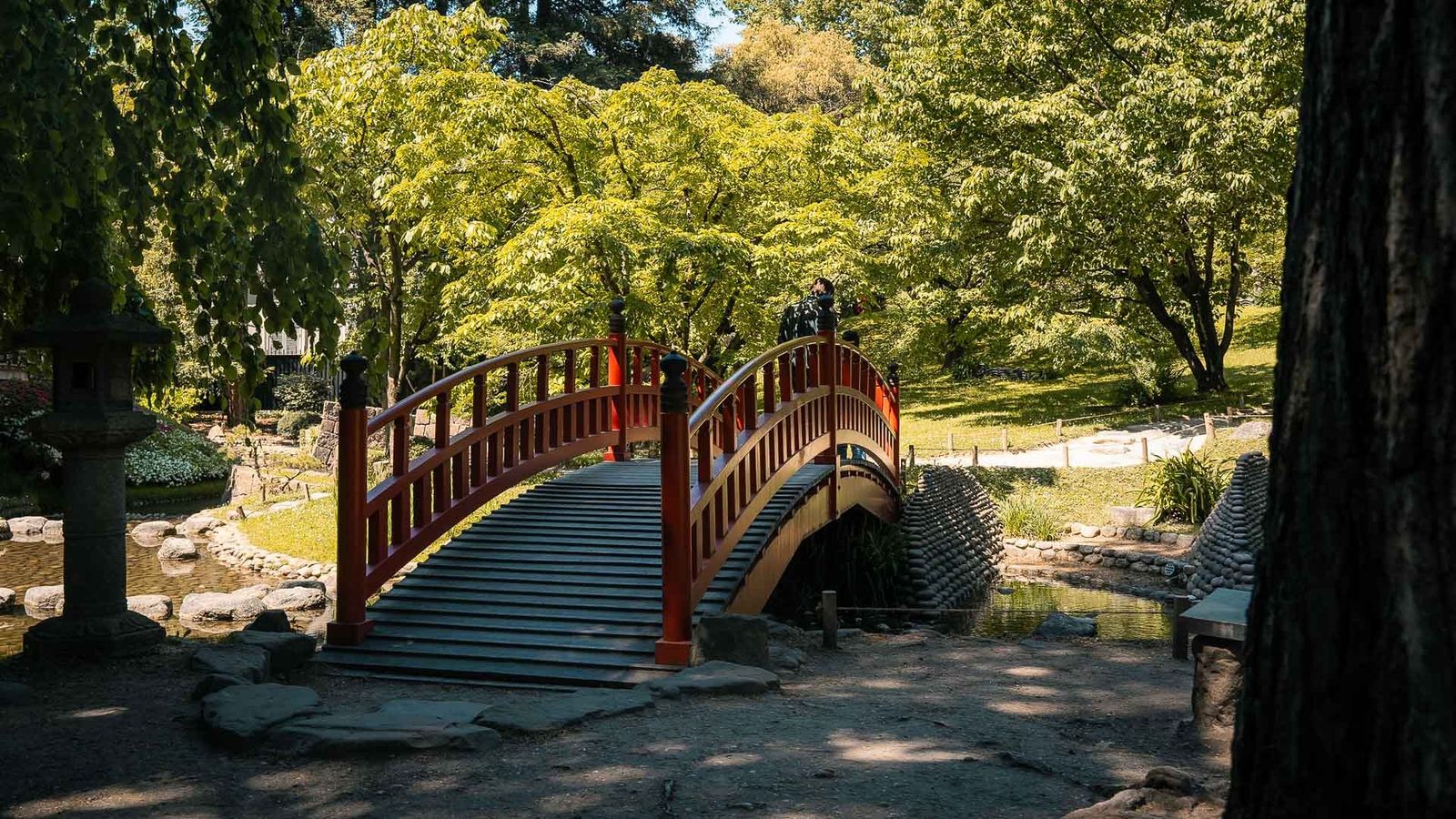
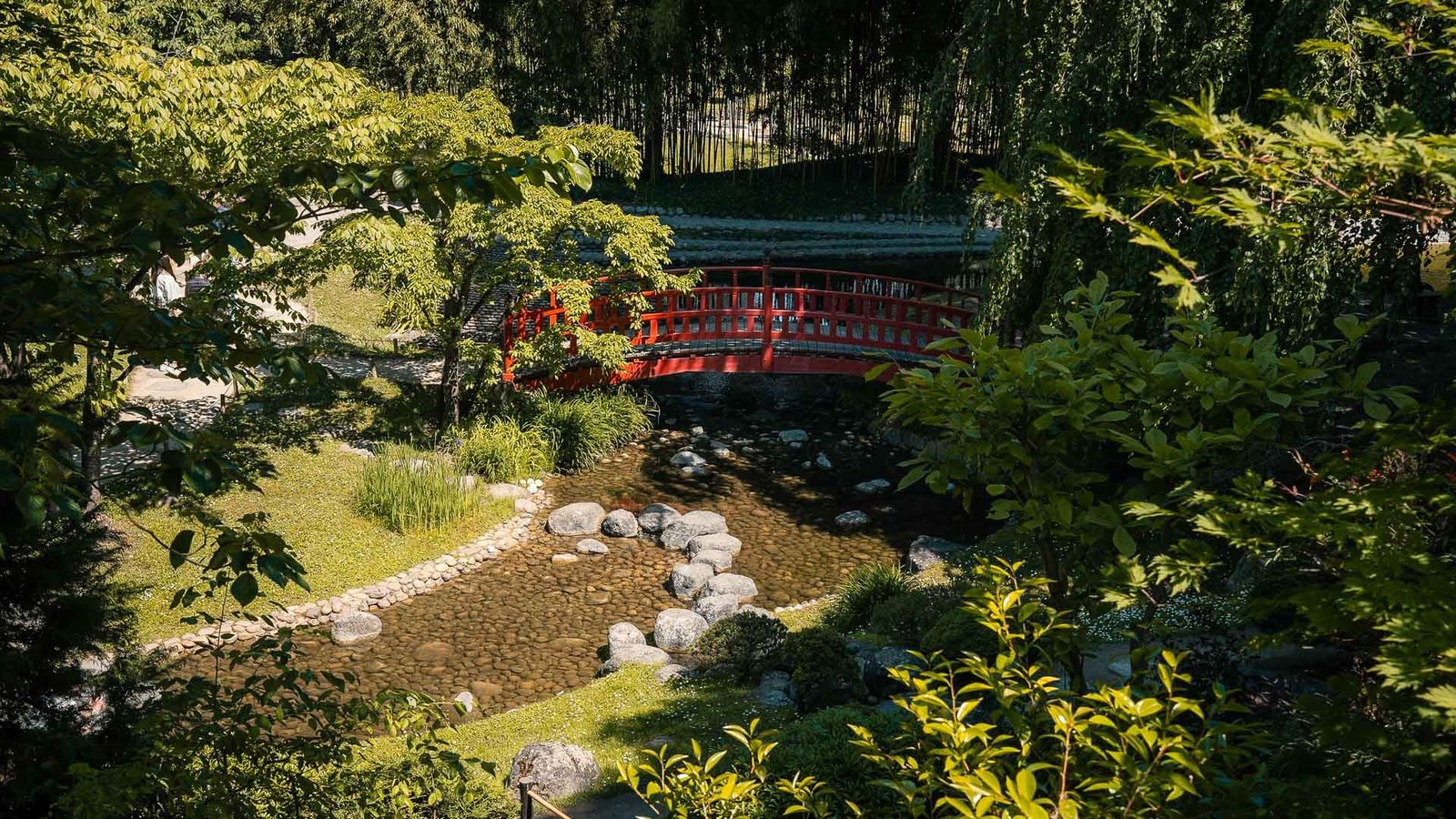
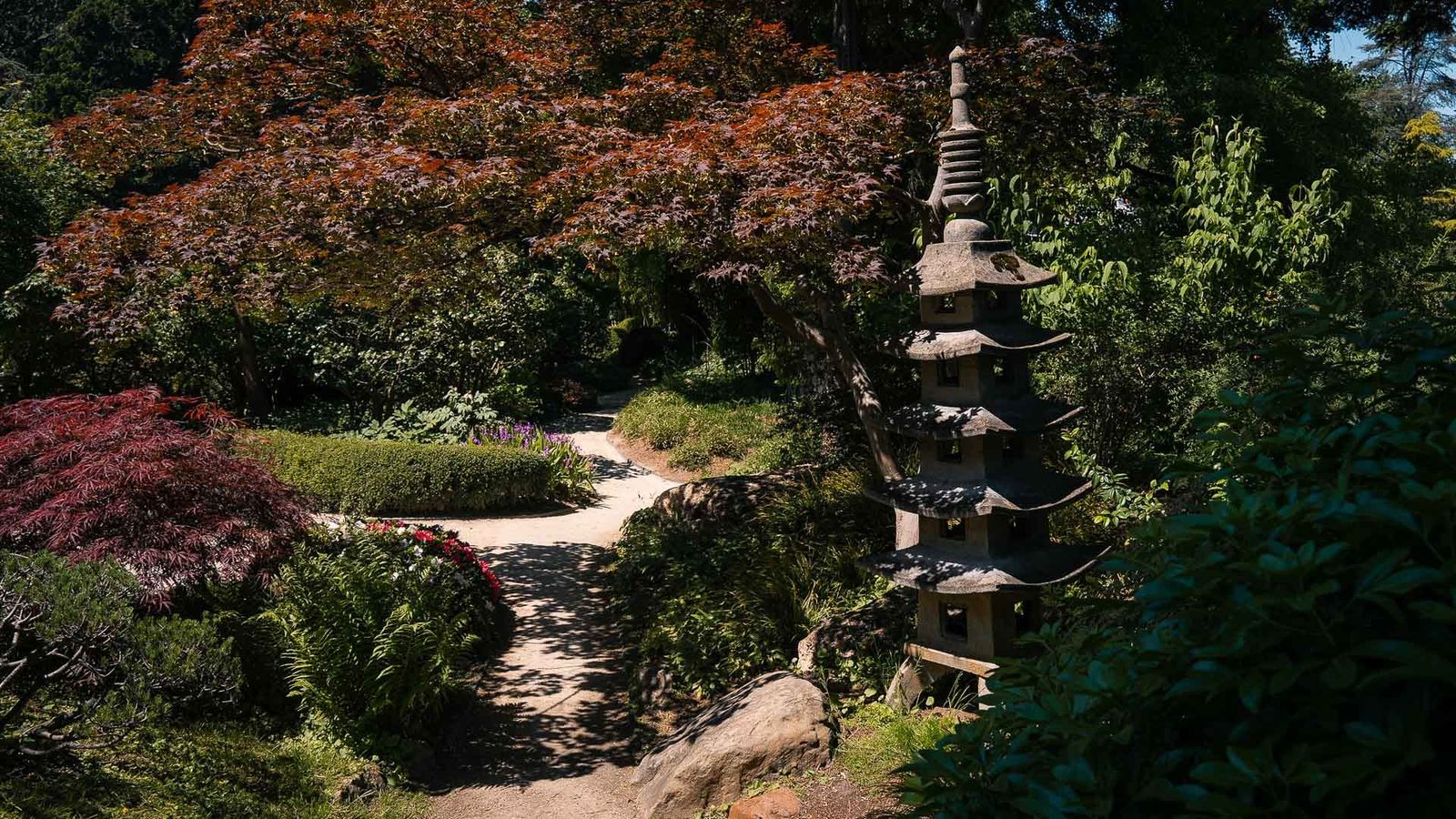
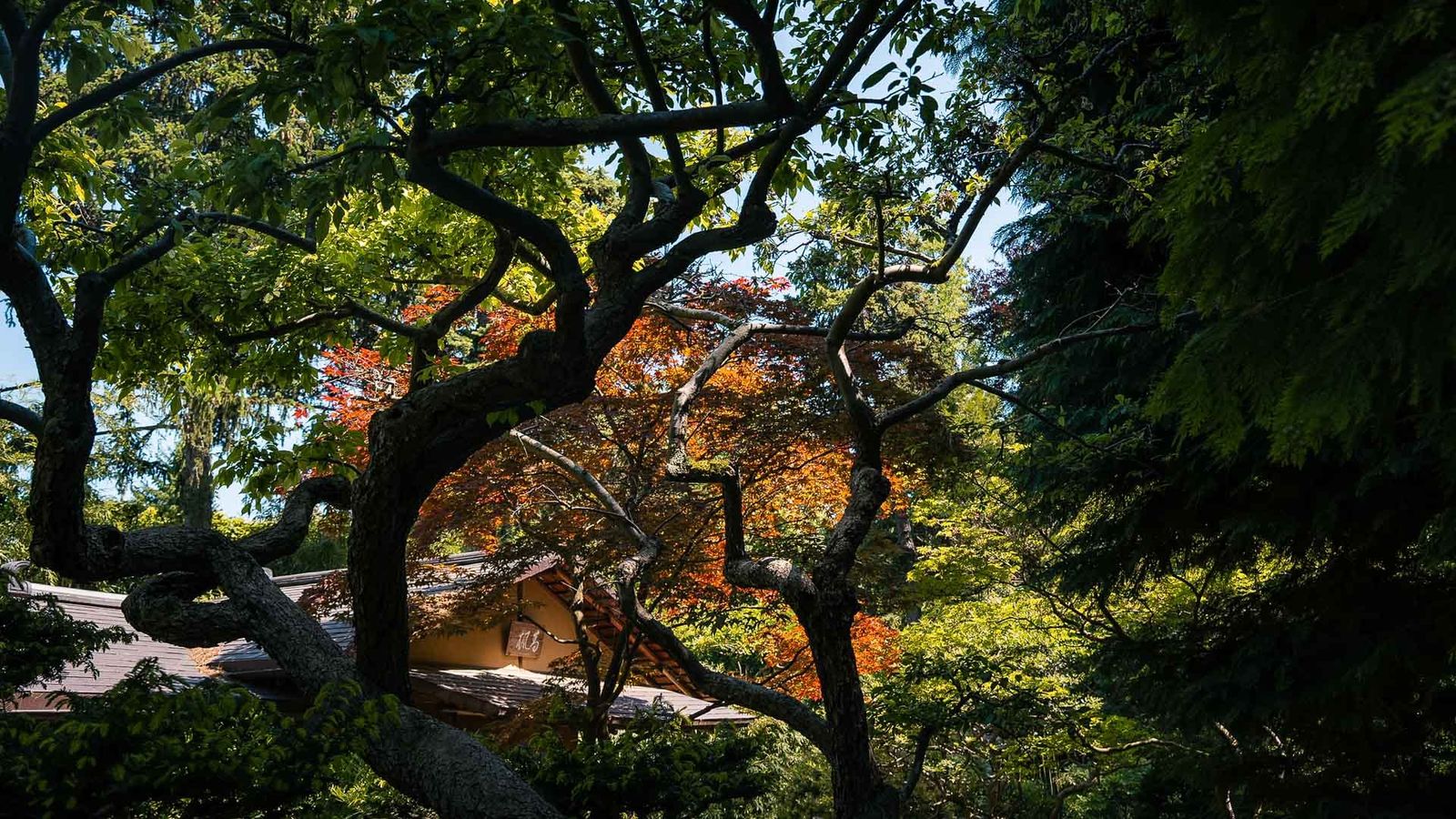
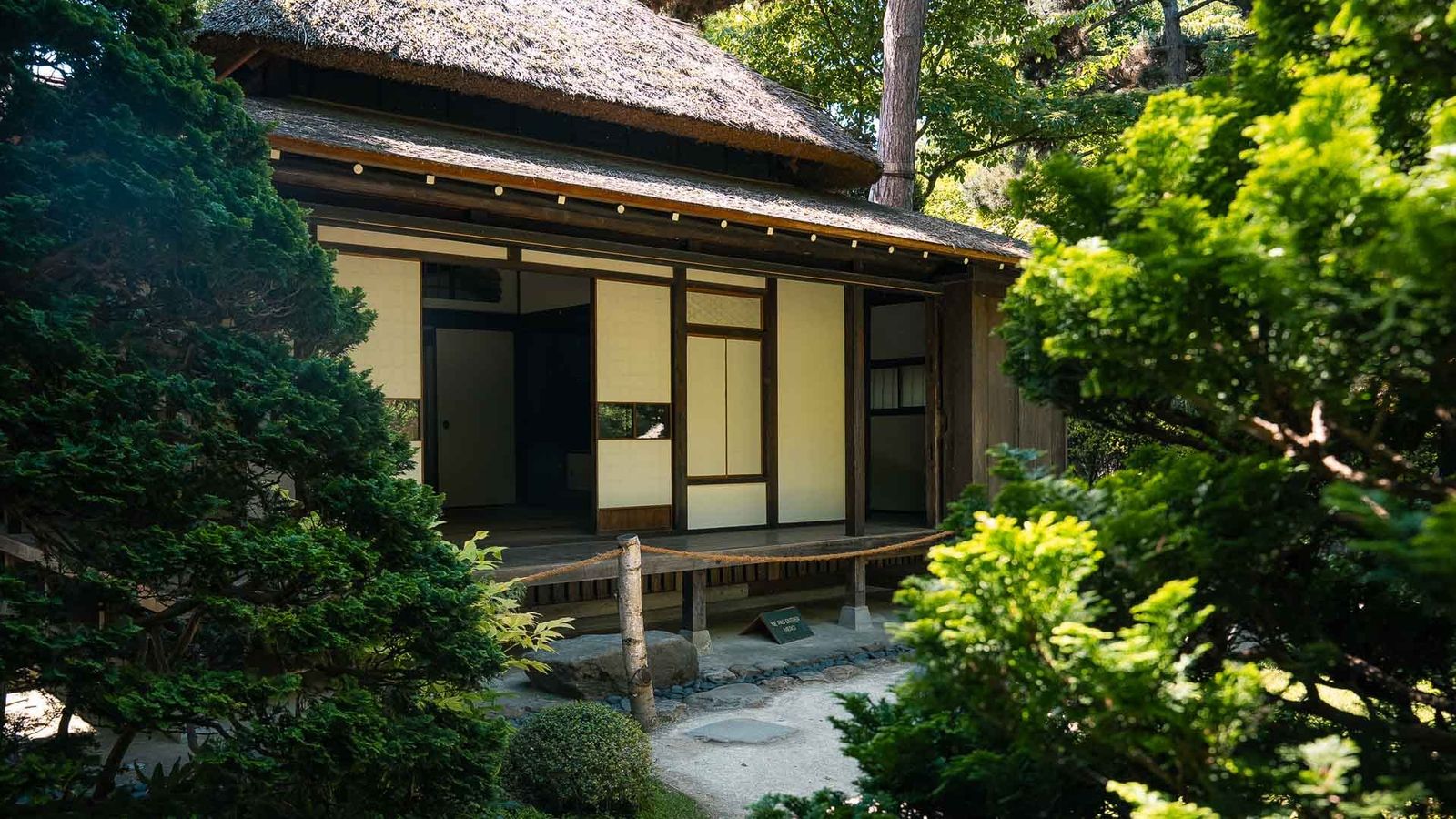
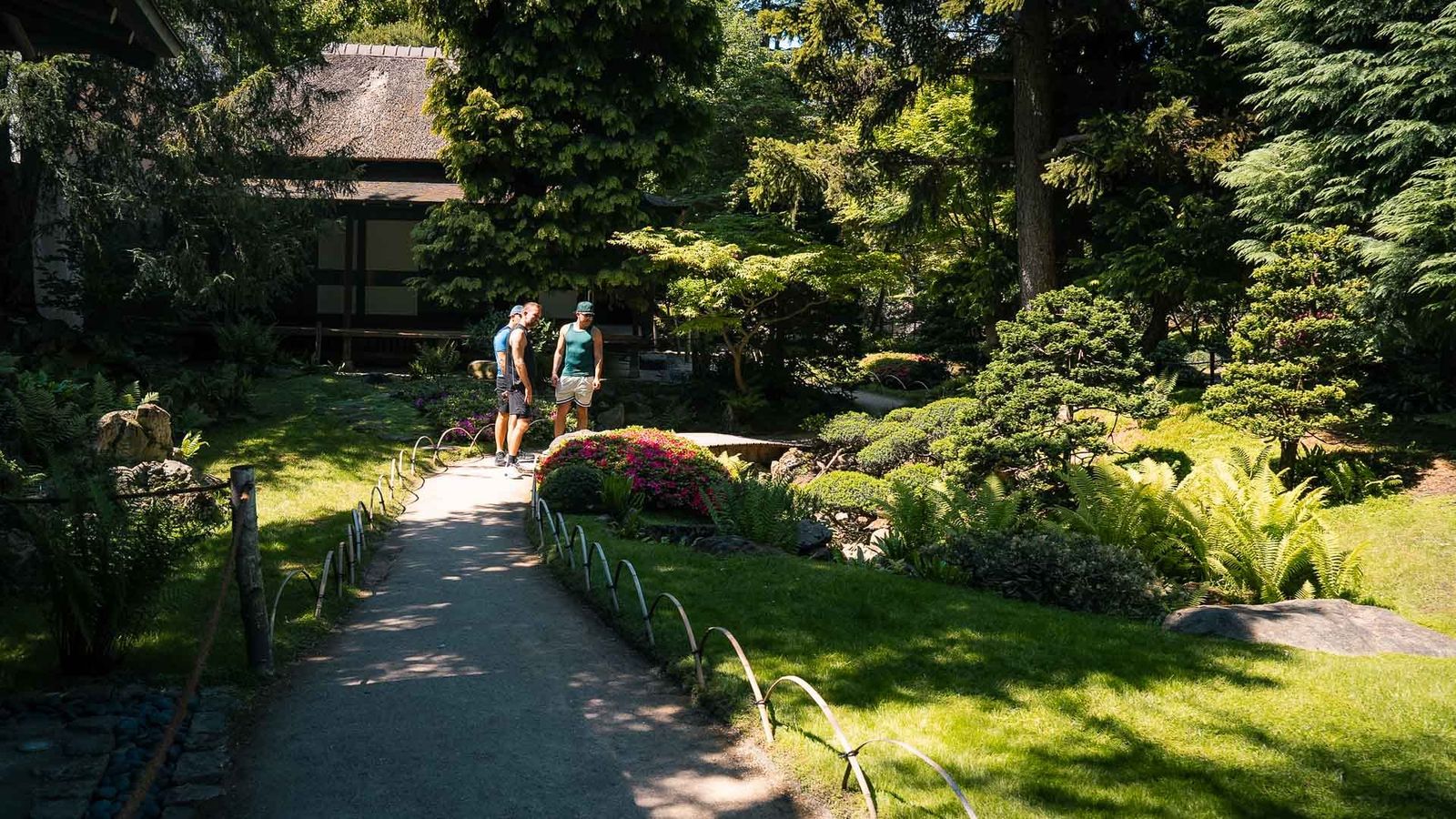
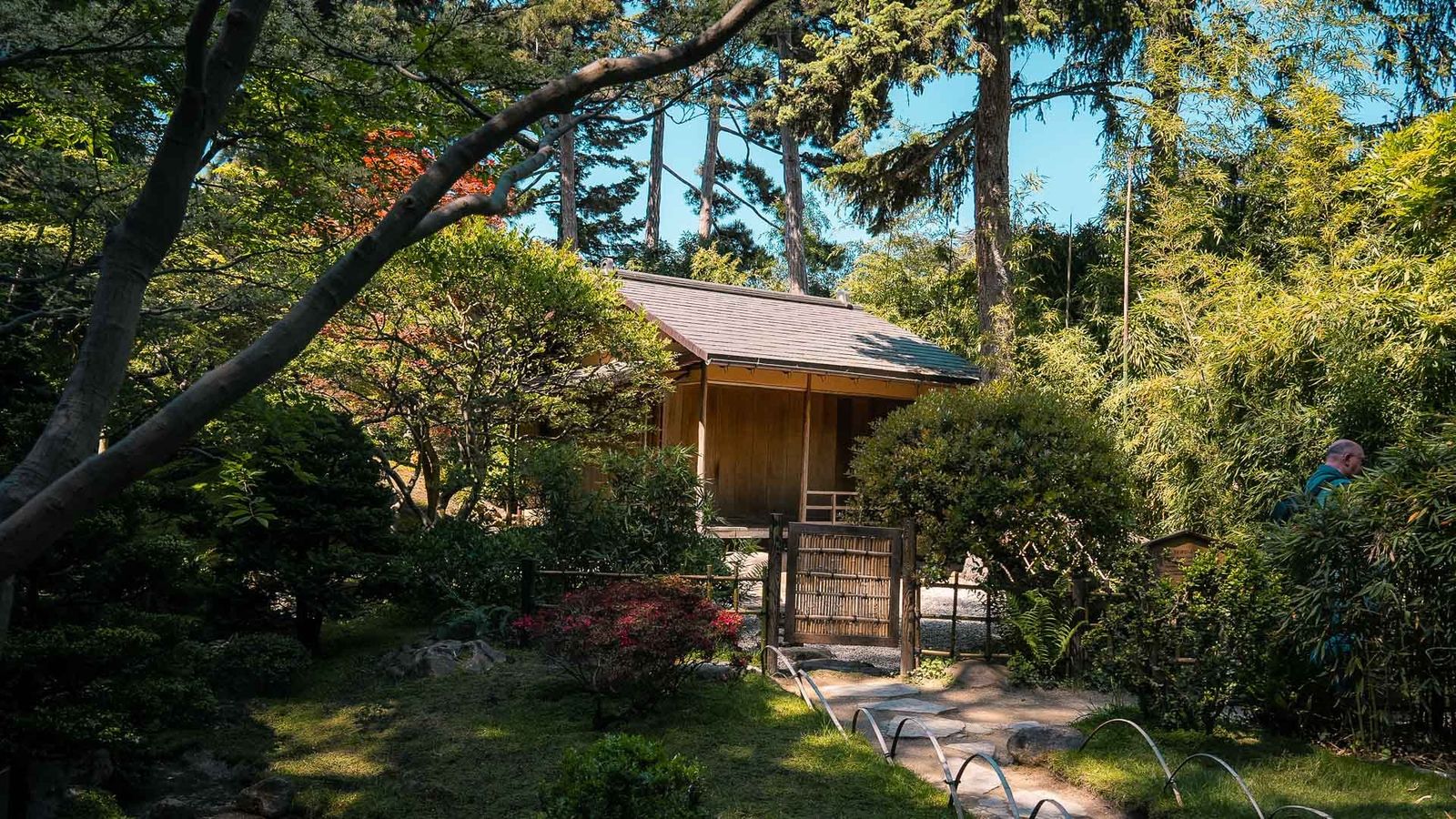
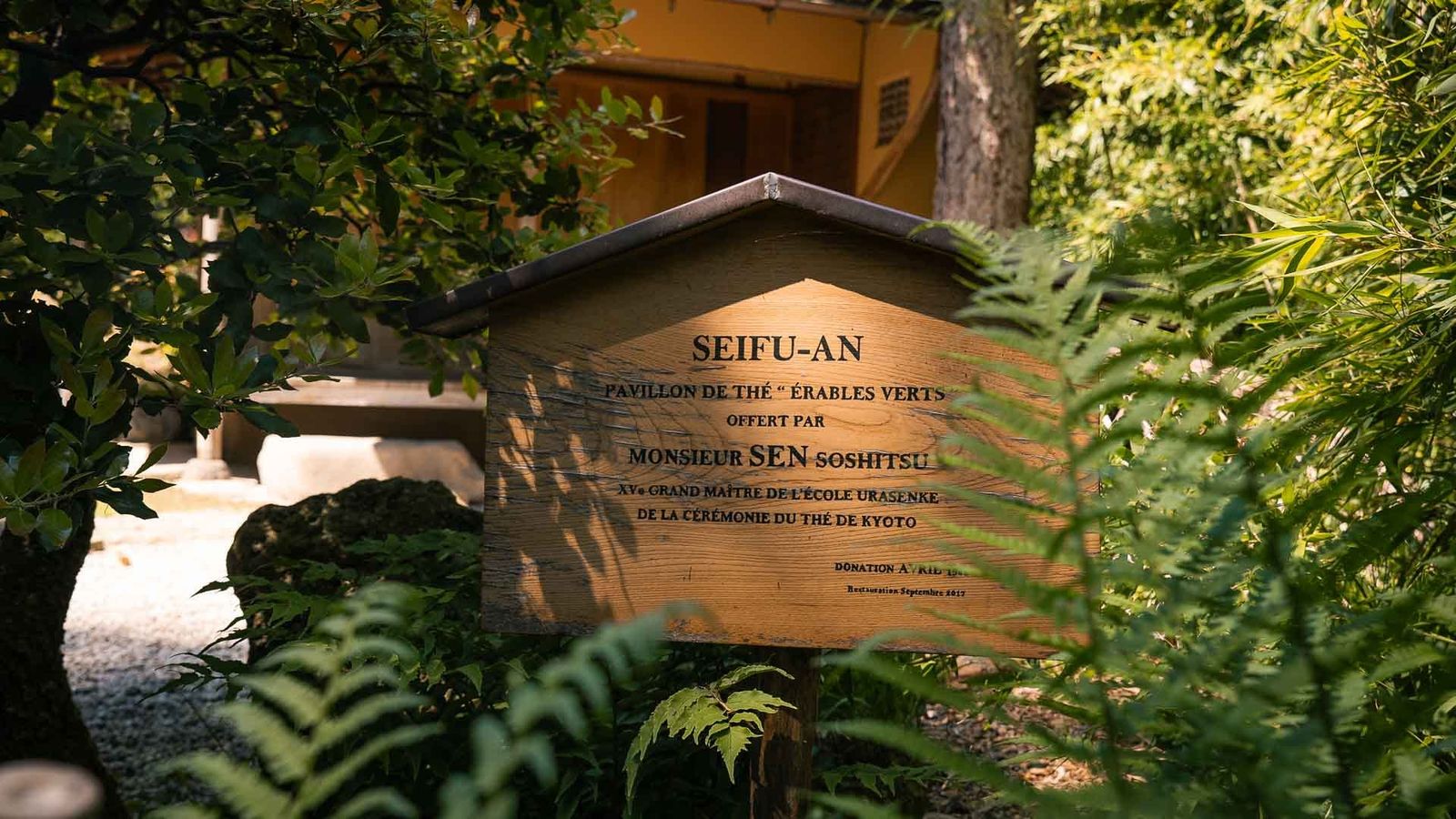
The Japanese Village, initially created in 1898 after Kahn’s second visit to Japan, stands as one of the garden’s most captivating scenes. Brought over in pieces from Japan, this traditional village includes authentic tea houses, gates, and a pavilion, now graced with regular tea ceremonies hosted by Kyoto’s Urasenke tea masters.
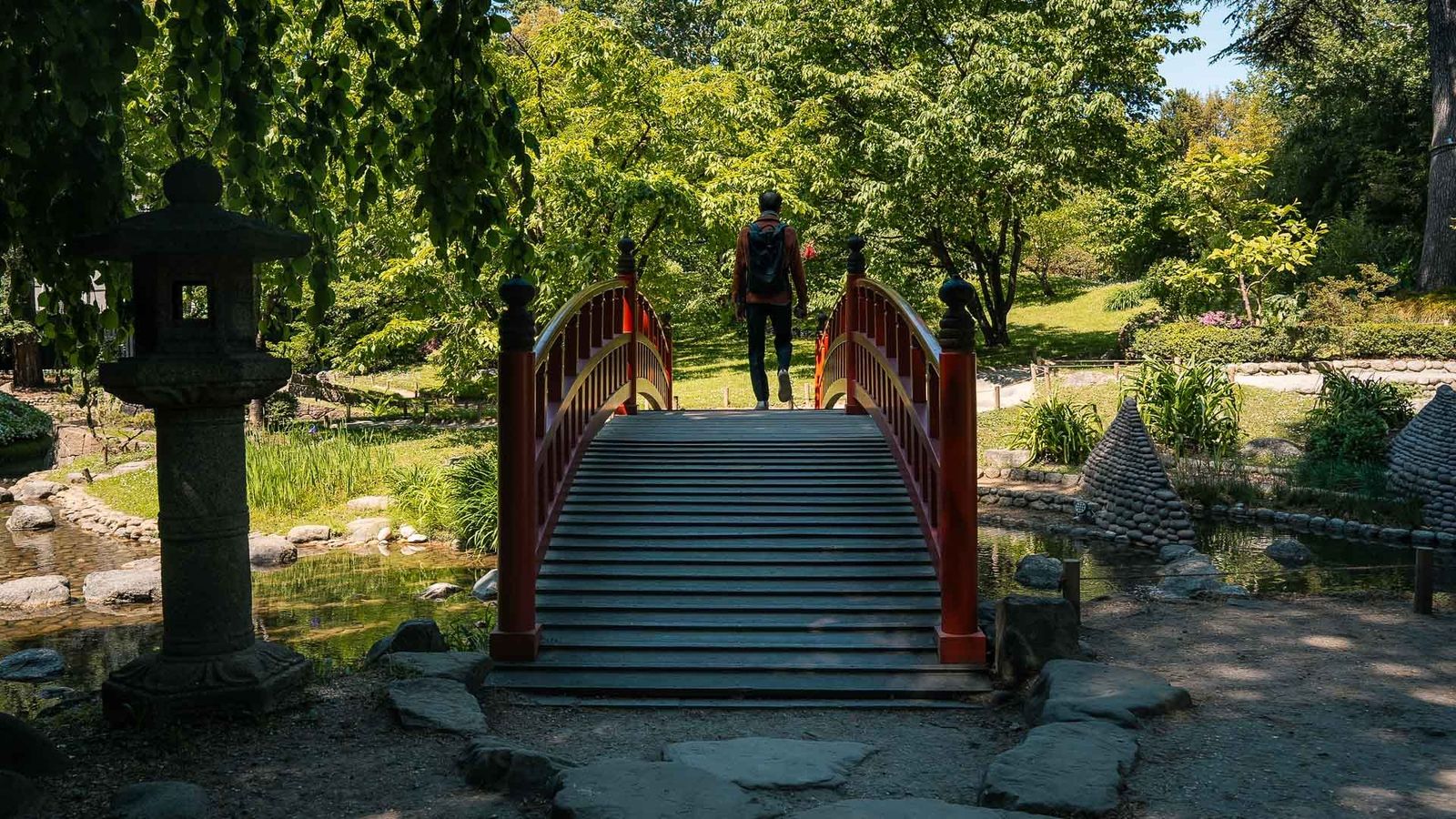
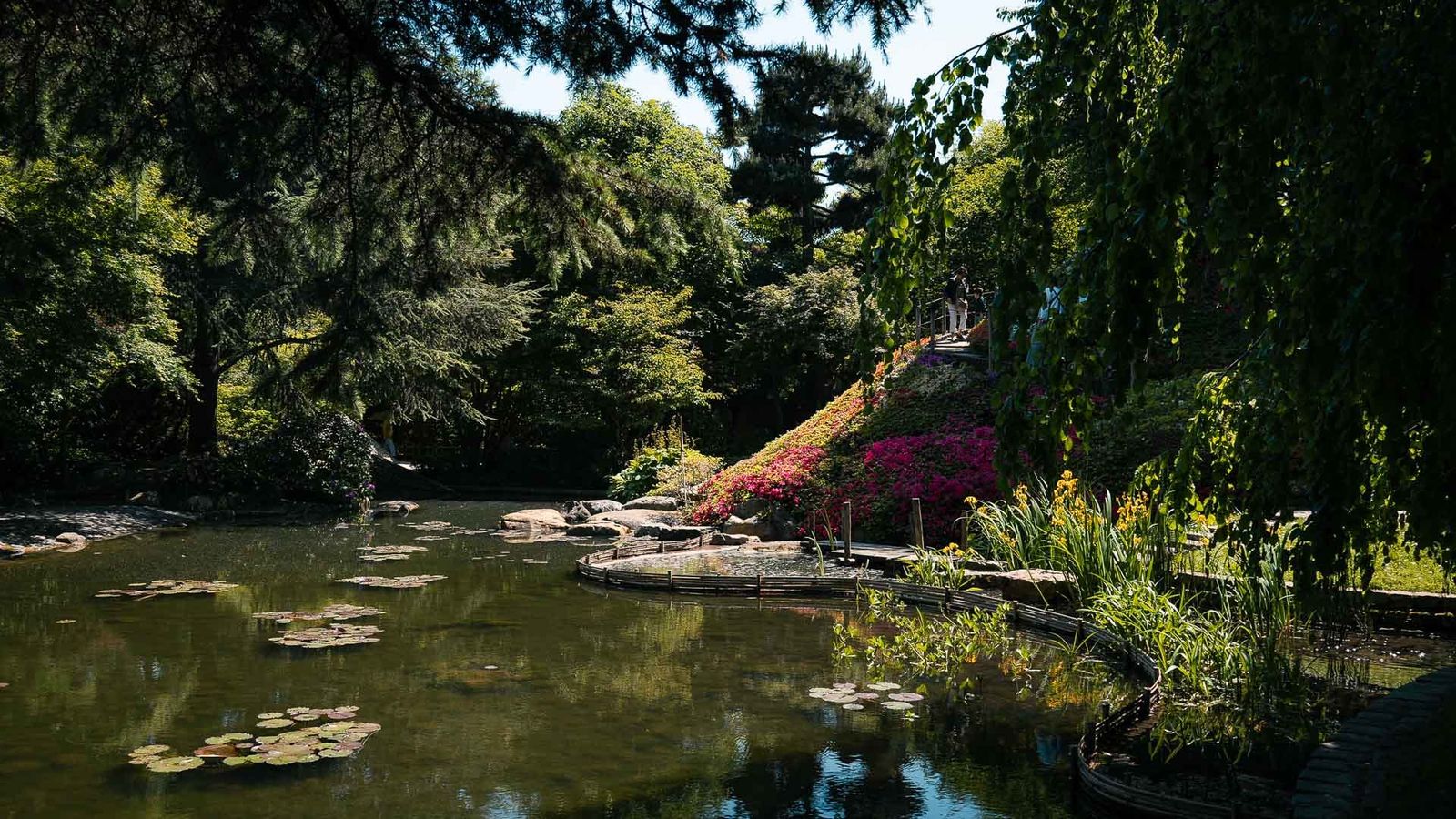
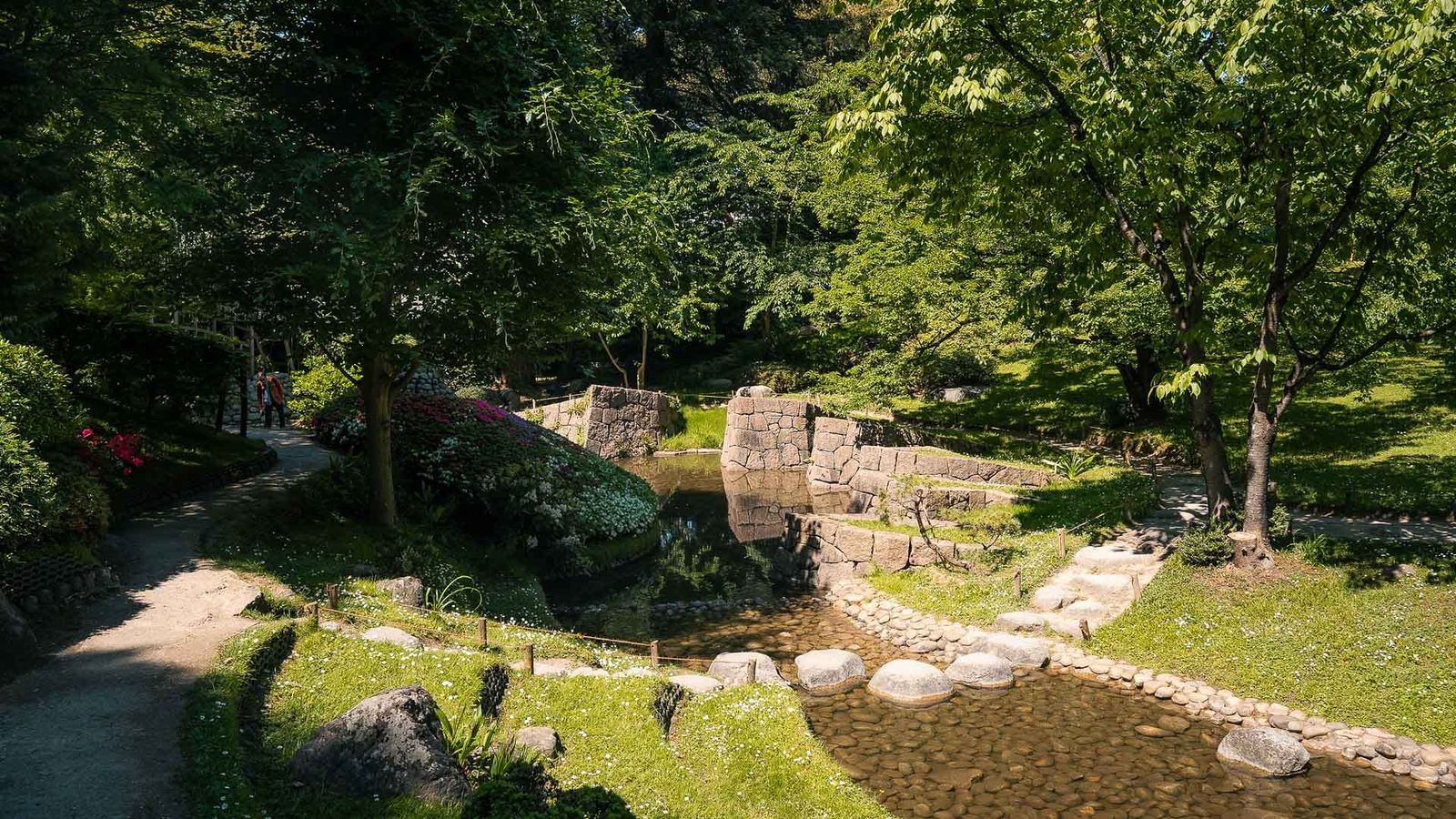
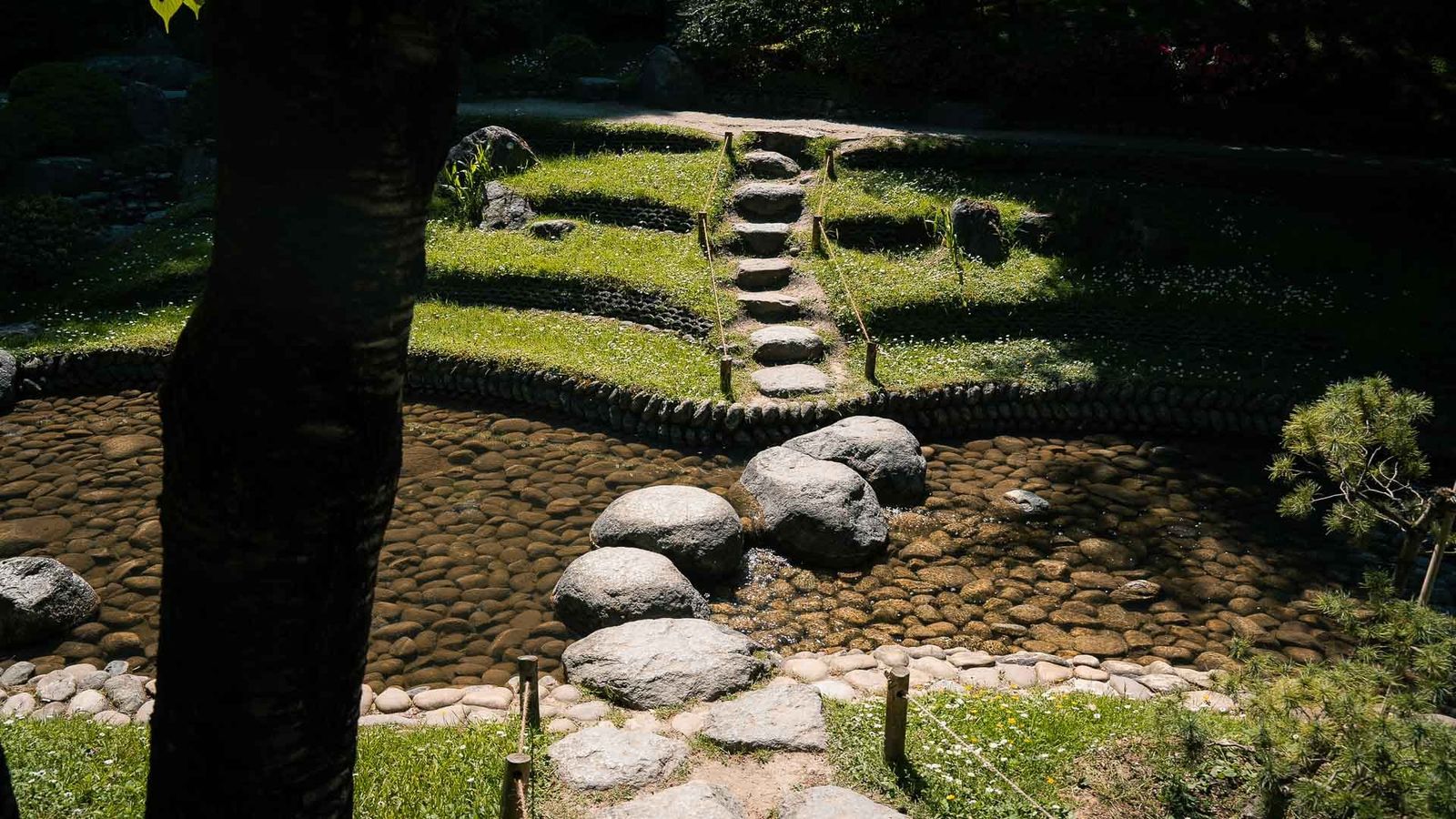
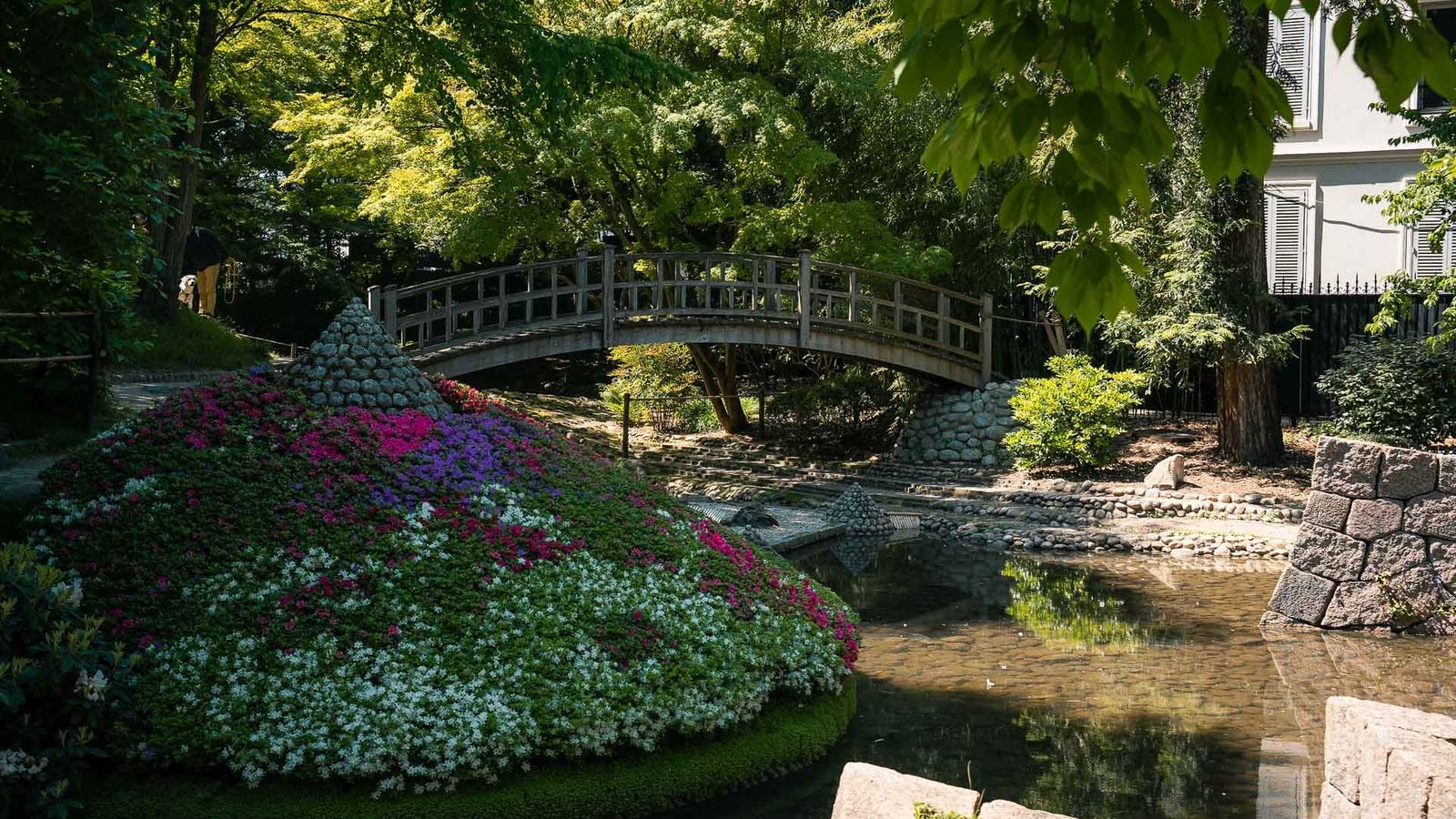
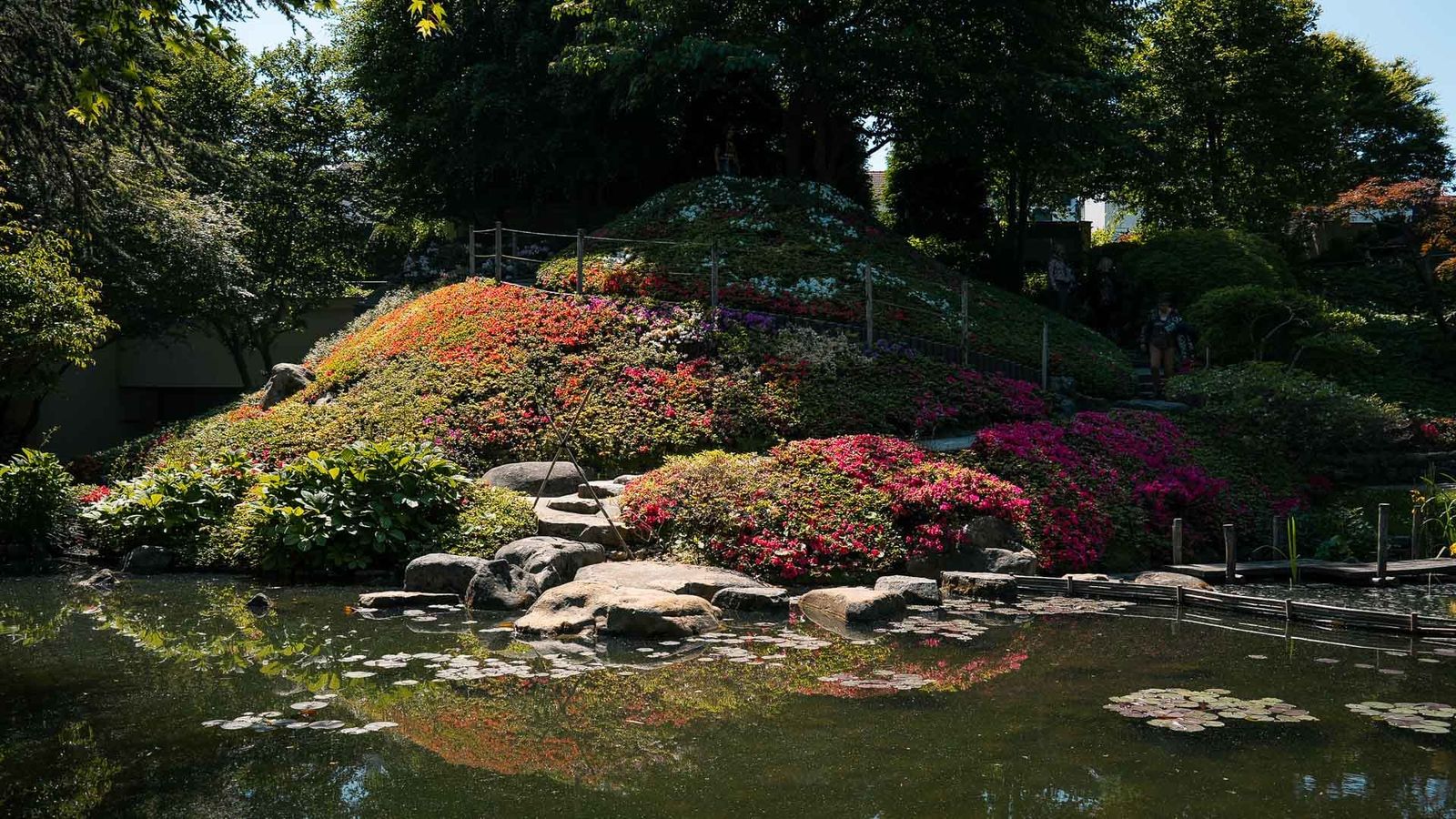
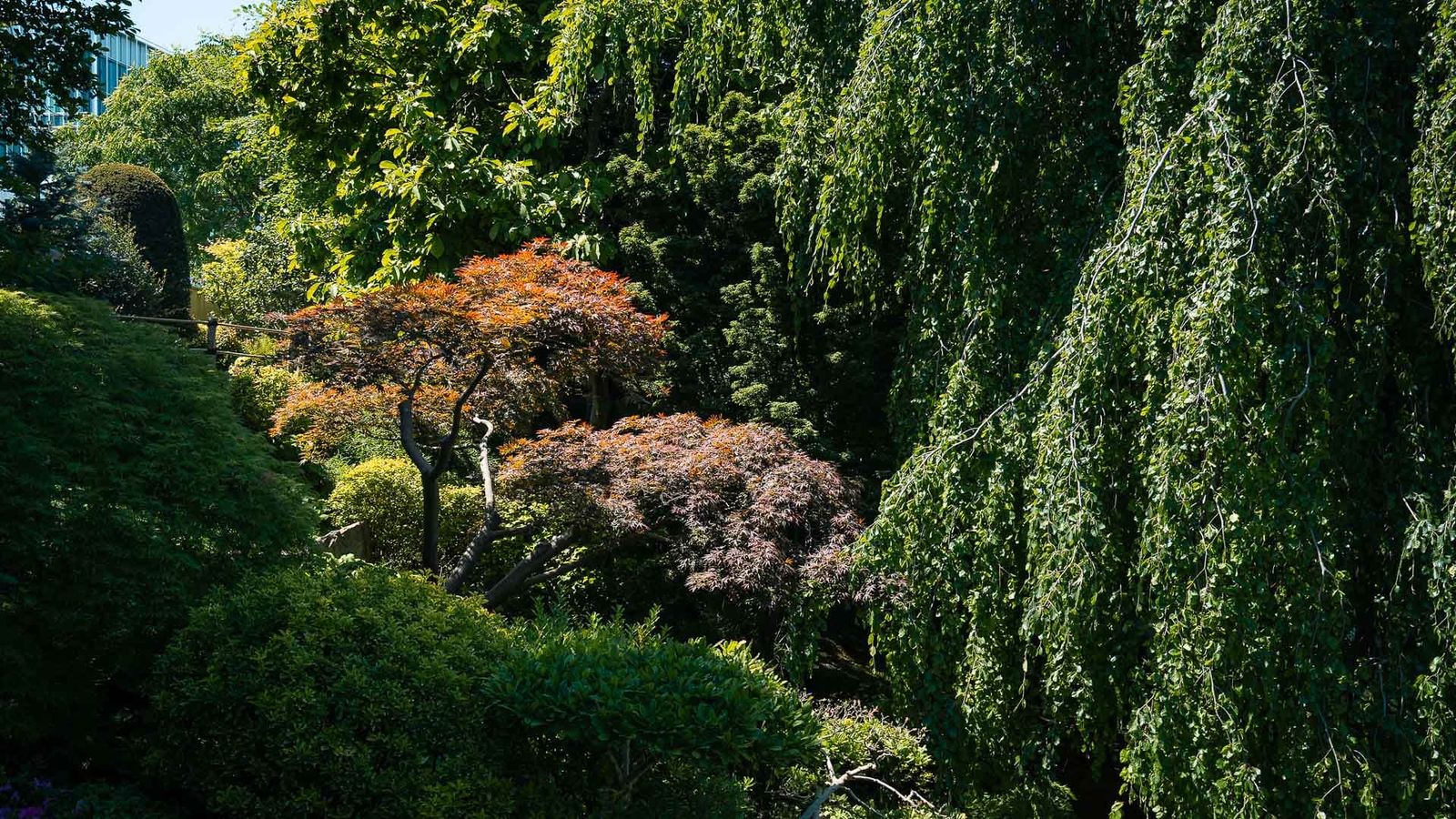
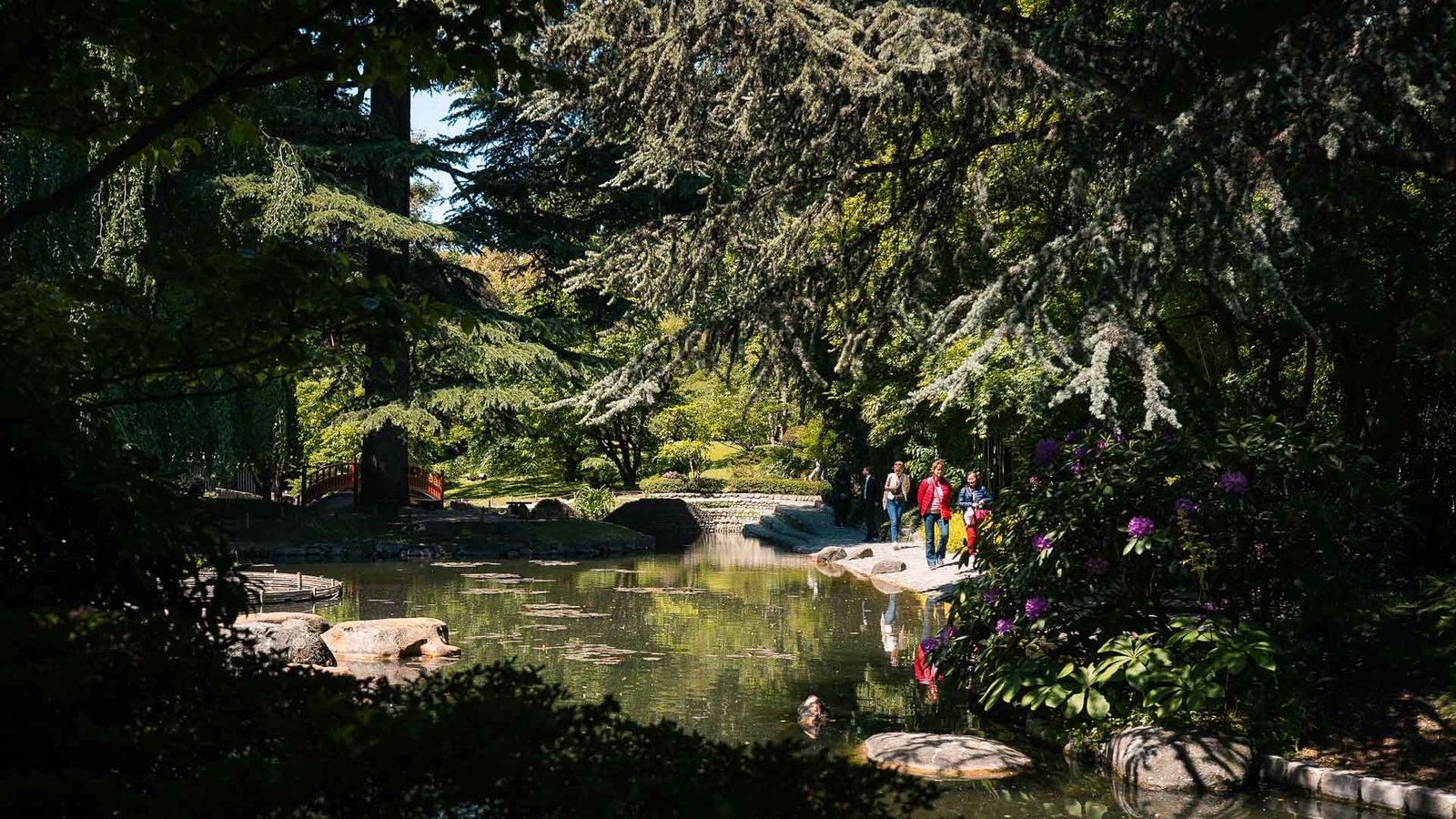
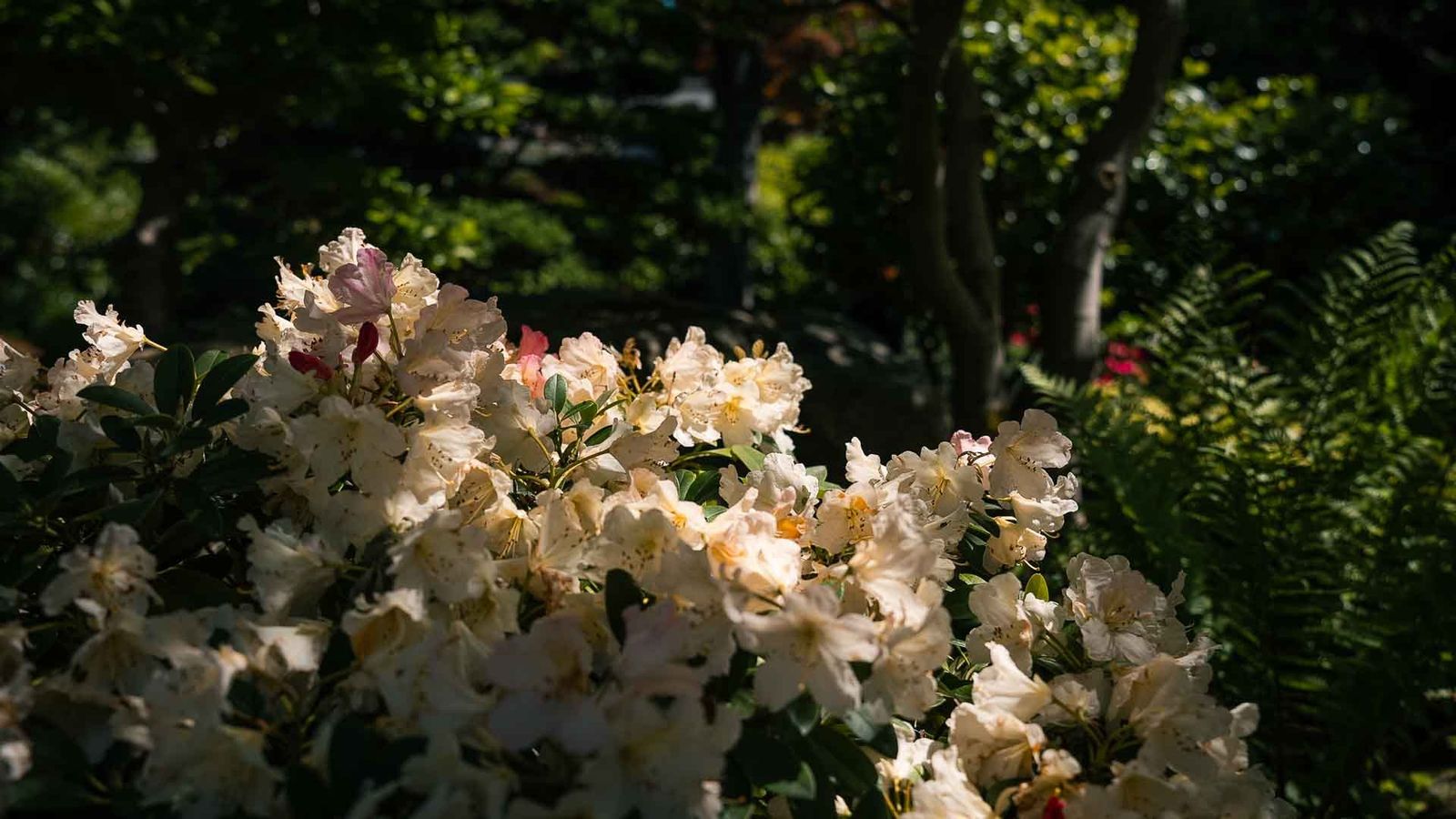
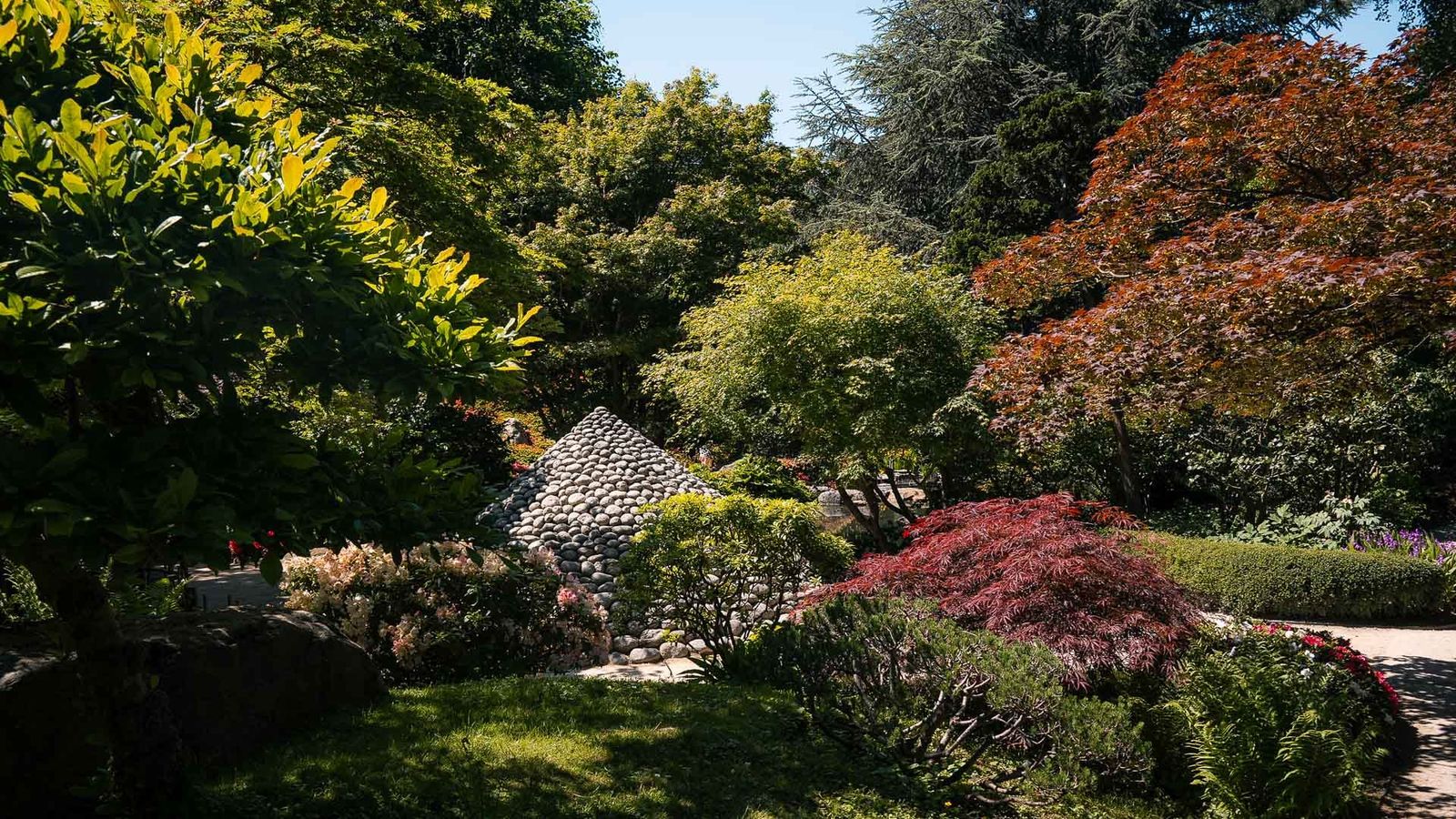
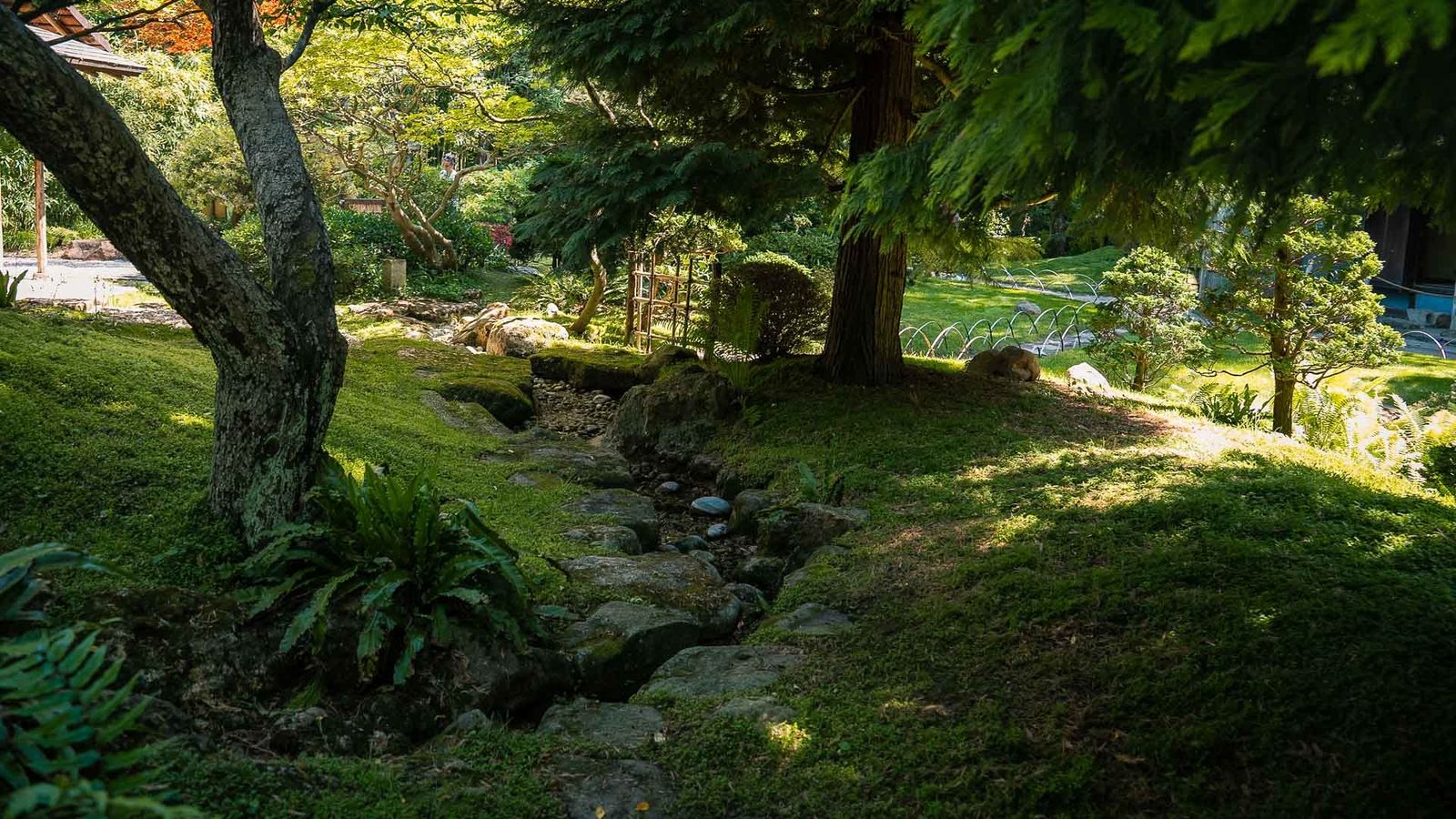
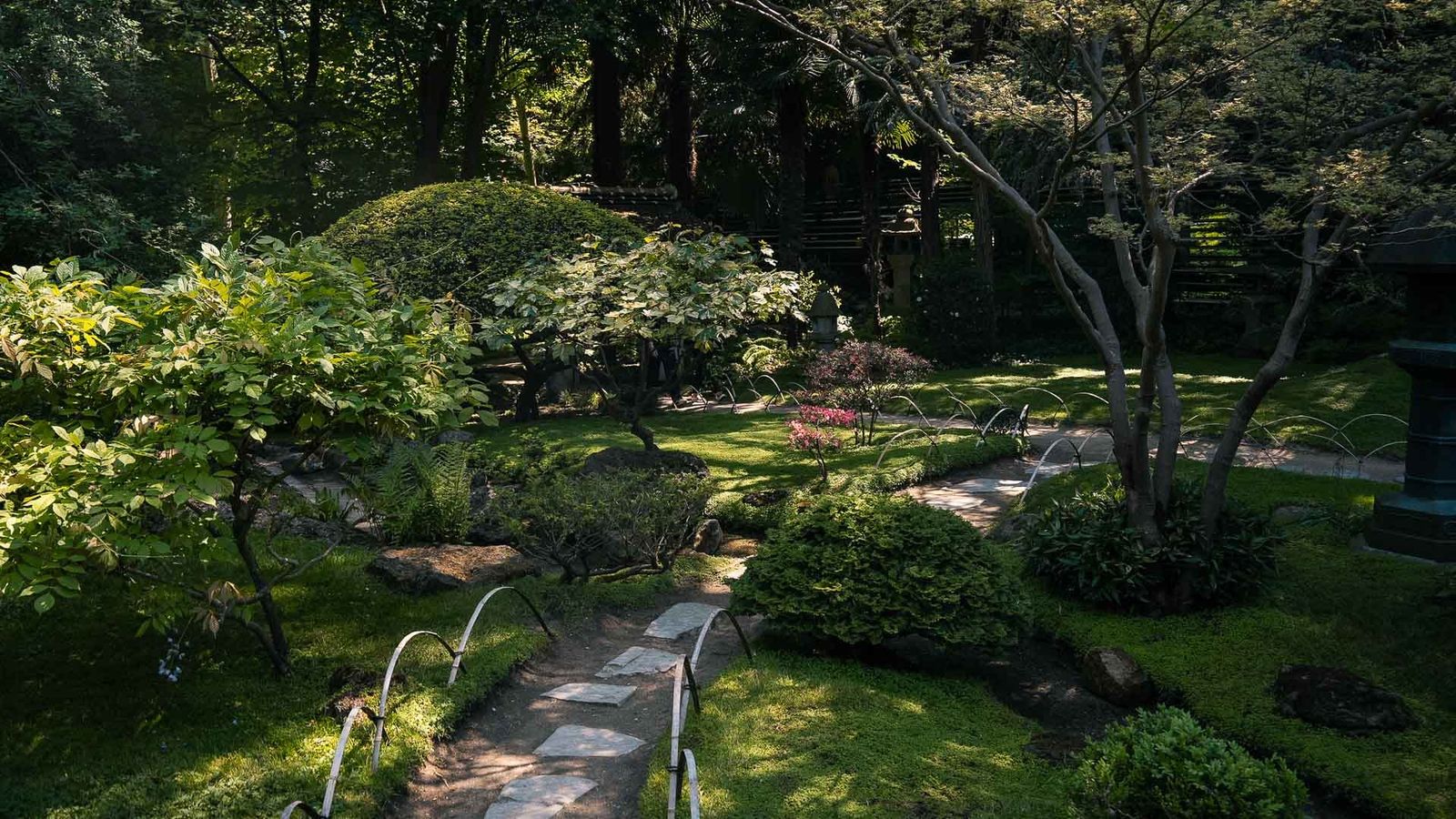
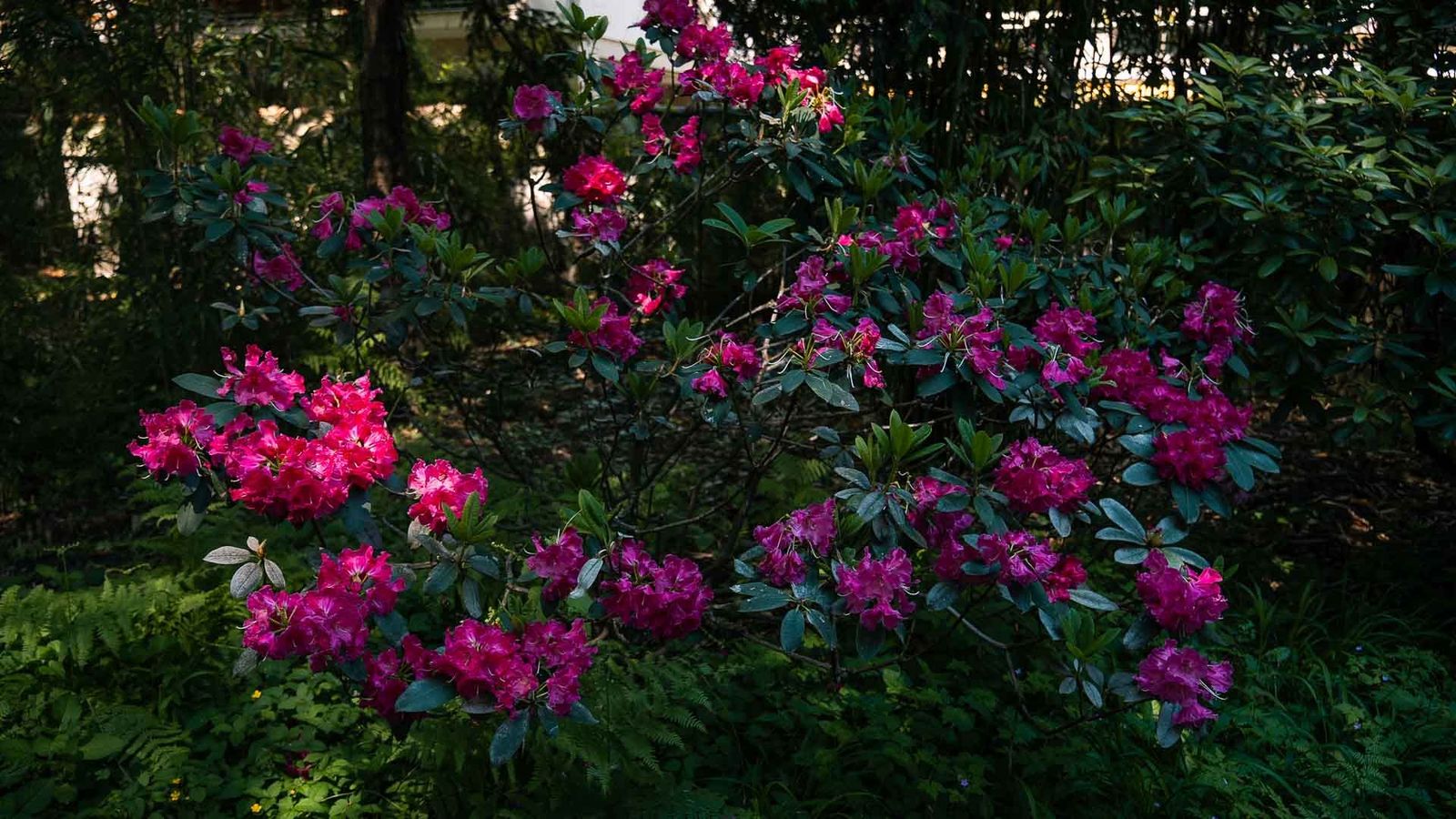
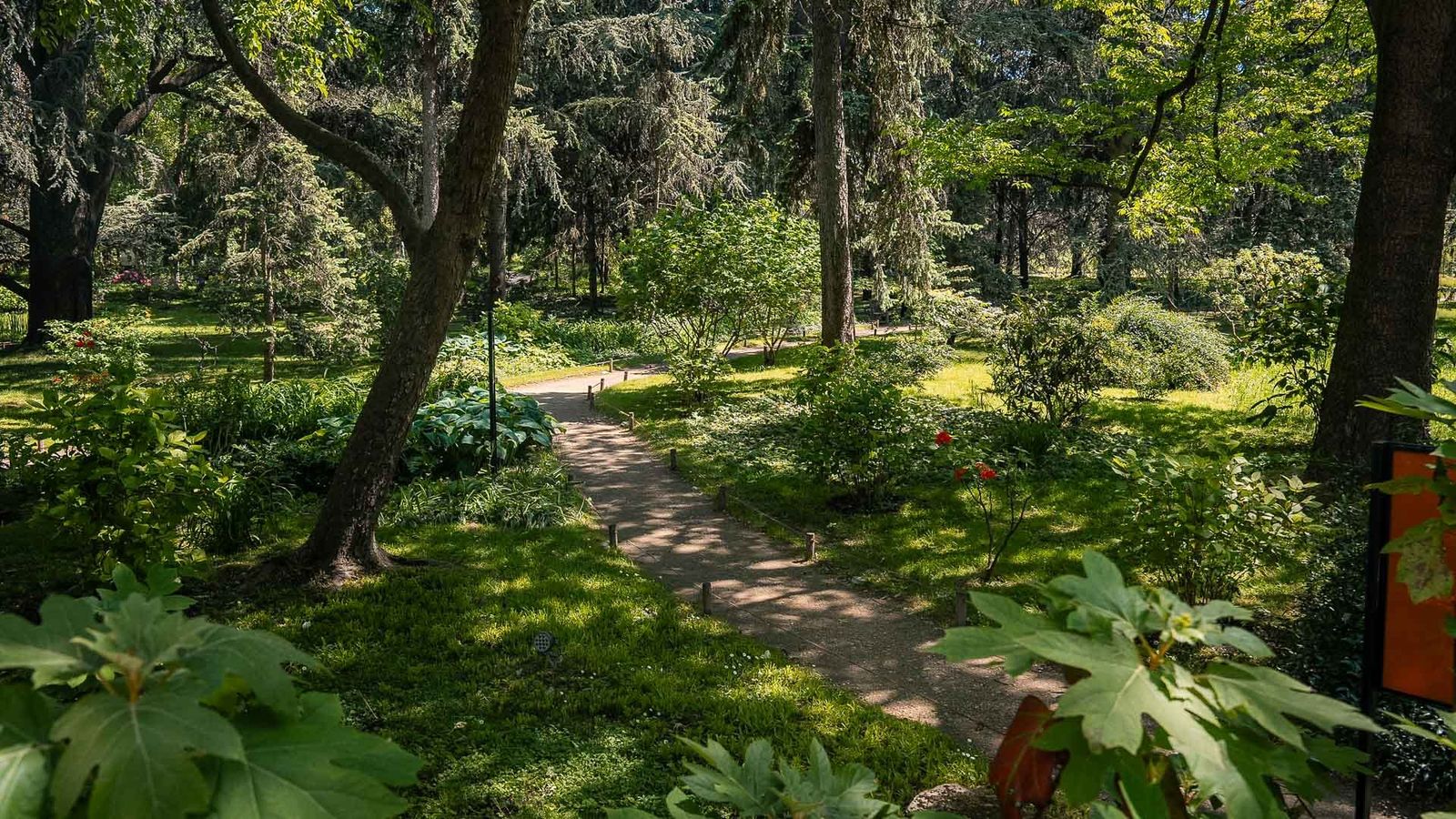
The modern Japanese garden added in 1990 by Fumiaki Takano incorporates two delicate wooden bridges, lush azaleas, and pebble-strewn streams that elegantly capture Japan’s seasonal beauty, offering an homage to Kahn’s legacy of cross-cultural respect.
A French Formal Garden: Classical Elegance and Symmetry
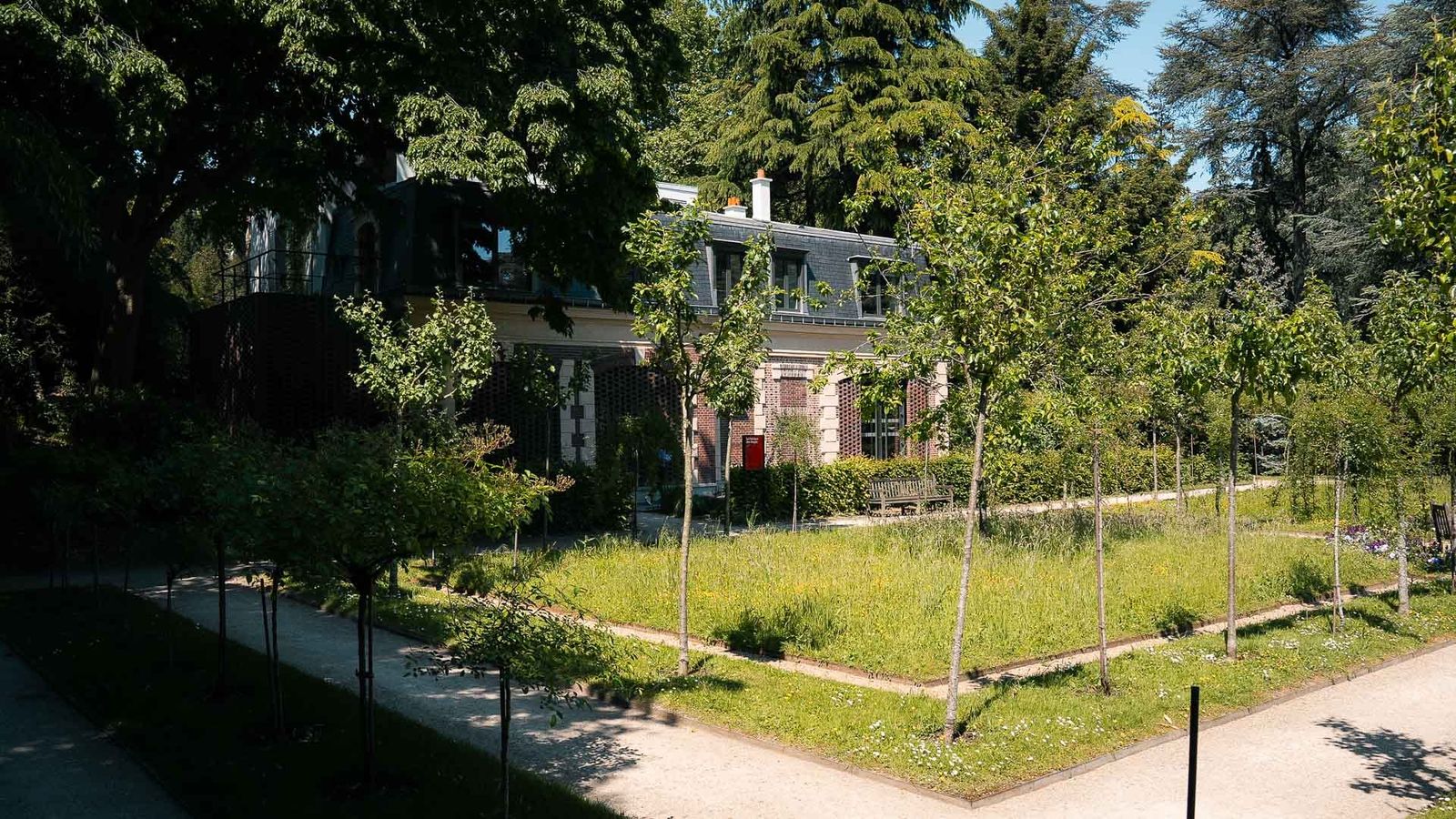
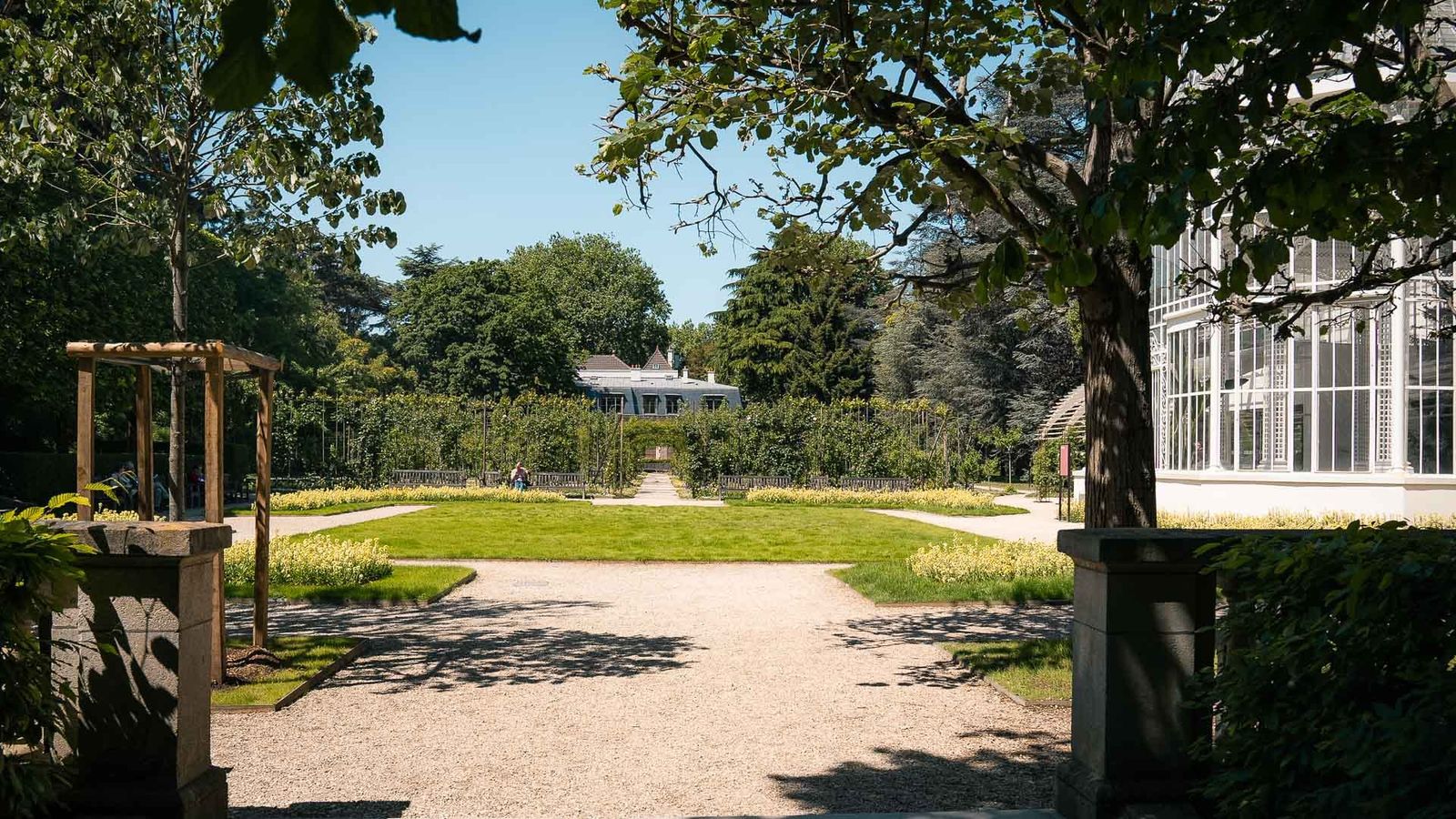
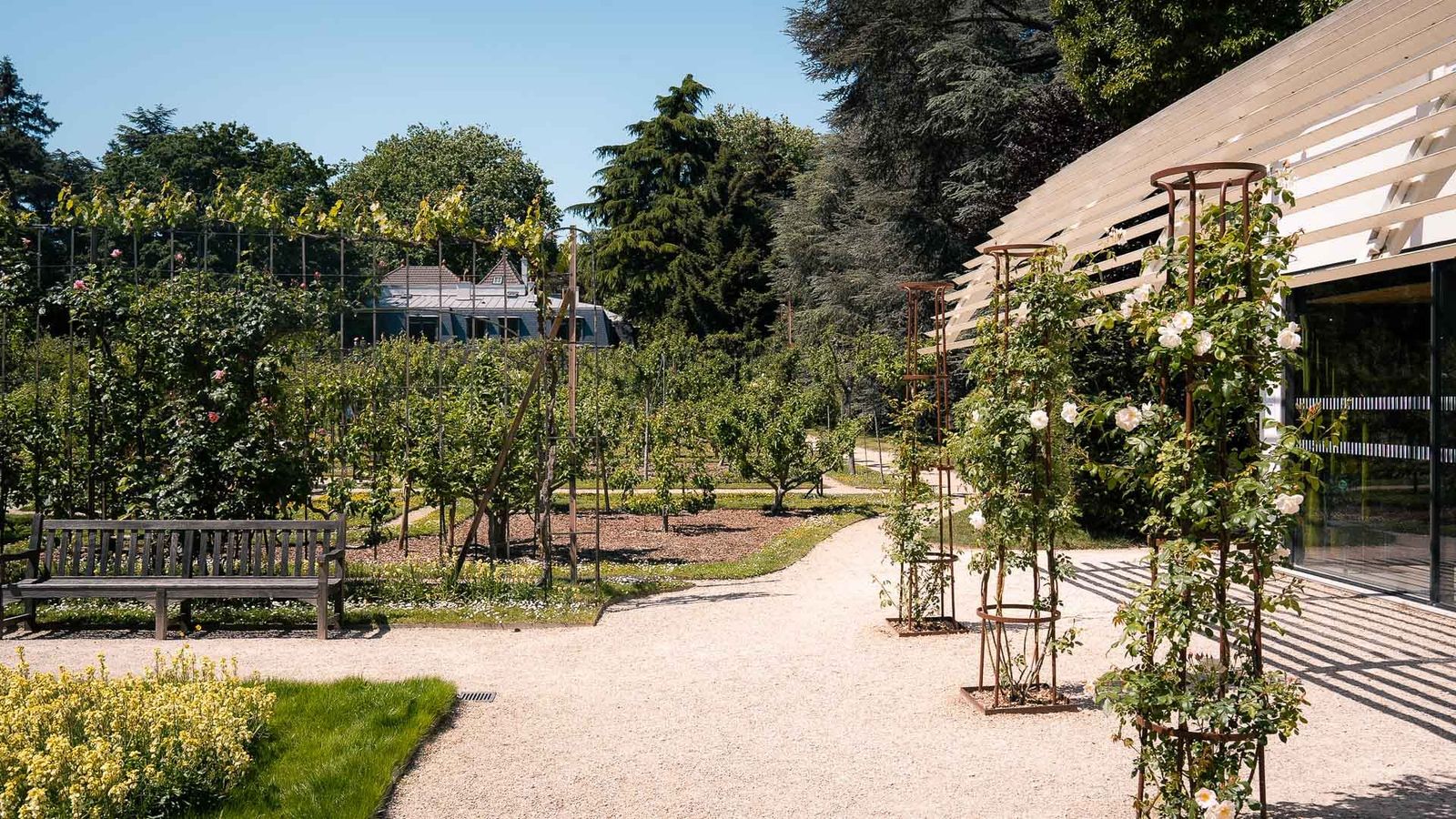
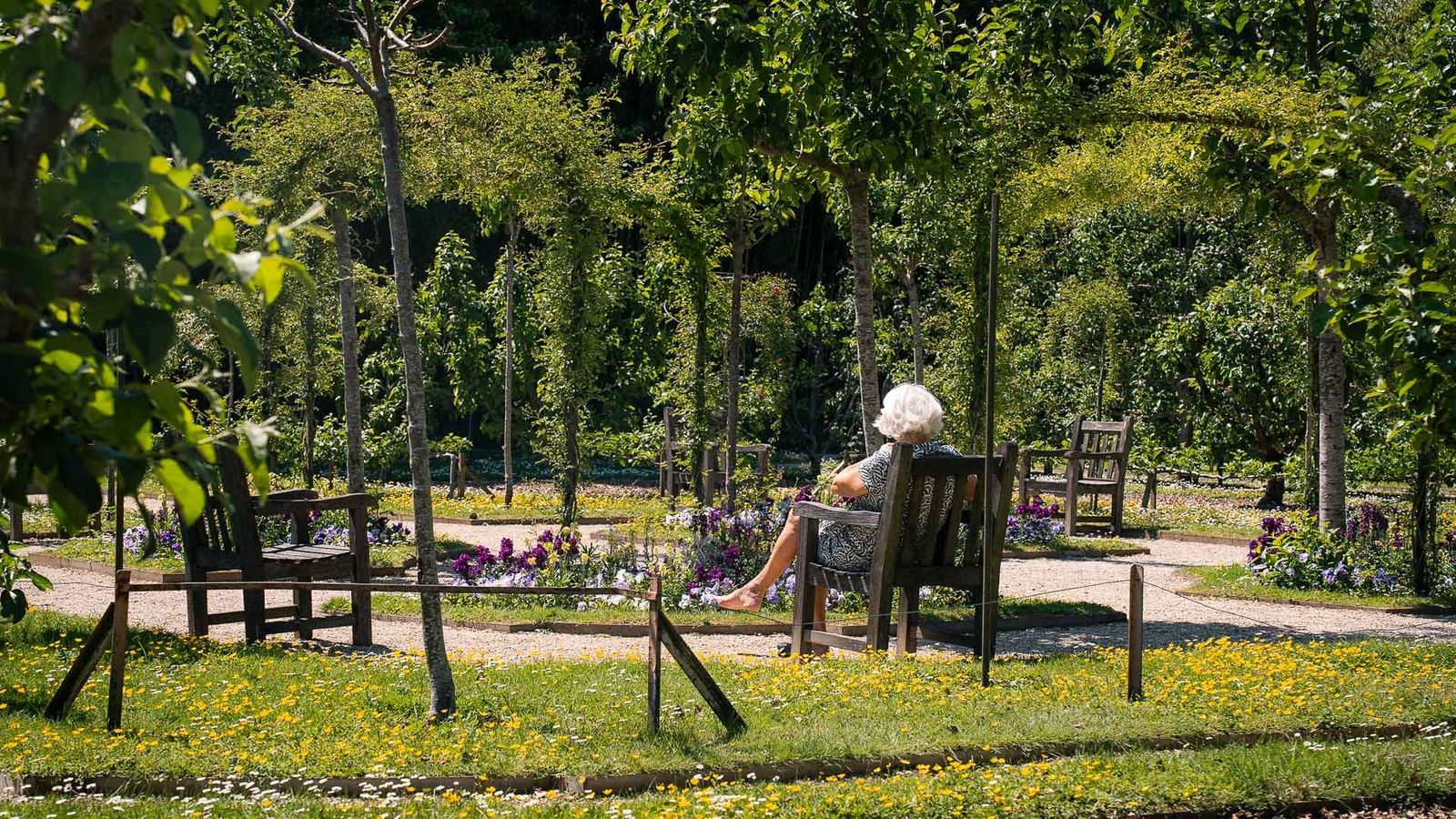
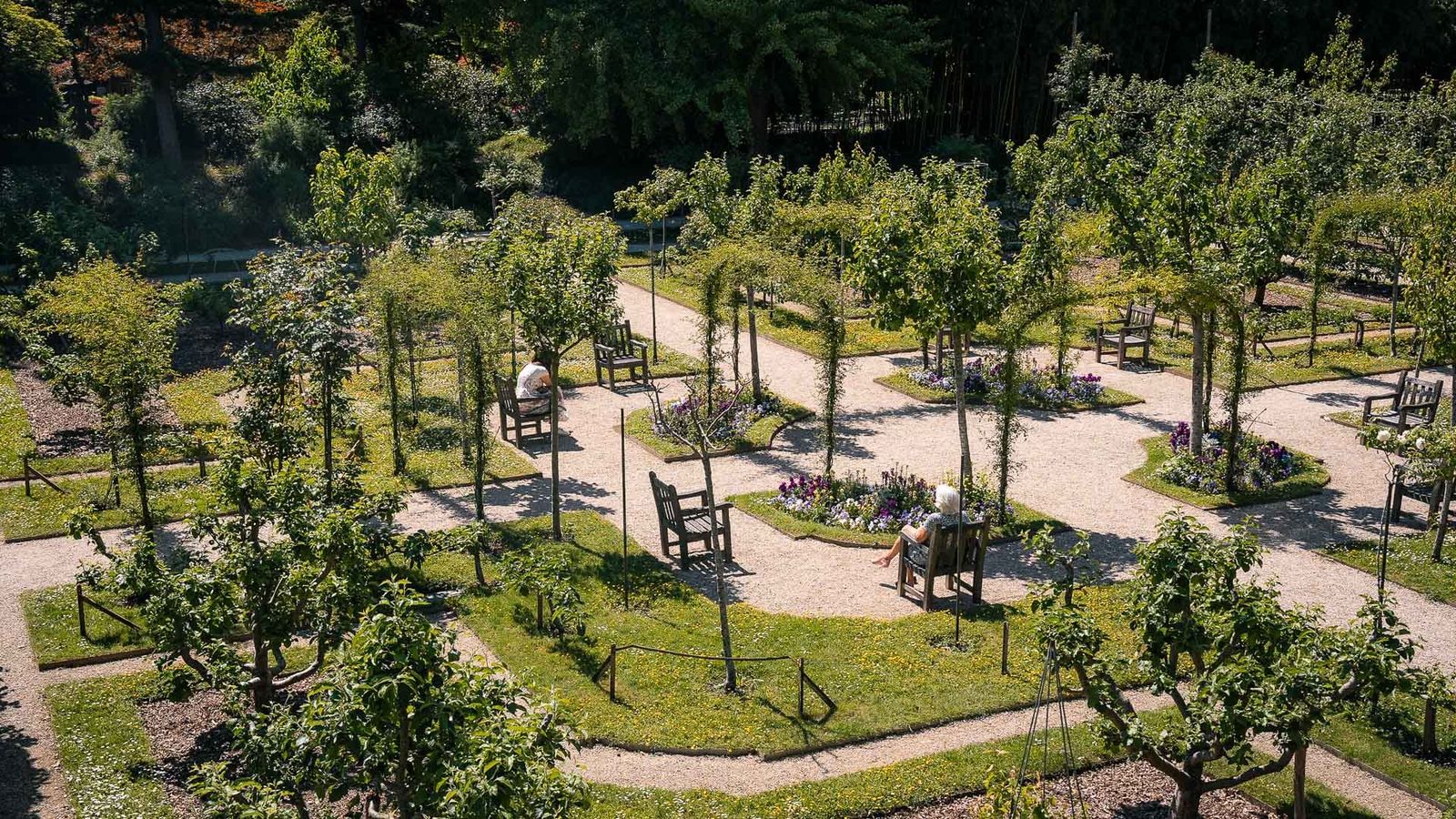
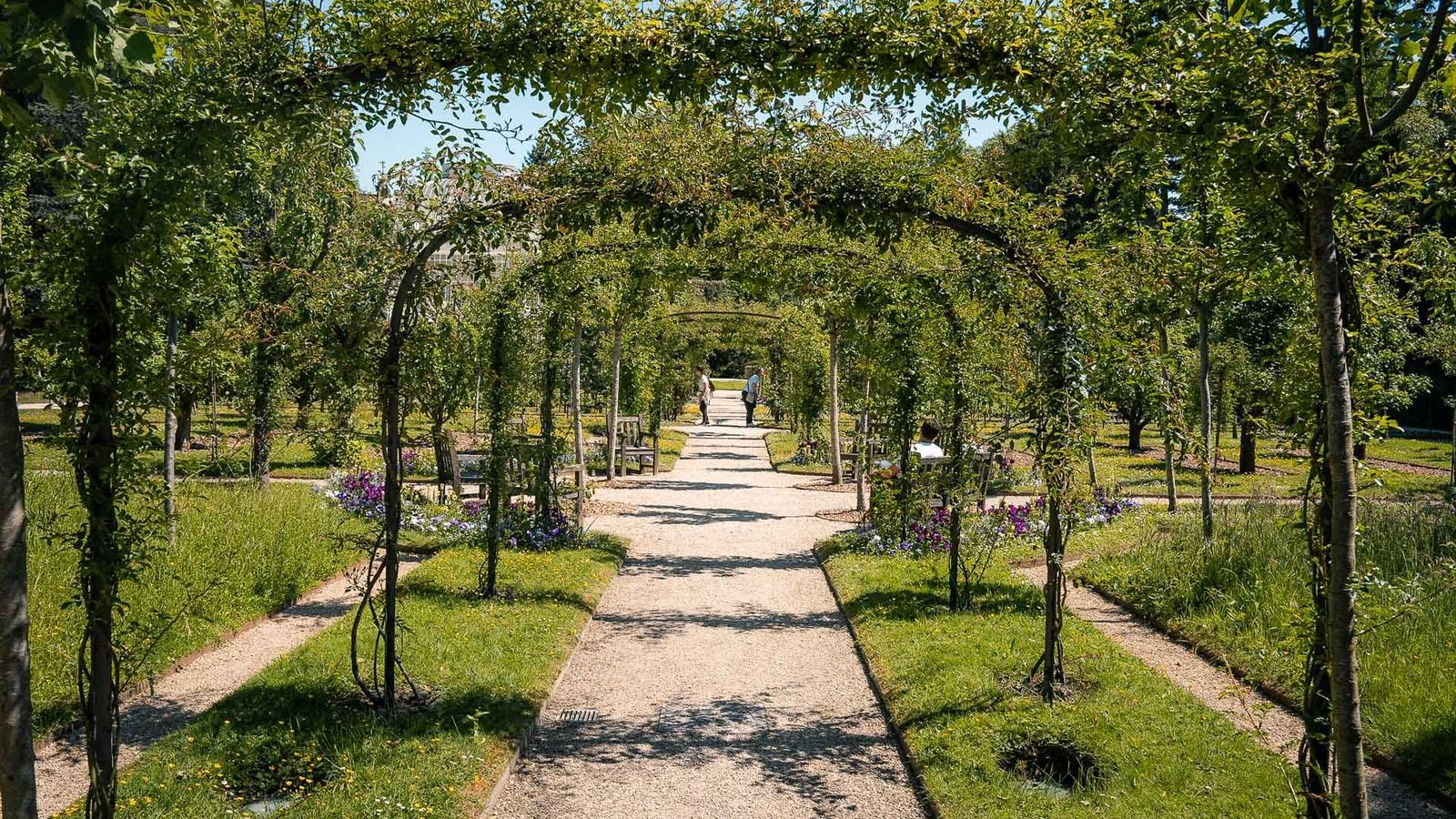
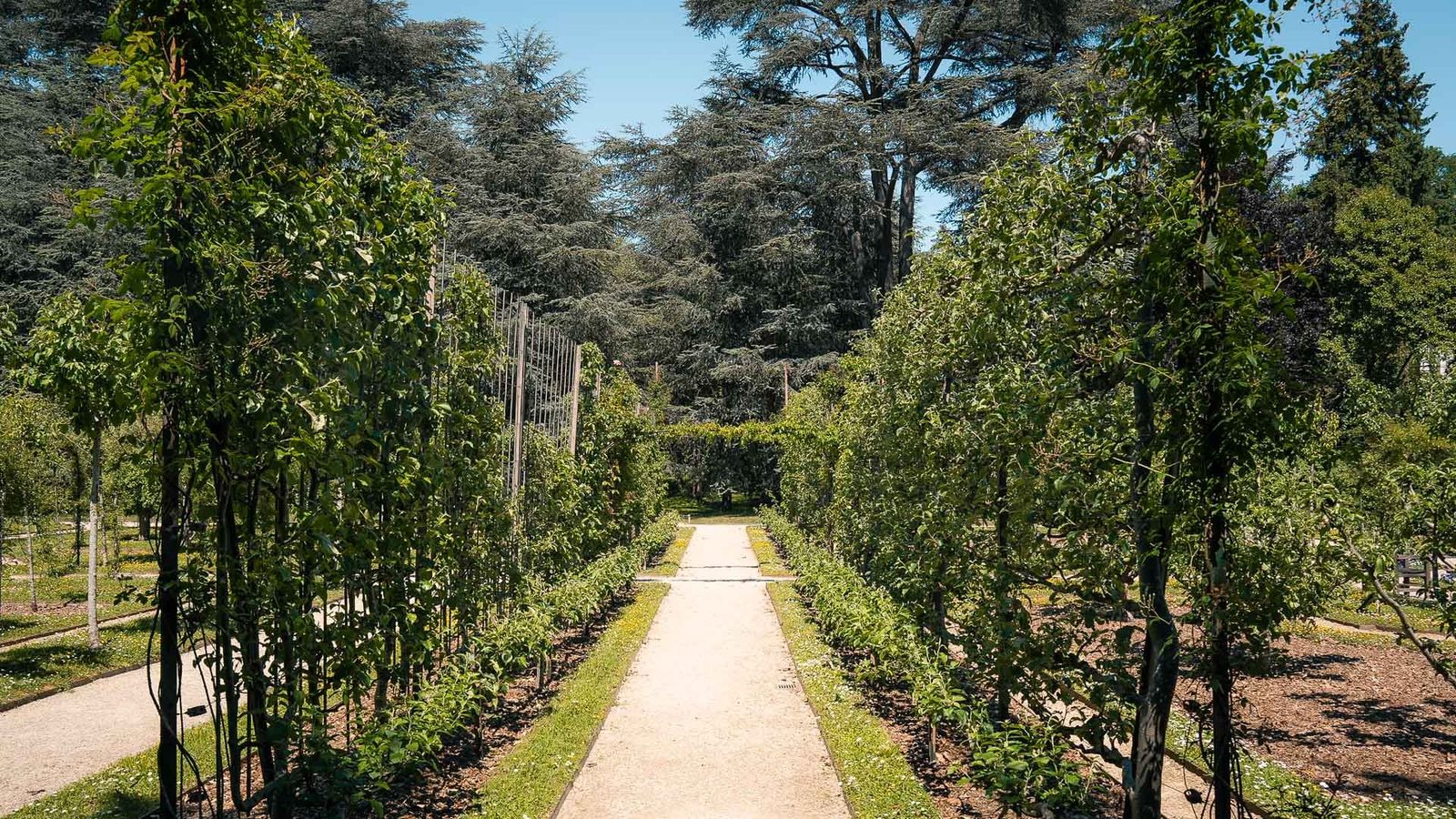
Designed in 1895 by celebrated landscape architects Henri and Achille Duchêne, the French formal garden is a verdant salon of symmetry, featuring pruned fruit trees, classic rose varieties, and geometric flowerbeds that speak to the garden’s refined elegance.
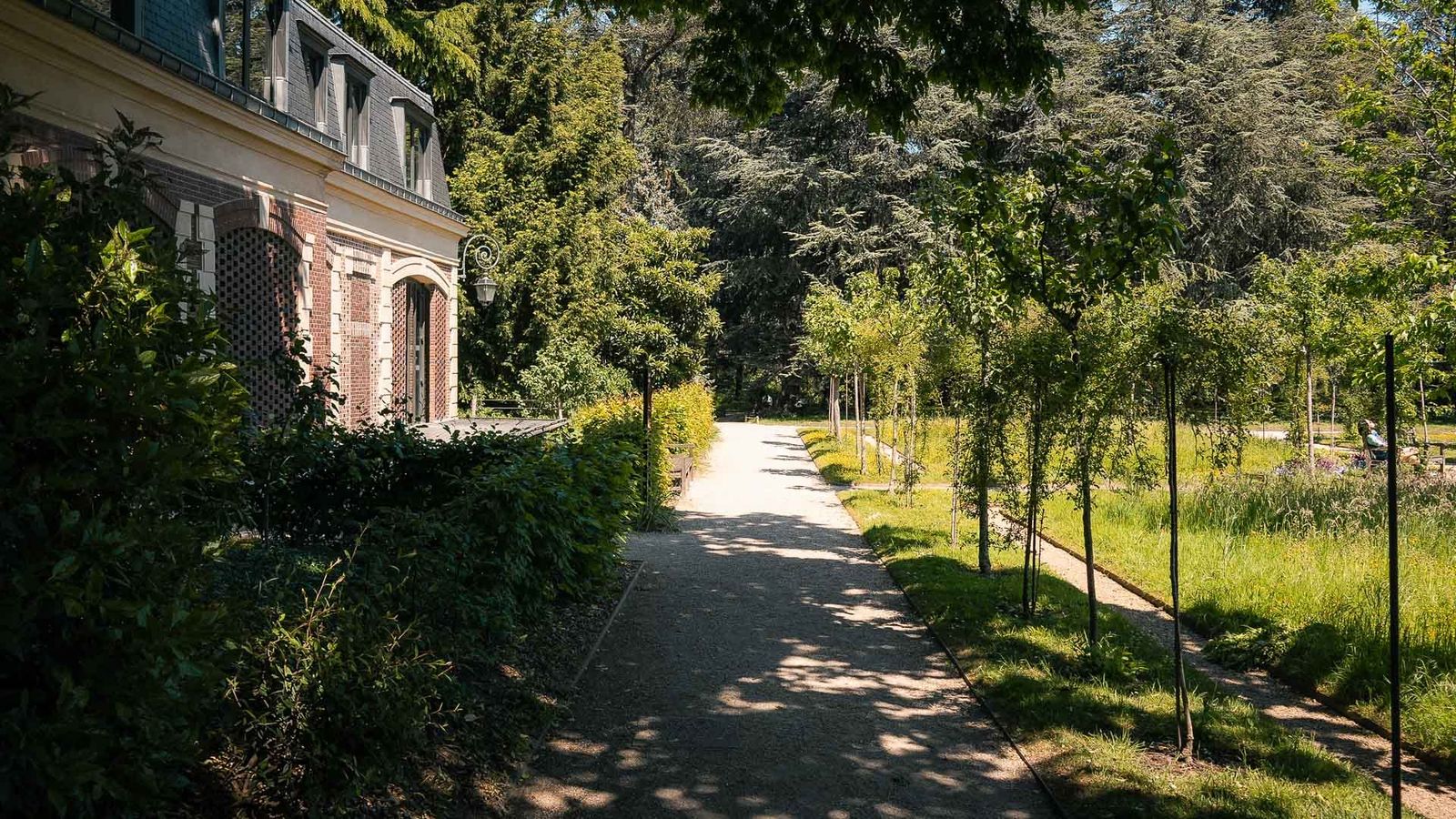
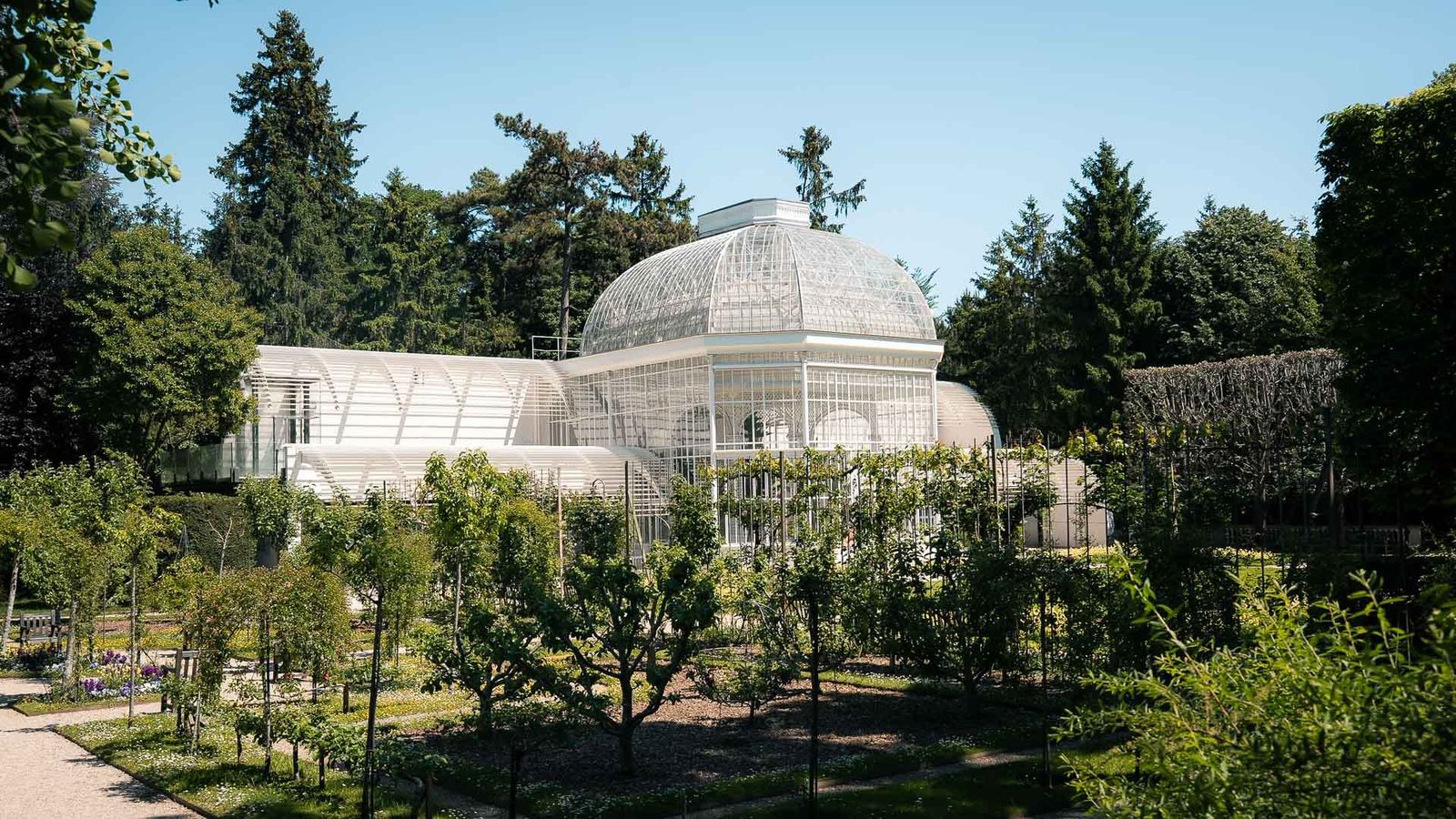
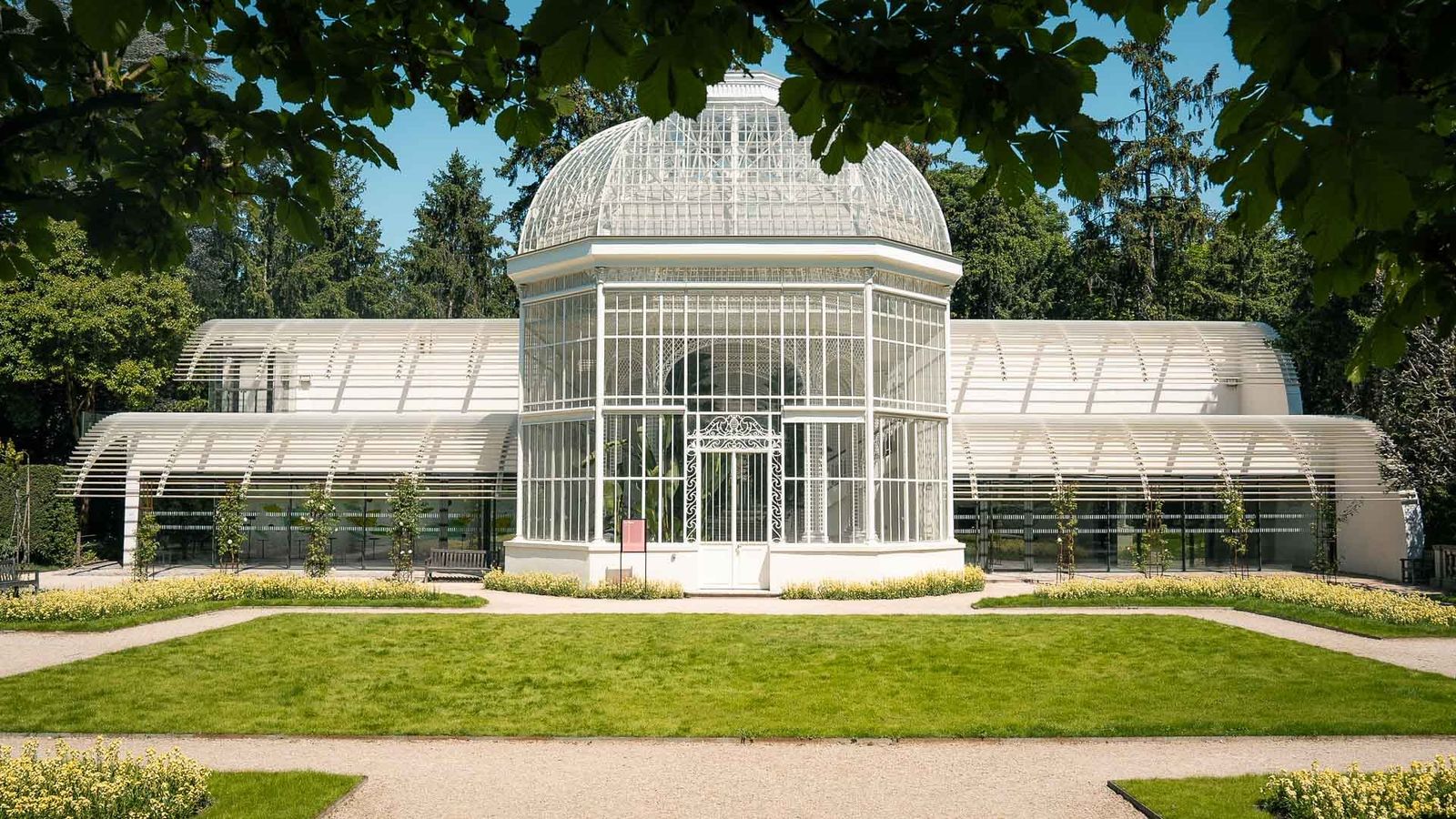
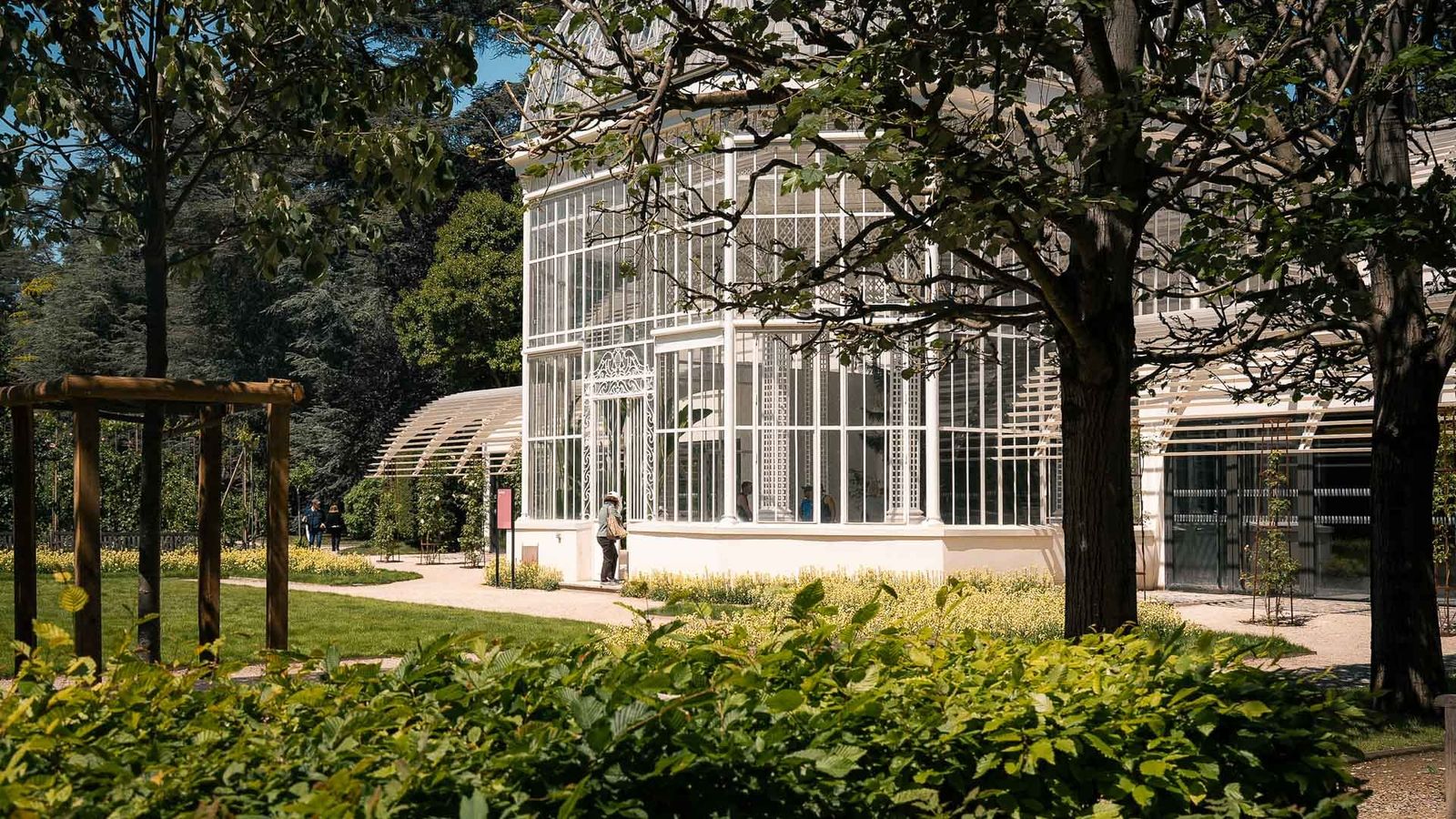
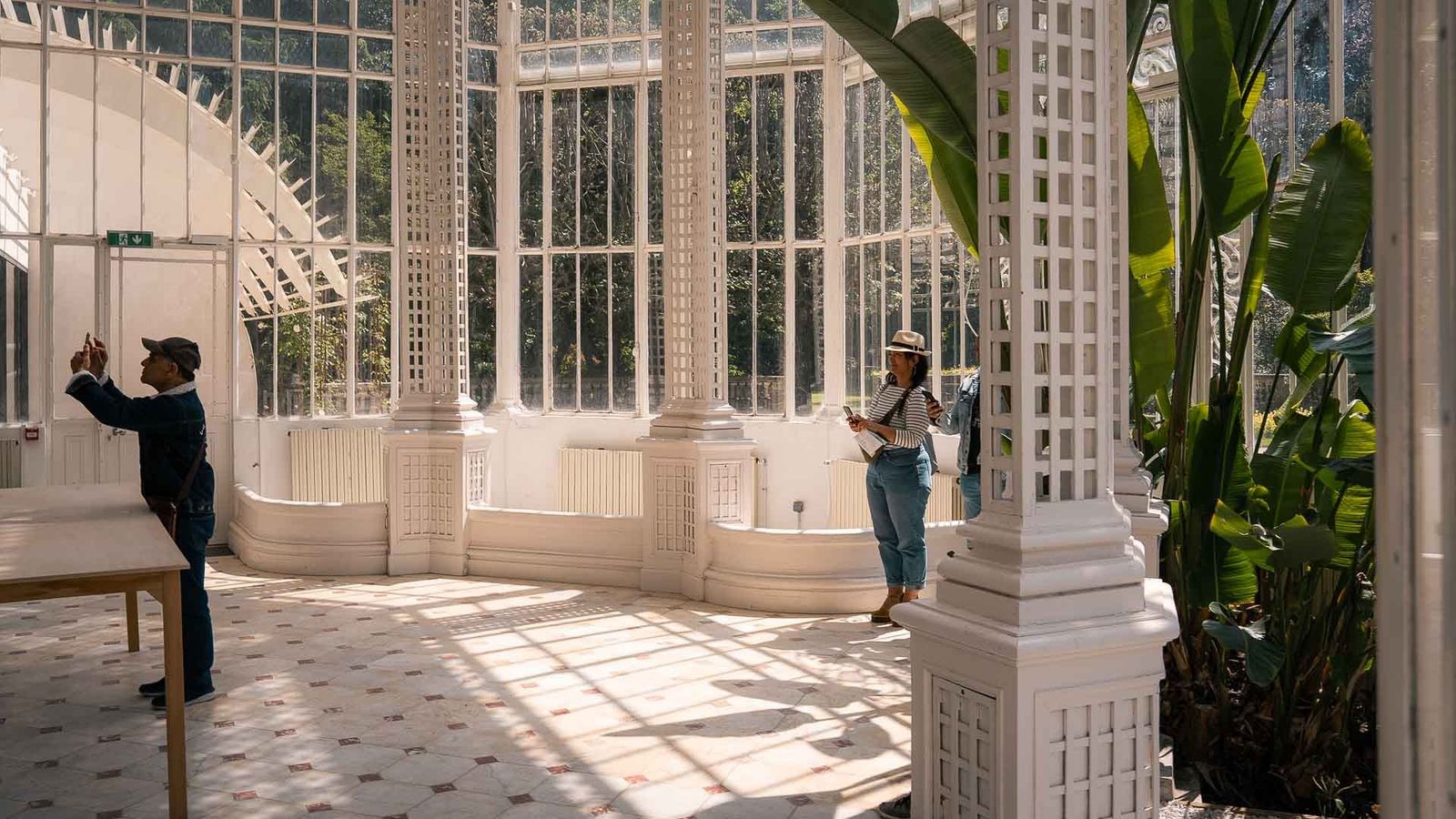
The heart of this section is a green winter salon, where meticulously trimmed plants and flowering borders converge before a traditional conservatory—a display of French gardening heritage that contrasts with Kahn’s more informal, eclectic creations.
An English Landscape: Lush Meadows and Majestic Trees
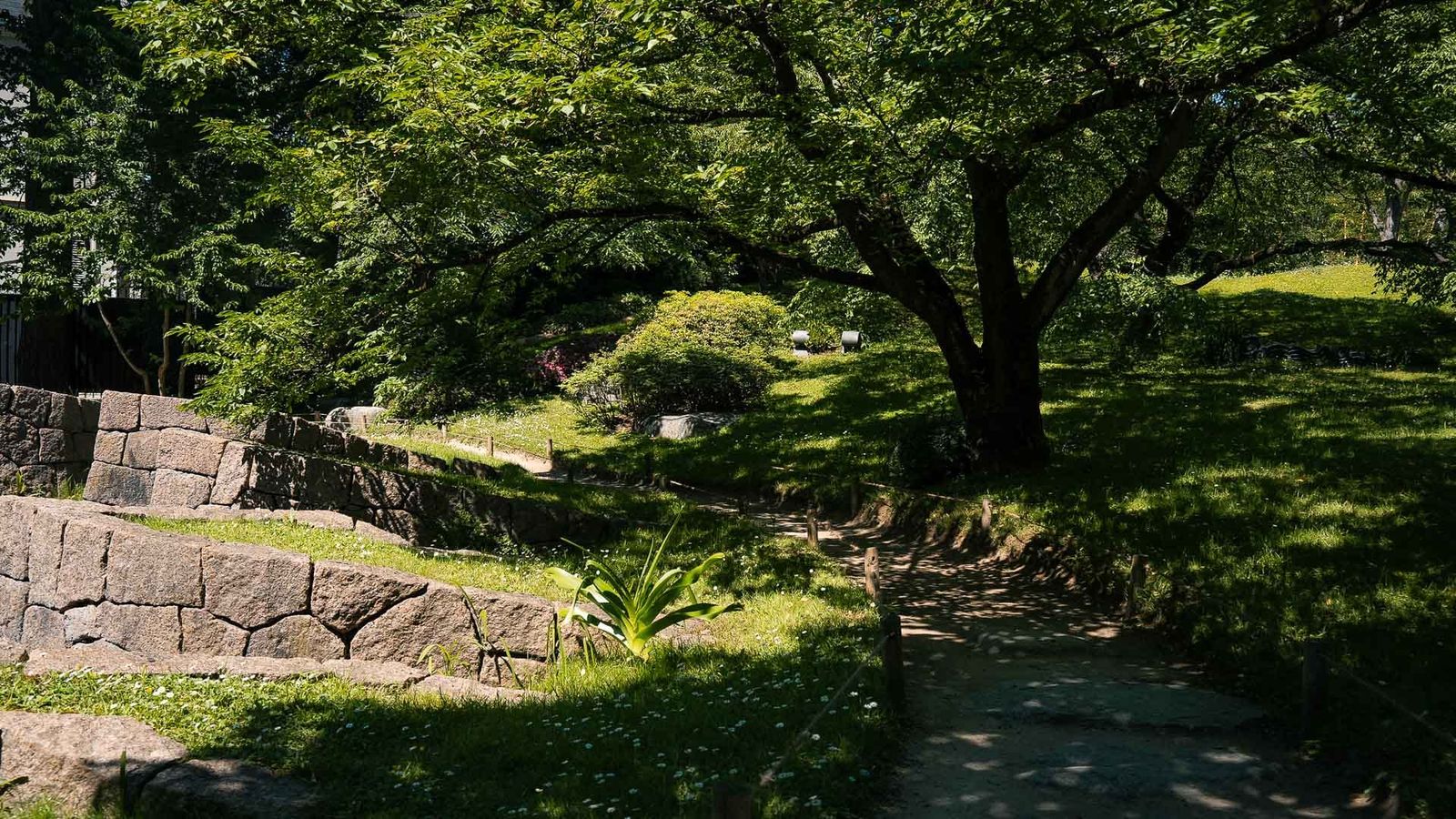
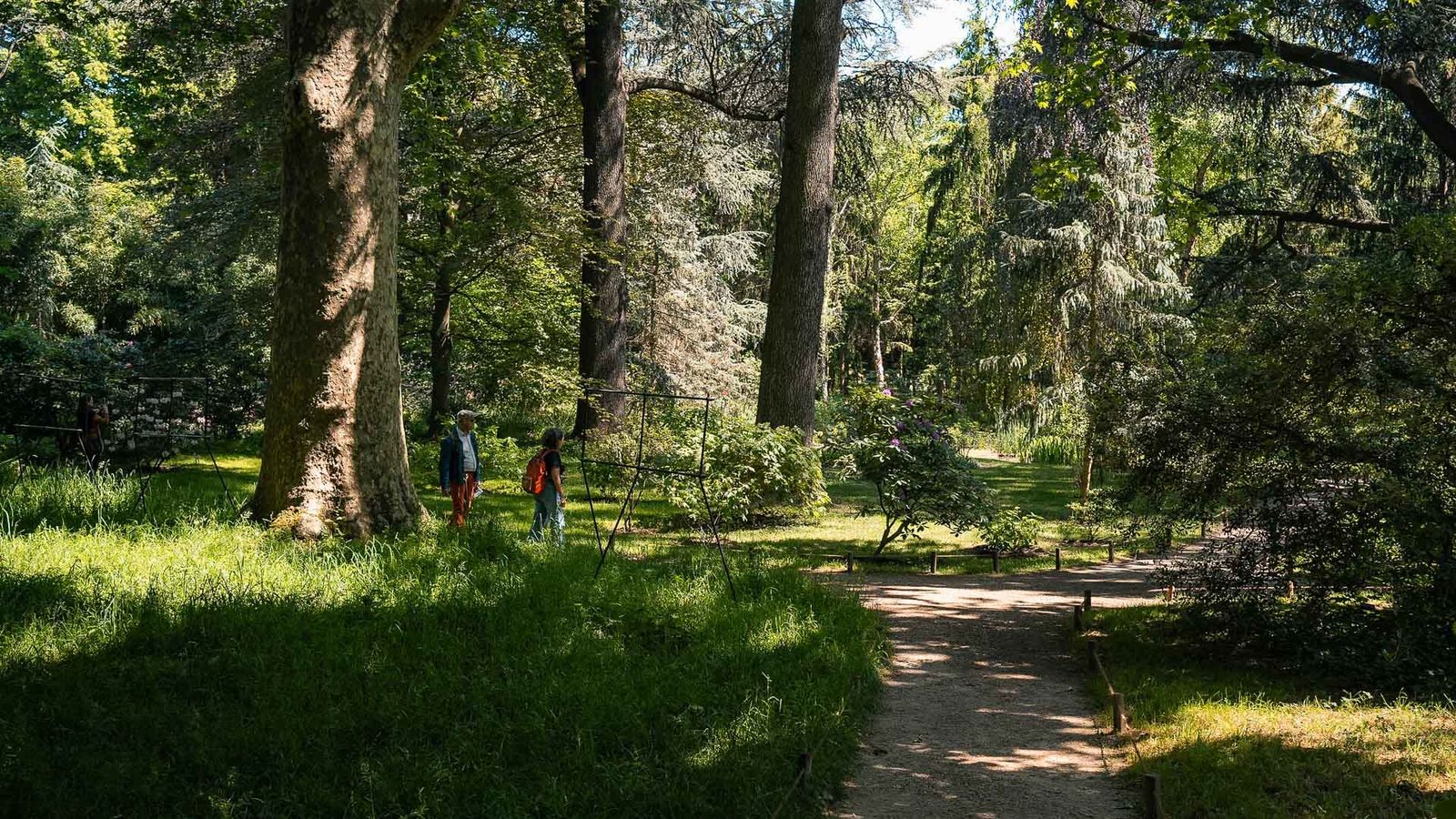
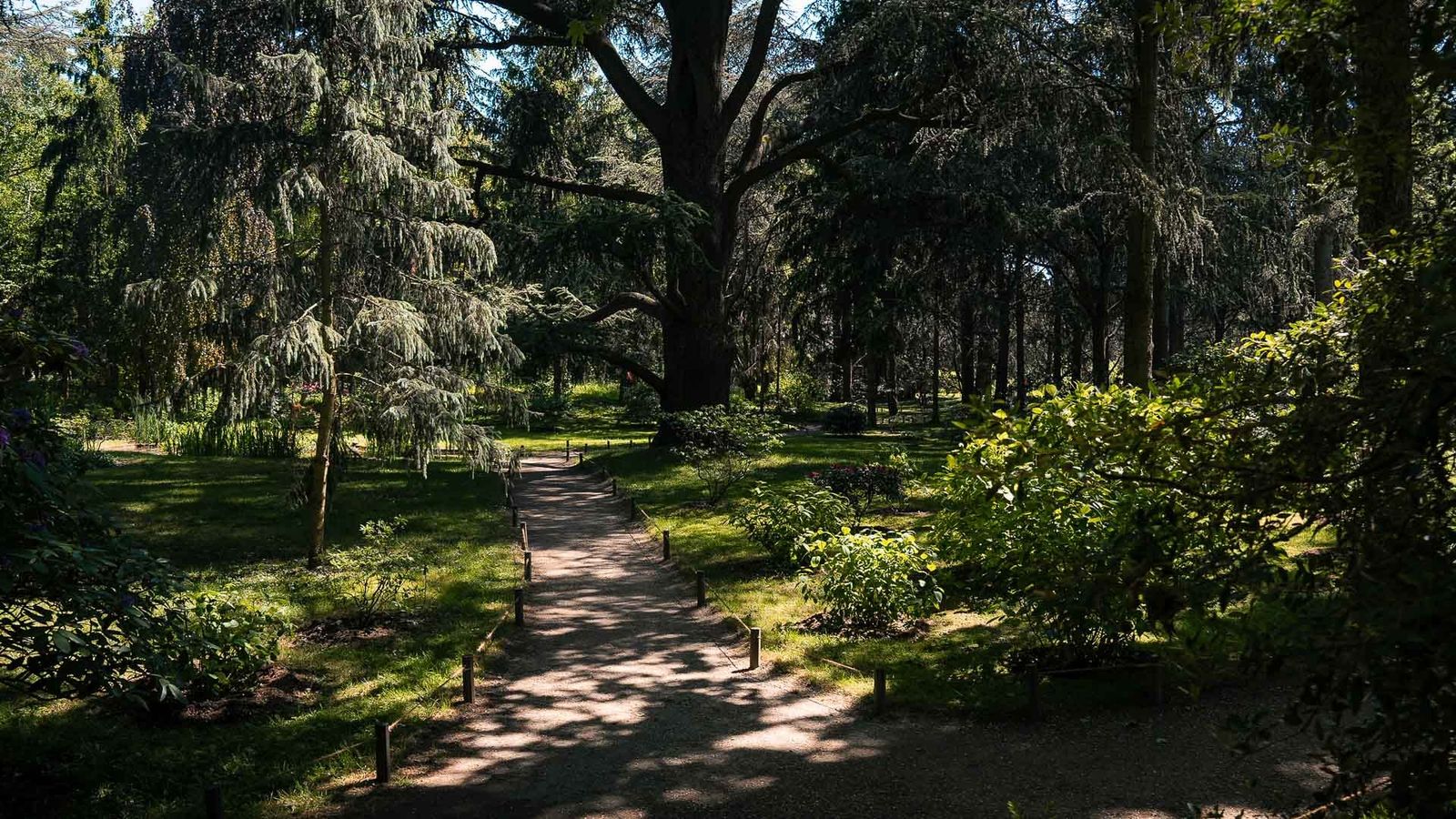
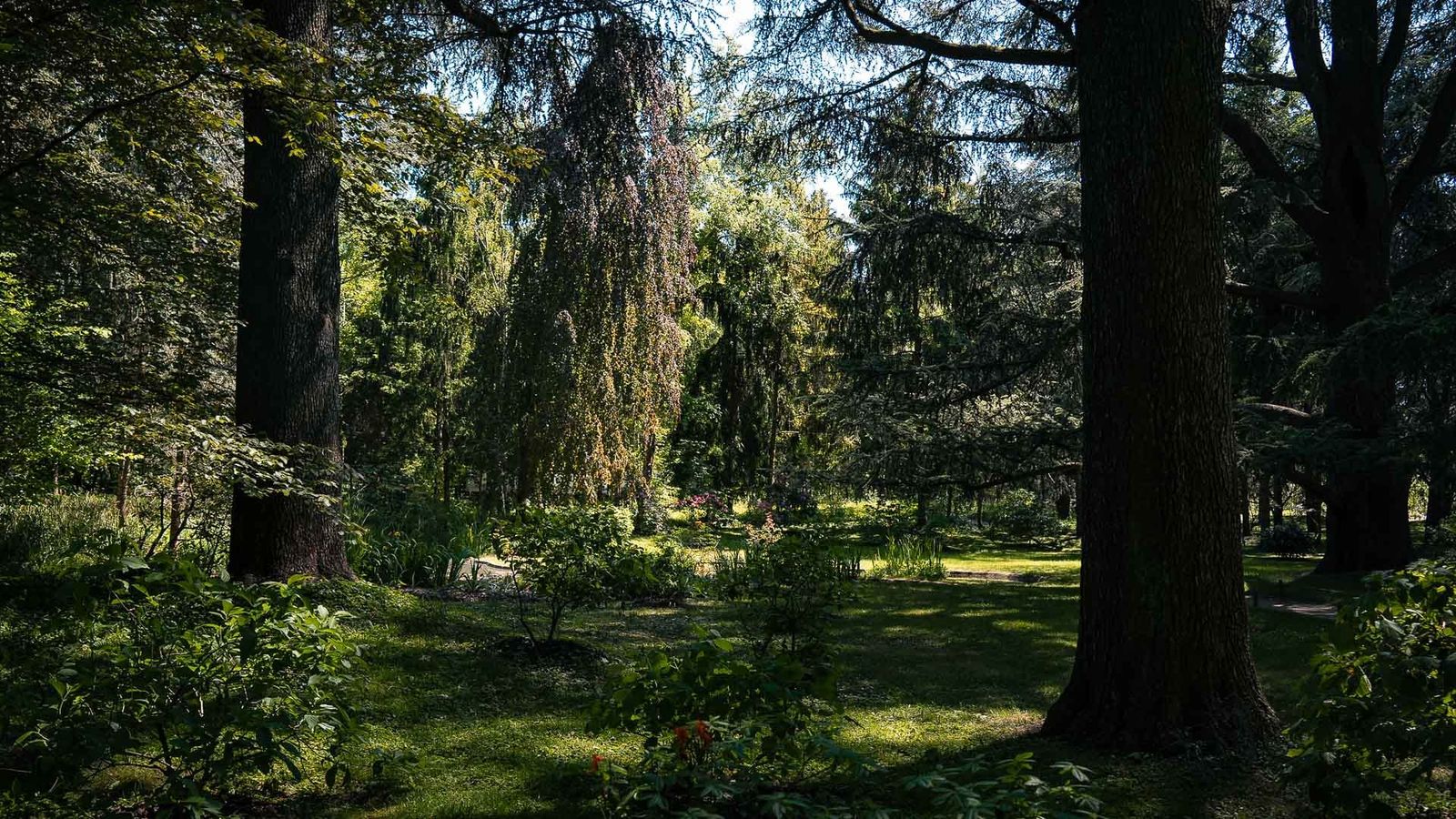
The English garden flows organically with sweeping lawns, rustic cottages, and a winding river. Large trees, including sequoias, ginkgoes, and Virginian tulip trees, punctuate the scene, inviting visitors to stroll under a canopy of diverse and mature greenery.
The design’s naturalistic charm reflects Kahn’s affinity for botanical richness and presents a relaxing, pastoral landscape.
A Memory of Home: The Vosges Forest and Woodland Enclosures
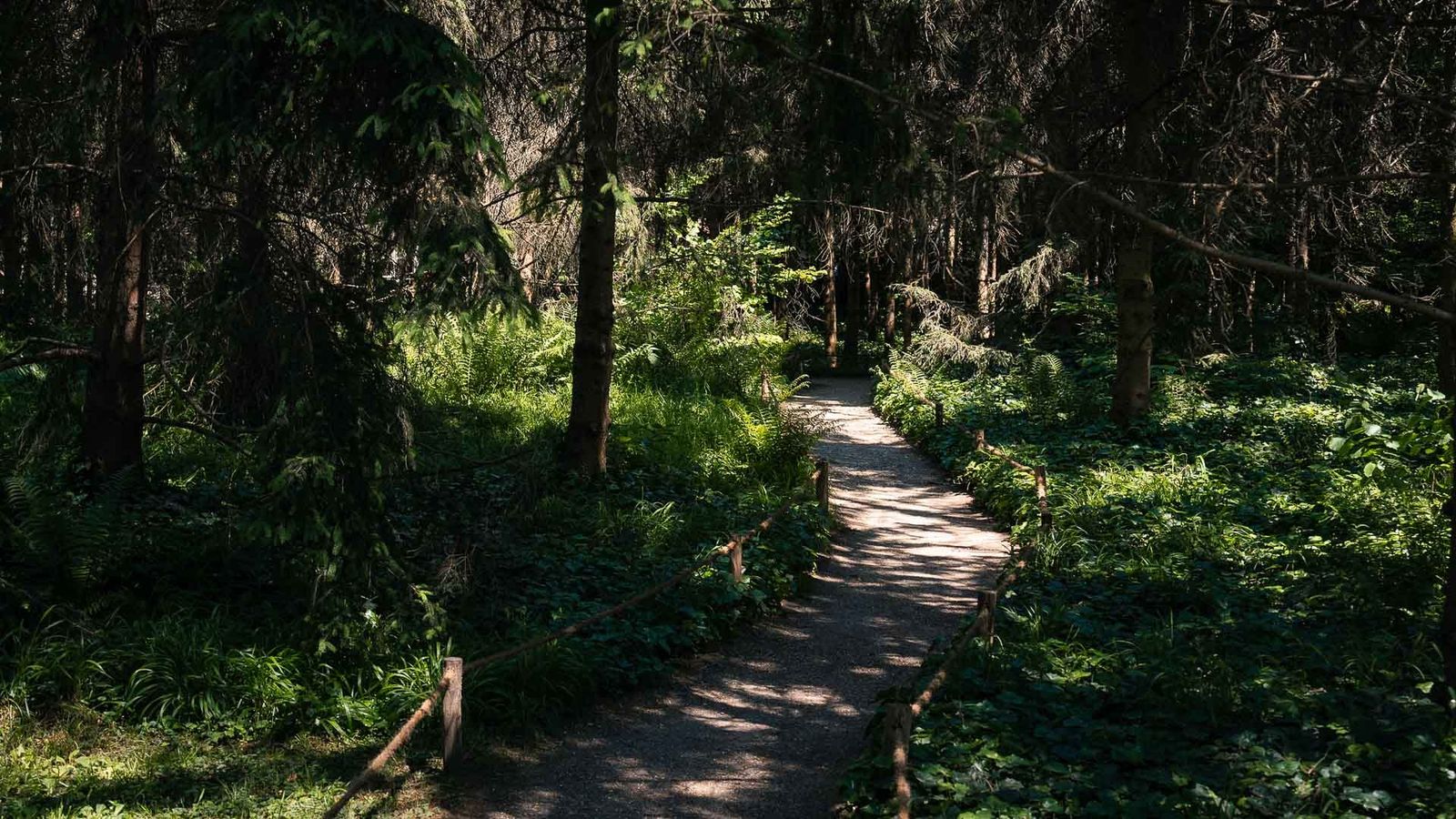
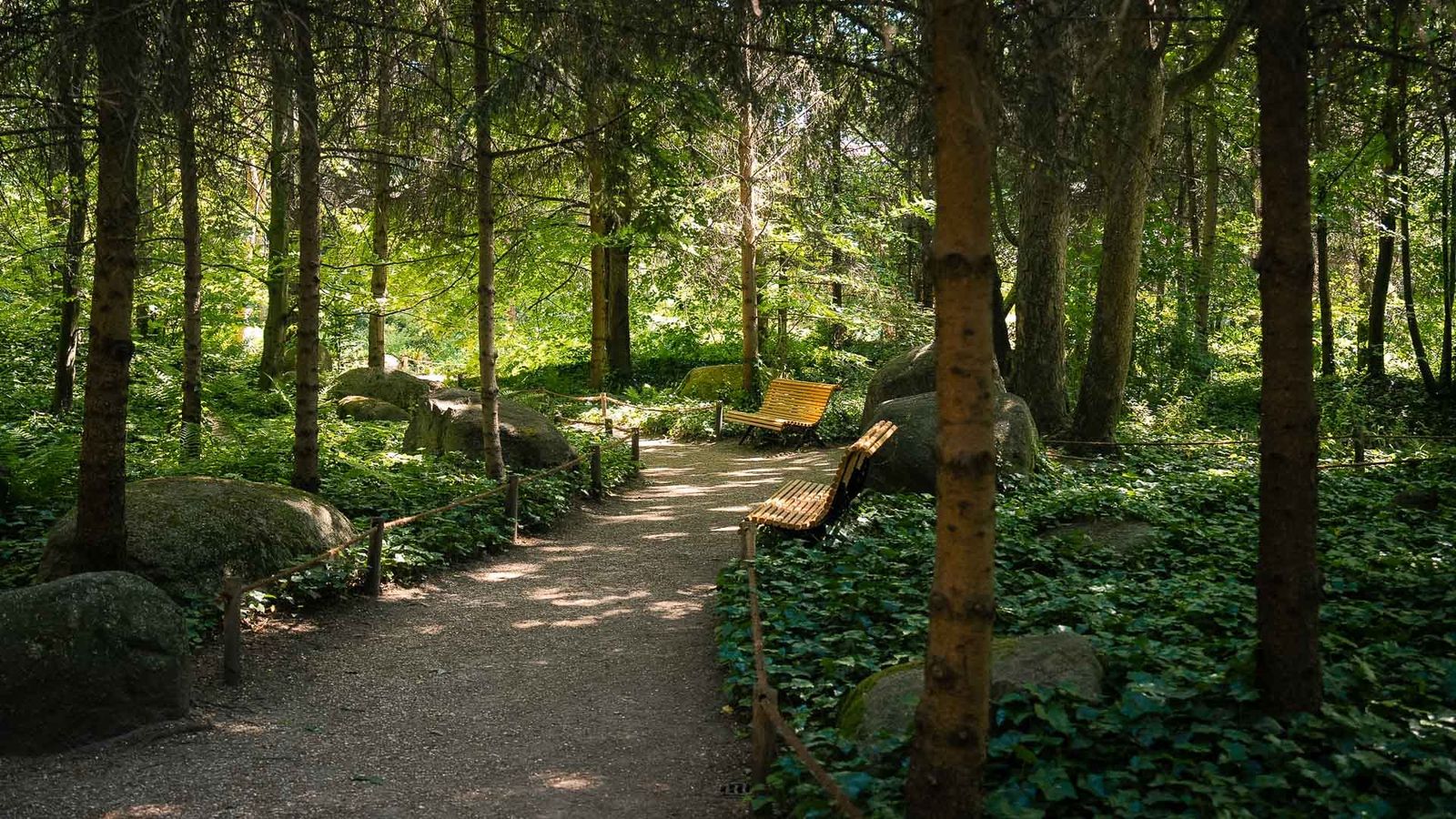
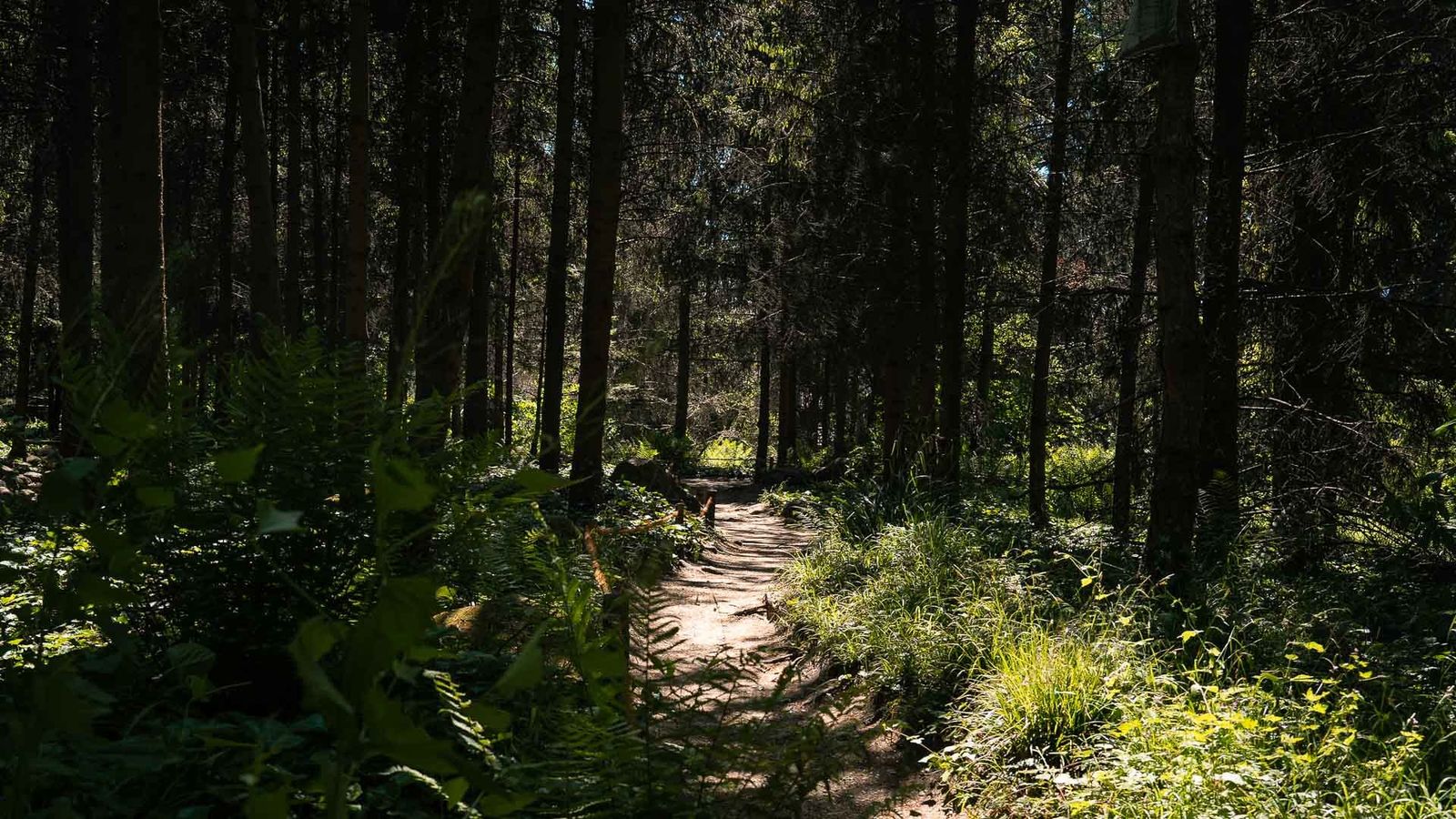
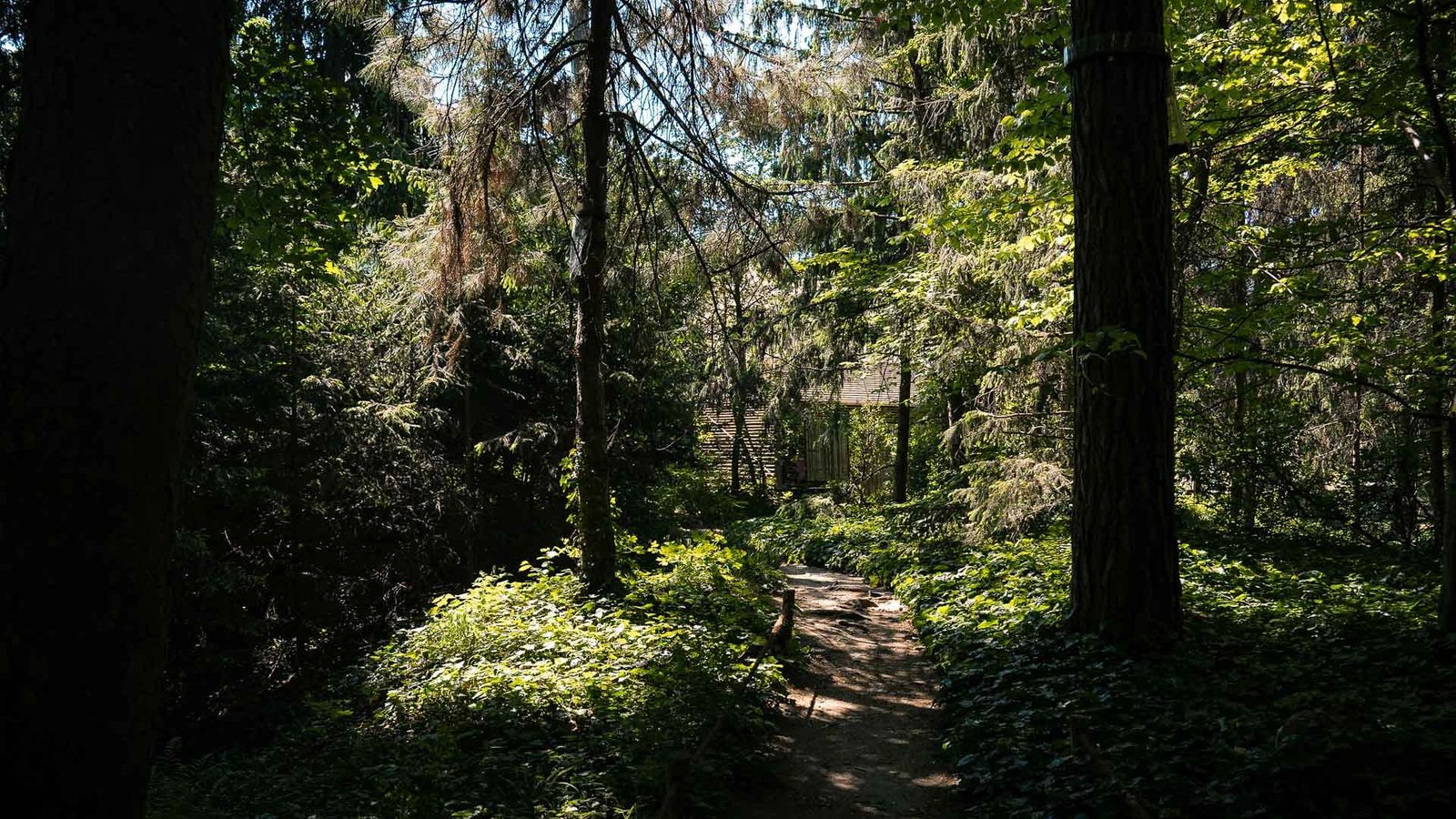
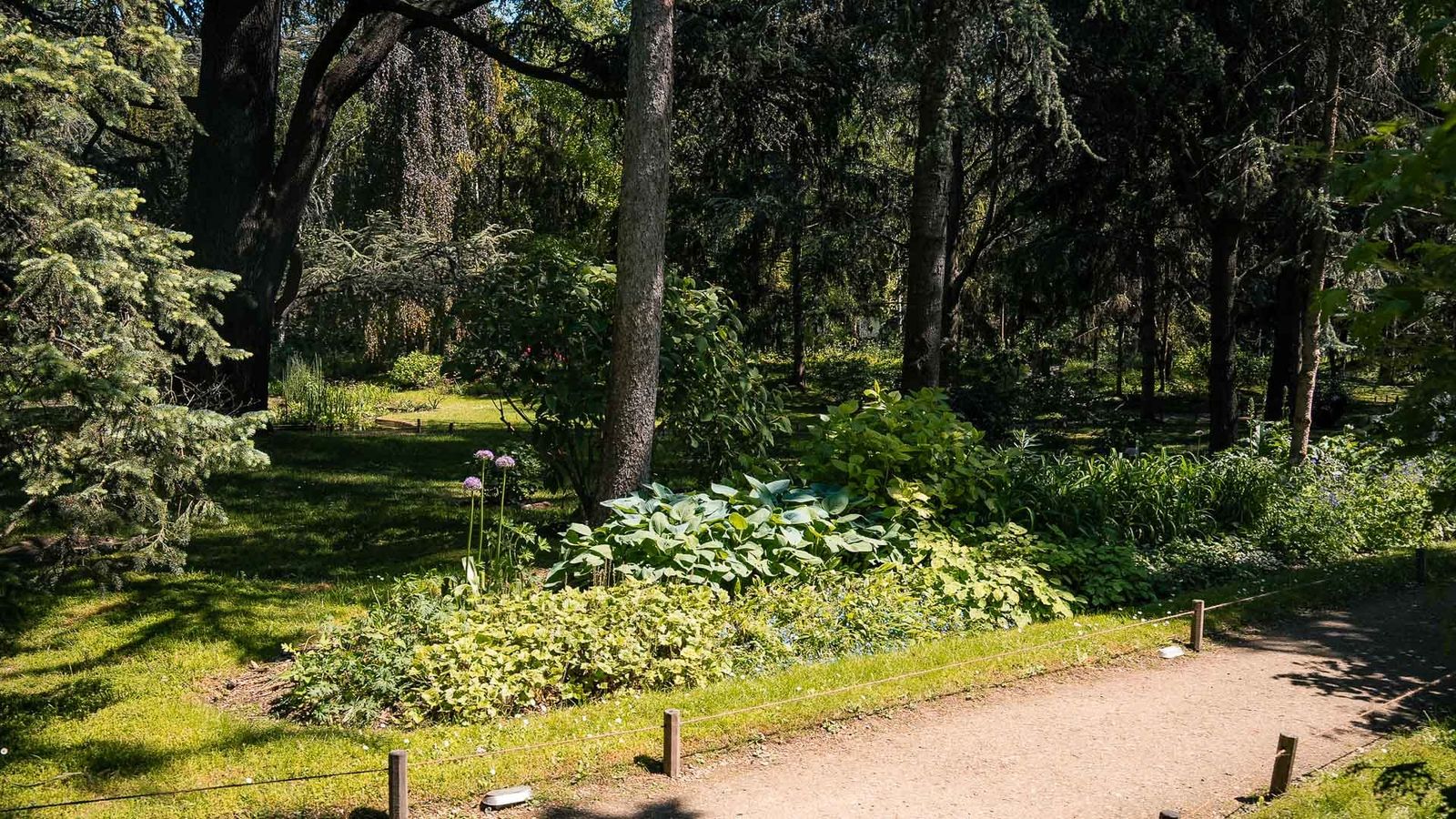
Drawing inspiration from his birthplace, the Vosges forest is a rustic enclosure with pine and spruce trees set amid granite rocks and sandstones, evoking the mountain landscapes of Kahn’s childhood.
Though partially damaged in the 1999 storm, the forest has been carefully restored, offering a shaded retreat and adding to the garden’s tapestry of environments that symbolize different stages of Kahn’s life and travels.
The Blue and Golden Forests: Vibrant Color and Texture
The Blue Forest stands as a unique botanical spectacle, where Atlas cedars and Colorado spruces form a striking backdrop of blue-gray foliage. In contrast, the Golden Forest shines with birches whose leaves gleam in autumn, surrounded by a wildflower meadow that brings warmth and color.