


A Circular Design: Blending Modernity with History
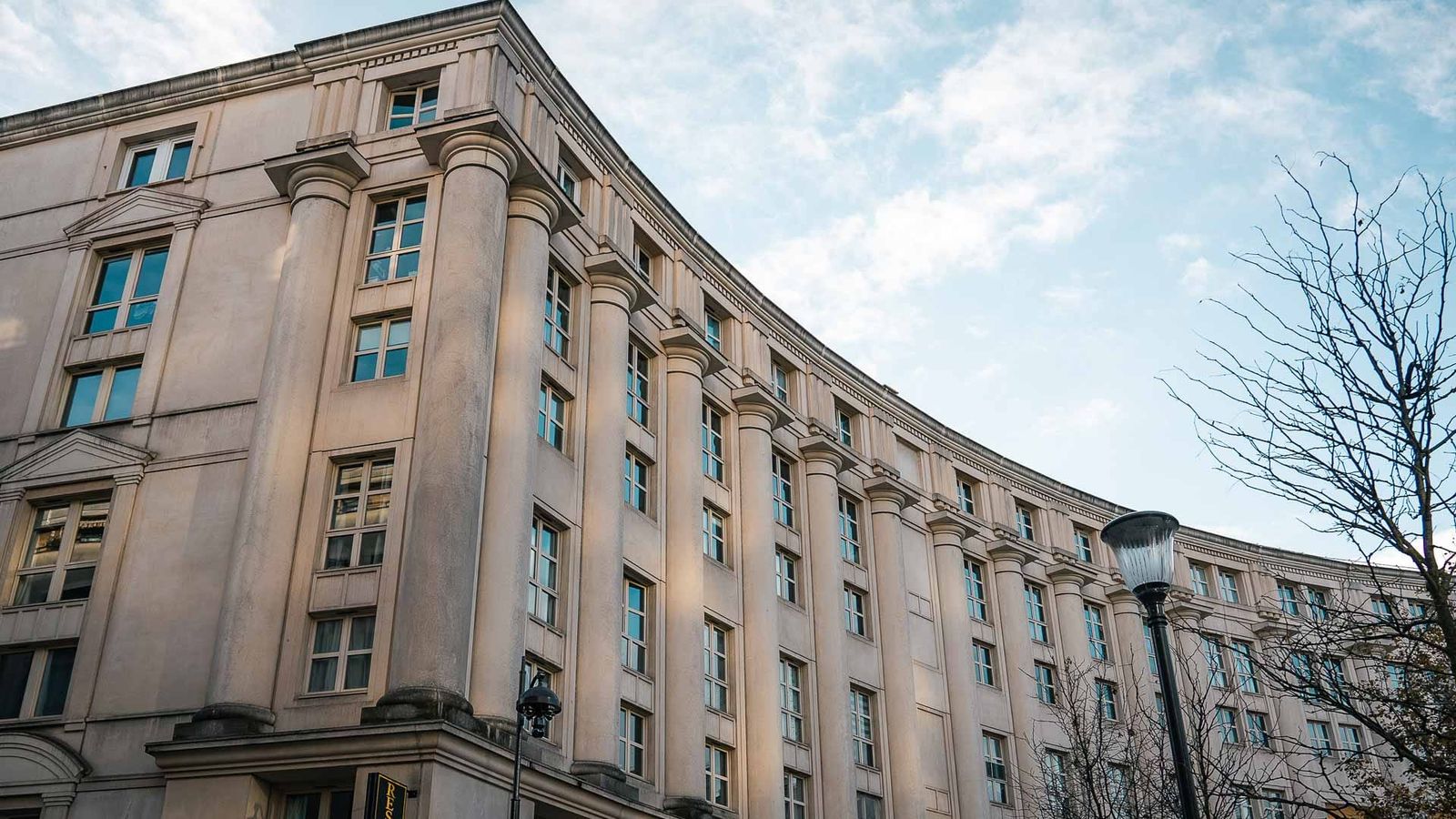
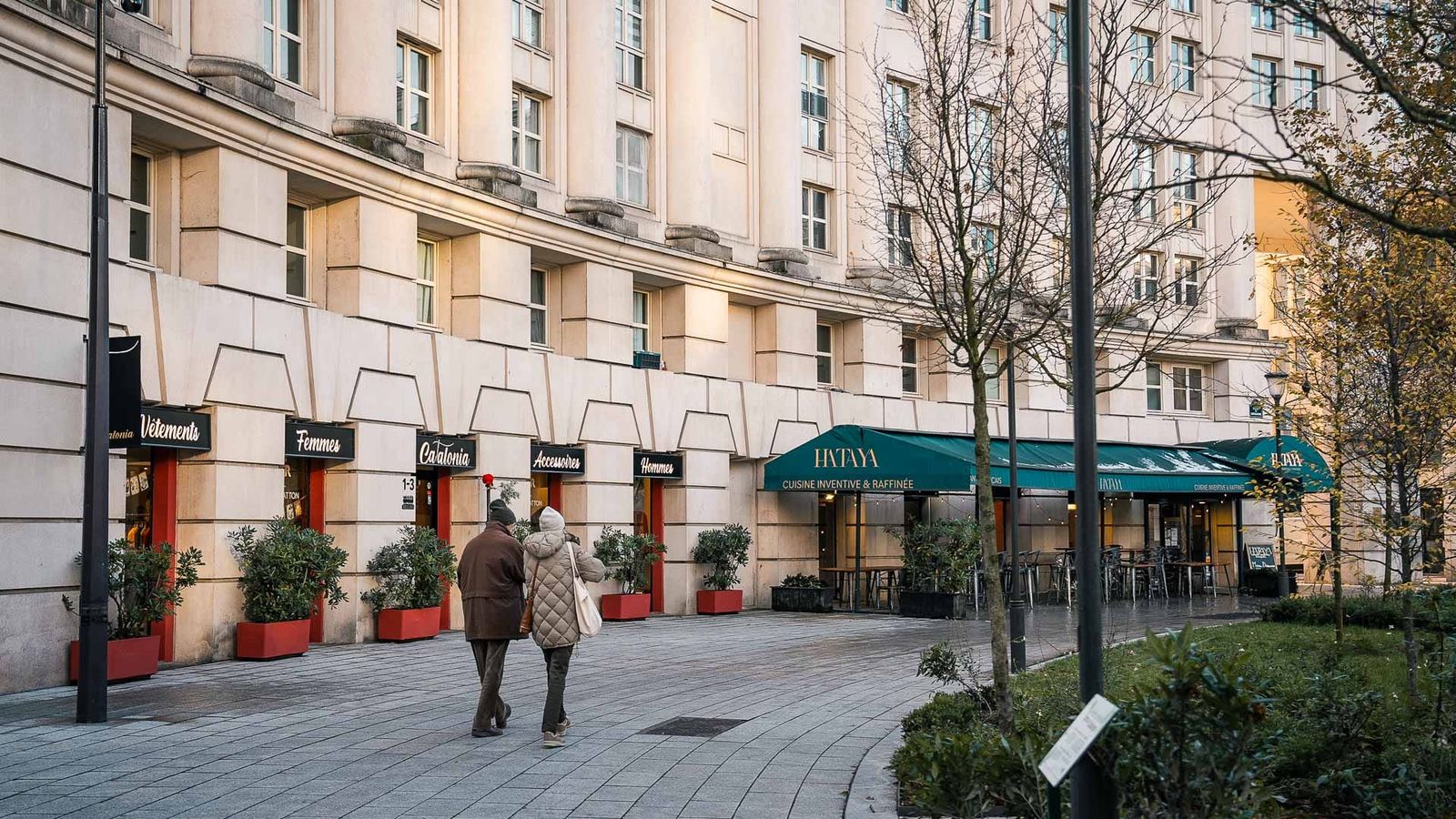
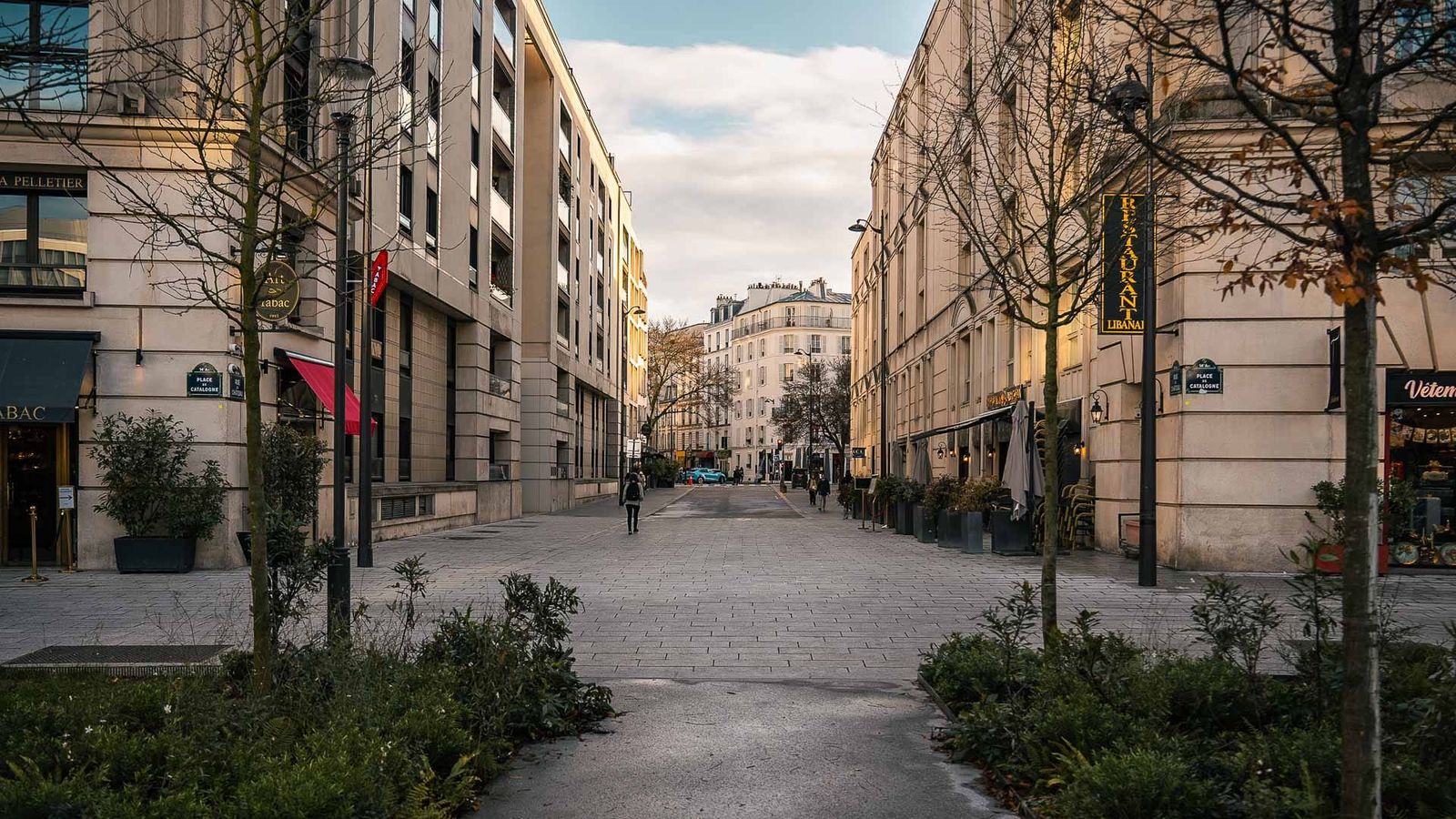
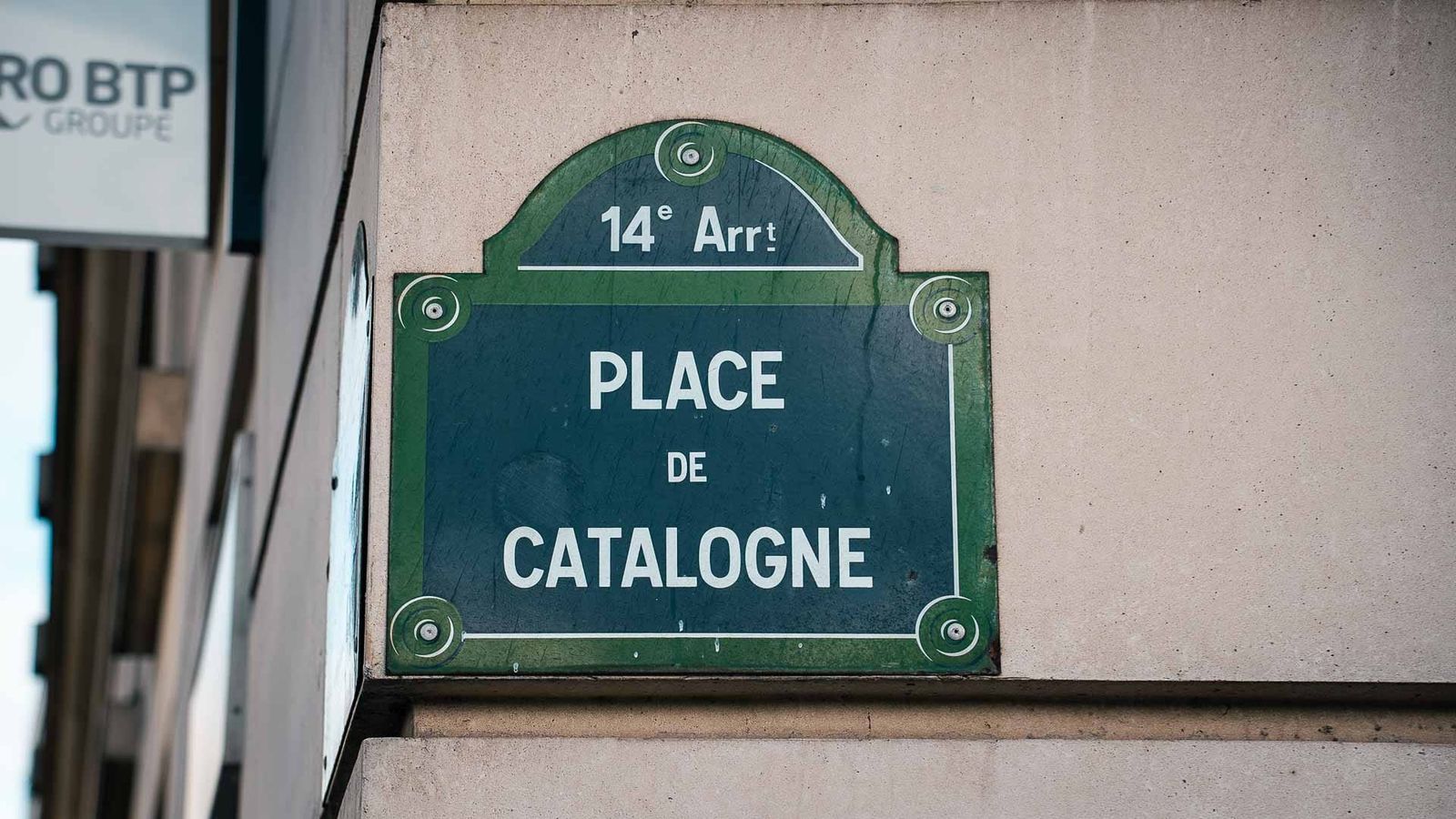
The Place de Catalogne is a remarkable circular square located in the 14th arrondissement of Paris. Designed by the Catalan architect Ricardo Bofill, this public space embodies a unique blend of modern architecture and urban functionality.
Established in 1985, the square was part of a larger development project aimed at revitalizing the Montparnasse area. Surrounding the square, you will find several striking buildings that reflect Bofill’s distinctive style. To the southwest, the Échelles du Baroque buildings host residential apartments, while the adjacent structures designed by Maurice Novarina complement the square’s aesthetic with modern façades.
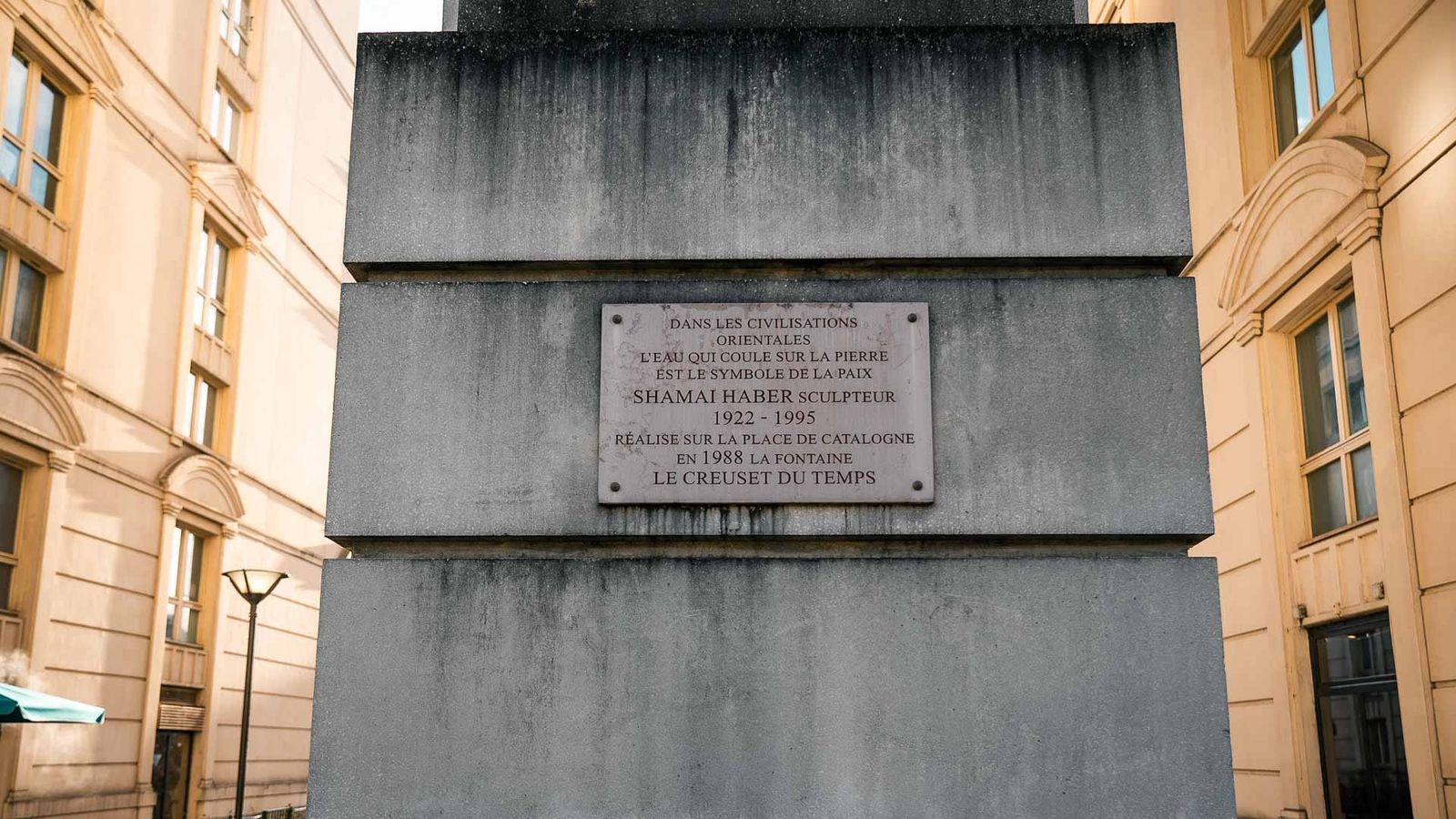
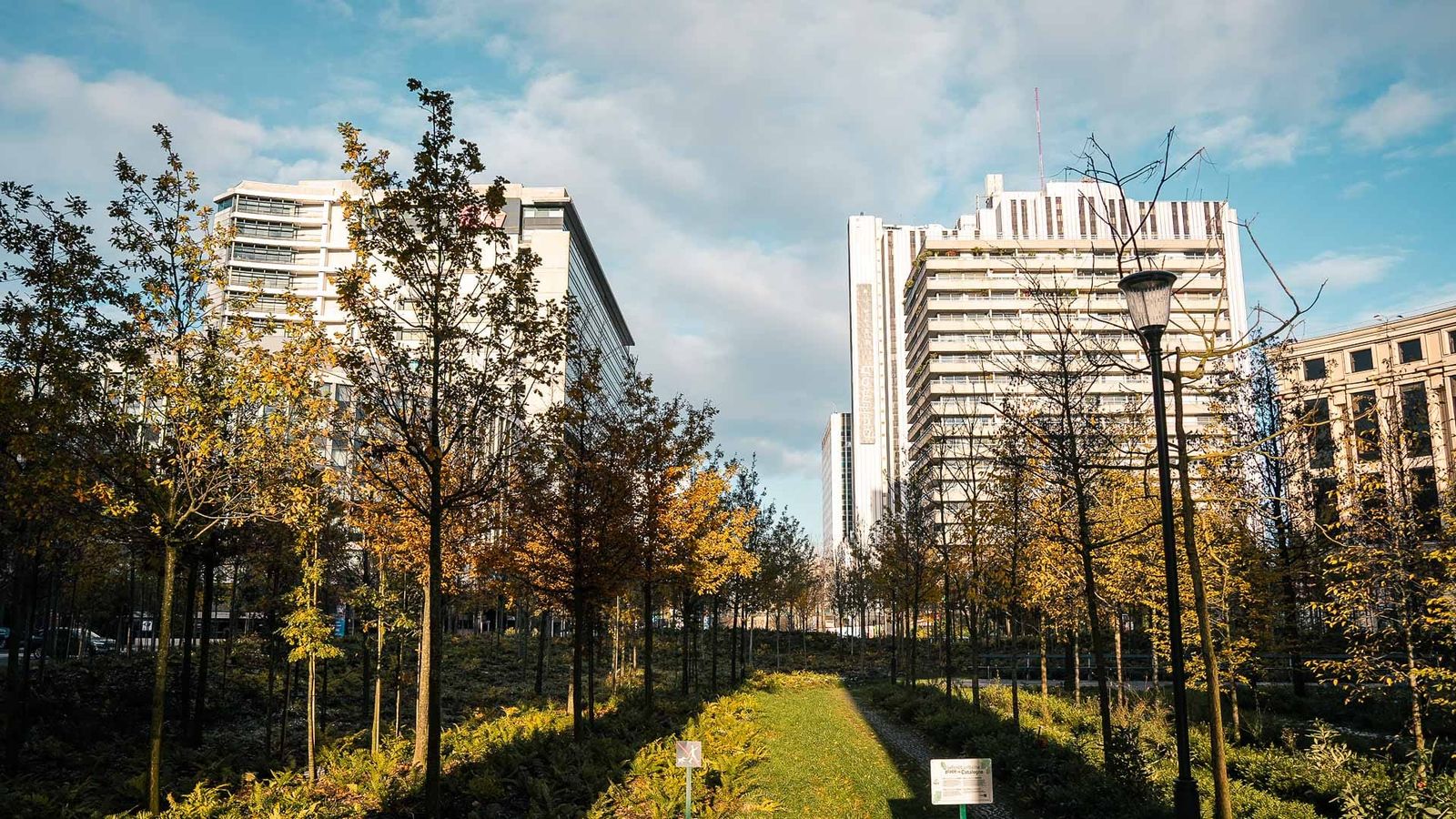
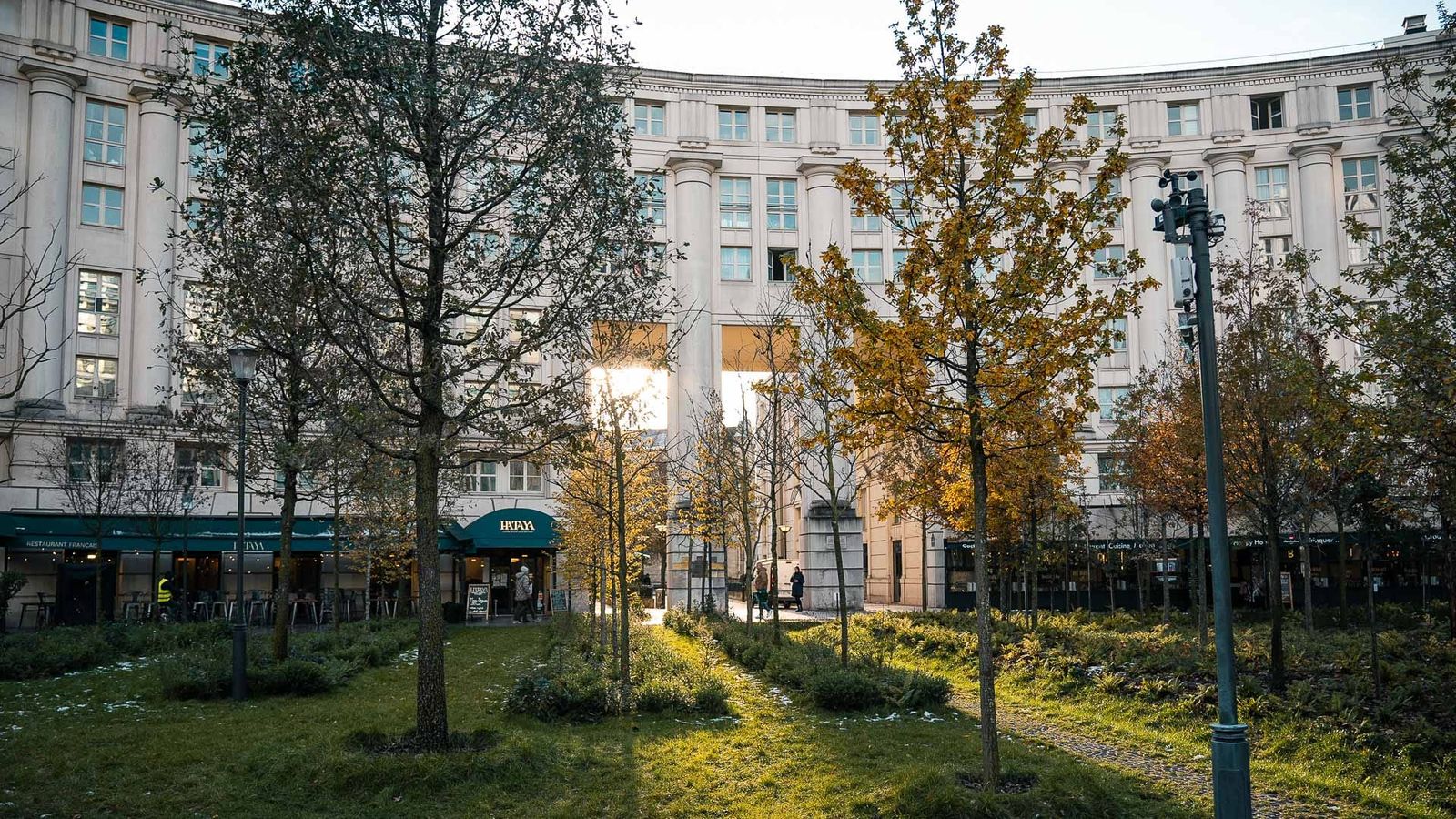
The square’s centerpiece was once the “Creuset du temps”, a dark granite fountain that was both controversial and captivating. Designed by Shamai Haber, this unique piece of art gave the illusion of water flowing uphill along its inclined surface. However, after years of technical issues, the fountain was dismantled in 2022 to make way for a green space dubbed the “urban forest,” which aims to enhance the square’s natural beauty. This transformation is part of a broader movement in Paris to introduce more greenery into urban environments.
Architectural Highlights and Surroundings
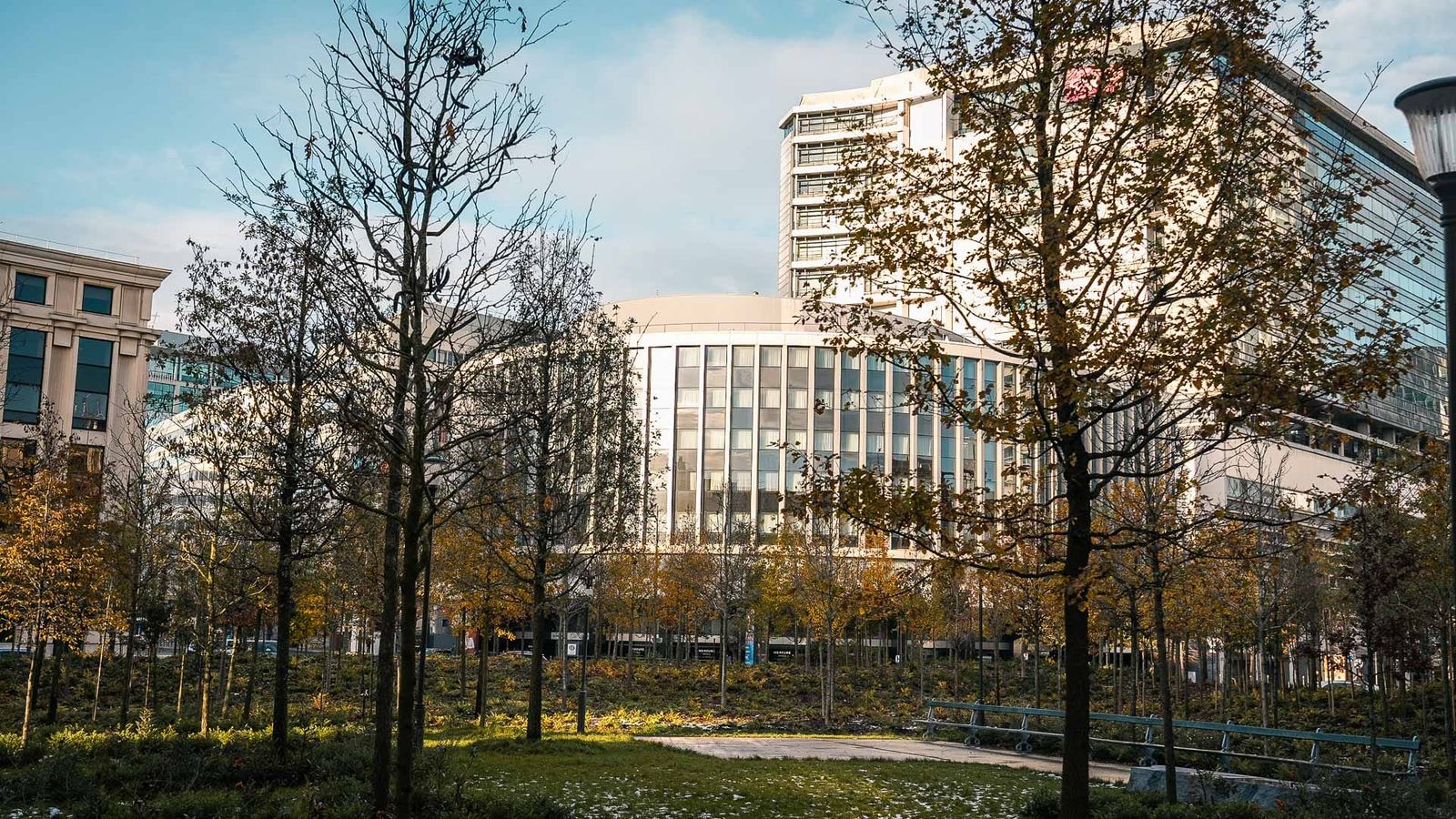
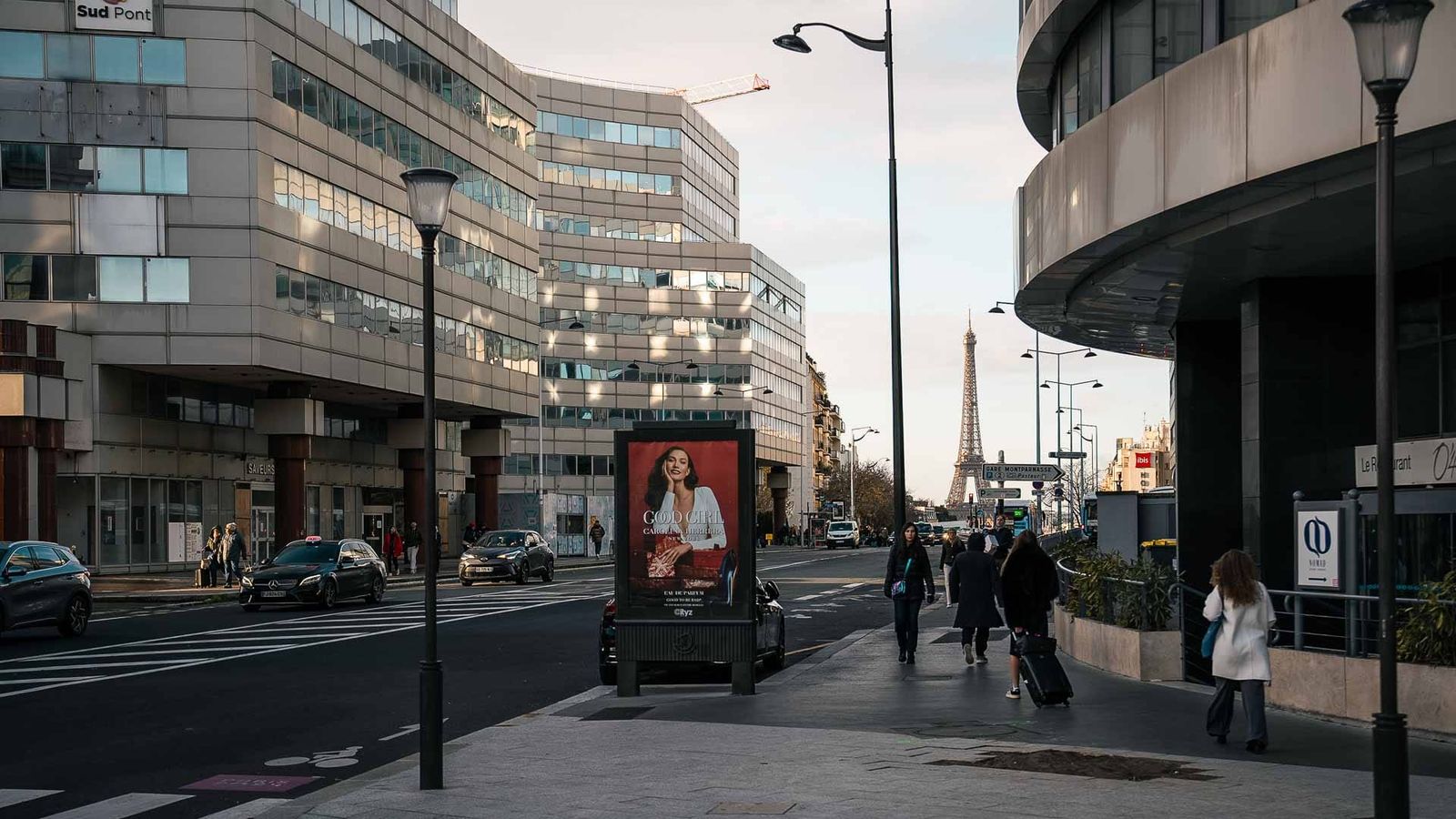
At its core, the Place de Catalogne is surrounded by contemporary buildings that contribute to its character. The Hôtel Concorde Montparnasse stands proudly to the north, while to the southeast, Bofill’s residential structures showcase a uniform and sleek design. This ensemble of architecture is a nod to classical French influences, utilizing columns and pediments to evoke nostalgia for traditional styles. With its 574 apartments, including 400 social housing units, the square serves both residential and aesthetic purposes, although some residents have critiqued its severe appearance.
The name “Place de Catalogne” honors the Catalonia region of Spain, in recognition of Bofill’s heritage and the rich cultural exchange between Catalonia and Paris. The square has become a symbol of this connection, reflecting the diverse history of the area as a hub for artists and intellectuals throughout the 20th century.
Recent Developments and Future Plans
In response to community feedback, plans to convert the square into a greener space began in 2021, culminating in the planting of 478 trees by winter 2023-2024. This initiative reflects Paris’s ongoing commitment to sustainability and enhancing urban livability. A new pathway named Allée Shamaï-Haber has also been established in honor of the original fountain’s creator, ensuring that the artistic legacy continues in a different form.