



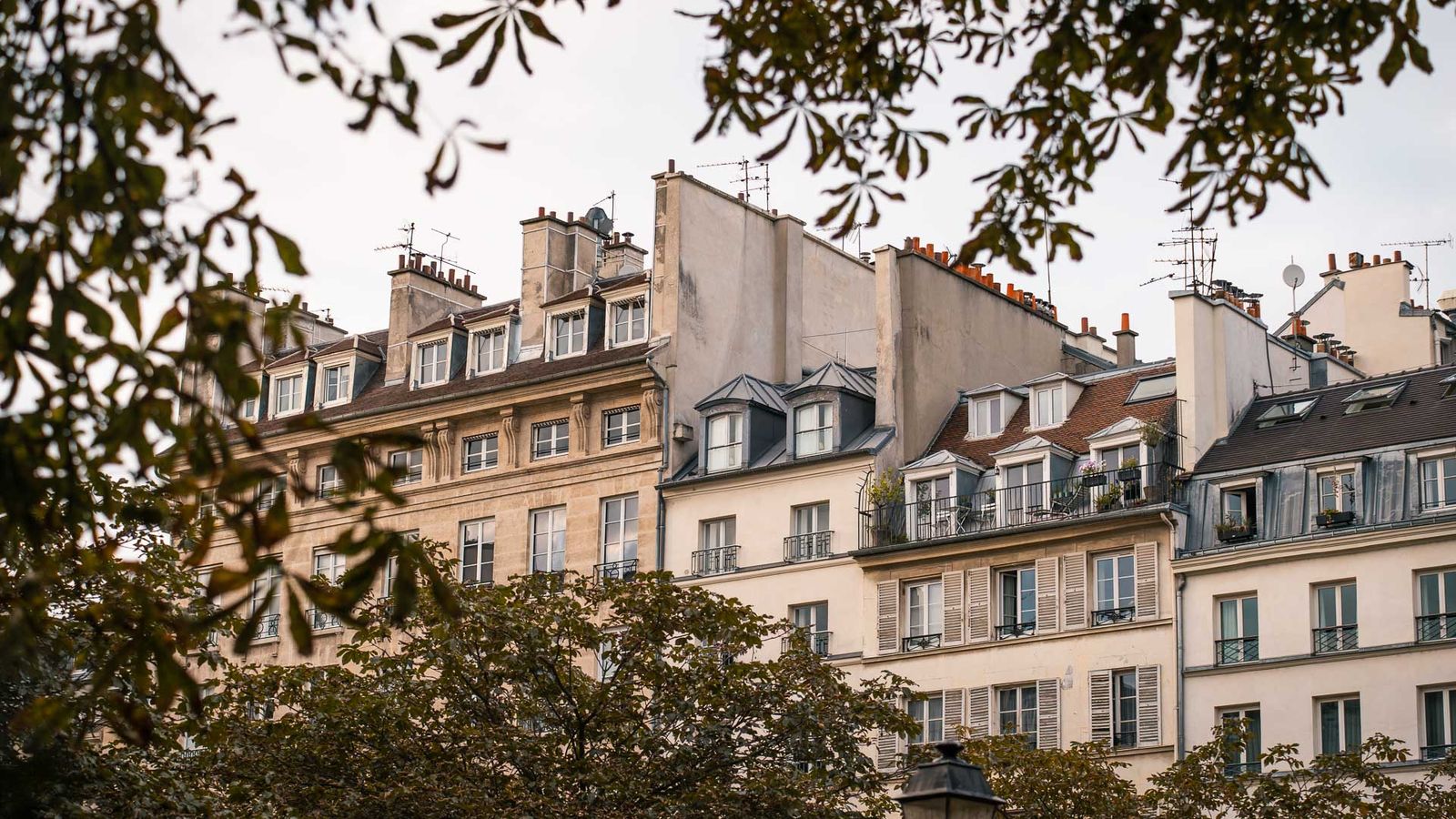


A Royal Oasis Steeped in History
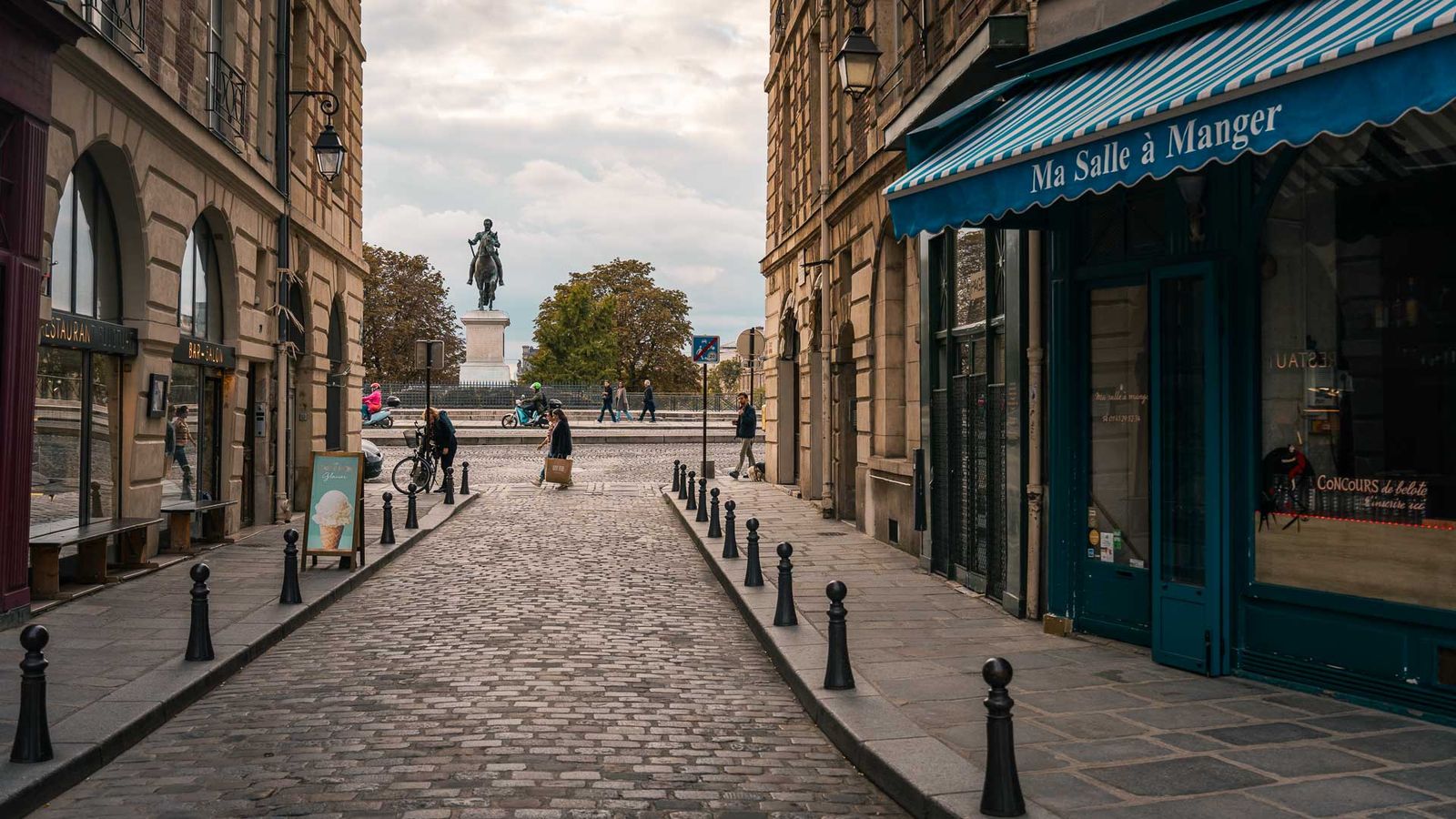
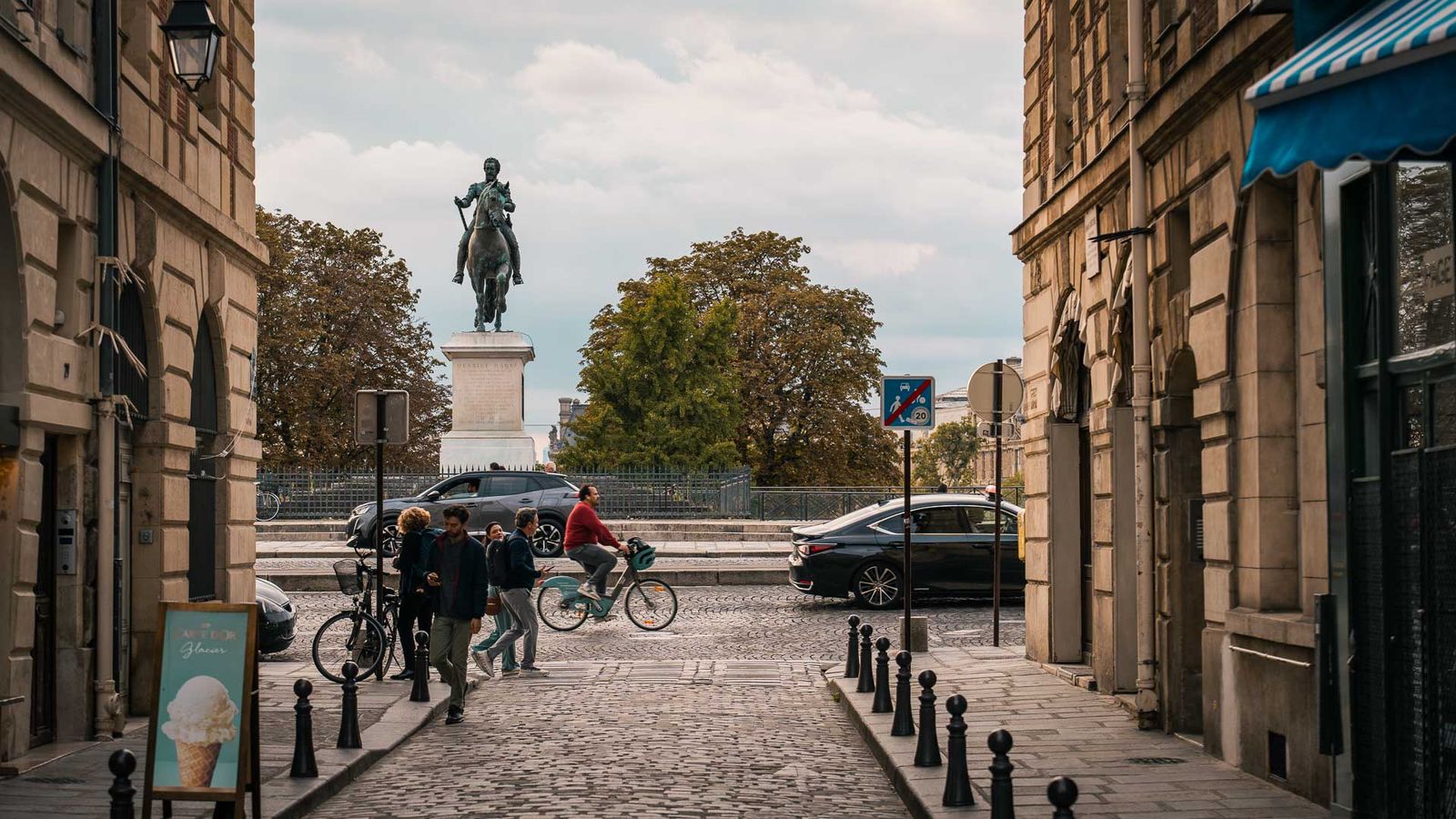
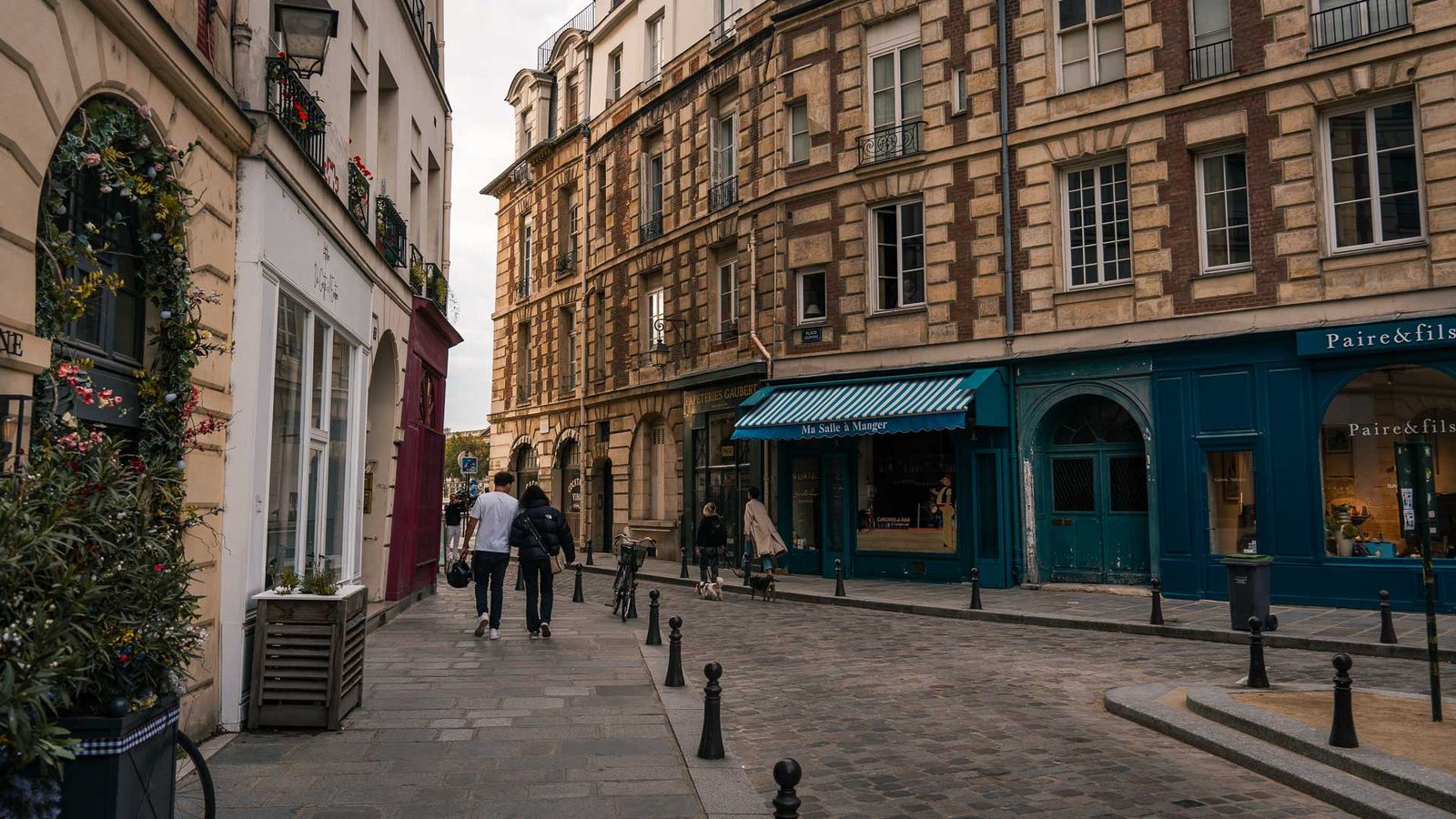
Created under the patronage of King Henri IV in 1607, Place Dauphine was envisioned as one of Paris’s earliest royal squares, echoing the symmetry and elegance that defined French urban planning. The triangle-shaped square, originally surrounded by red brick and white stone façades, housed identical buildings inspired by the place Royale (now Place des Vosges).
Its secluded atmosphere results from the sturdy walls that encircle it, keeping the hustle and bustle of the city at bay. Though its architecture evolved over time, much of its original design, especially the twin pavilions at the base, remains intact, offering a picturesque setting reminiscent of old Paris.
A Space for Romance and Reflection
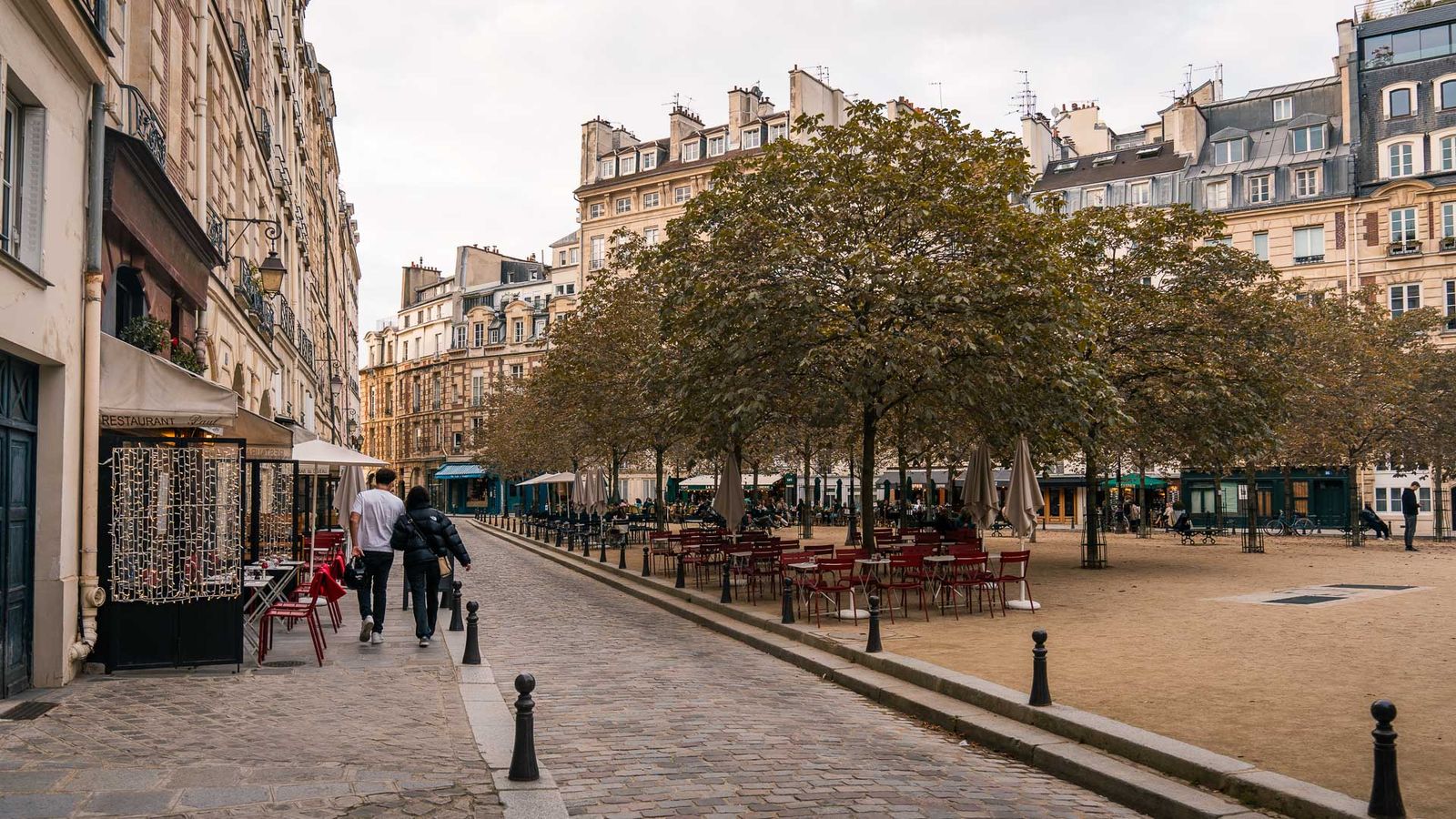
Dappled in chestnut trees and shaded walkways, Place Dauphine has long been a beloved spot for locals, artists, and visitors. Iconic figures like Simone Signoret and Yves Montand once resided here, adding to the square’s timeless charm.
Today, the square attracts a mix of Parisians and tourists drawn to its quiet charm. The square itself hosts cozy cafes and art galleries that echo the artistic vibrancy of the city, making it a place of inspiration and intimate gatherings amidst historical surroundings.
A Historical Transformation Over Centuries
Originally conceived as a grand square encircling the king’s statue, Place Dauphine’s layout was transformed under architect Viollet-le-Duc in the 19th century, when one of its three sides was opened up to reveal views of the Paris Law Courthouse.
The square’s half-facades are now protected as historic monuments, preserving the legacy of a time when royal and civic life intertwined. The name itself pays tribute to Louis XIII, the son of Henri IV, who was honored with the title of Dauphin. Over centuries, Place Dauphine has remained a prized slice of Parisian heritage, blending history, architecture, and quiet retreat in the heart of the city.