




A Historical Landmark Beyond the City’s Borders
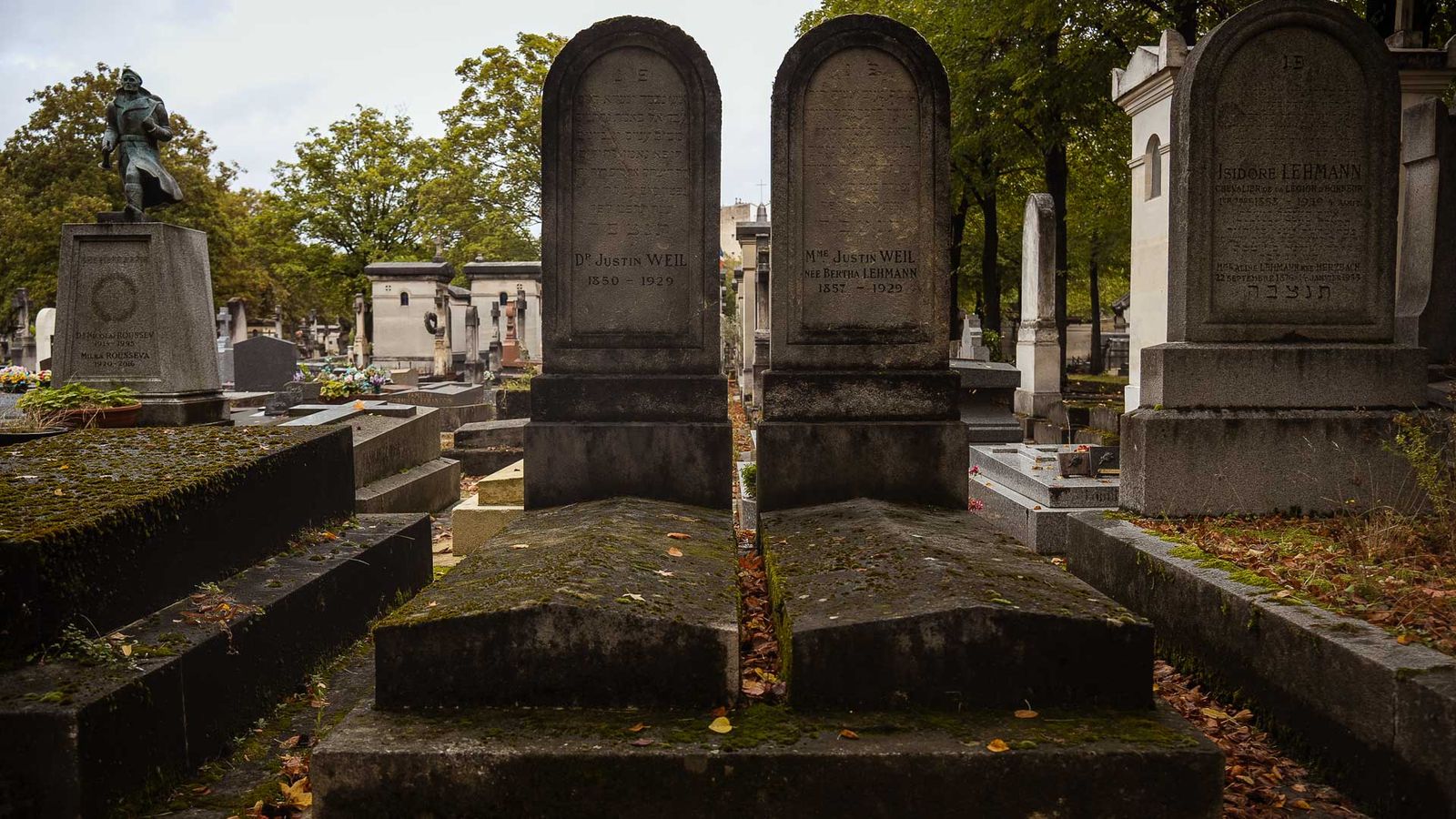
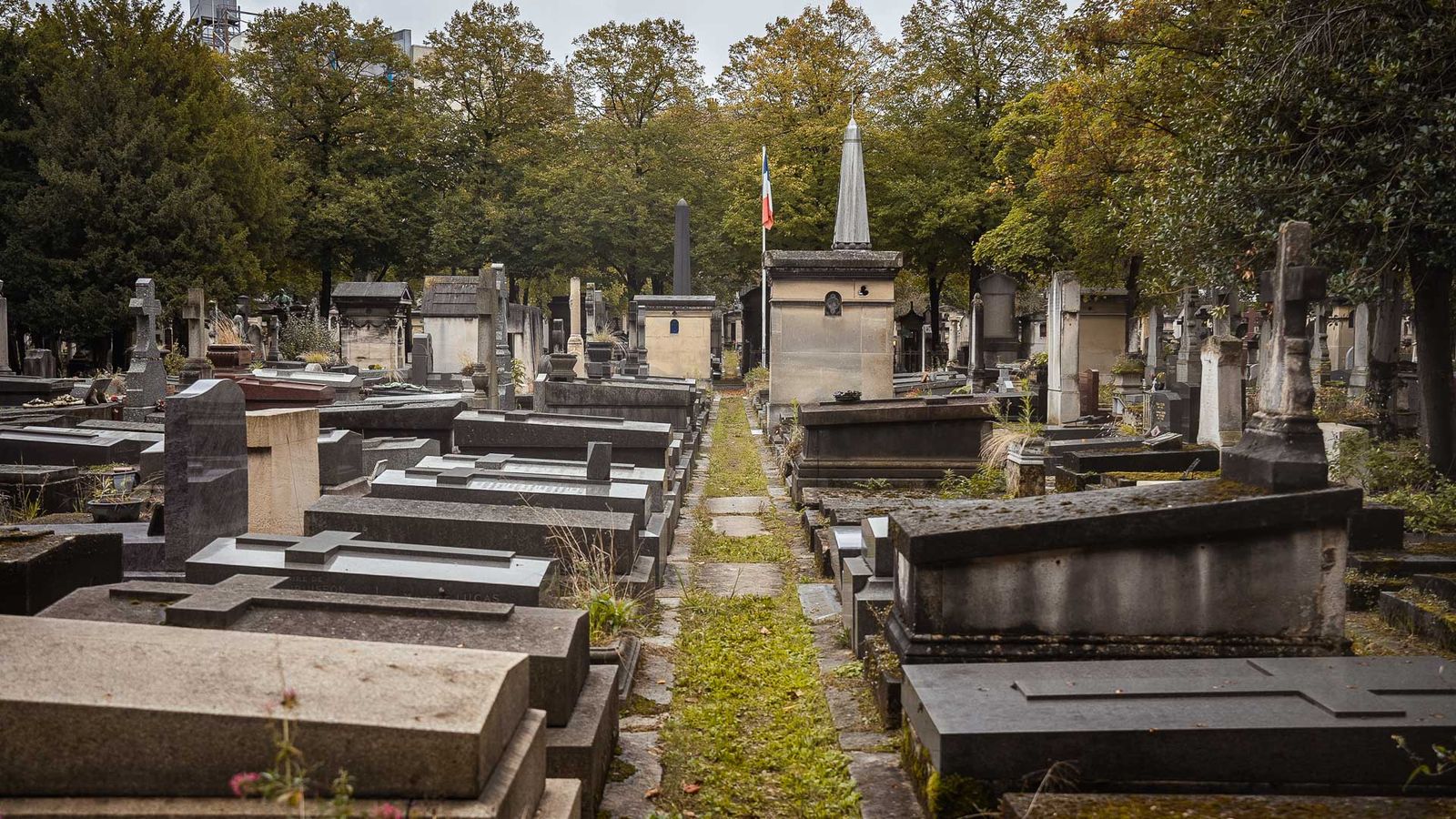
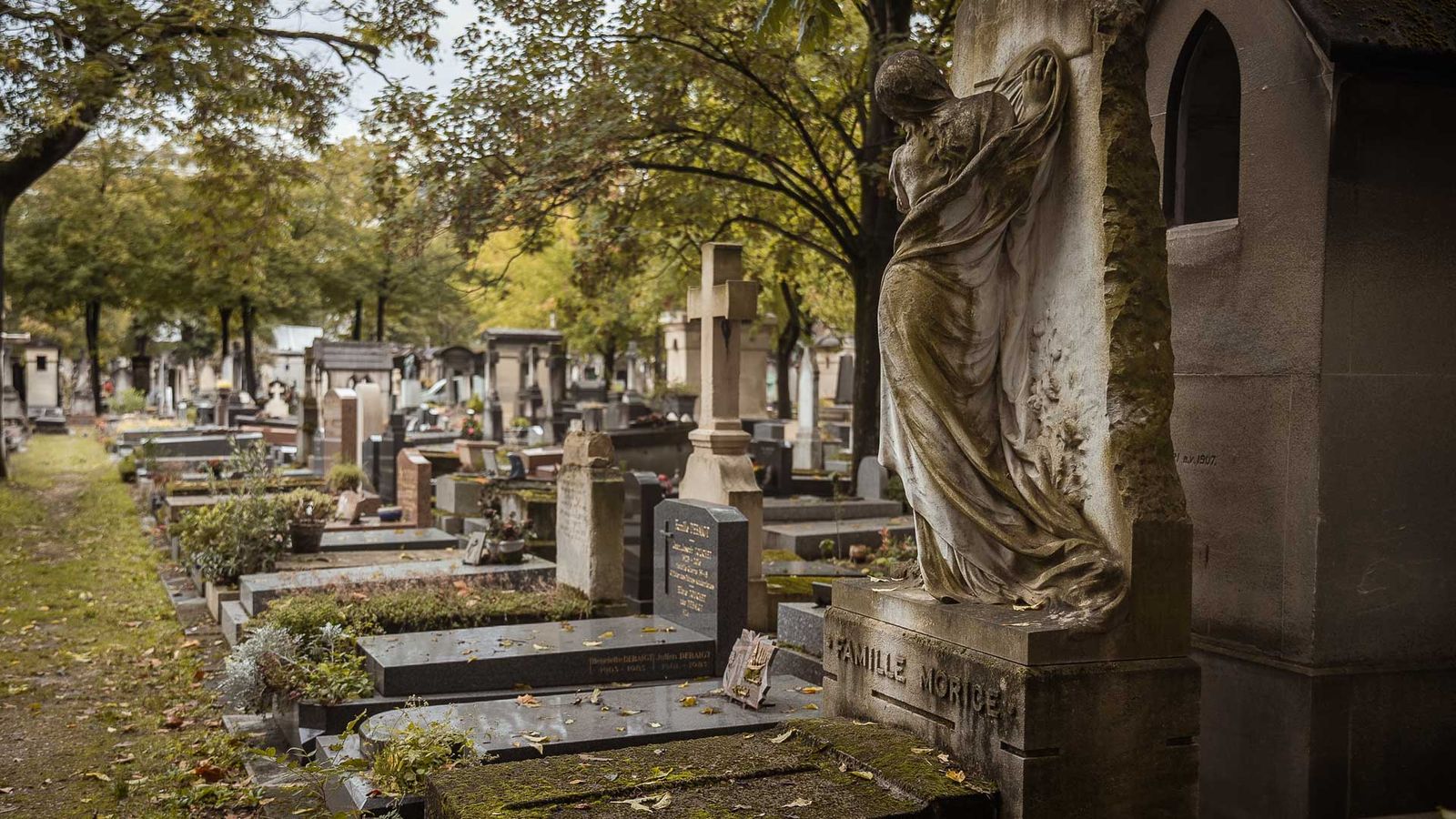
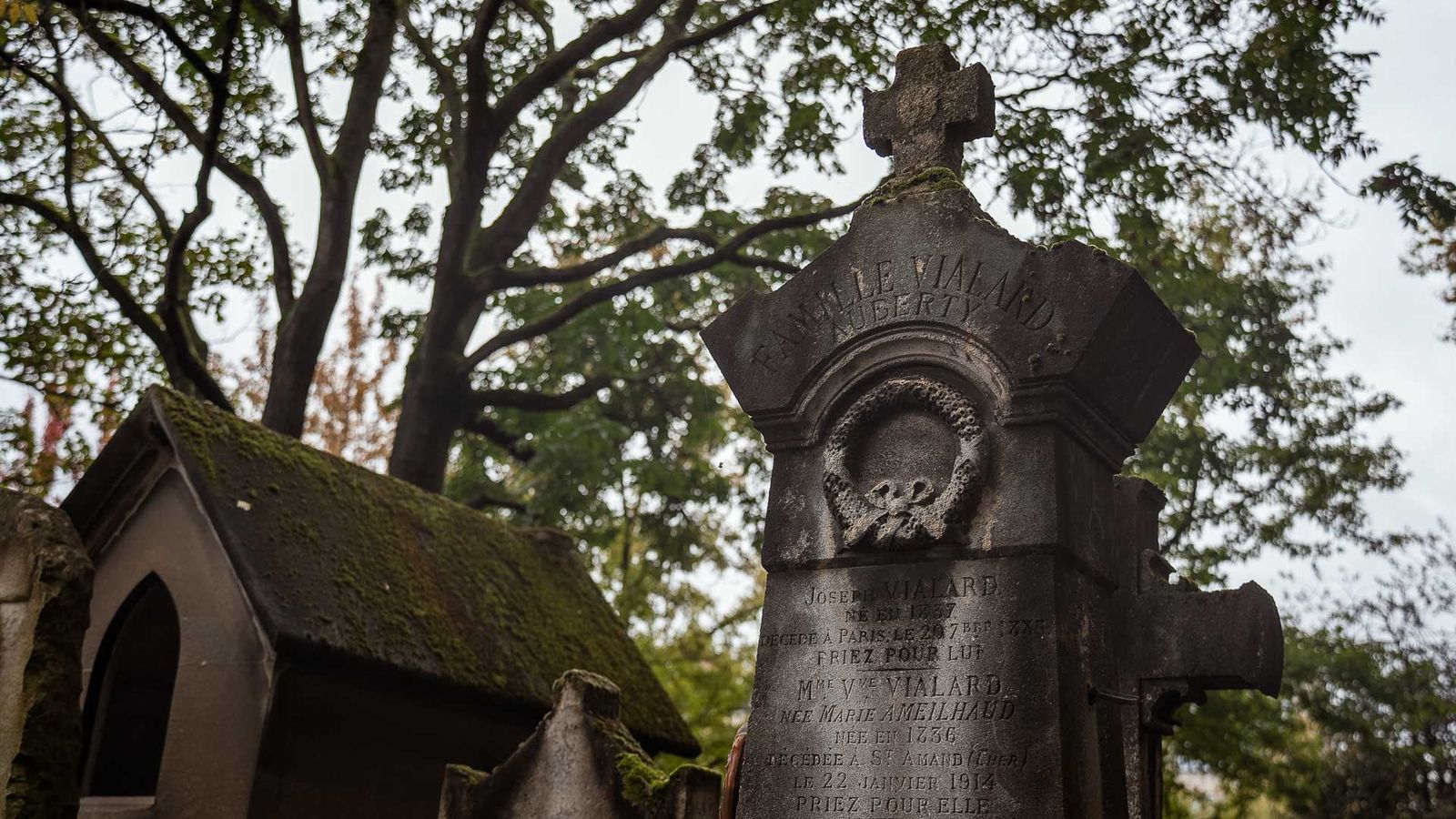
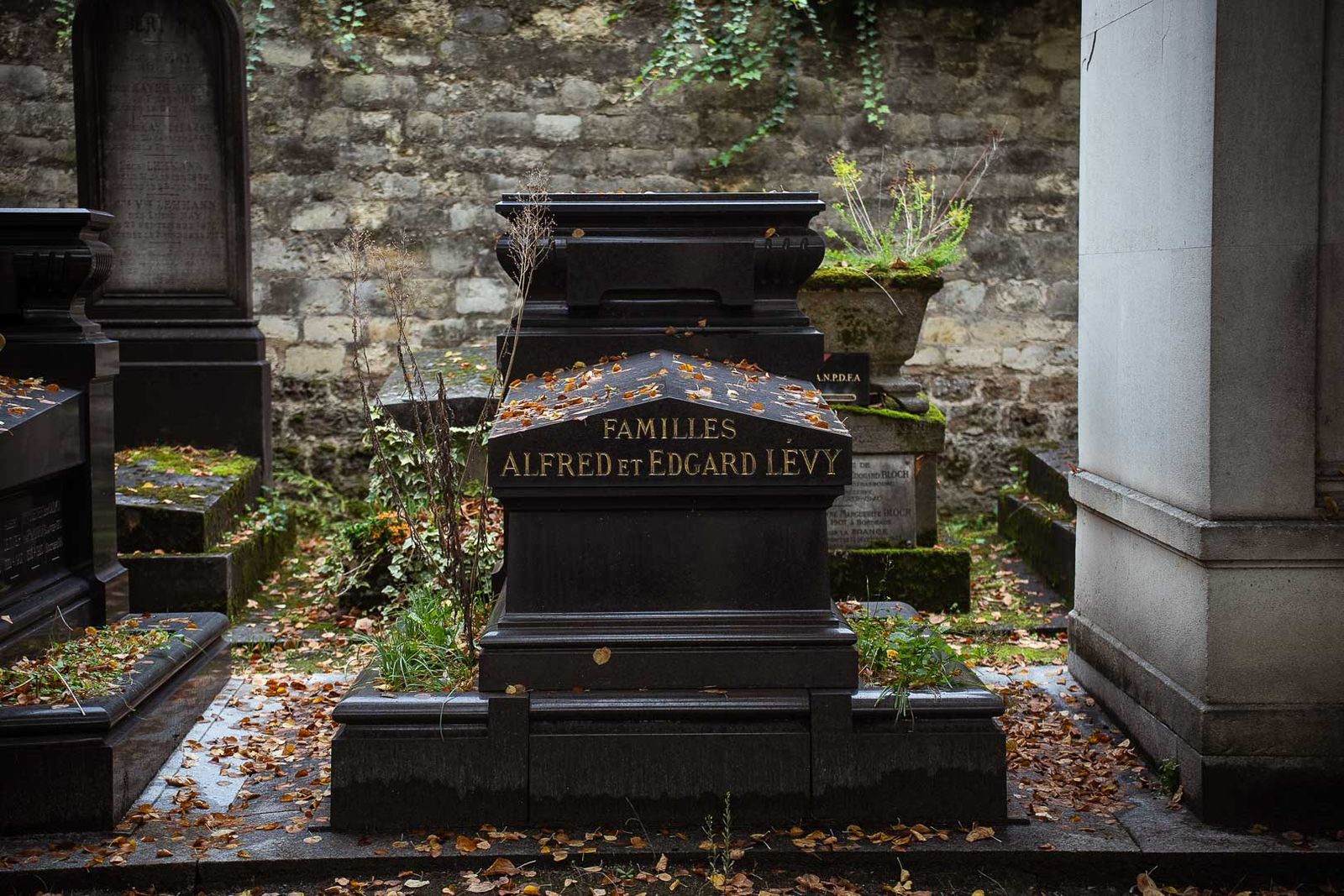
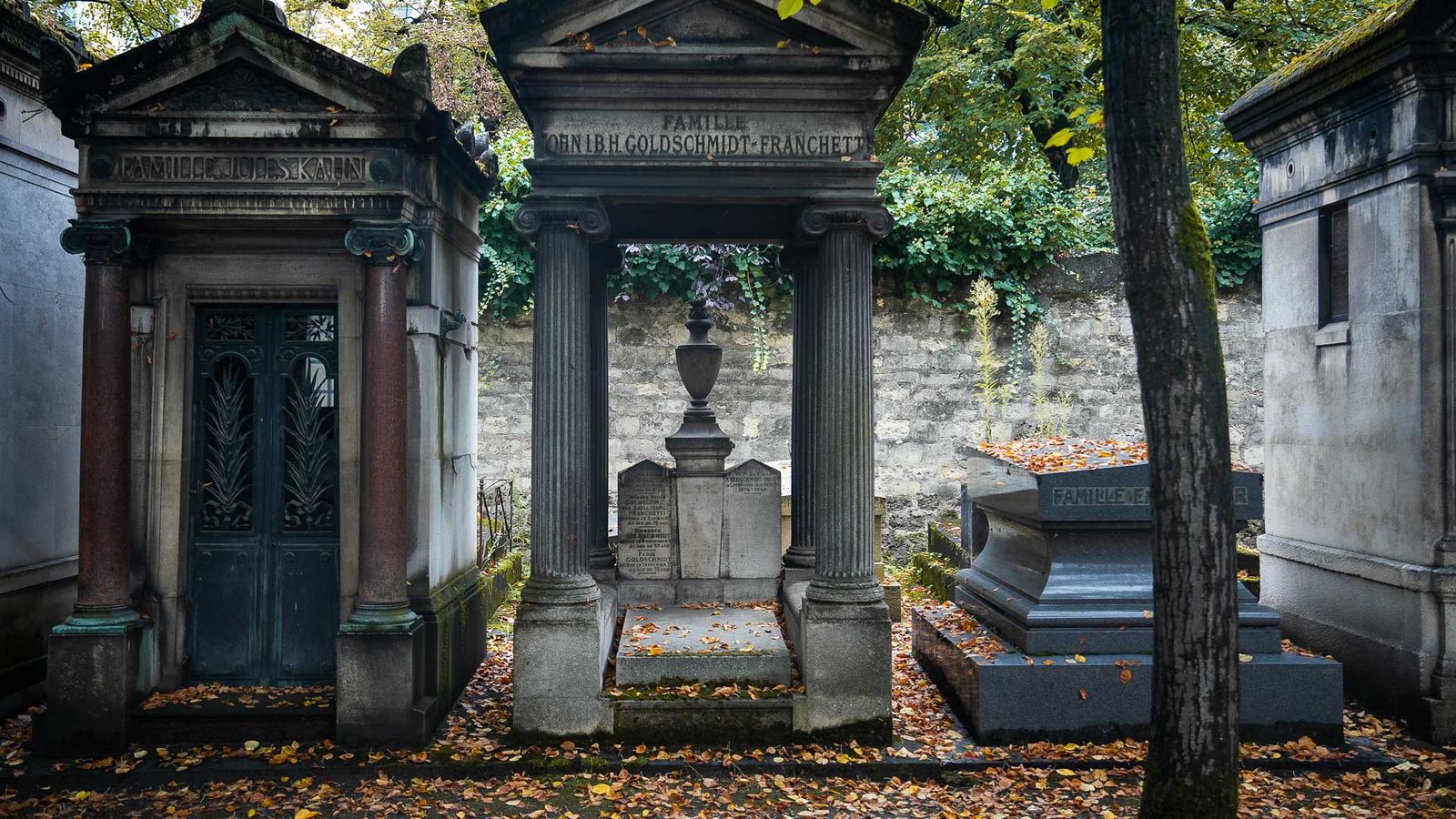
Opened in 1824, Montparnasse Cemetery, originally named Cimetière du Sud, is the final resting place for countless renowned figures from diverse fields, especially in the arts and politics.
Among those buried here are philosophers, writers, painters, sculptors, and political activists who have shaped the cultural landscape of France and beyond. As the second-largest cemetery within Paris city limits, it occupies a 19-hectare space that once served as farmland.
The cemetery was established as part of an urban development plan to create burial grounds outside the city limits. Over time, it has become synonymous with the vibrant artistic community of Montparnasse, a neighborhood that nurtured many of Paris’ most famous artists in the 19th and 20th centuries.
A Green Oasis in the City of Lights
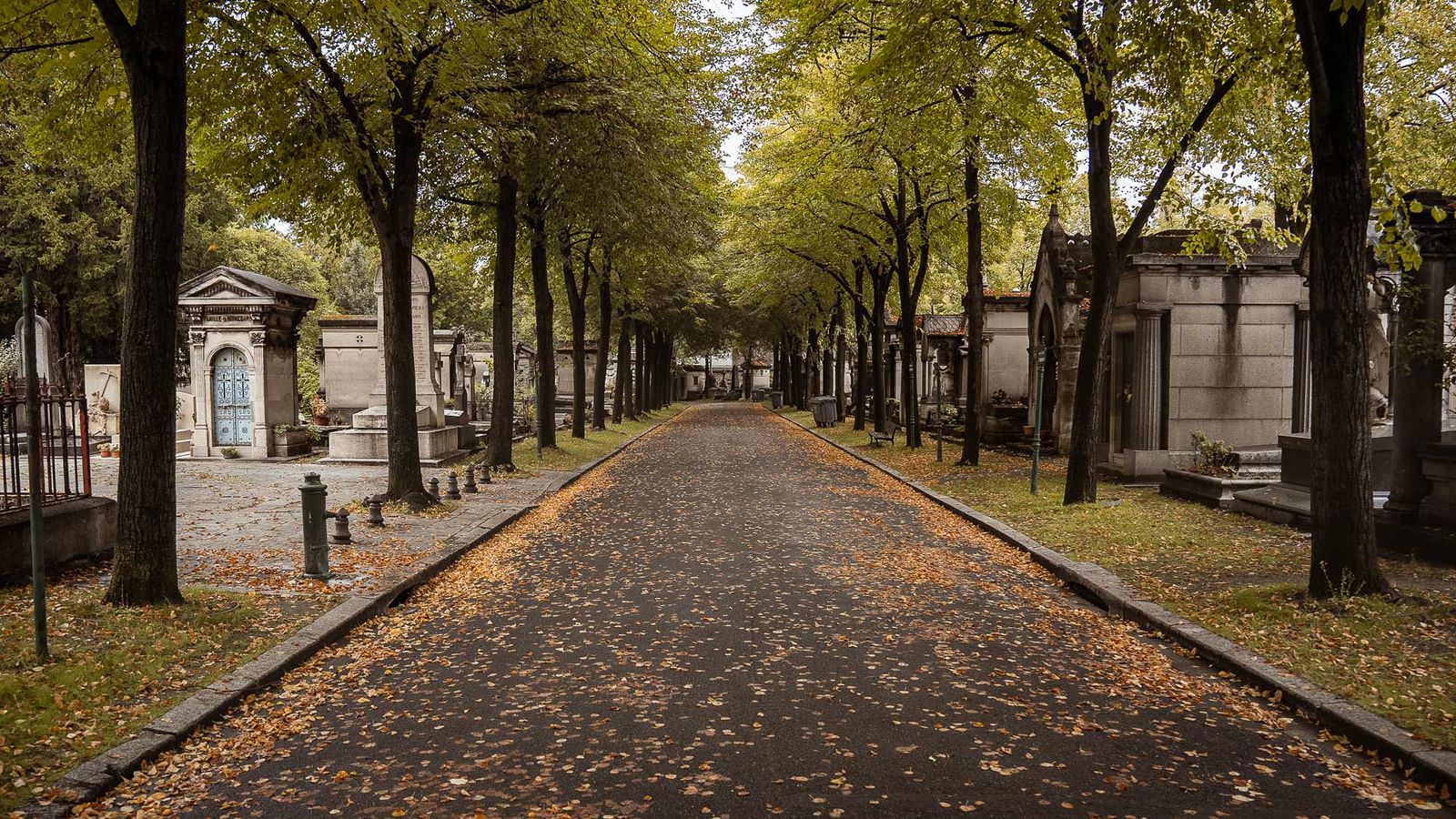
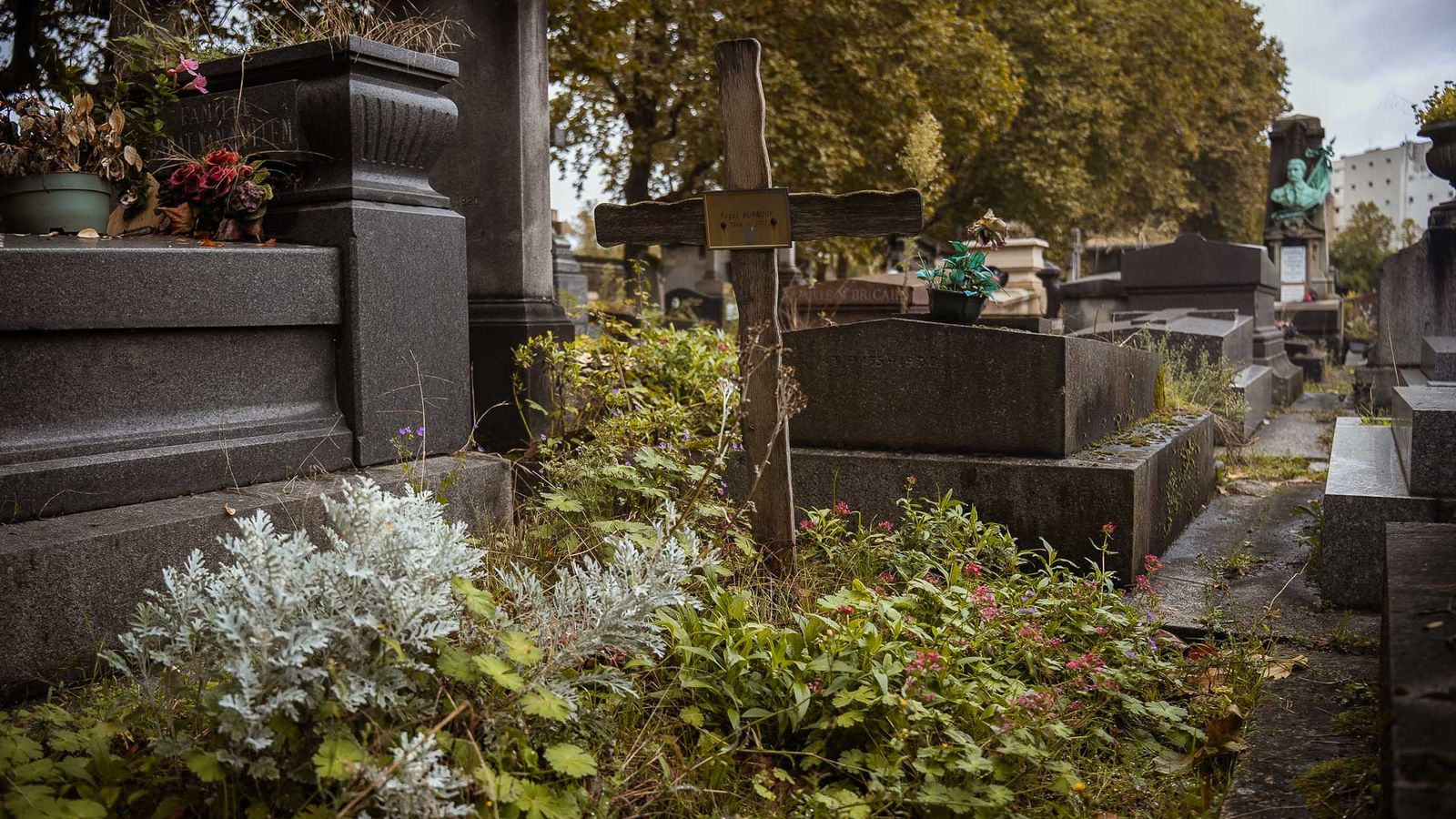
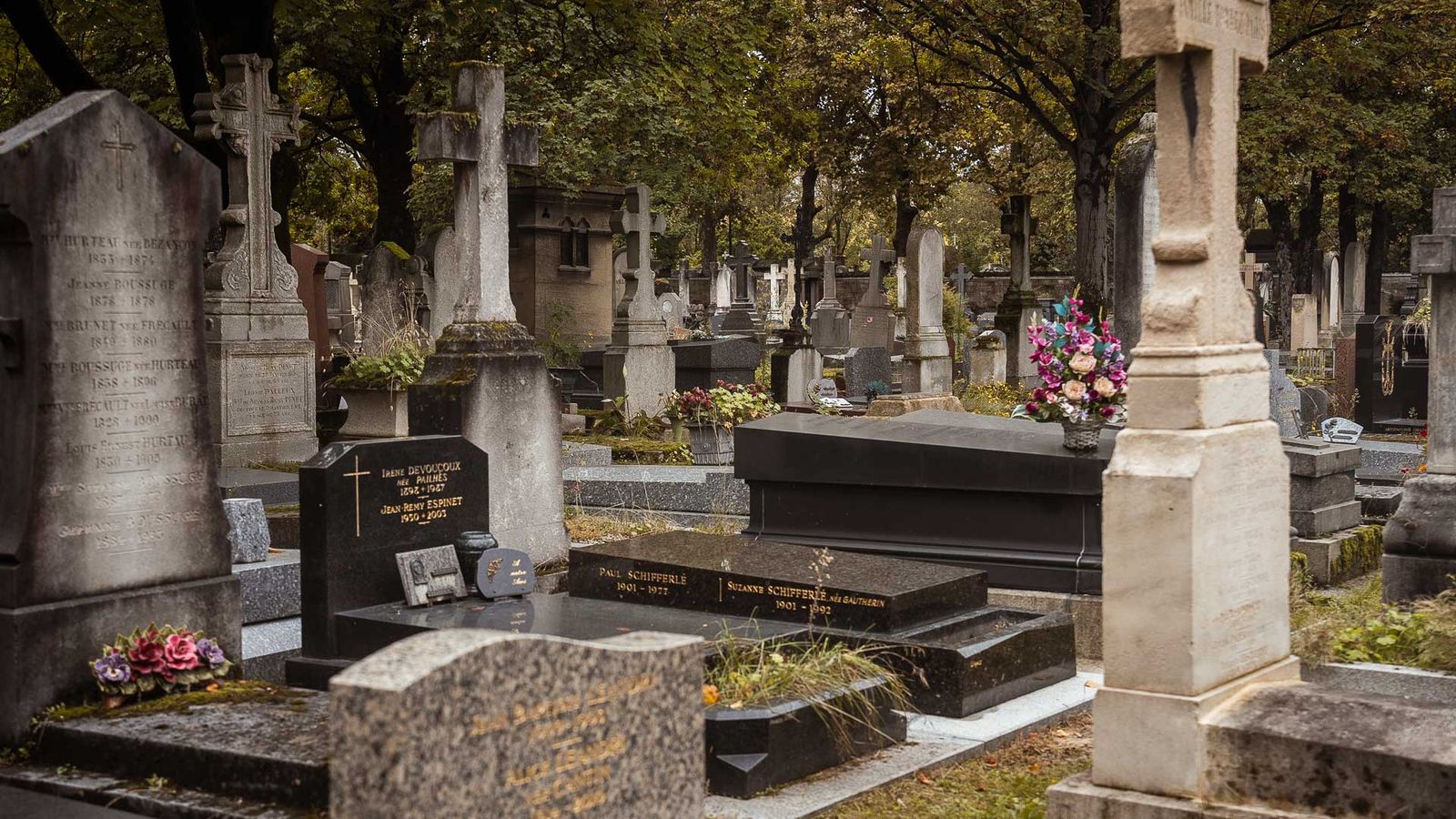
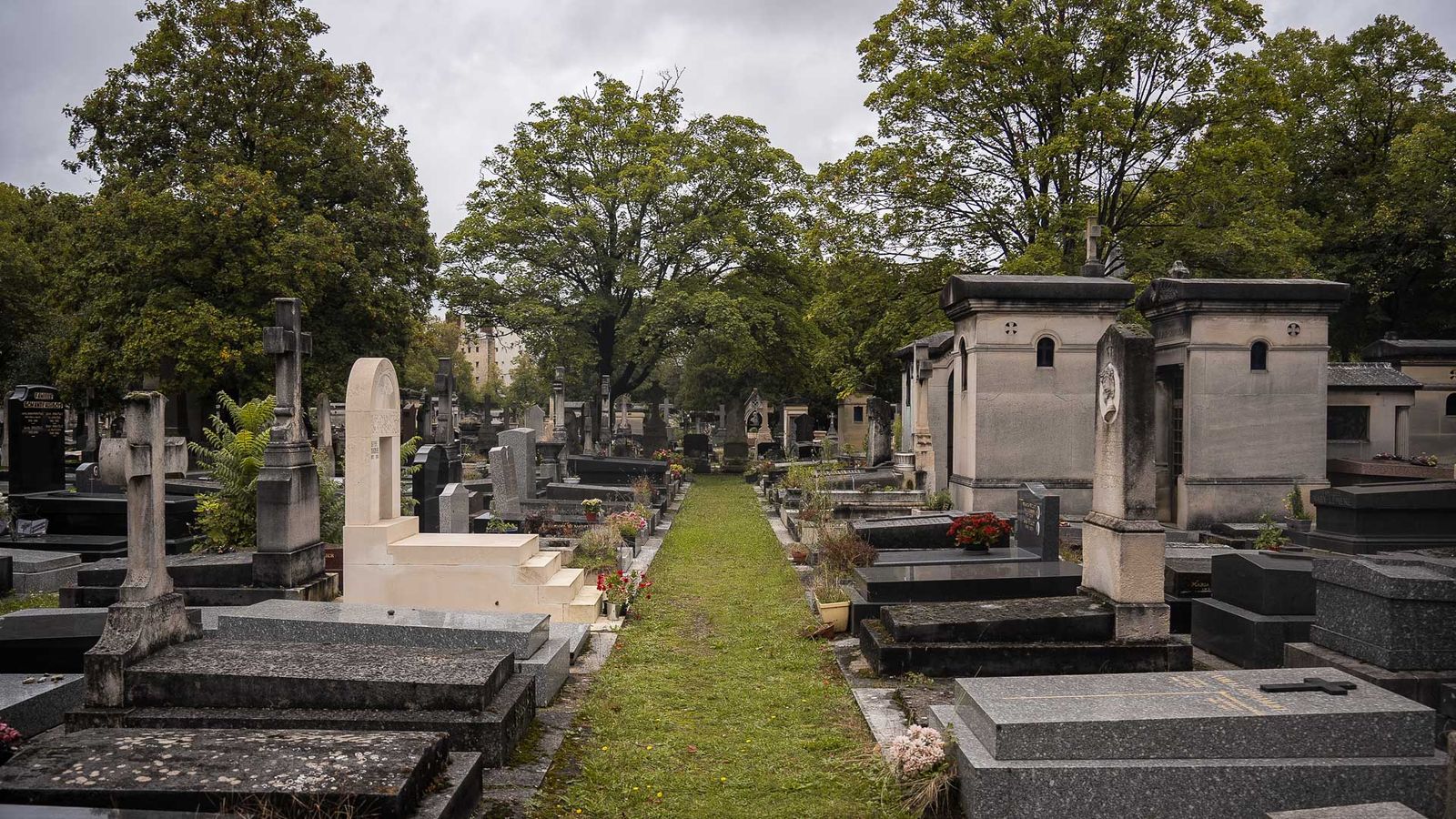
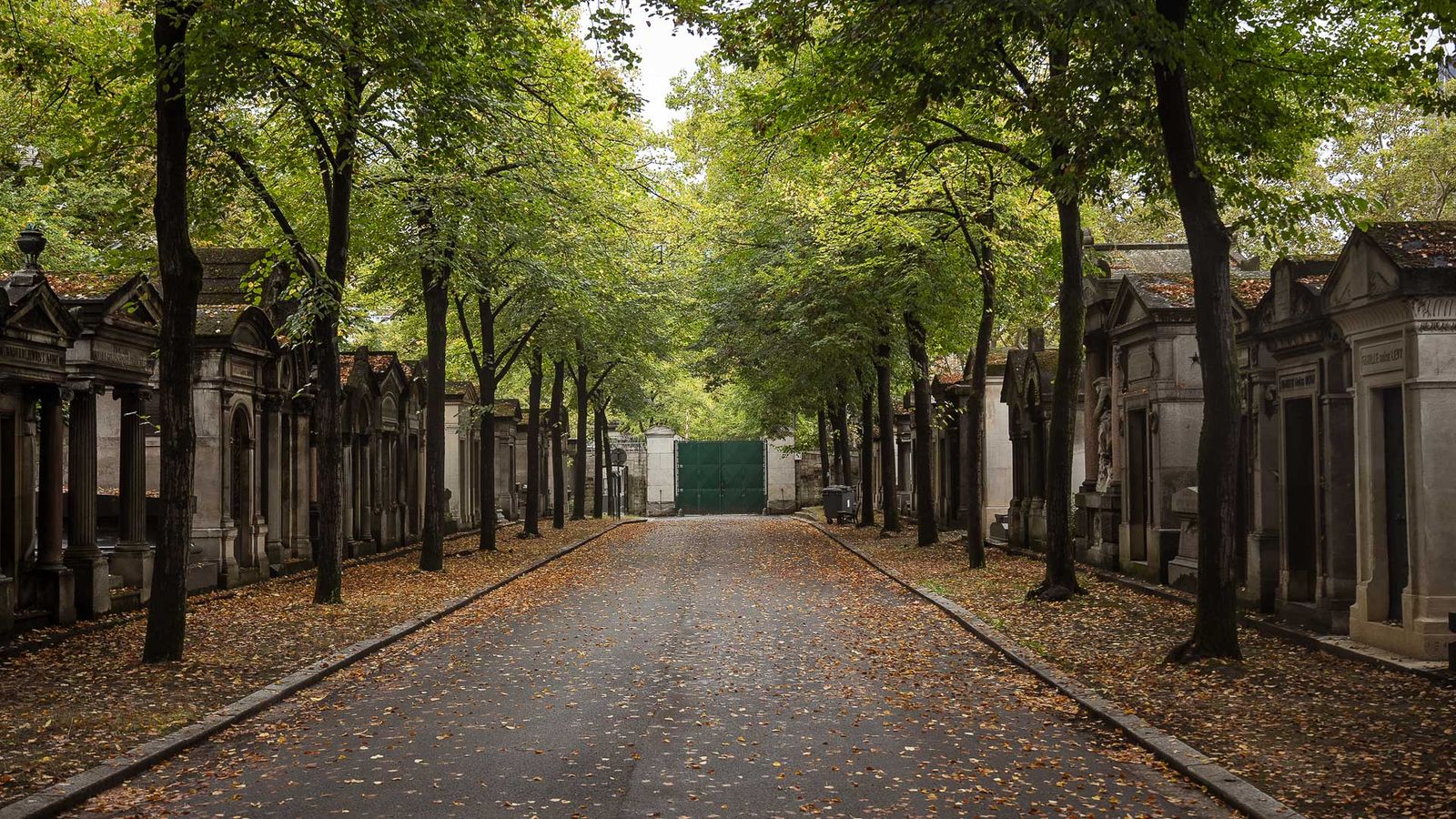
Beyond its historical and cultural significance, Montparnasse Cemetery is one of the greenest spaces in Paris, with over 1,200 trees of 40 different species, such as linden trees, maples, and conifers. This lush, tranquil setting provides a peaceful escape amidst the bustling streets of Paris.
The Cemetery’s 21 divisions are beautifully arranged, creating a serene, almost park-like atmosphere. Visitors can wander through wide avenues, surrounded by the resting places of some of France’s greatest figures.
Famous Graves to Visit
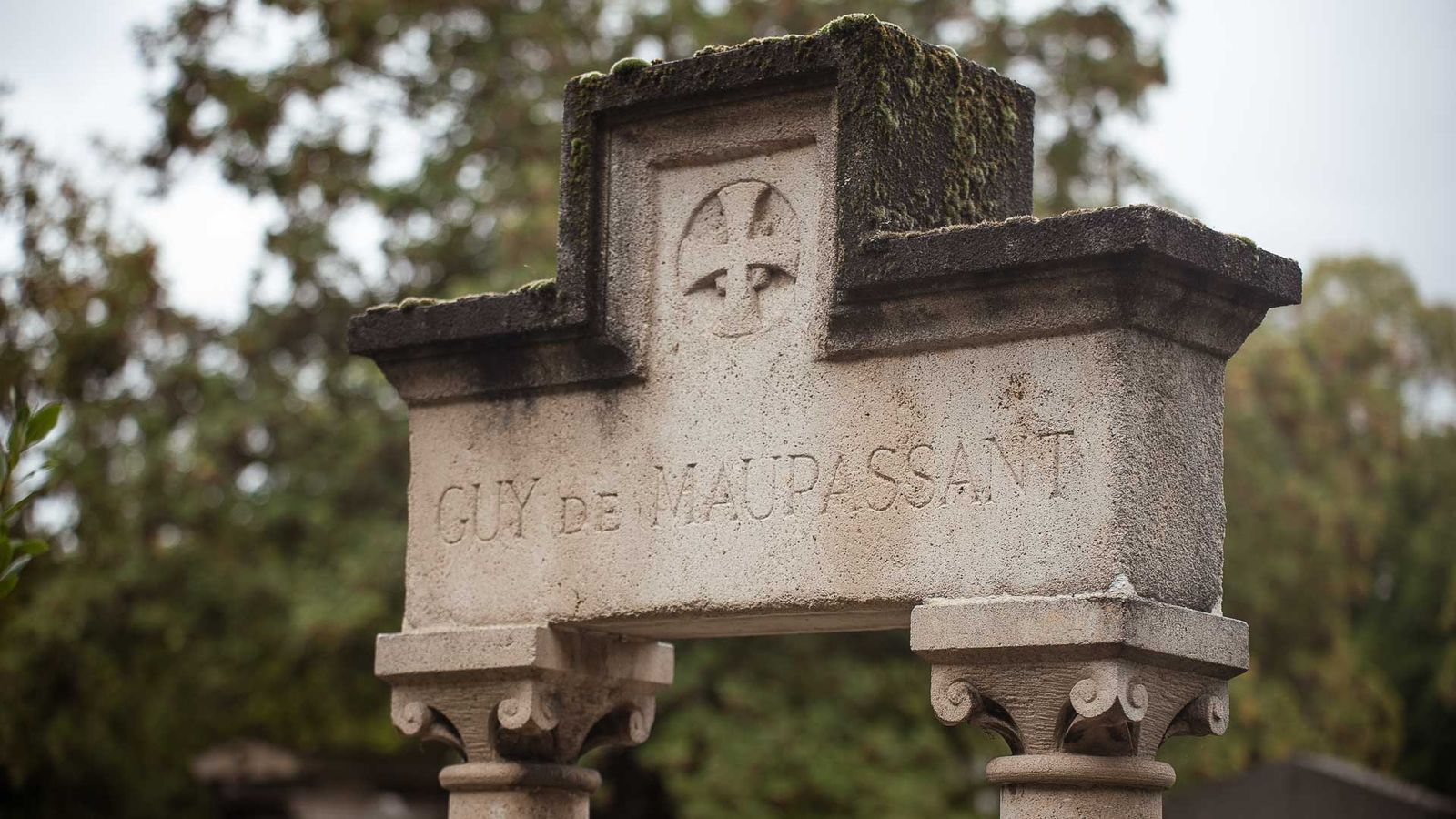
Montparnasse is home to many famous tombs, including the Cénotaph of Charles Baudelaire, the renowned poet, and the graves of Guy de Maupassant, Jean-Paul Sartre and Simone de Beauvoir, key figures in existential philosophy.
You can also visit the final resting places of the artists Man Ray and Boris Vian, who contributed to Paris’ bohemian scene in the 20th century. The grave of Samuel Beckett, the famous playwright, can also be found here, marking the resting place of one of the most significant literary figures of the 20th century.
Monuments of Remembrance
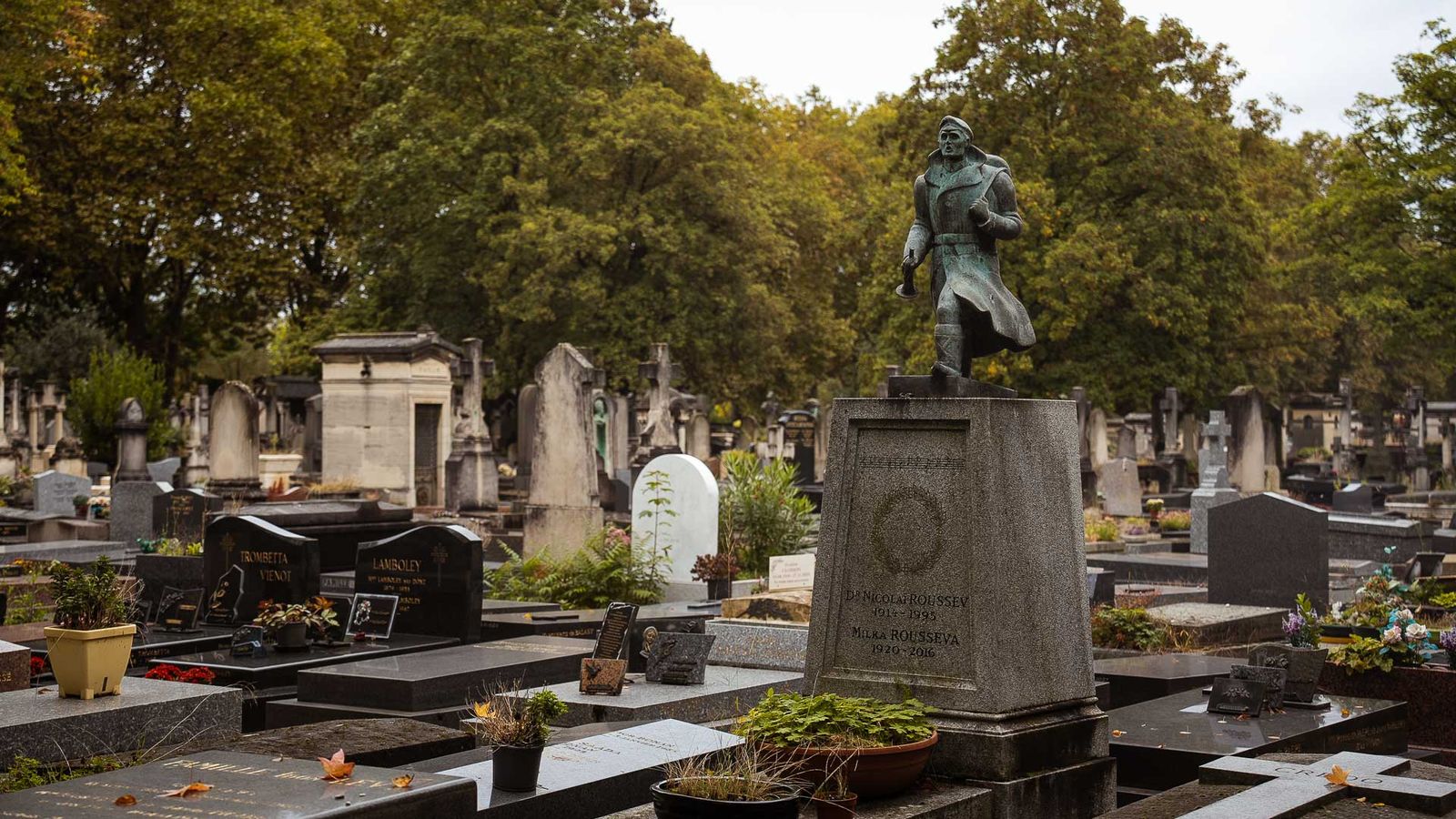
In addition to individual graves, Montparnasse Cemetery features several monuments commemorating significant events in French history.
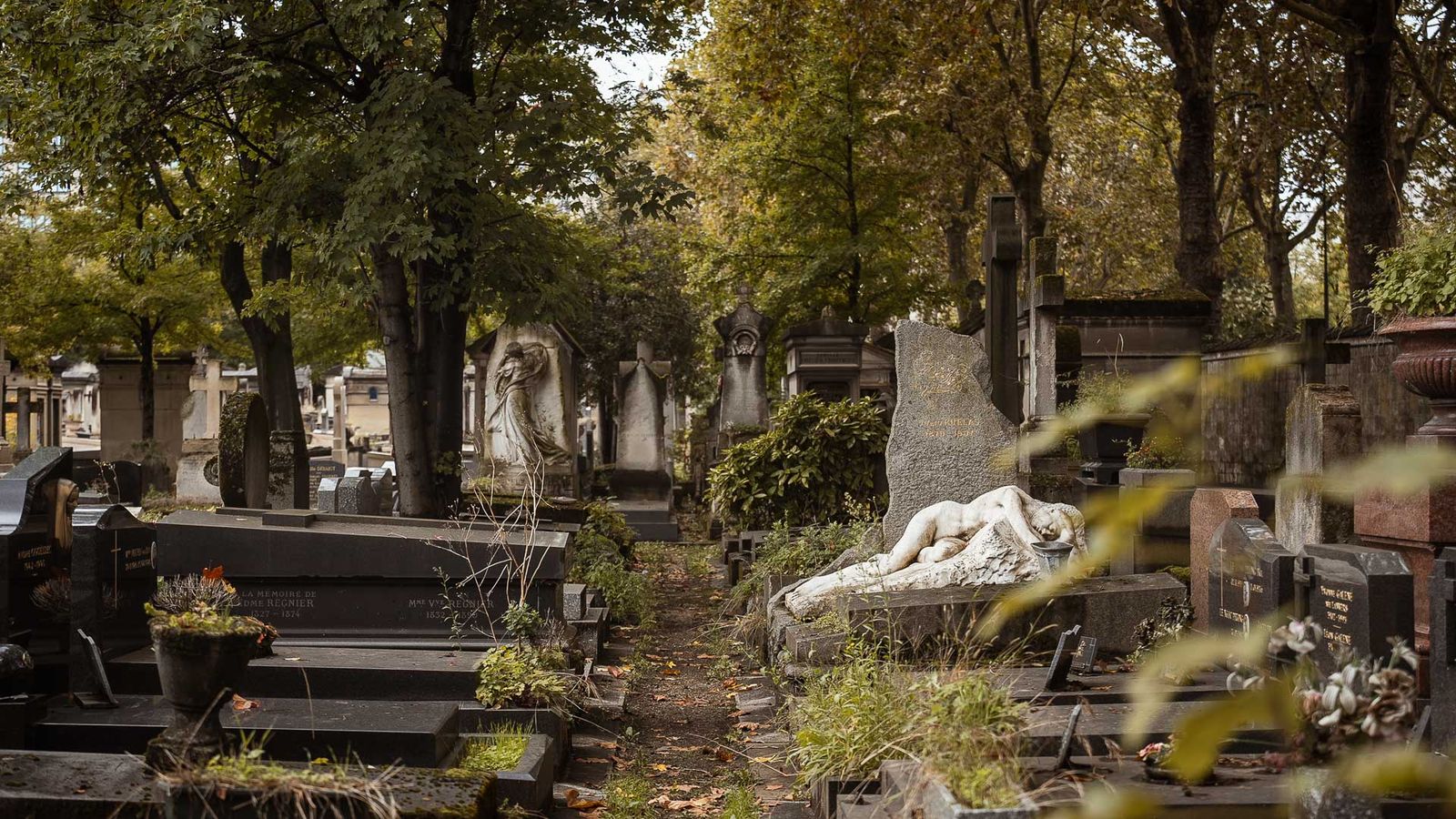
Notable among them are tributes to the French Communards of 1871 and victims of the Franco-Prussian War, marking the struggles of a nation during turbulent times. Monuments such as the Génie du Sommeil Éternel (Angel of Eternal Sleep), created by Horace Daillion, stand as poignant symbols of remembrance and respect.