





The Val-de-Grâce Church is a stunning example of baroque classicizing architecture, rich in history and serving as both a religious and cultural monument. Situated in the 5th arrondissement, this church is not only a place of worship but also a symbol of French devotion, with a fascinating backstory tied to royal promises, revolutionary upheavals, and artistic masterpieces. Join us on a journey through the centuries as we explore the Val-de-Grâce Church, from its royal beginnings to its modern-day significance.
The Royal Promise That Built Val-de-Grâce
The origins of Notre-Dame du Val-de-Grâce date back to 1645 when Anne of Austria, mother of Louis XIV, laid the first stone in a gesture of thanks for the birth of her son. This moment marked the beginning of a grand project, one that would eventually become a royal abbey. While the construction was delayed by political strife and the queen’s temporary disgrace, the church was completed in 1655, becoming a monument to the royal family’s faith and gratitude. Anne of Austria’s vision for this church is still visible today, especially in its dedication to the Virgin Mary and the Holy Child, symbolizing both the monarchy’s hopes and the divine gift of a future king.
Architectural Mastery: A Baroque Triumph
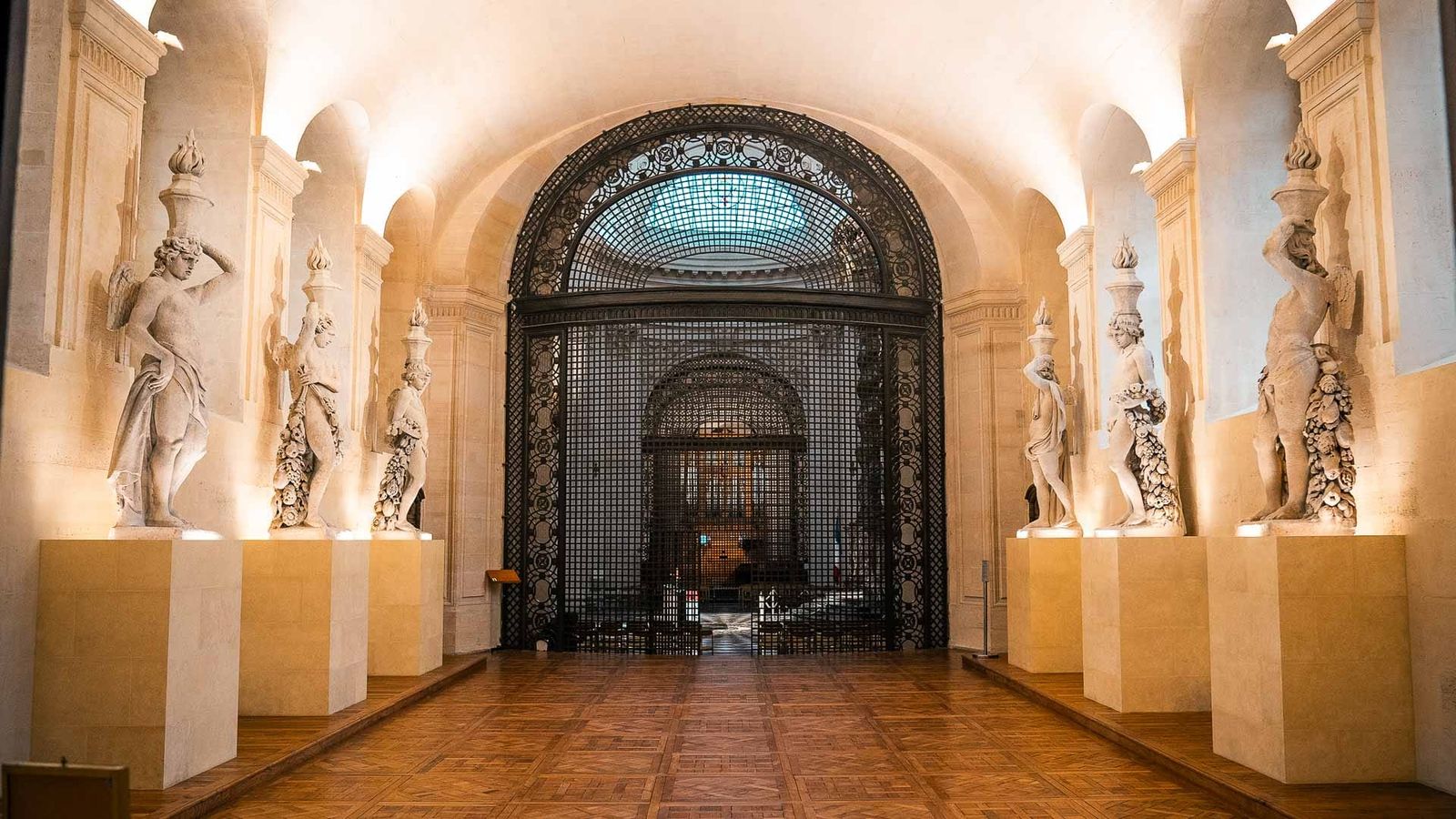
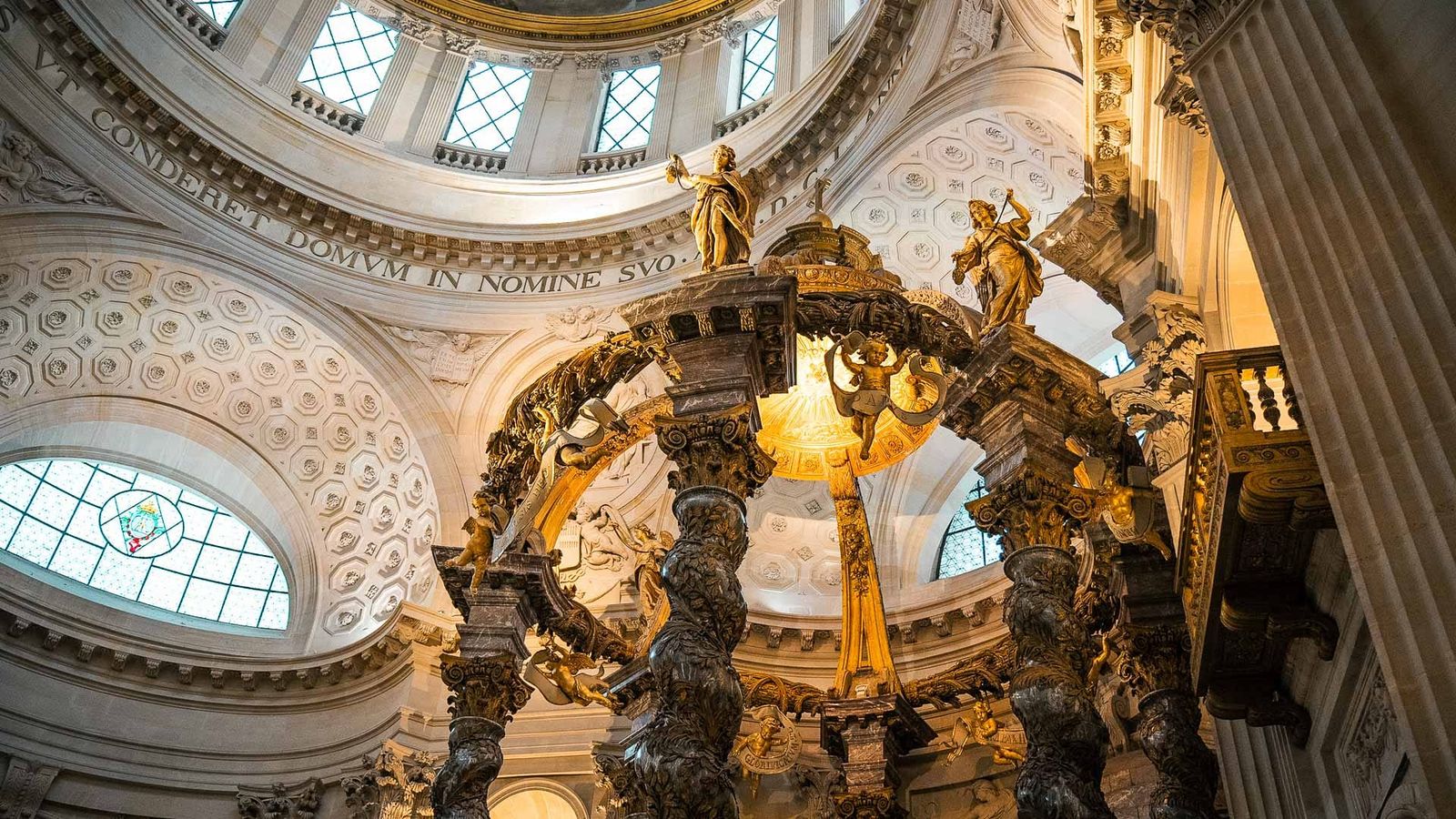
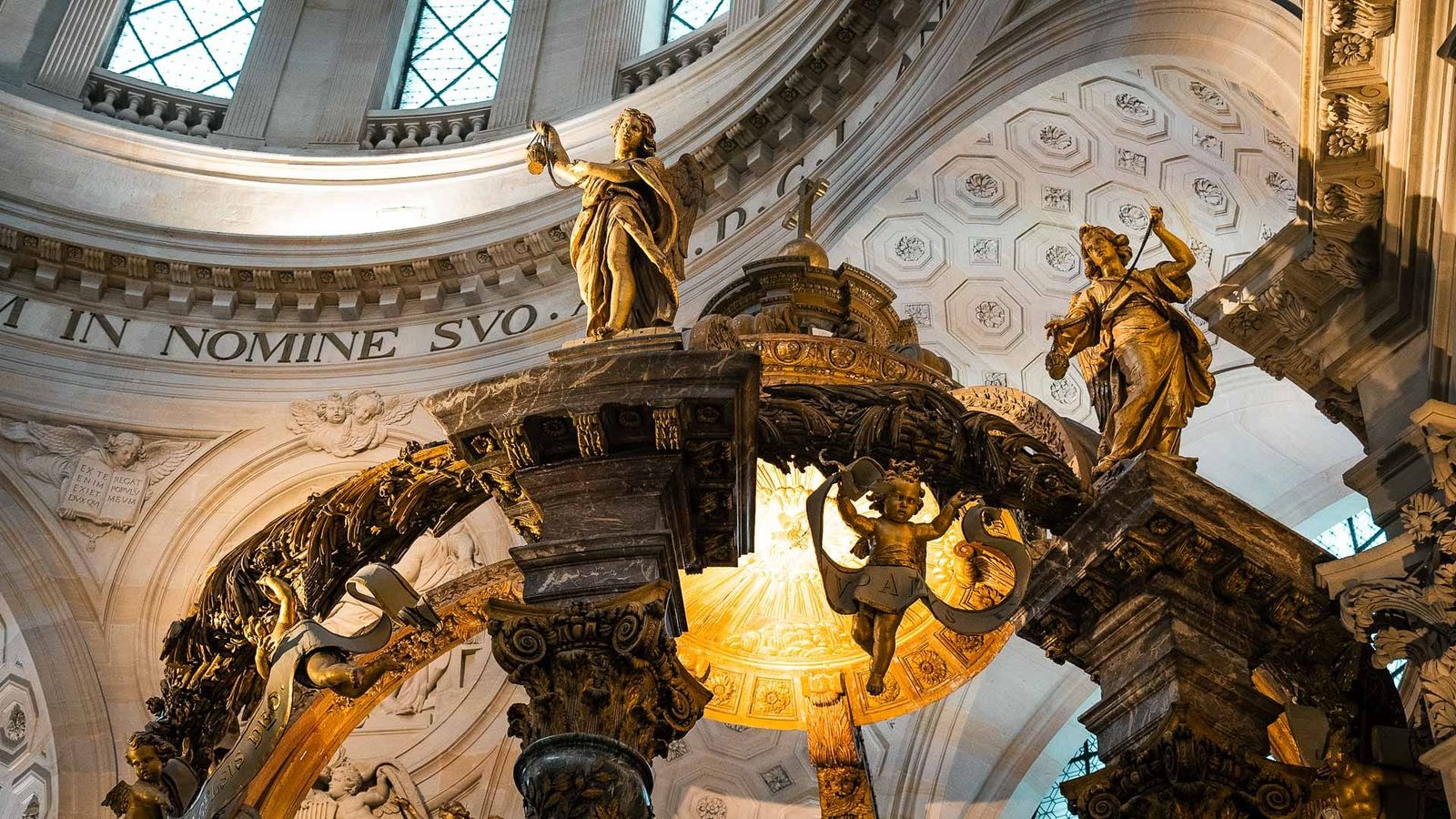
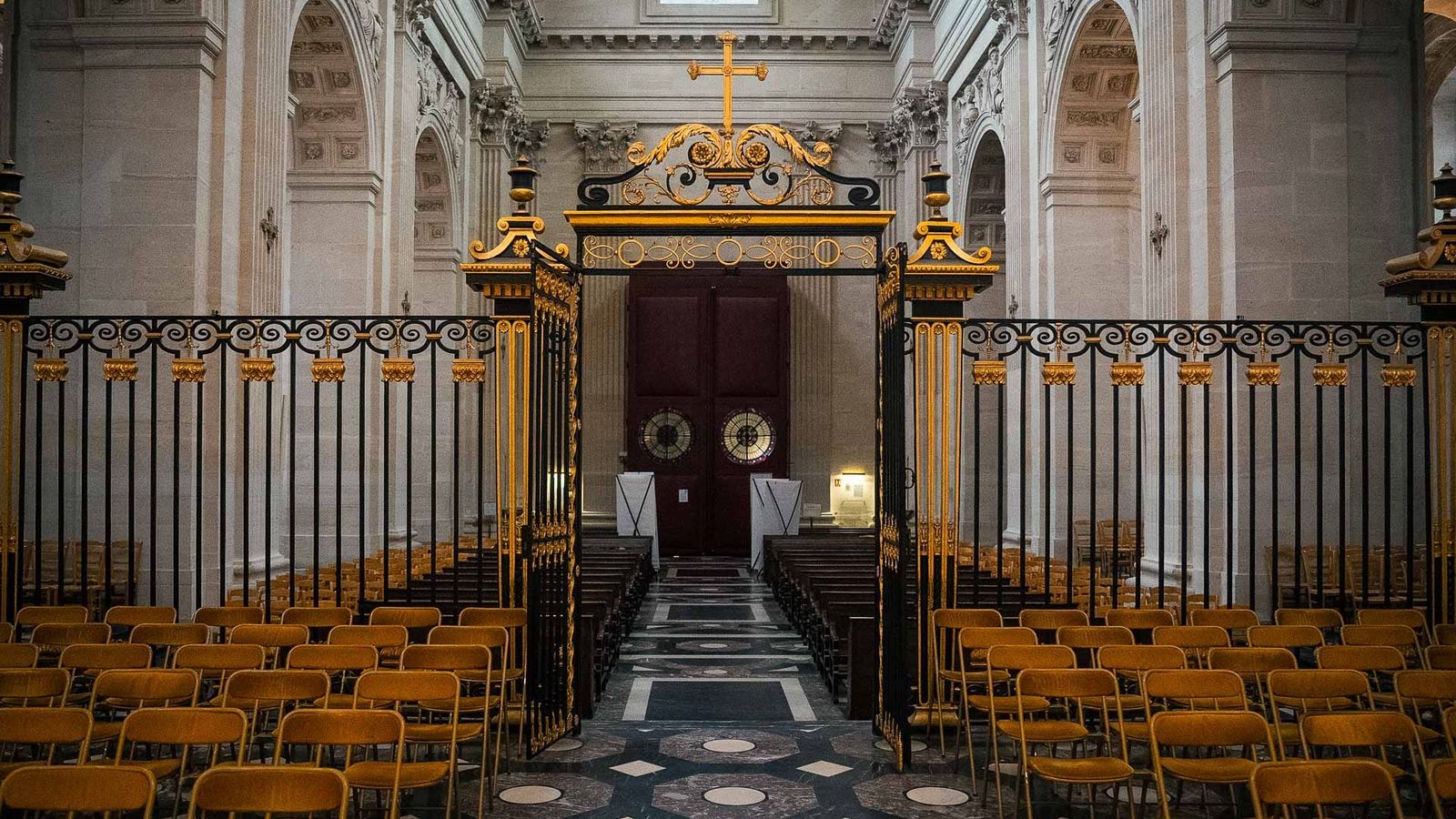
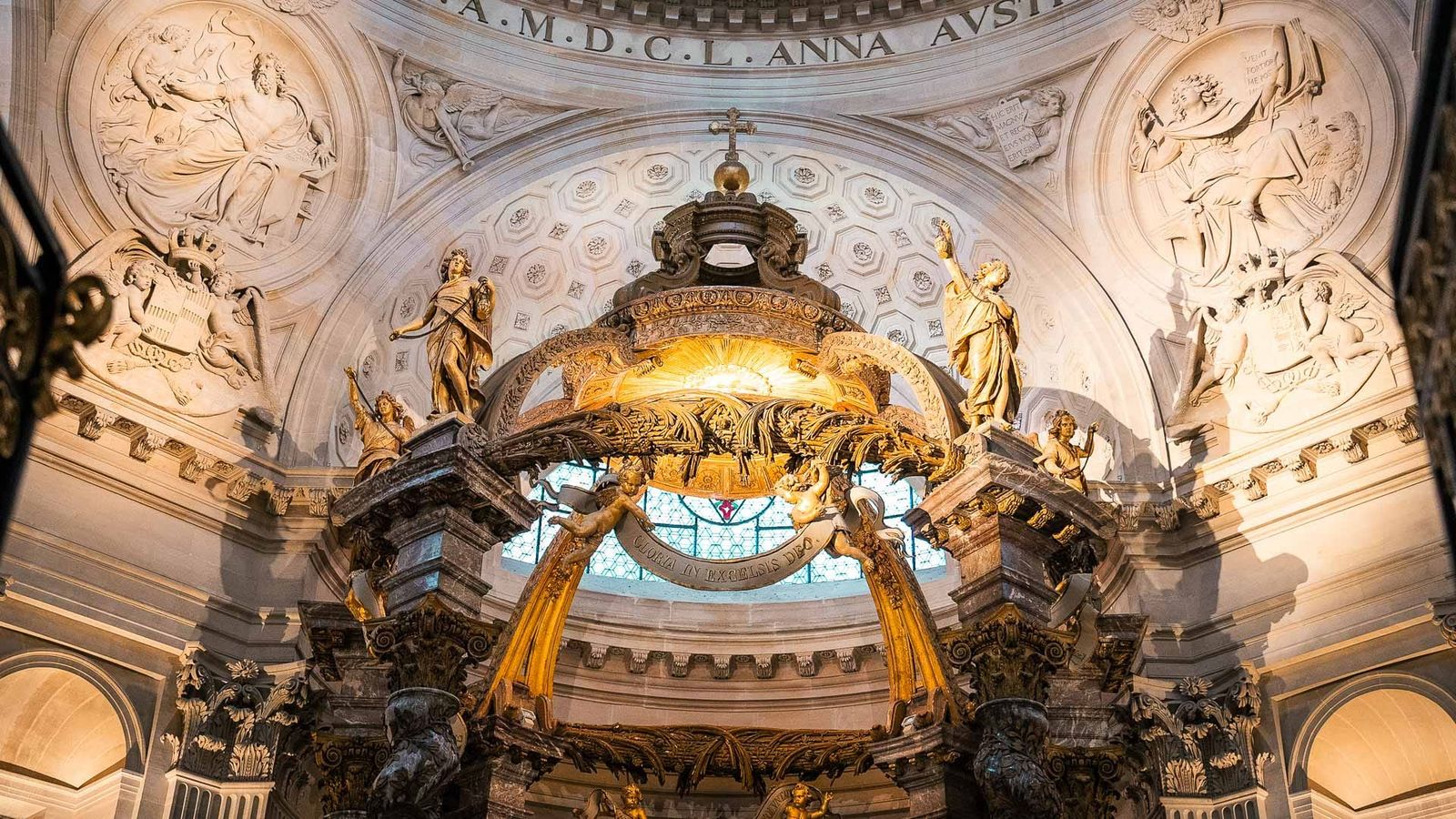
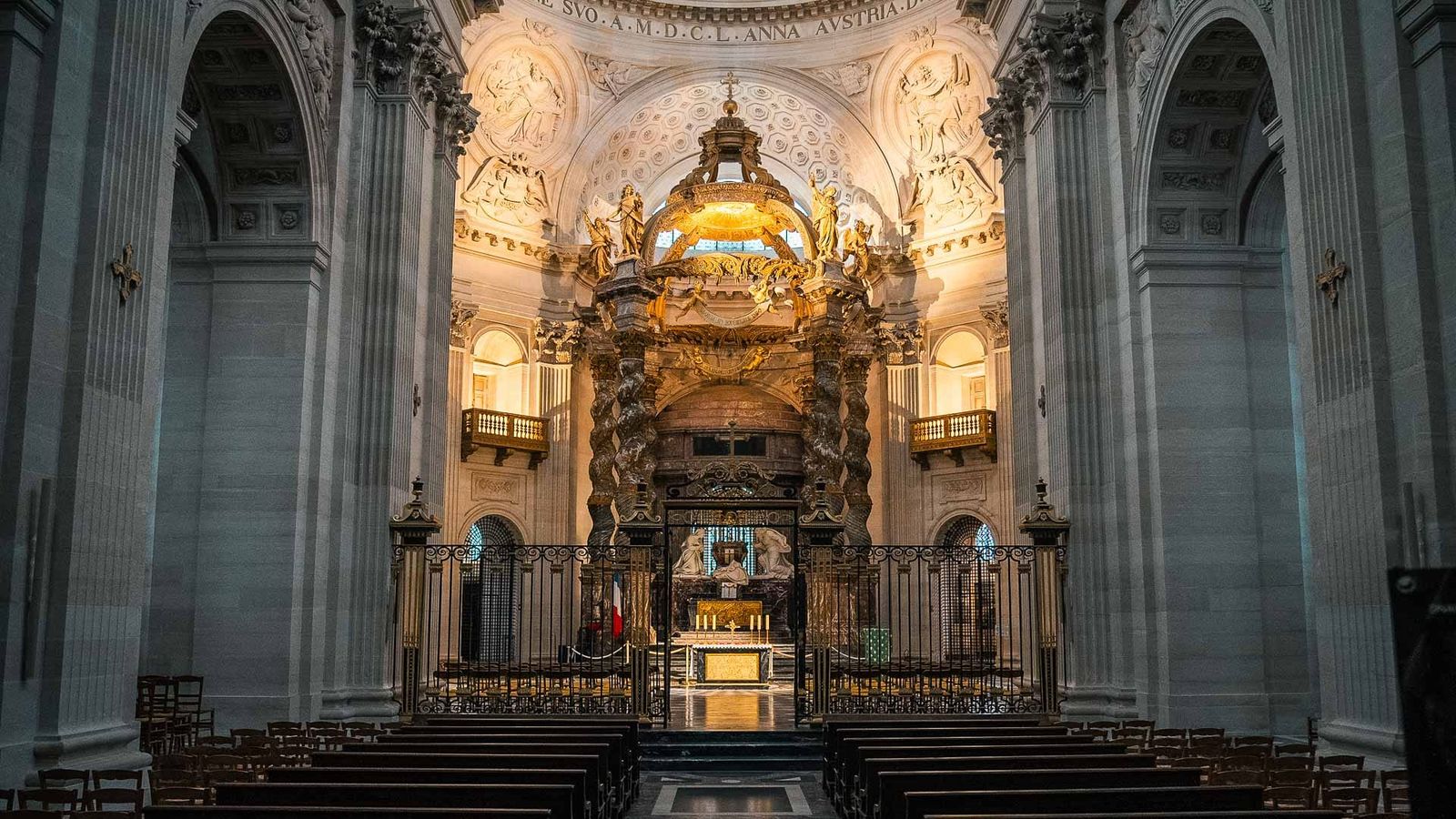
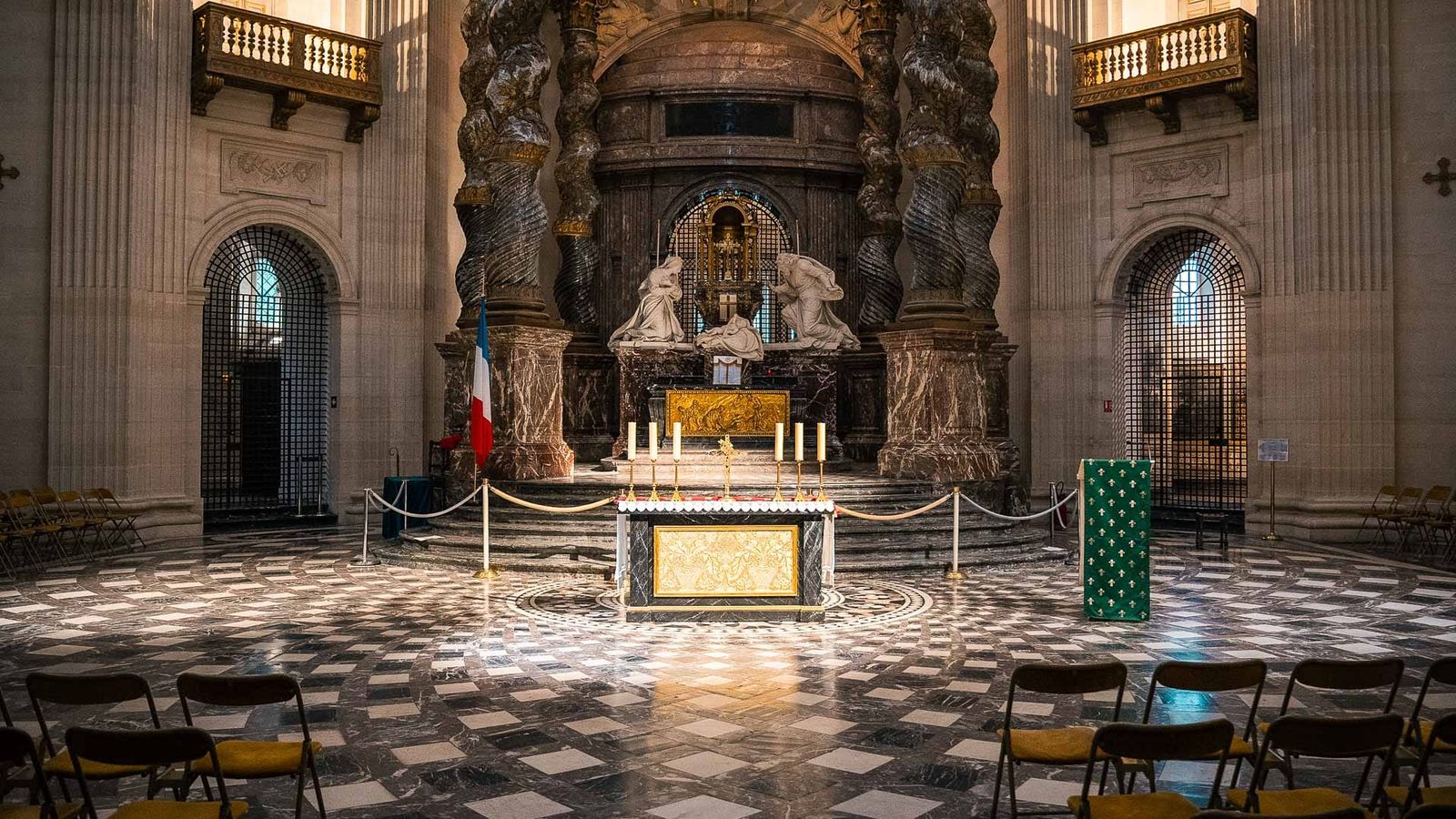
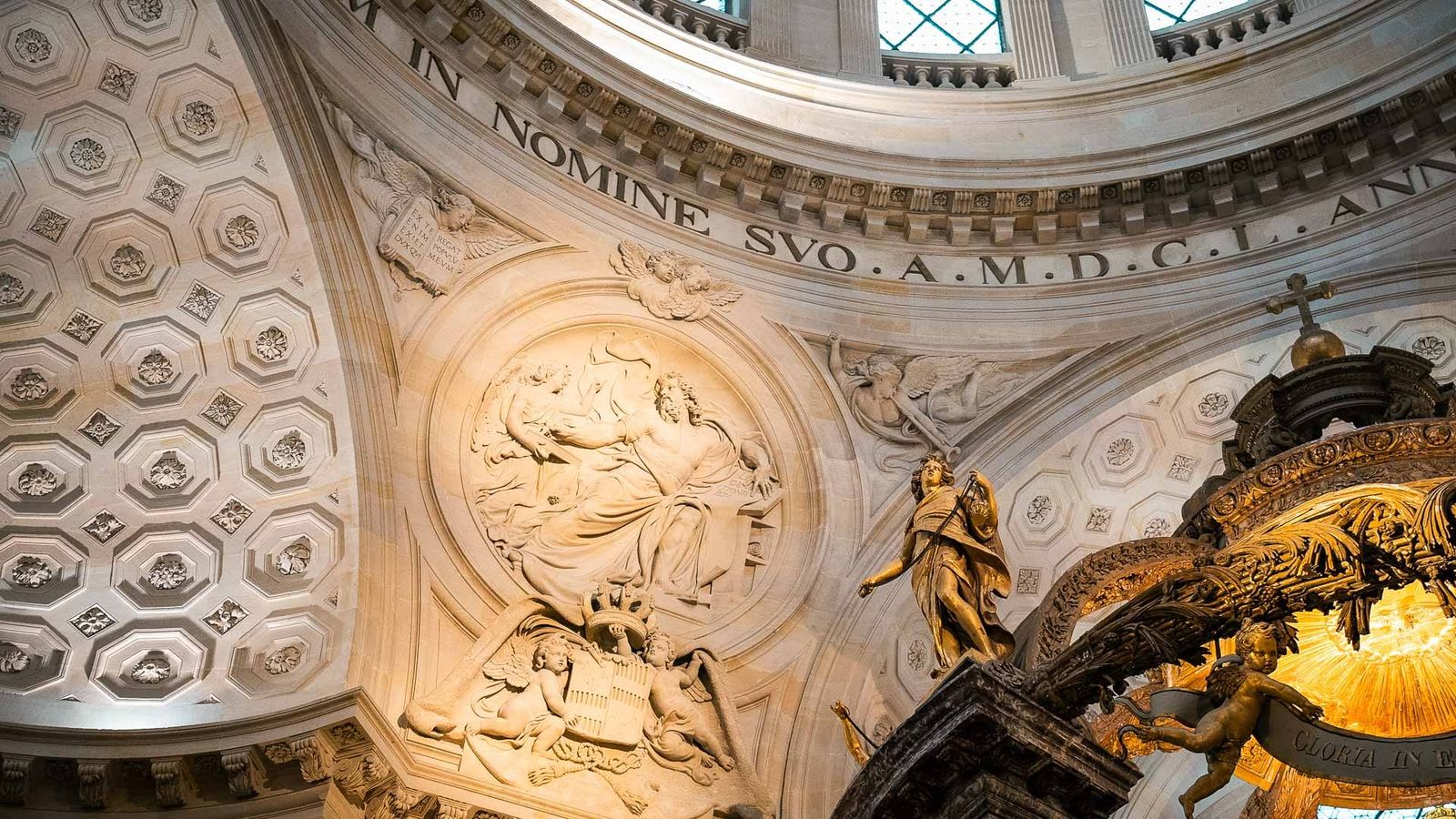
The architecture of Val-de-Grâce stands as a fine example of French Baroque with a touch of classicism. Designed initially by François Mansart, the church’s plan features a Latin cross with a grand dome visible from the square. The church’s facade—composed of two levels of columns—exhibits vertical lines and horizontal entablatures, creating a balanced and dignified entrance. The dome, with its painted fresco “La Gloire des Bienheureux” by Pierre Mignard, adds an ethereal beauty to the space. The baldachin, inspired by St. Peter’s Basilica in Rome, crowns the altar and is a magnificent work of art in itself.
From Abbey to Military Hospital: A Story of Survival
During the French Revolution, the abbey was disbanded, and the church served various purposes, including as a storehouse for military supplies. In 1793, it was converted into a military hospital, which, rather than leading to its destruction, preserved the church’s architectural splendor. After restoration in the early 19th century, it was reopened for worship in 1826 and became the military church for the French Army. This transformation from royal abbey to military hospital underscores the adaptability and historical resilience of the building.
The Magnificent Sculptures and Artworks
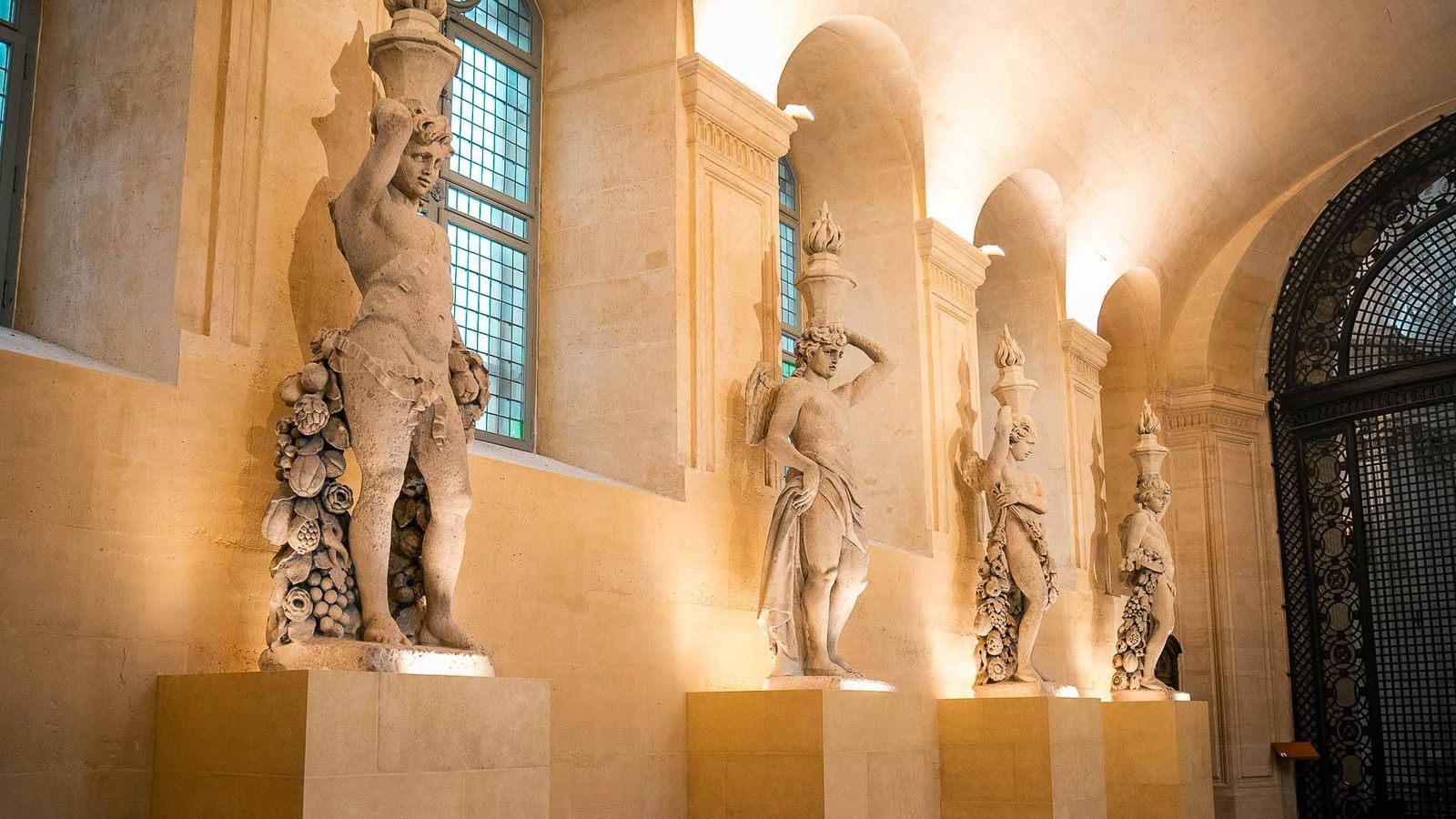
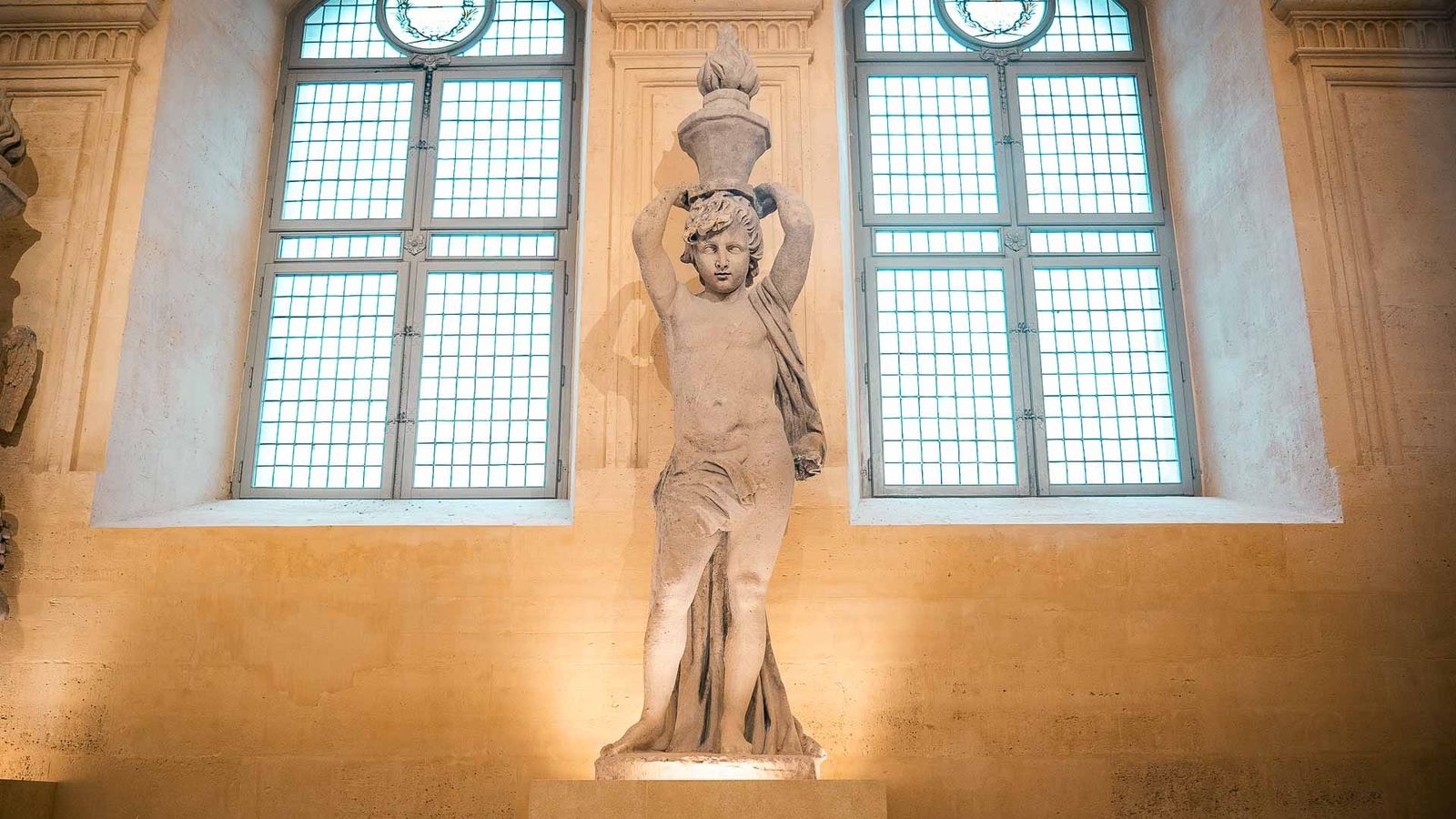
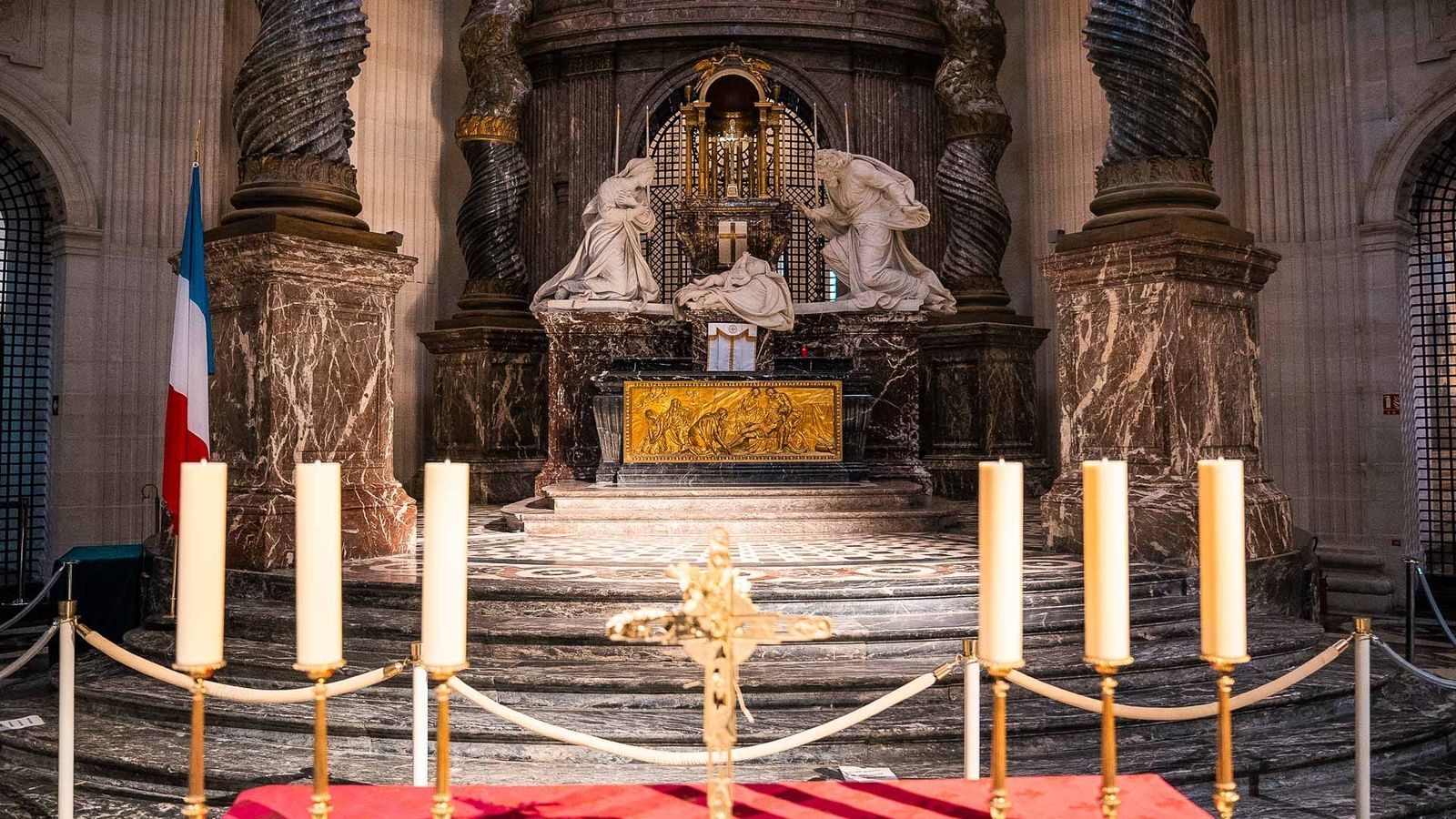
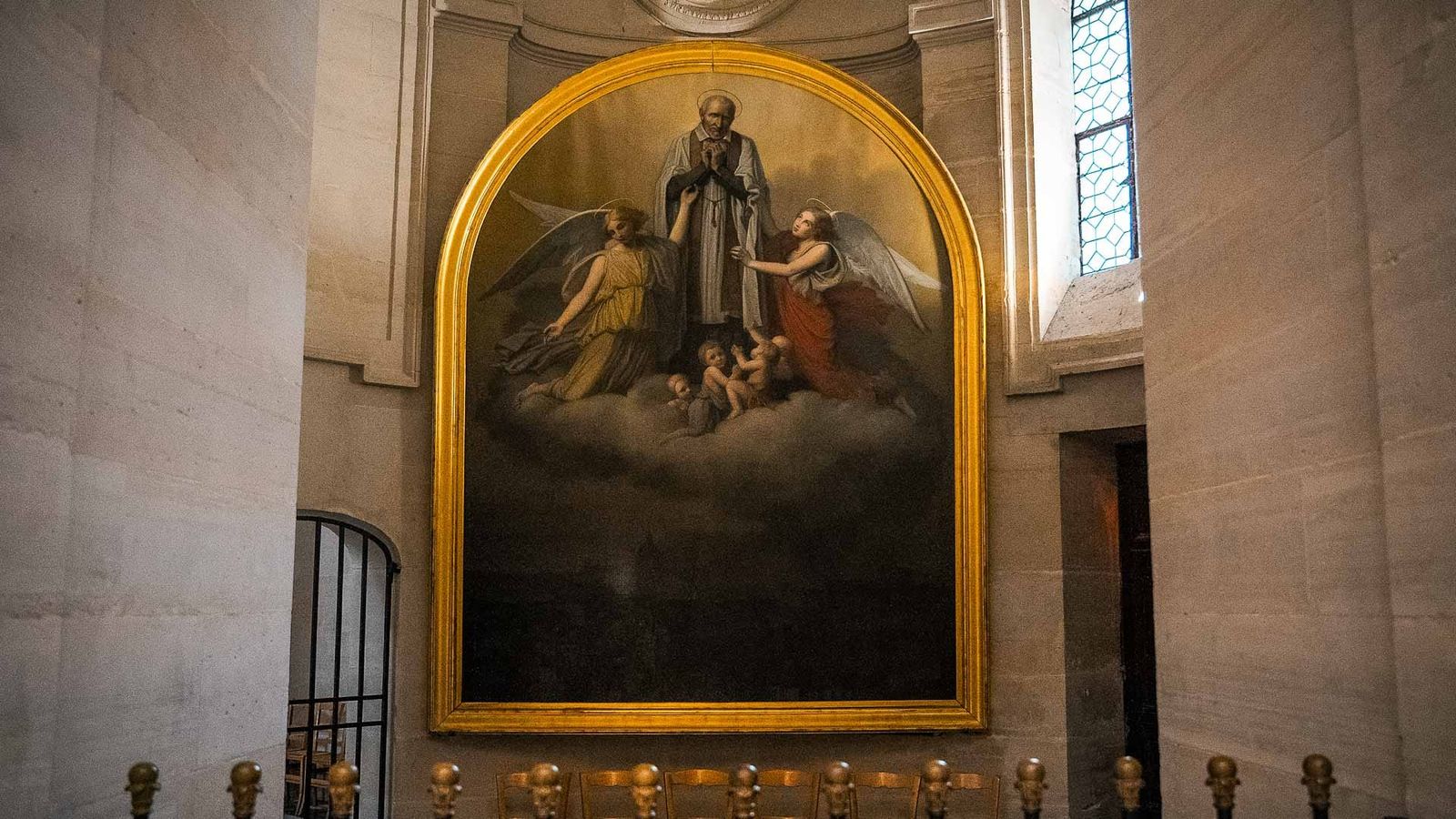
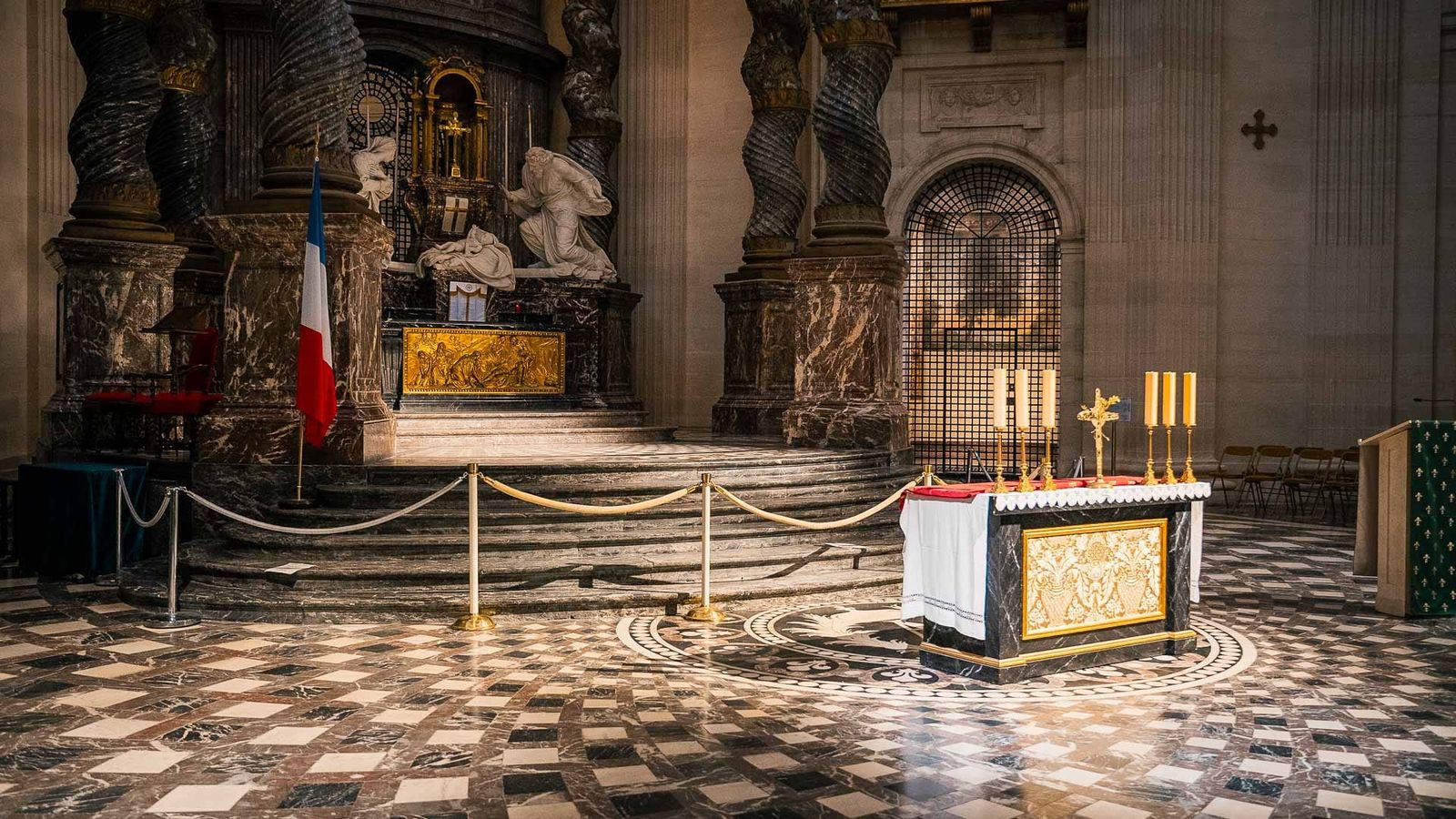
Inside Val-de-Grâce, you’ll find some of the most remarkable works of art from the 17th century, including sculptures by the famous artist Michel Anguier, known for his work with Gian Lorenzo Bernini in Rome. The church houses a stunning Nativity scene, originally commissioned for the altar, and now celebrated as one of the finest examples of French Baroque sculpture. The baldaquin above the altar, designed by Gabriel Le Duc, evokes the grandeur of Saint Peter’s Basilica in Rome, providing a magnificent frame for the Nativity. These artistic treasures not only highlight the religious significance of the church but also showcase the incredible craftsmanship of the era.