













The Gardens of Versailles: A History of Transformation and Legacy
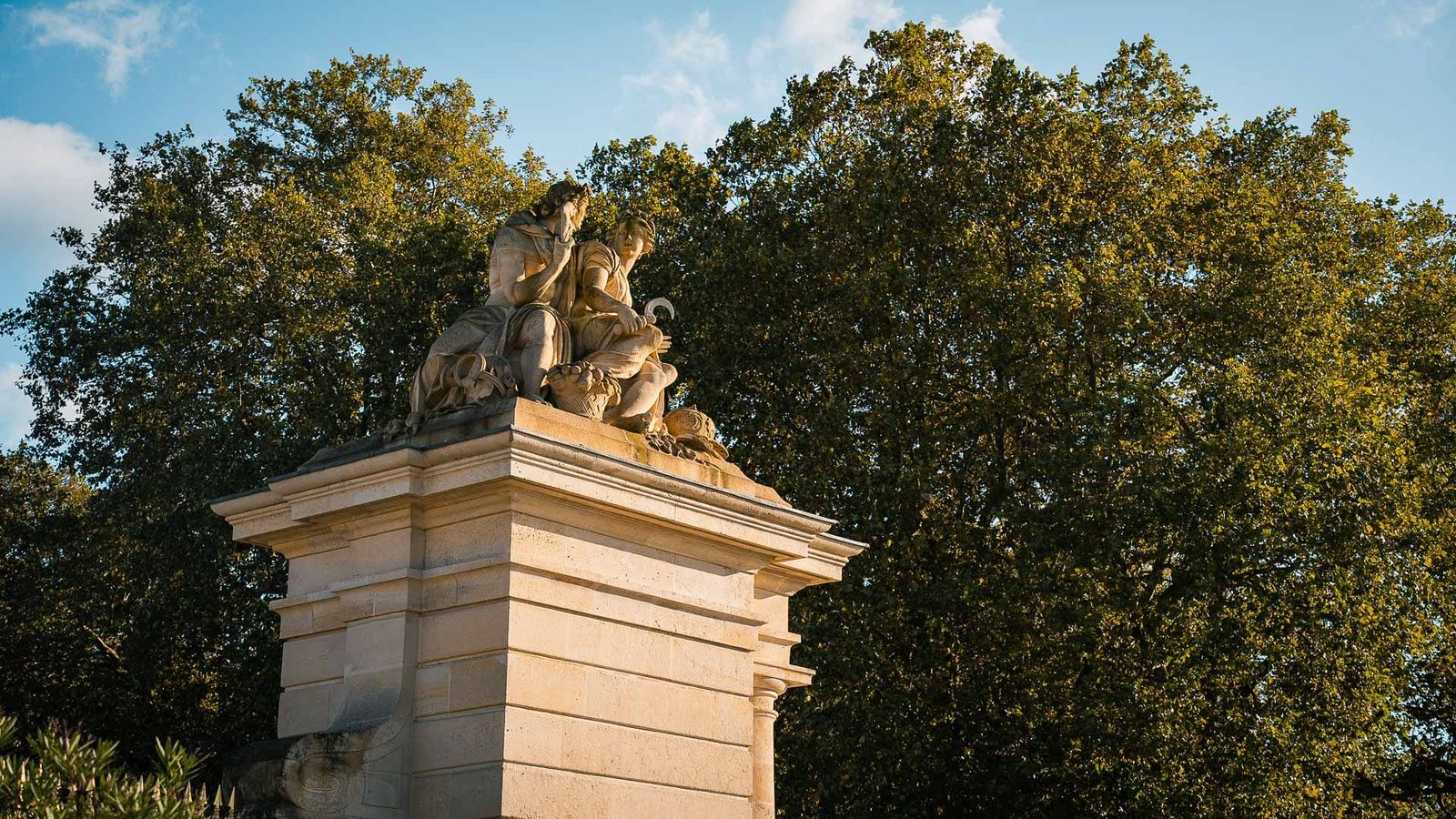
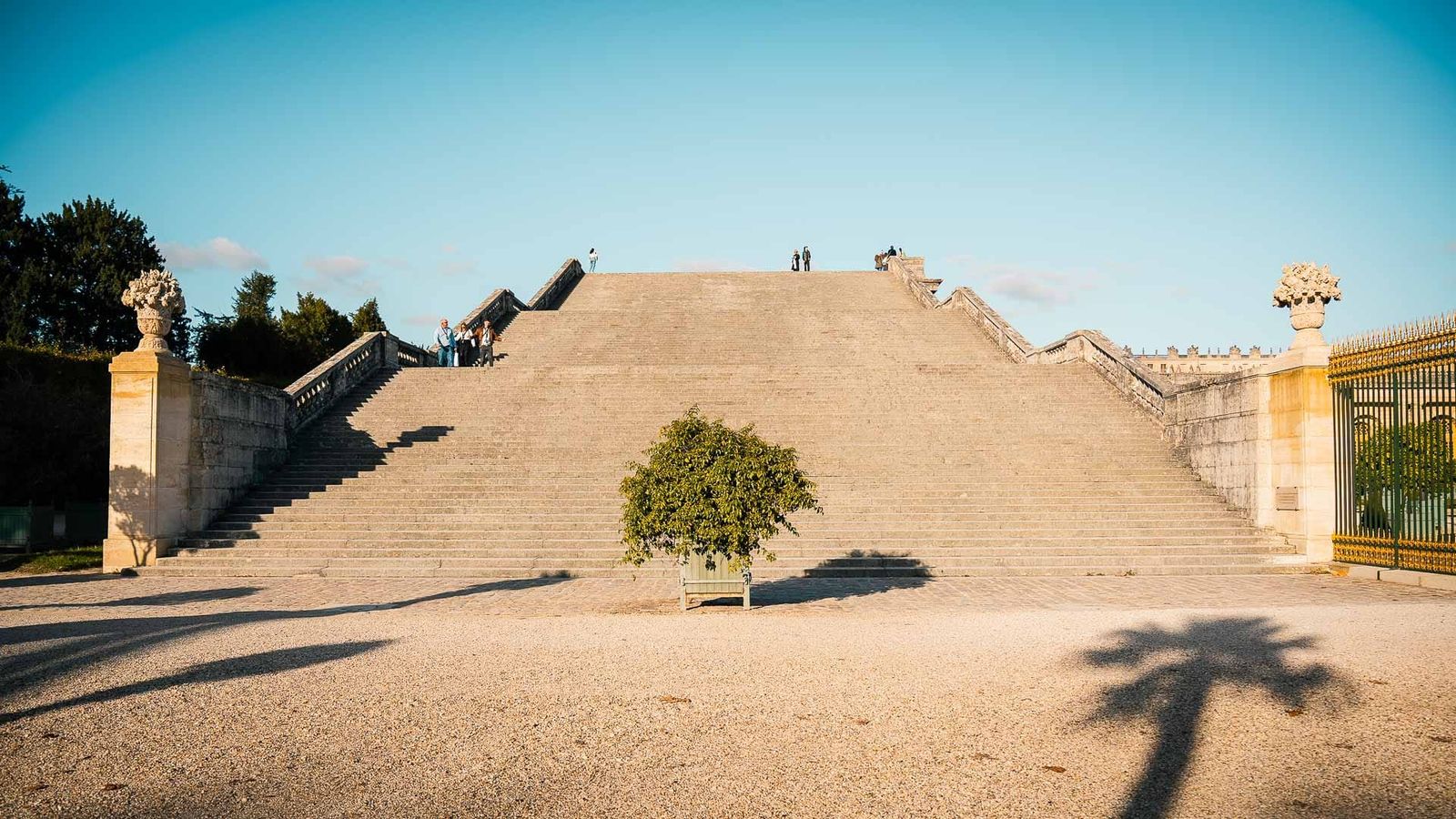
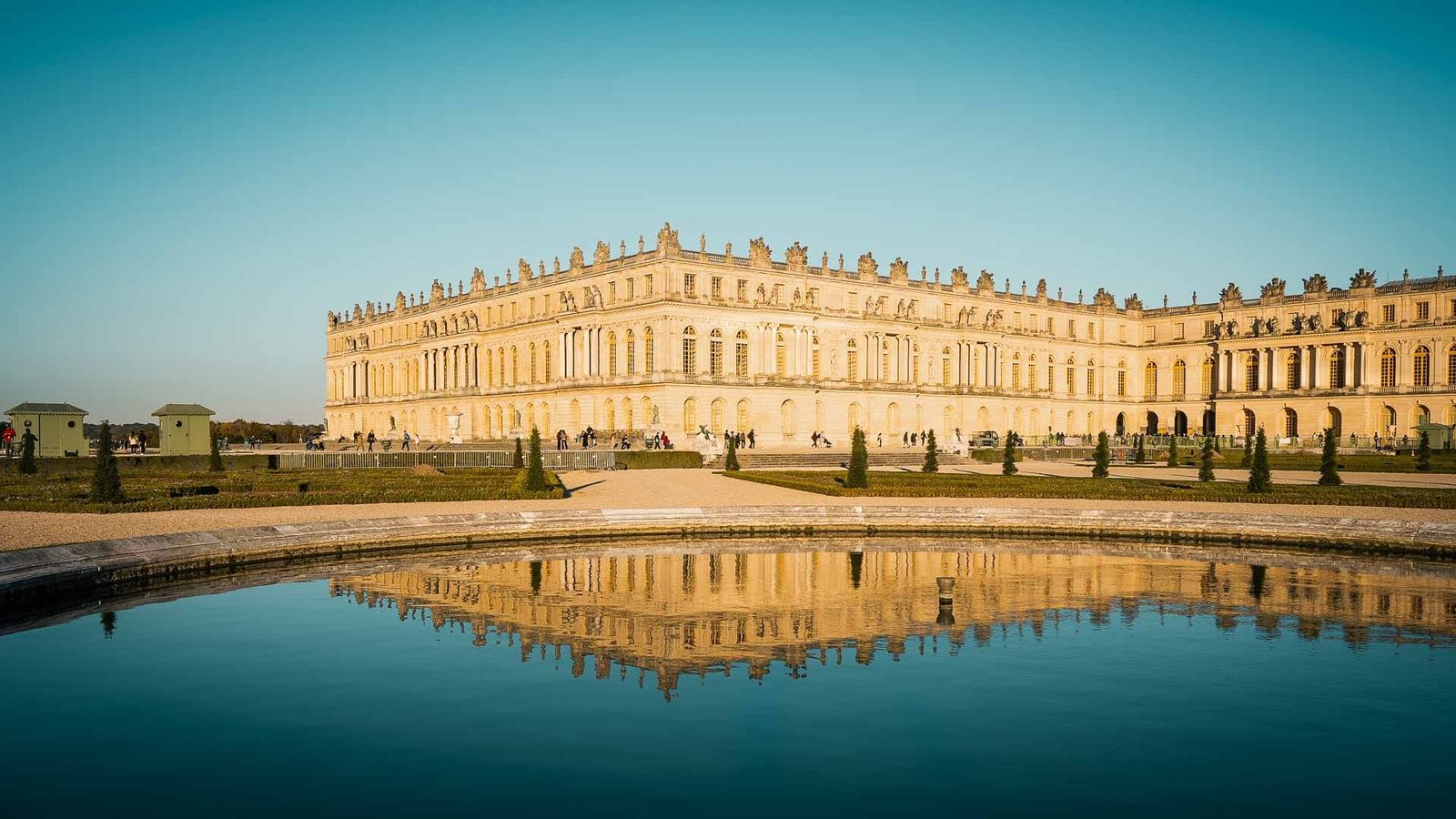
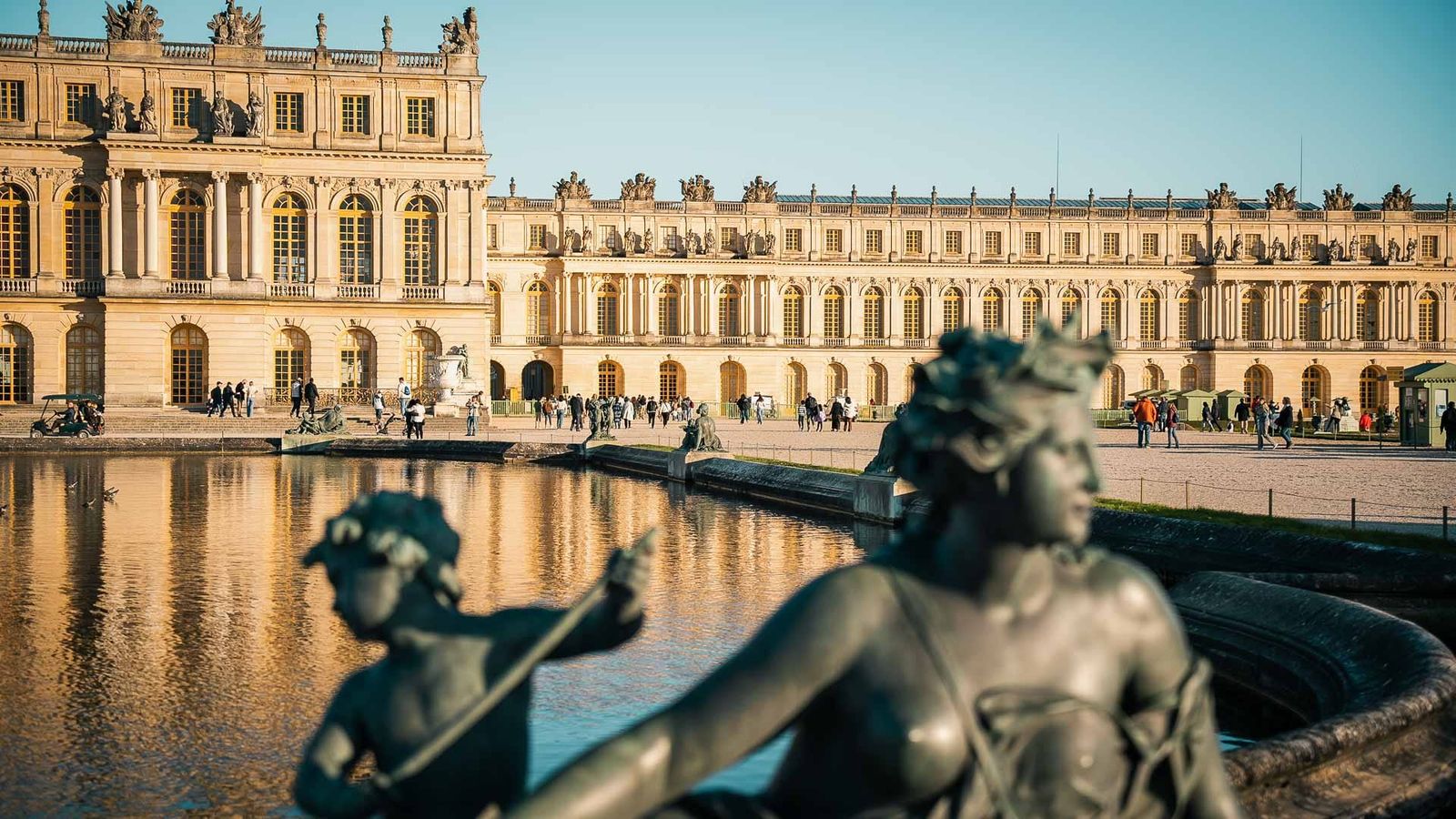
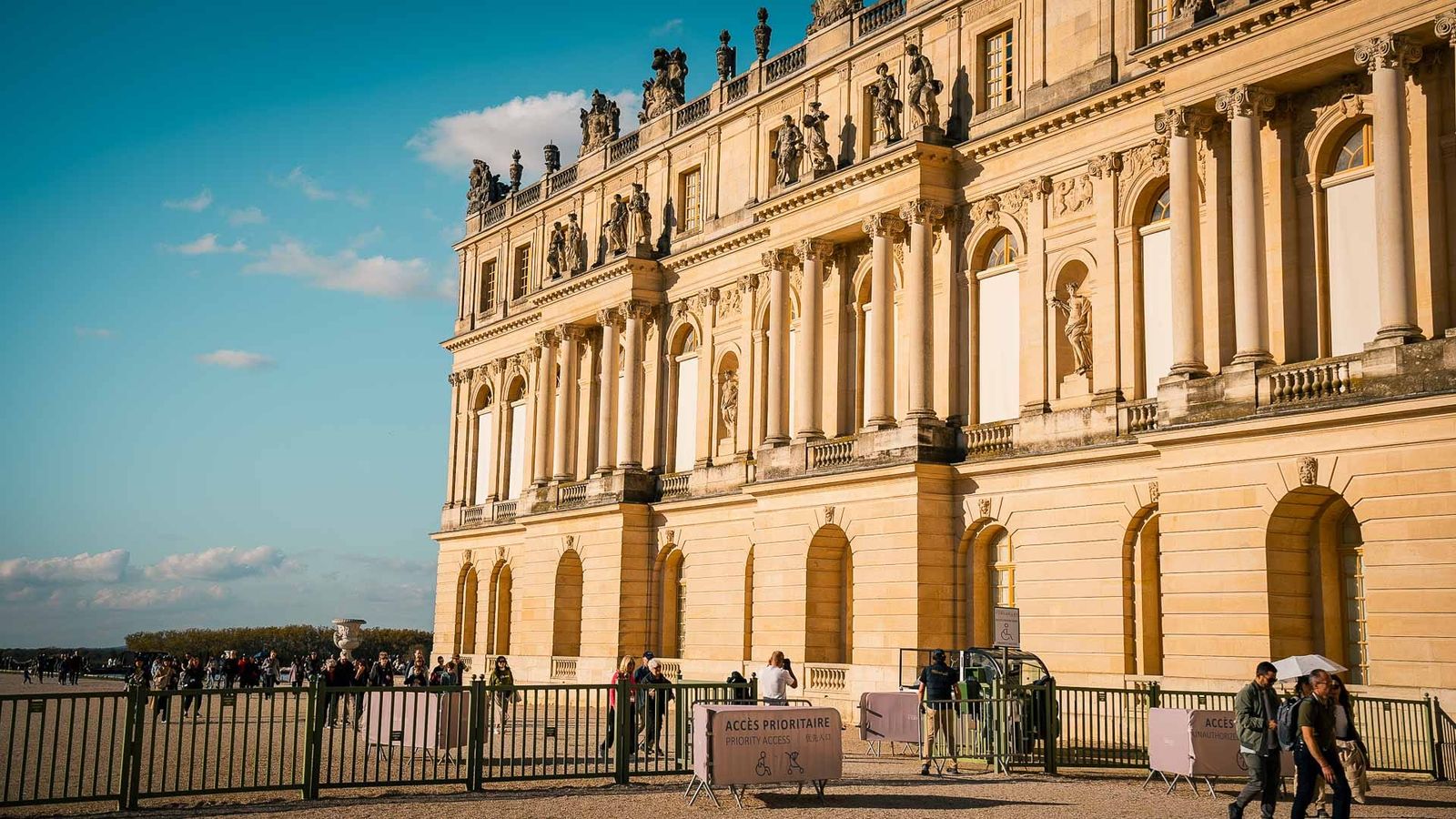
The Gardens of Versailles Palace are one of the most iconic achievements of French formal garden design. Originally laid out by André Le Nôtre under the reign of Louis XIV, these gardens have undergone numerous transformations across different historical periods.
Each phase of change reflects the shifting tastes and political contexts of the times—from the grandeur of the Sun King’s reign to the intimate, romantic vision of Louis XVI and Marie Antoinette, followed by the upheaval of the French Revolution, the Napoleonic era, and the Restoration.
Louis XIV: The Sun King’s Vision
Louis XIV’s reign marked a period of absolute power consolidation, with Versailles as the focal point of his court. Le Nôtre’s design, which began in 1661, was a monumental undertaking showcasing French formalism at its peak.
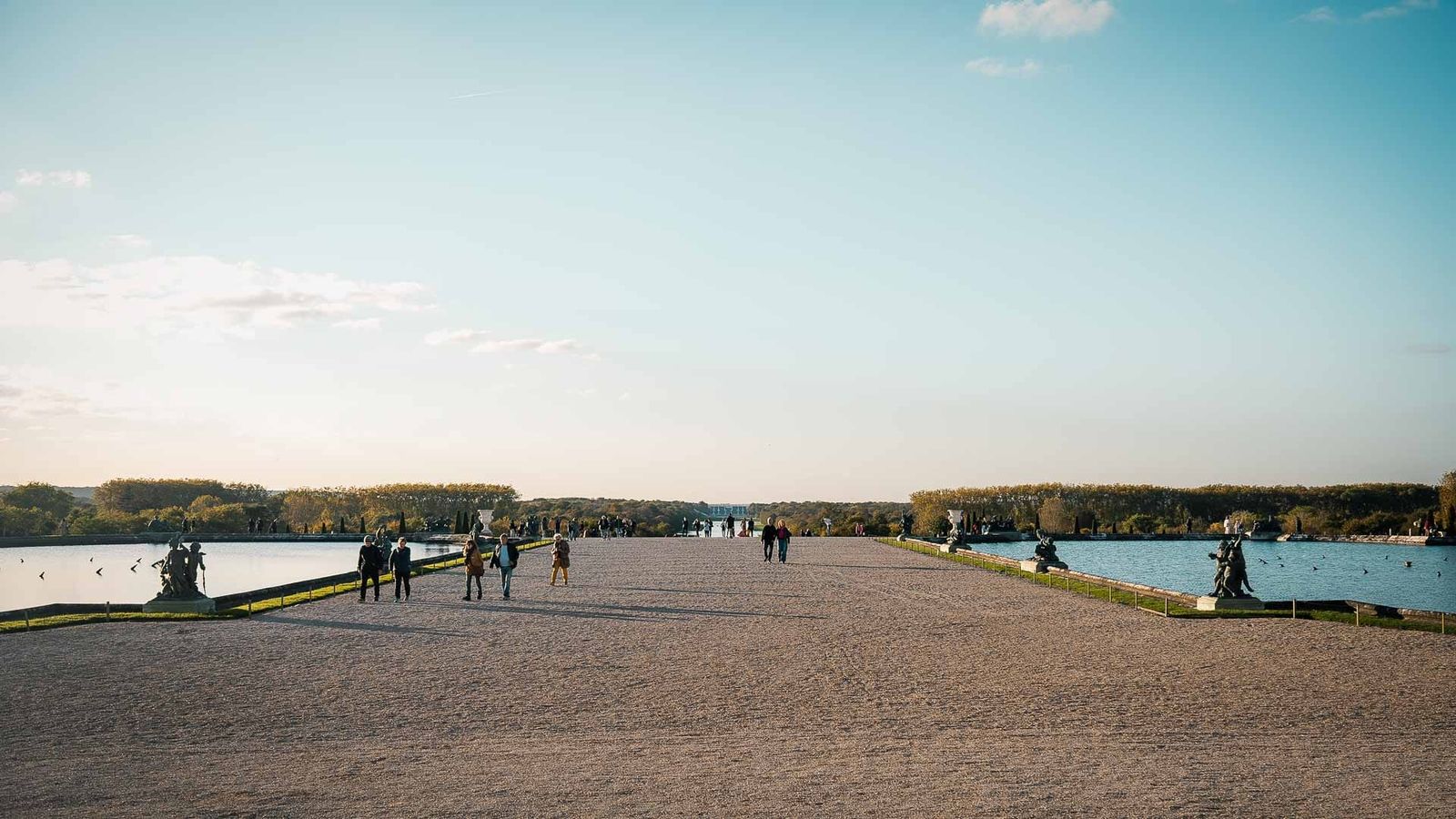
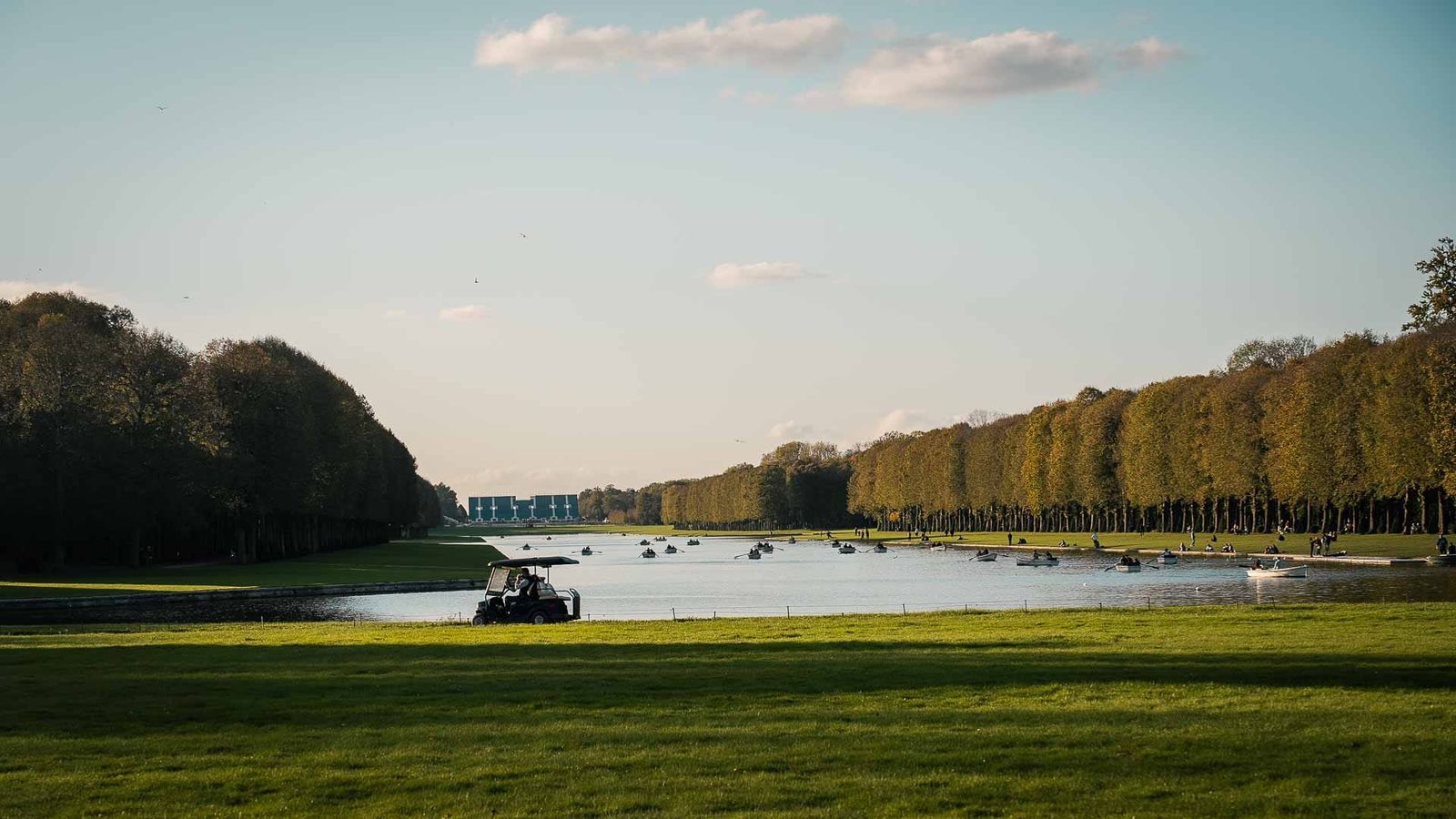
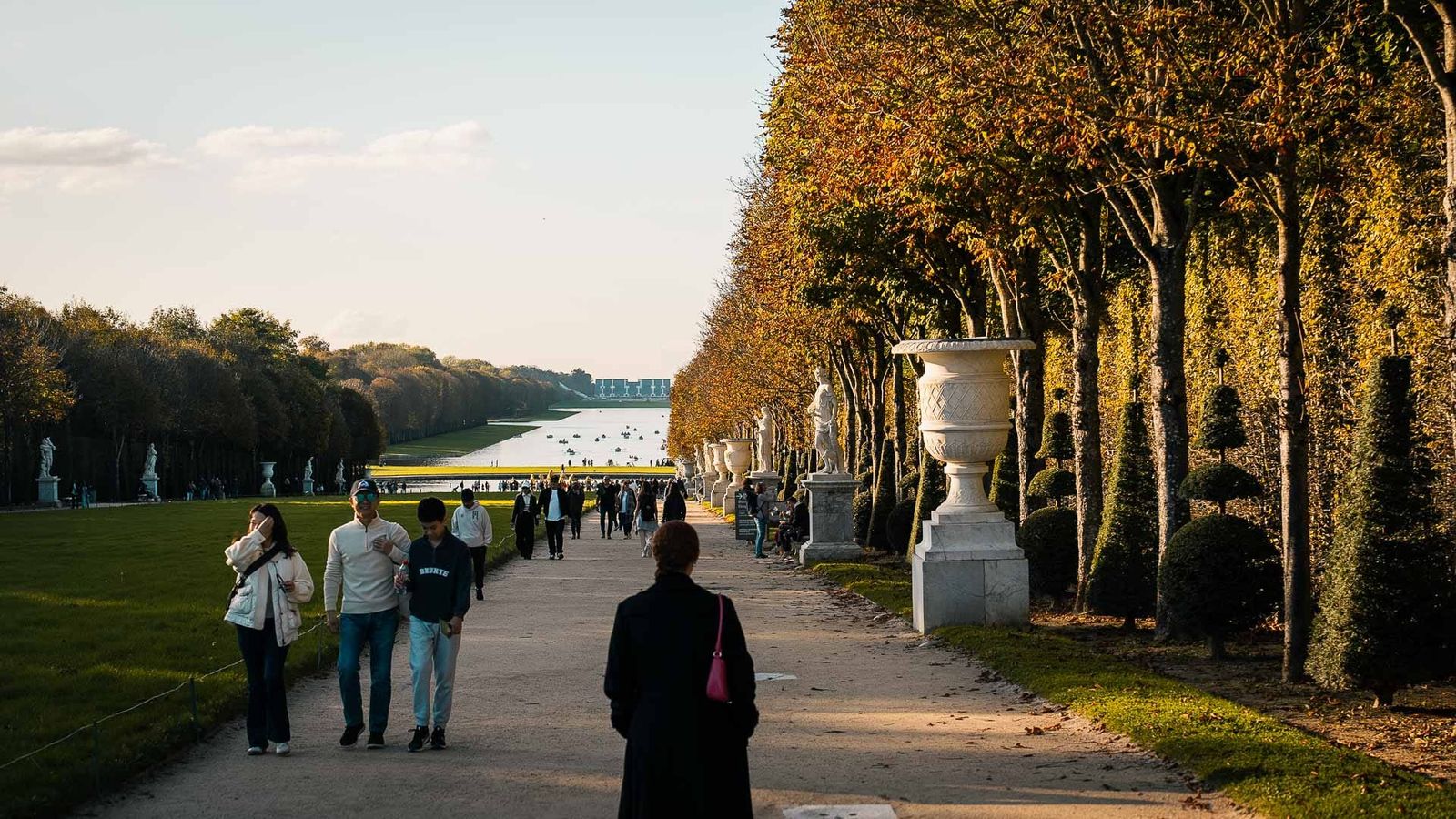
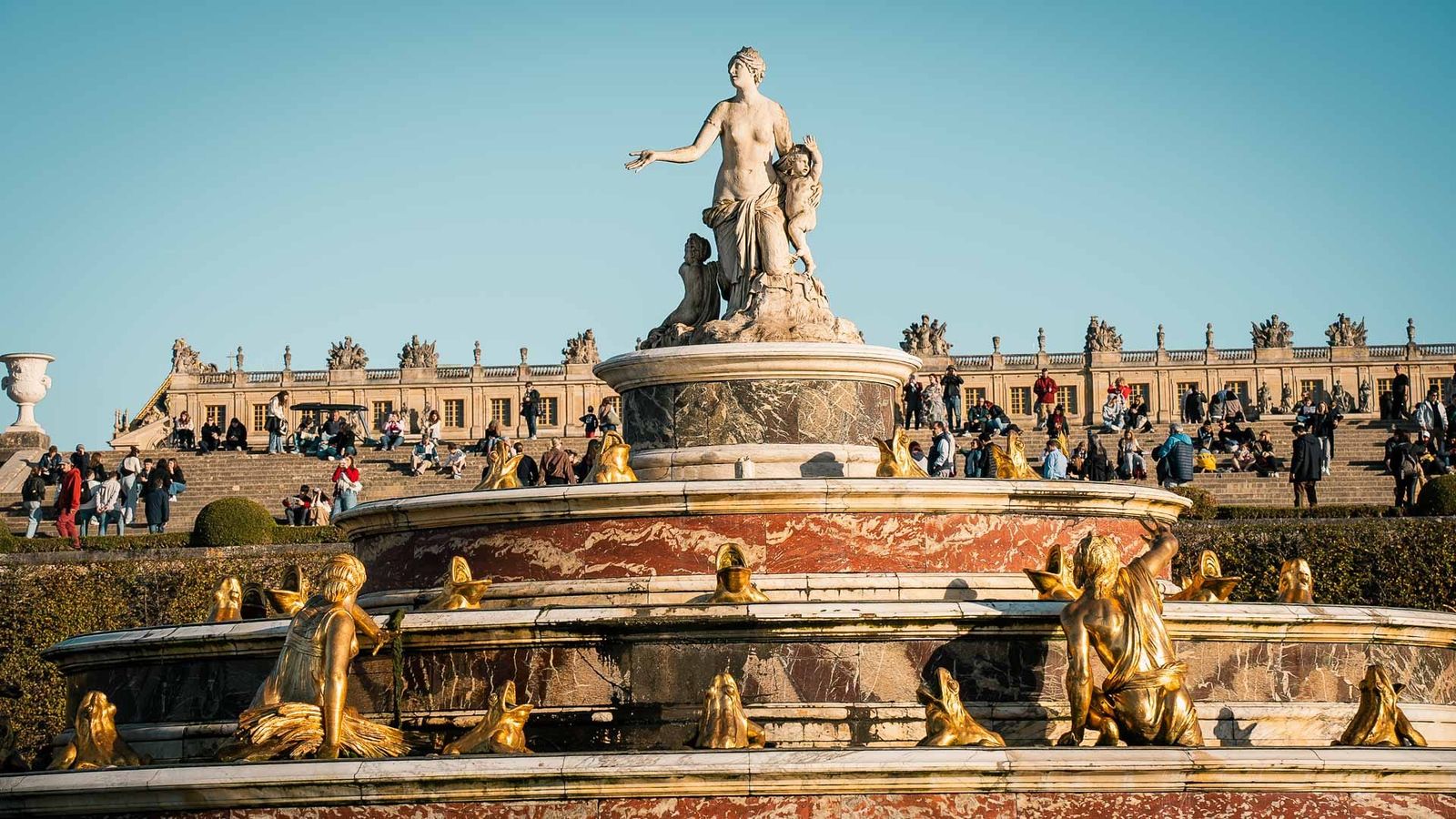
The grand perspective of the gardens, stretching towards the horizon, symbolized the king’s control over nature and his empire. Iconic features such as the Grand Canal, Latona Fountain, and Bosquets (groves) were developed, each embodying classical mythological themes.
Key Features of Louis XIV’s Versailles
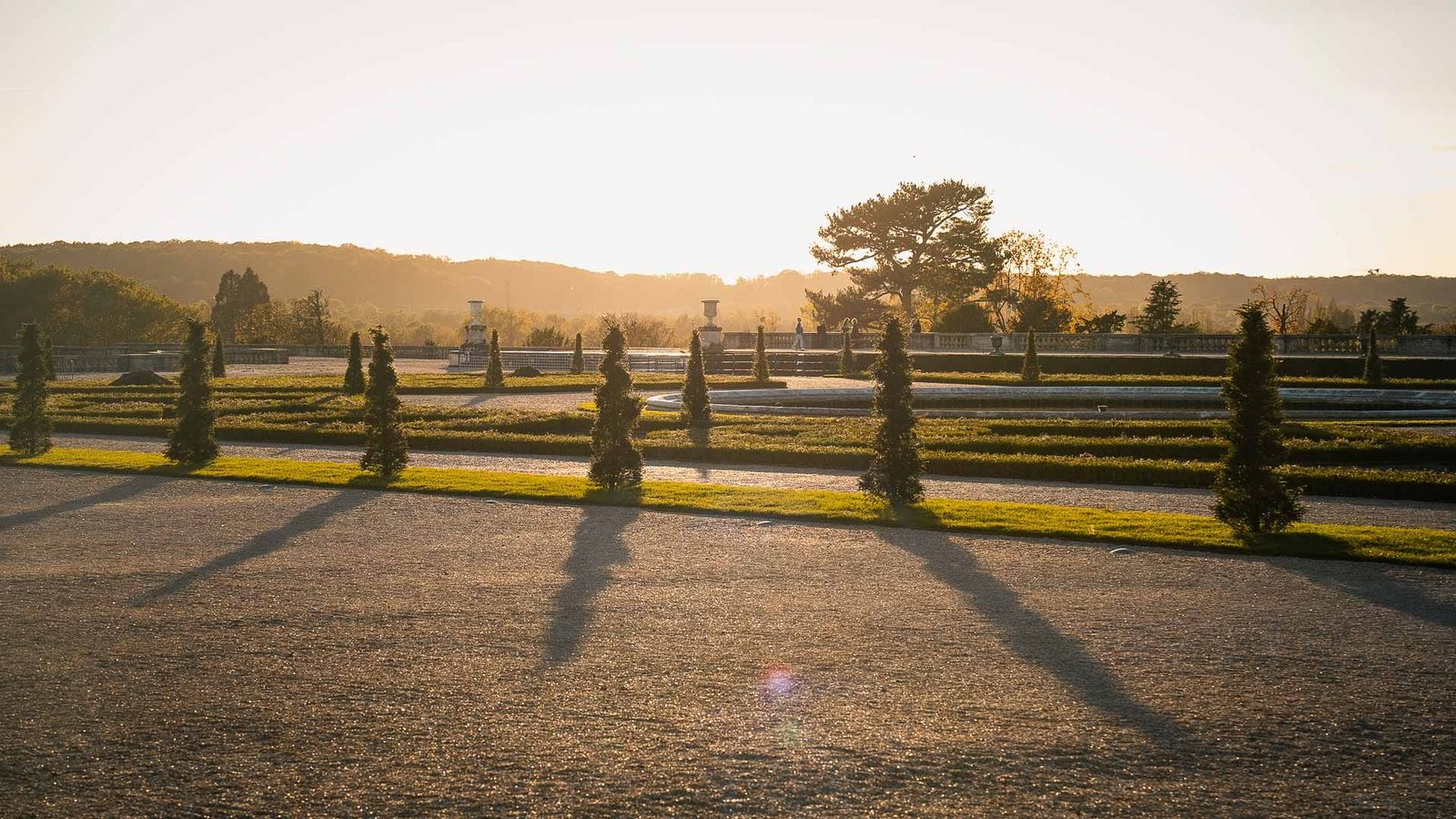
- Geometric Patterns and Grand Alleys: Symmetry and geometry were central to the design, with long alleys, terraces, and parterres that created a sense of harmony.
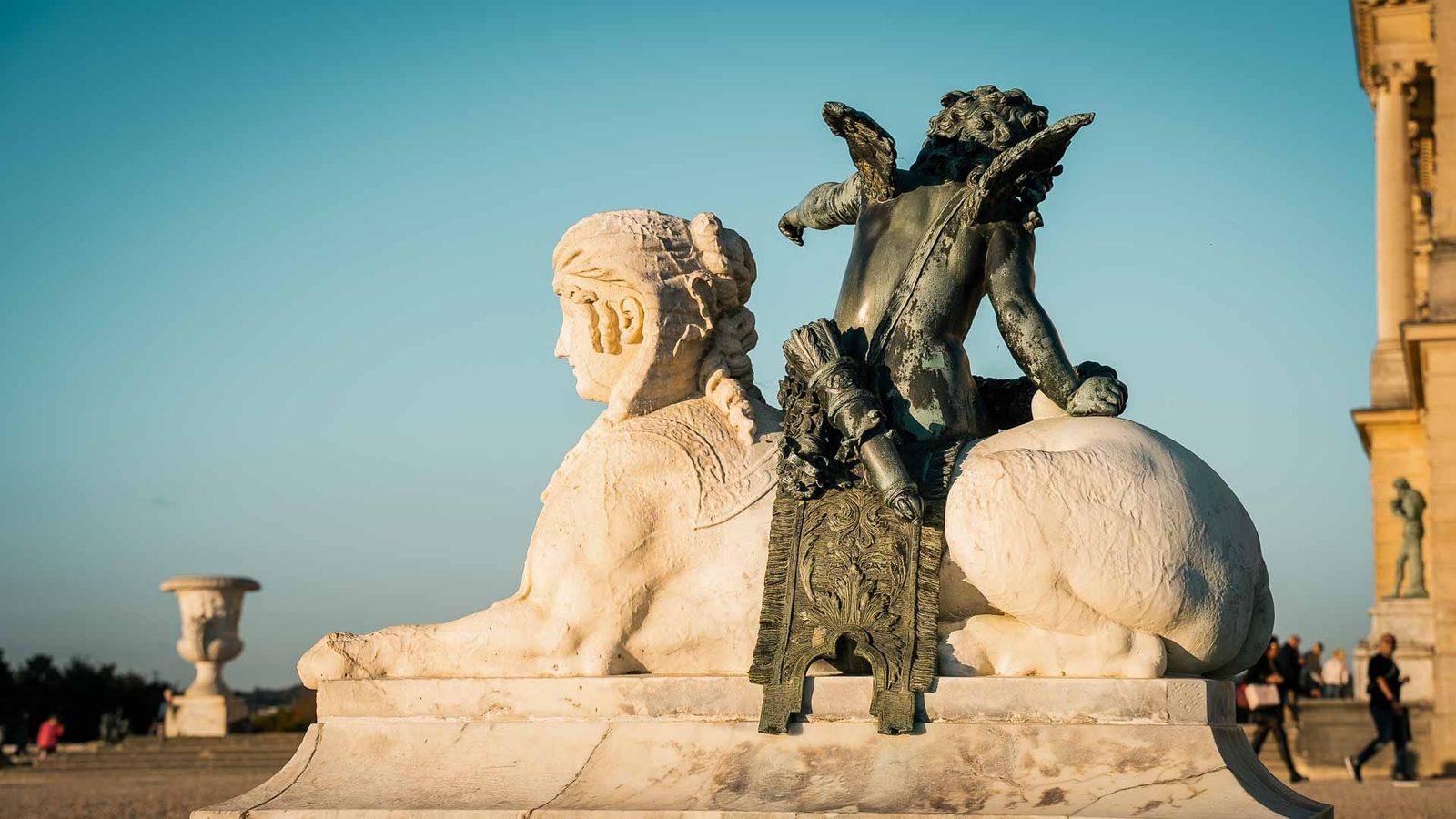
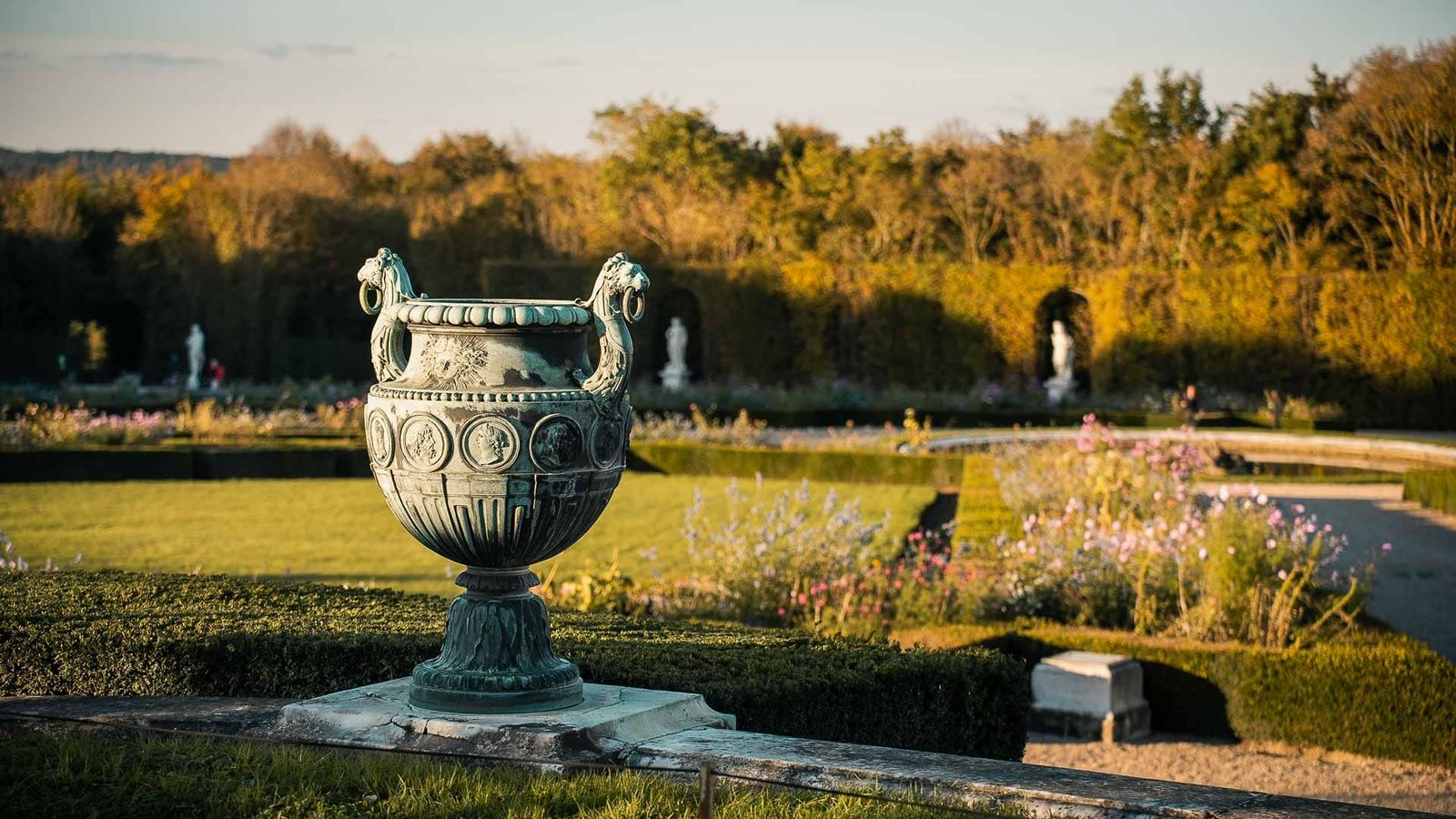
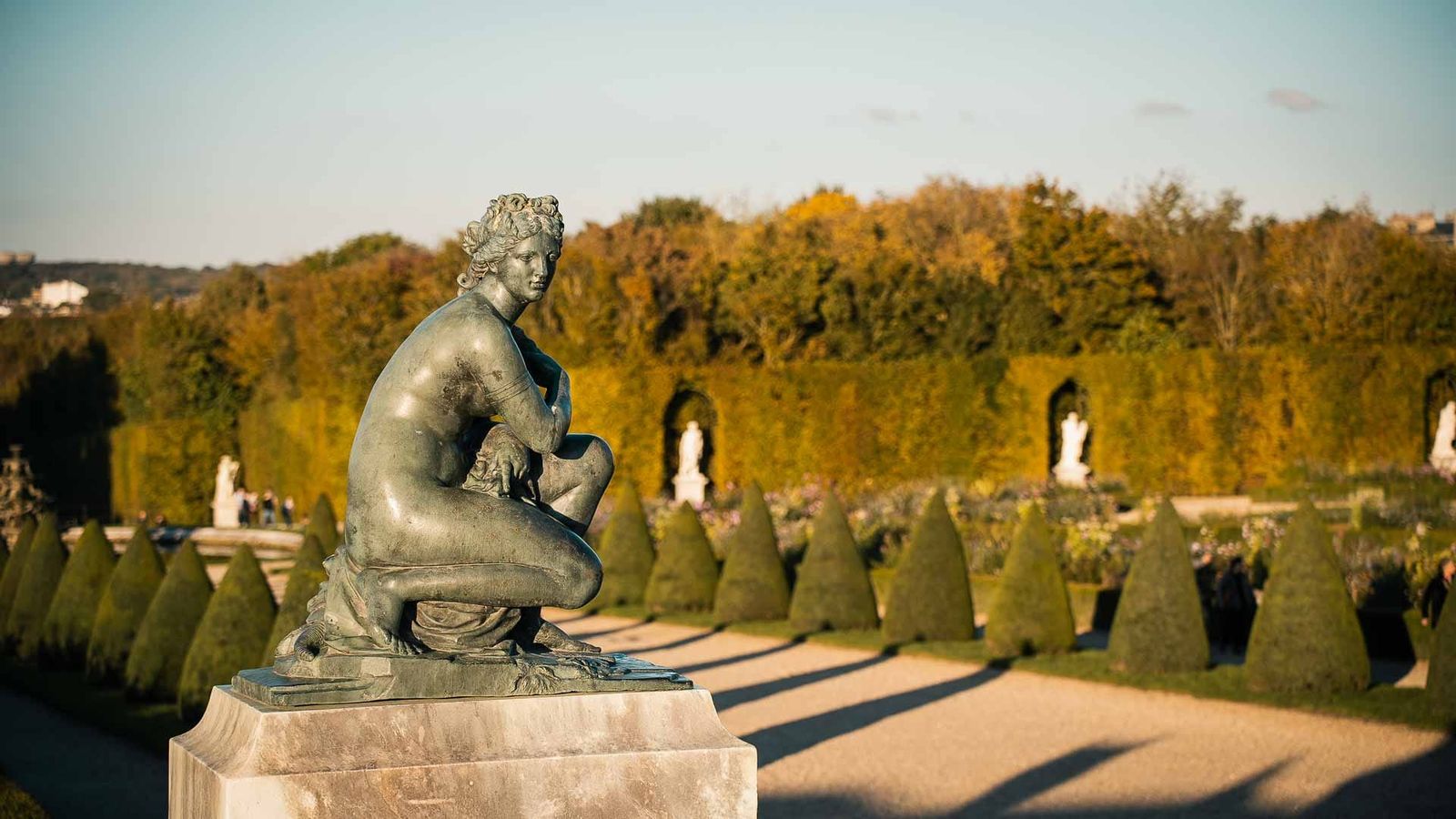
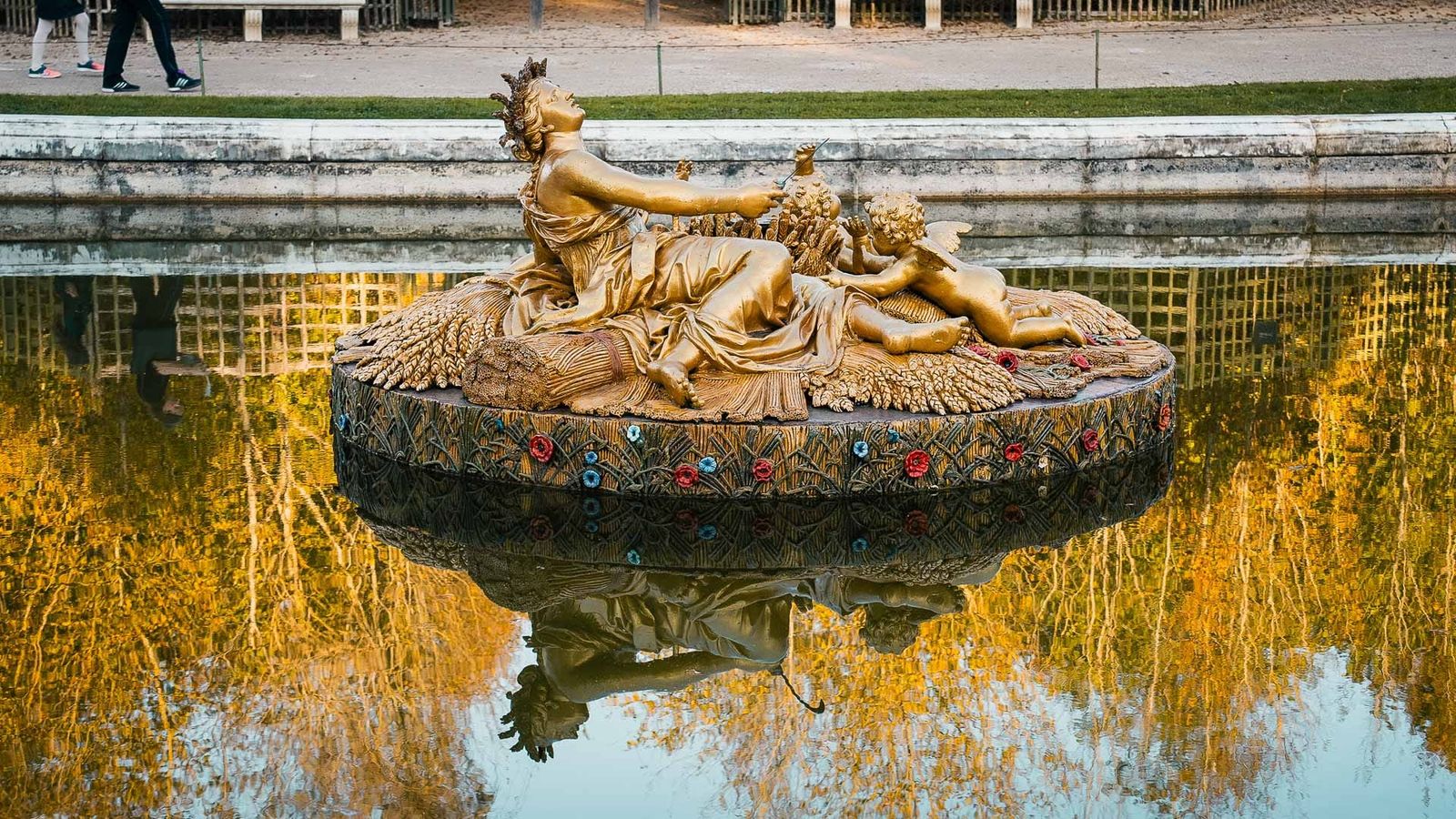
- Fountains and Sculptures: Mythological statues and intricate fountains displayed the Sun King’s opulence.
- Bosquets: Walled groves that offered secluded spaces for entertainment and reflection.
Louis XVI: A Shift Toward Naturalism
Under Louis XVI, crowned in 1774, the gardens began to reflect Enlightenment ideals. Influenced by Jean-Jacques Rousseau, Louis XVI attempted to soften the formal aesthetics with a more naturalistic style.
Although fully adopting the English garden style was challenging, Louis XVI replaced many intricate palissades (hedges) with lime and chestnut trees and introduced some new elements.
- Grotte des Bains d’Apollon: This grotto by Hubert Robert housed statues from the Grotte de Thétys, adding a rustic touch.
- Marie Antoinette’s English Garden: At the Petit Trianon, Marie Antoinette transformed her retreat with lakes, rivers, and whimsical follies, designed by architect Richard Mique.
The French Revolution: A Time of Destruction
The French Revolution brought substantial damage to Versailles. Following the royal family’s fall from power in 1792, many trees were felled, statues and fountains were damaged, and parts of the Grand Parc were divided and sold off.
Louis Claude Marie Richard, director of the jardins botaniques, managed to protect some parts by suggesting the parterres be repurposed as vegetable gardens, though this idea was ultimately not implemented.
During this time, the gardens were opened to the public, leading to unconventional uses like laundry washing in the fountains.
Napoléon I: Neglect and Disrepair
The Napoleonic era largely overlooked Versailles, focusing instead on the palace’s interior rooms, furnished for Empress Marie-Louise. In the gardens, soil erosion and neglected maintenance led to the decay of areas like the Bosquet de l’Arc de Triomphe and Bosquet des Trois Fontaines.
The Restoration and 19th-Century Modifications
With the Restoration of the Bourbons in 1814, the gardens saw changes reflecting the 19th-century taste for natural landscapes. Louis XVIII ordered the Île du Roi and Miroir d’Eau to be transformed into an English-style garden known as the Jardin du Roi, blending more organic elements into the formal French landscape.
The July Monarchy and The Second Empire: Louis-Philippe’s Legacy
Under Louis-Philippe’s reign, Versailles became the Museum of the History of France in 1837, preserving its historical elements and glorifying French heritage. Napoleon III, however, showed limited interest in Versailles, preferring the château of Compiègne.
Pierre de Nolhac: Restoration and Preservation
In 1892, Pierre de Nolhac assumed the role of director of the Versailles Museum, initiating research-driven restorations. His work focused on historical accuracy for both the château and gardens, setting a precedent for ongoing preservation efforts.
The Bosquets of Versailles: Symbolic and Ongoing Transformations
The Bosquets of Versailles are celebrated as distinctive garden rooms, each with unique layouts, water features, and symbolism. Through history, they have evolved with each era, adapting to reflect France’s changing aesthetics and historical influences. Key bosquets include:
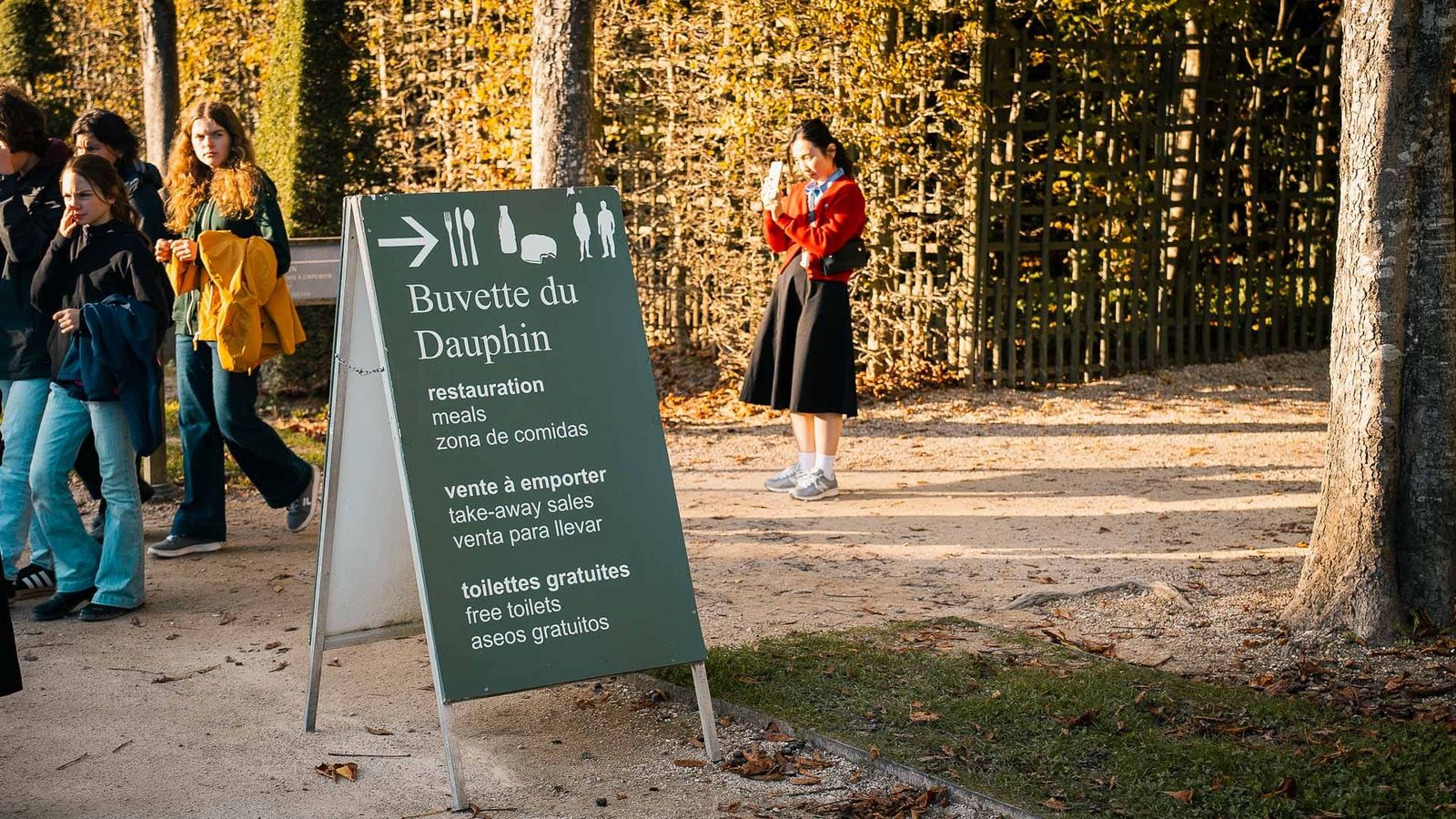
- Bosquet de la Girondole and Bosquet du Dauphin: Laid out in 1663, these early bosquets featured intricate fountains—one with a spinning wheel shape and the other with a dolphin.
- Labyrinthe and Bosquet de la Reine: The famous maze, initially filled with fountains depicting Aesop’s Fables, was replaced by the Bosquet de la Reine, associated with the Affair of the Diamond Necklace.
- Bosquet des Bains d’Apollon: Transformed into a grotto by Hubert Robert, this secluded space houses the statues from the original Grotte de Thétys.
- Bosquet de l’Étoile: With a star-shaped layout, this was redesigned in 1704 as a water feature.
Each bosquet carries its own story, reflecting the artistic and cultural priorities of the time.