





A Garden Born from History and Vision
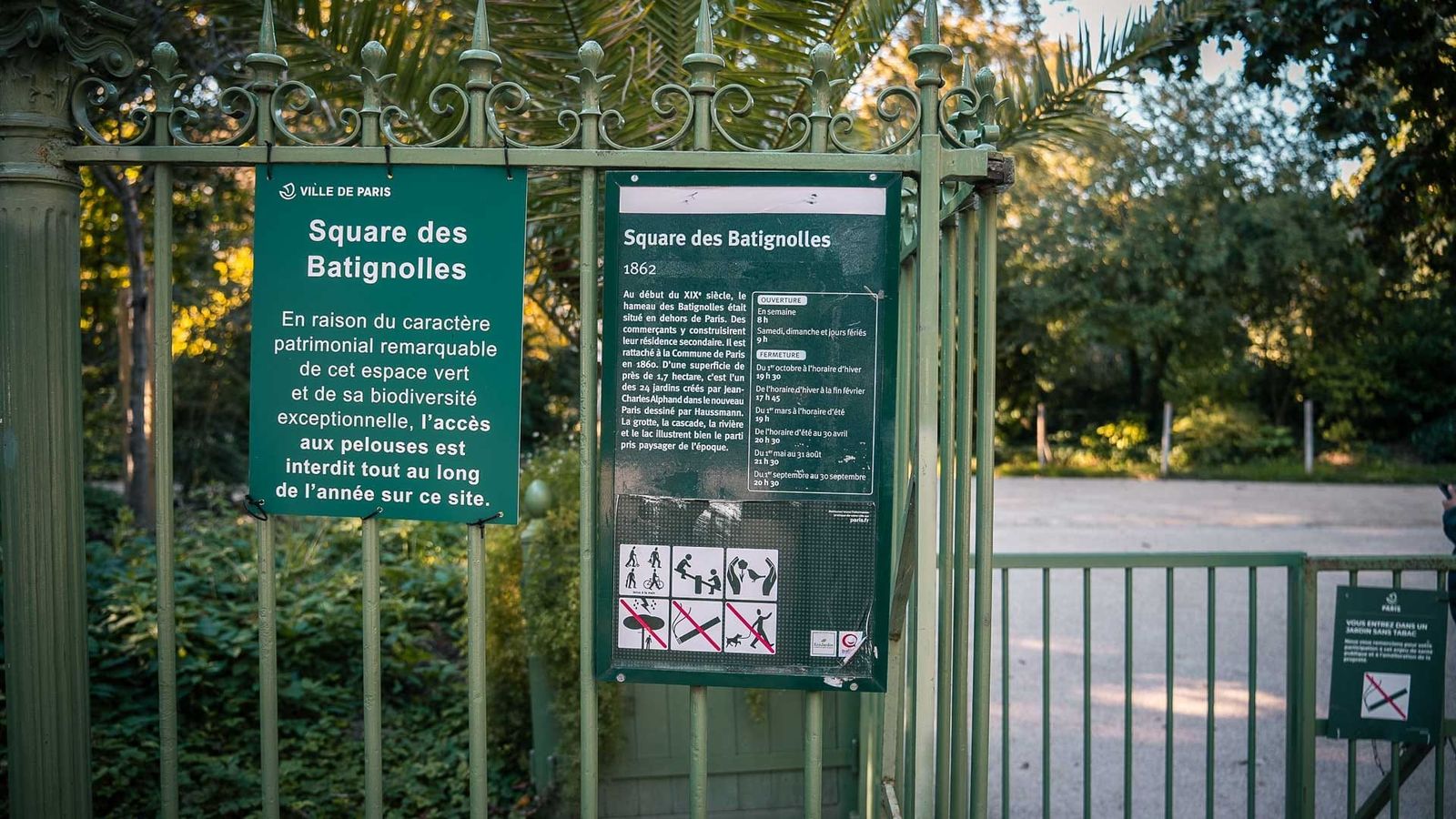
Originally, Square des Batignolles was little more than a barren lot filled with rubble. However, in 1860, it was transformed by Baron Haussmann and renowned landscape architect Adolphe Alphand, who created a series of Parisian gardens under Napoleon III’s vision.
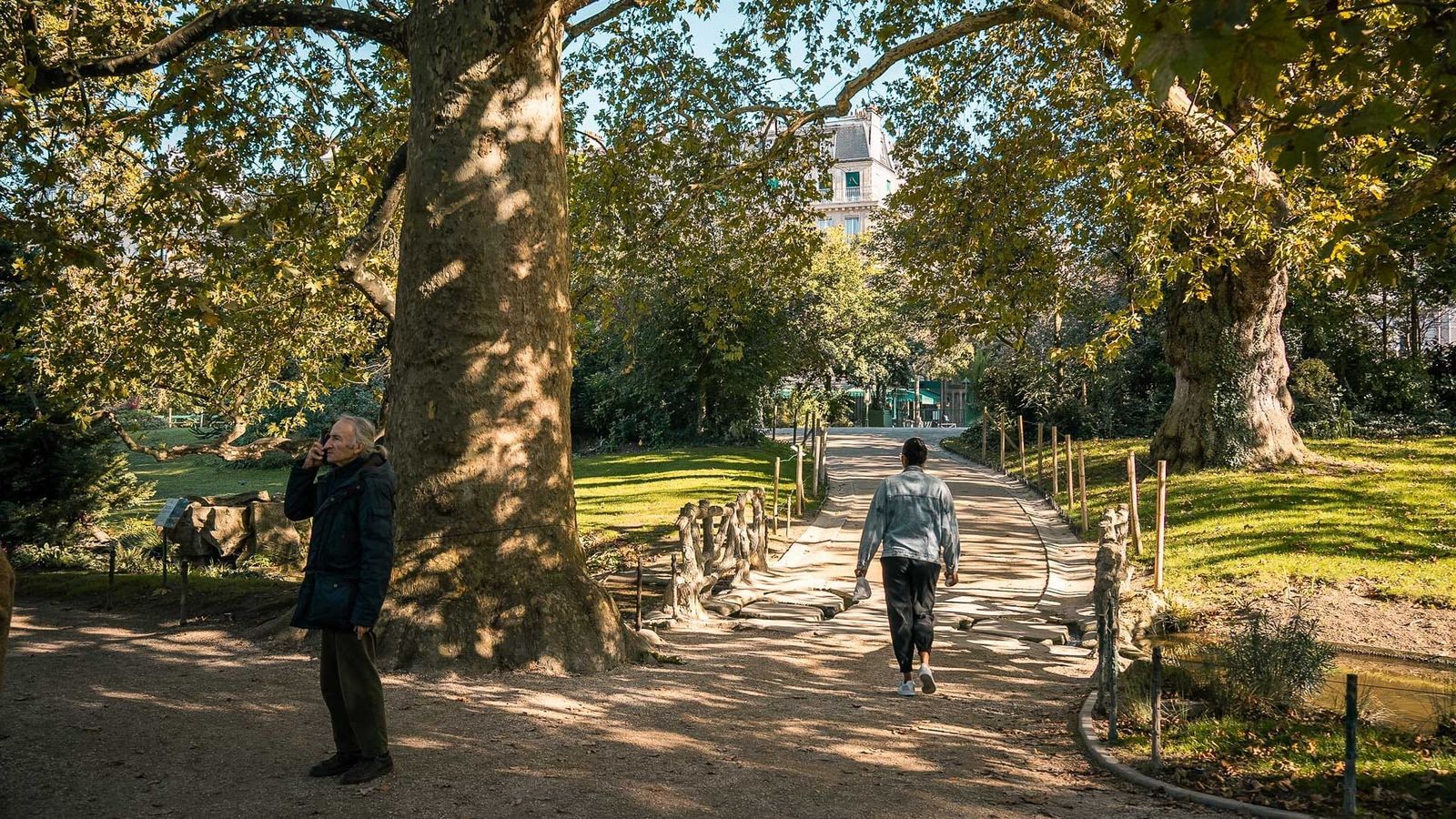
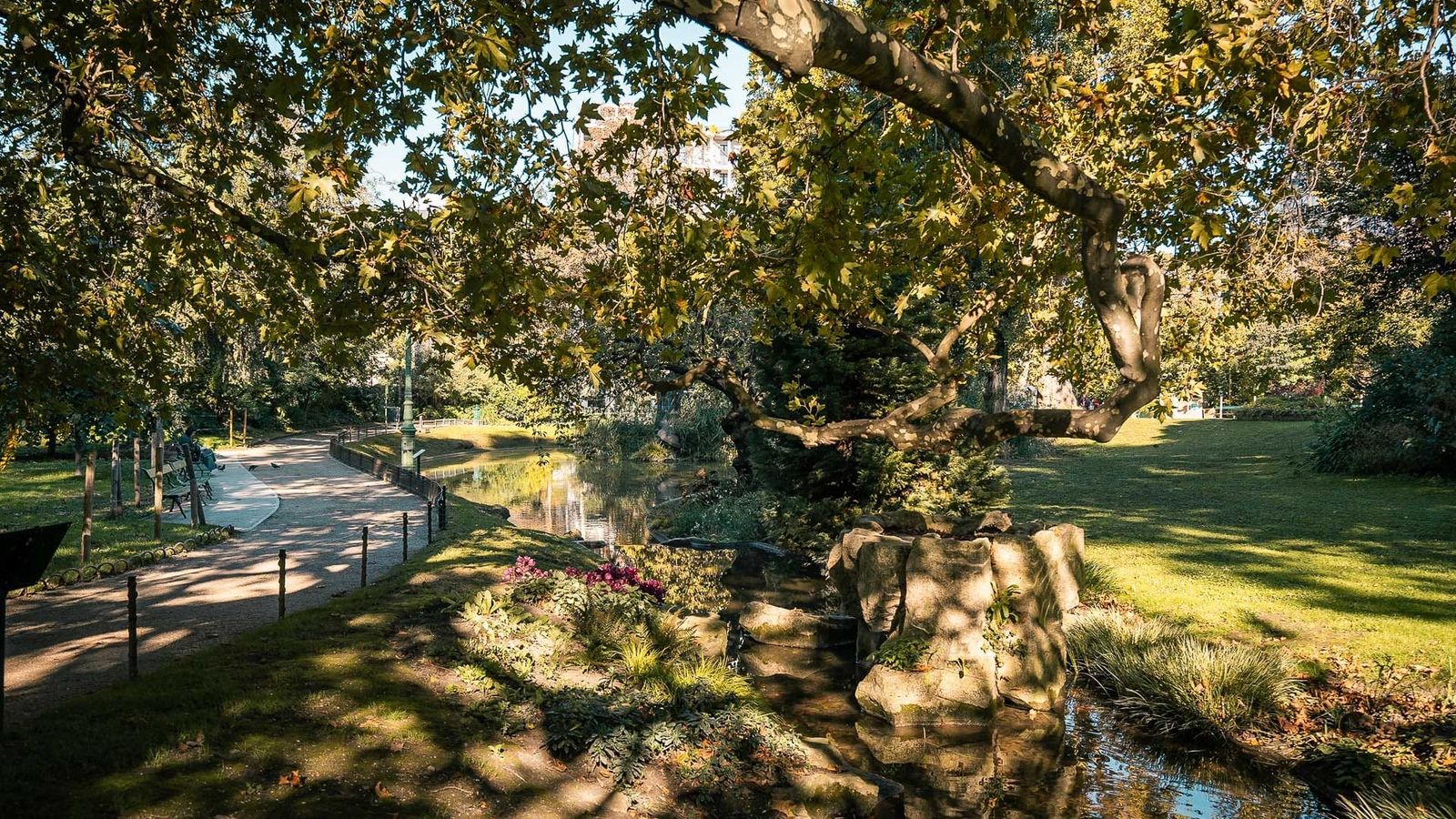
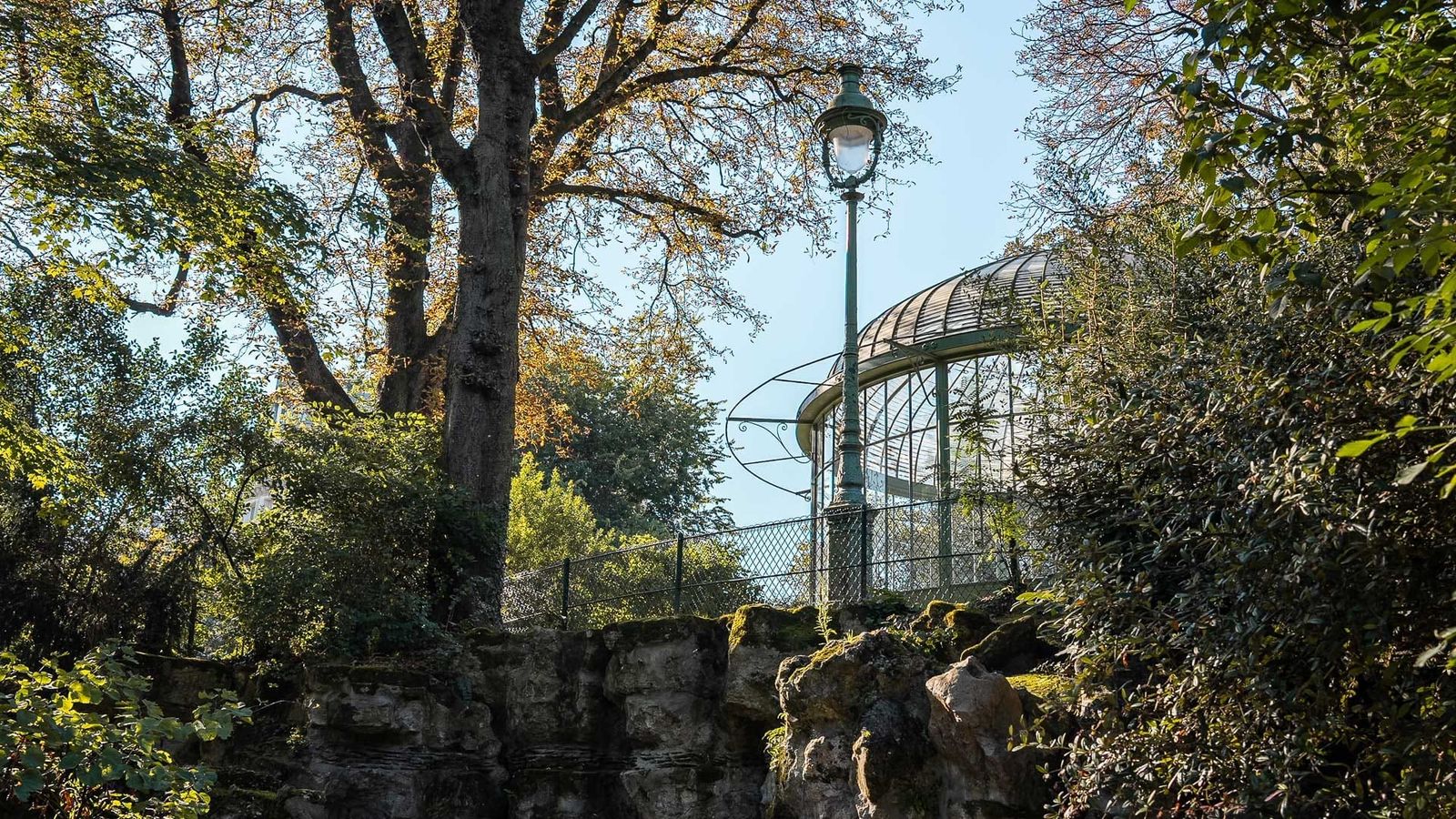
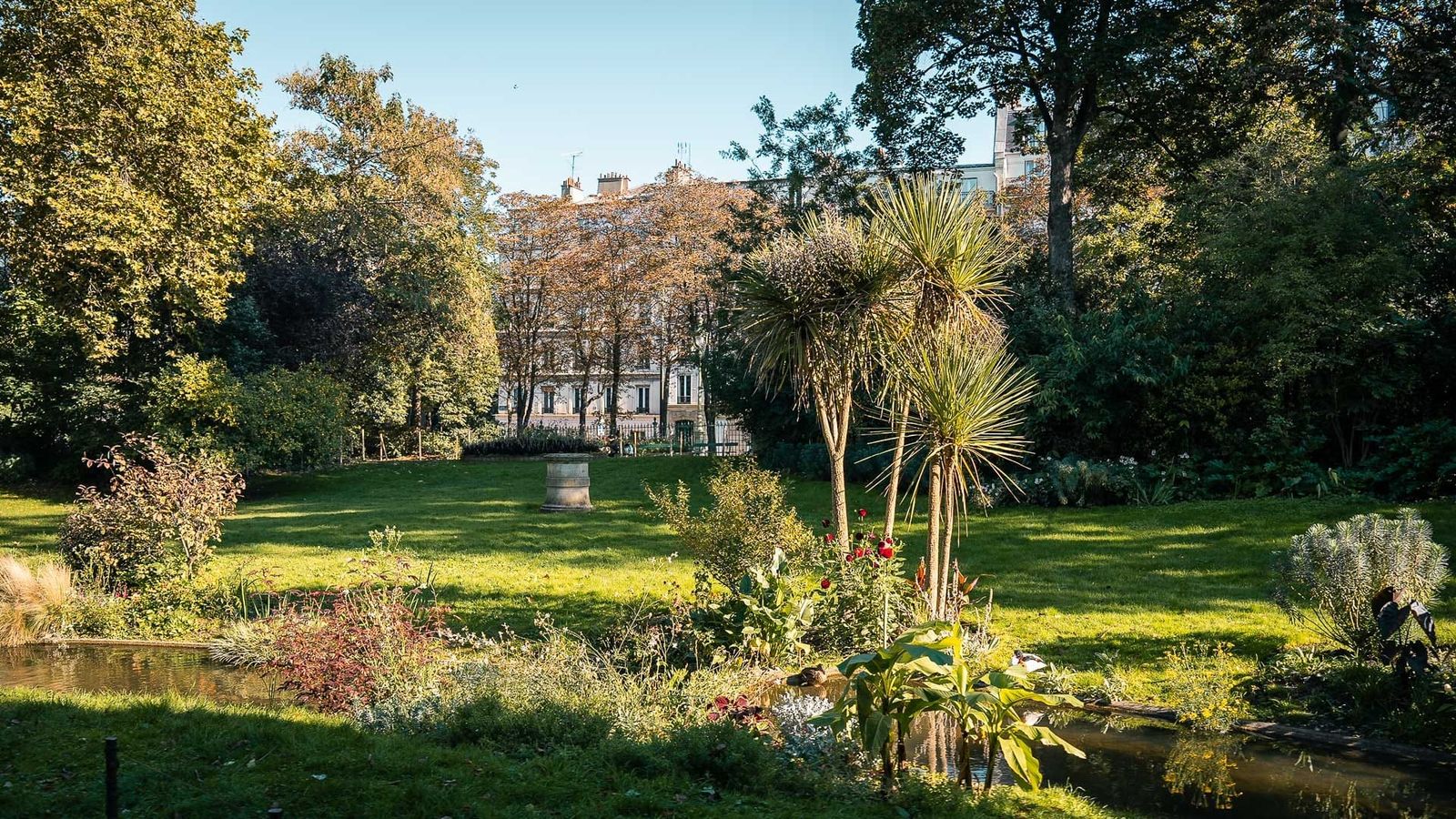
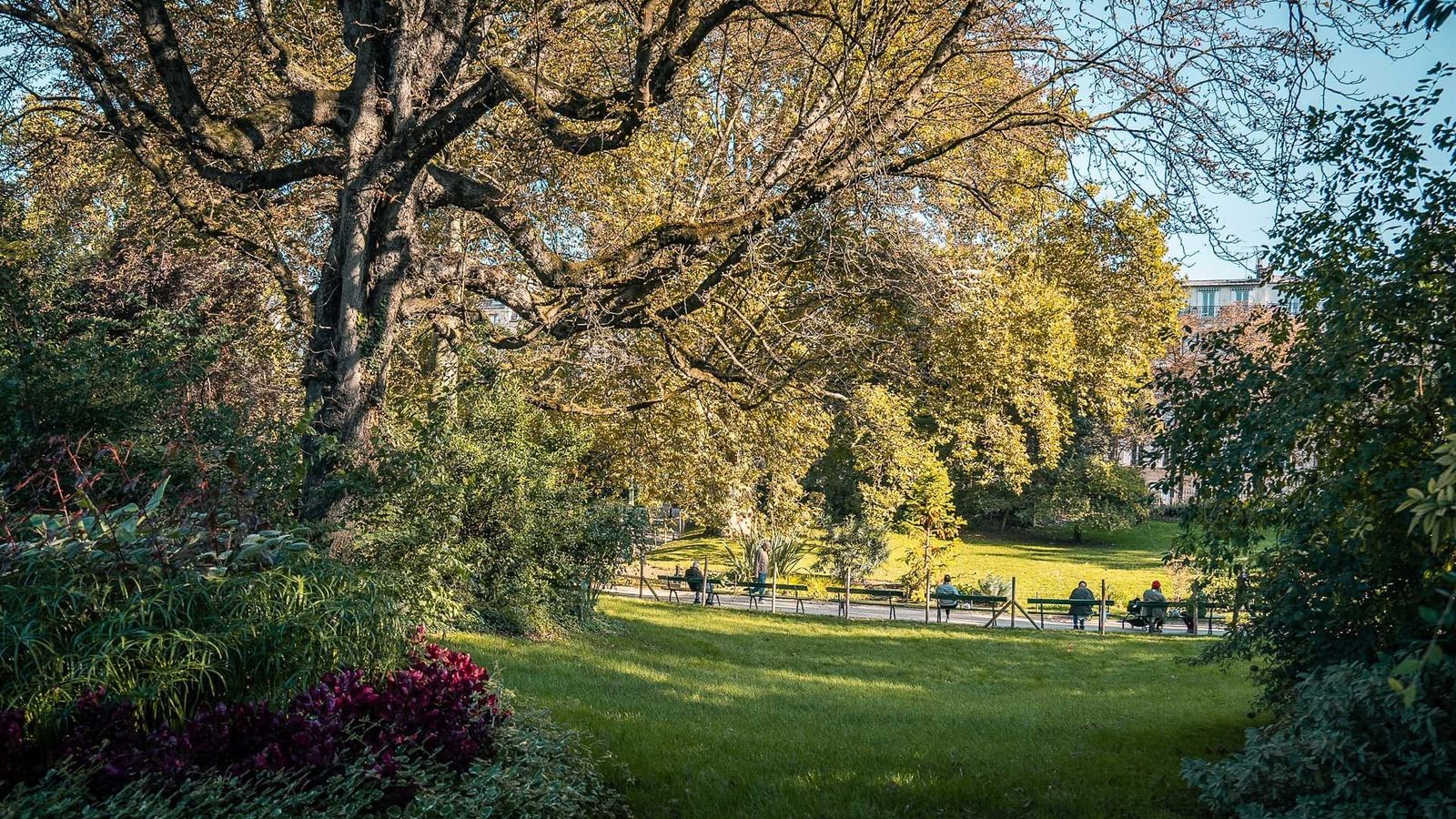
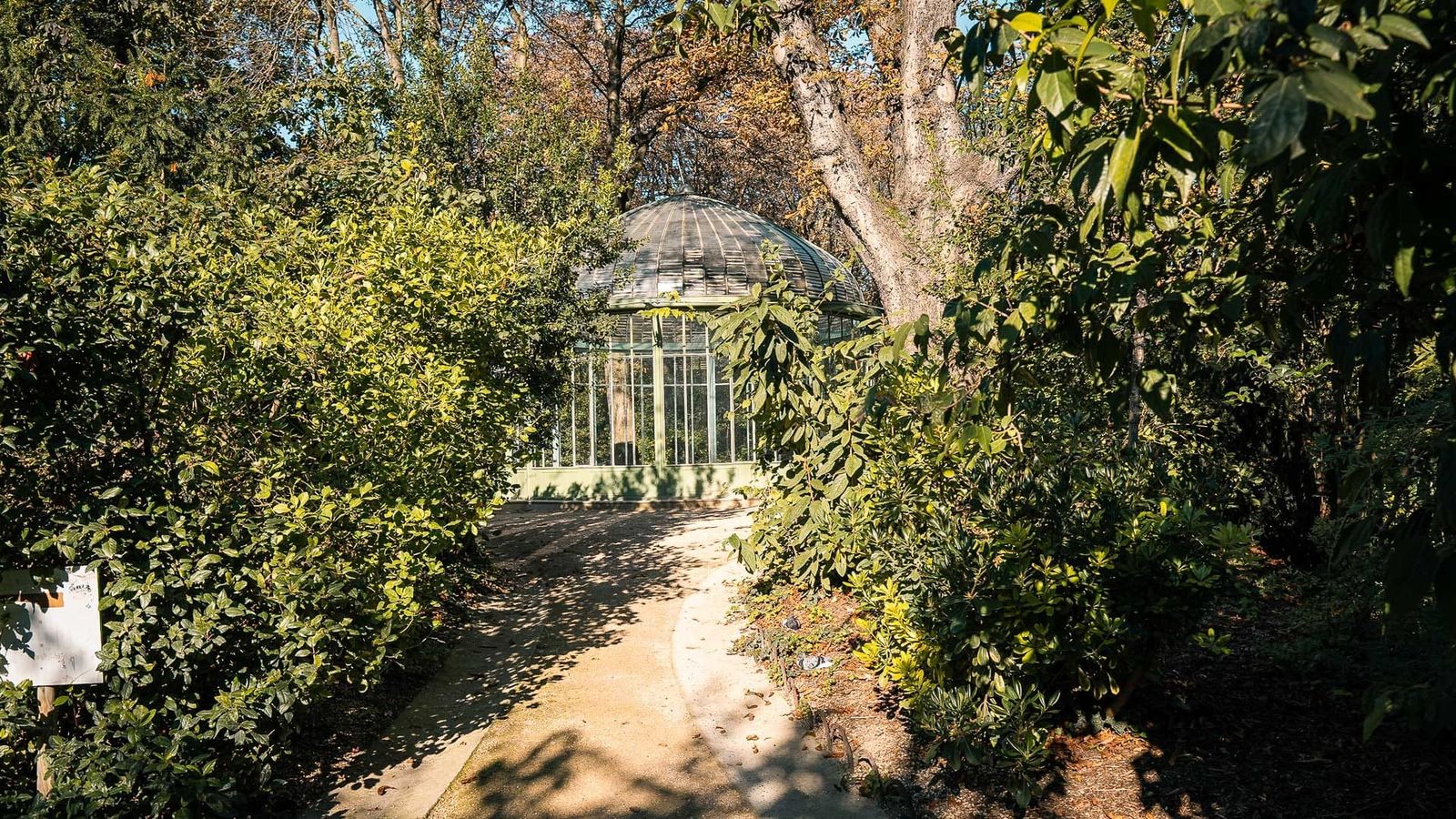
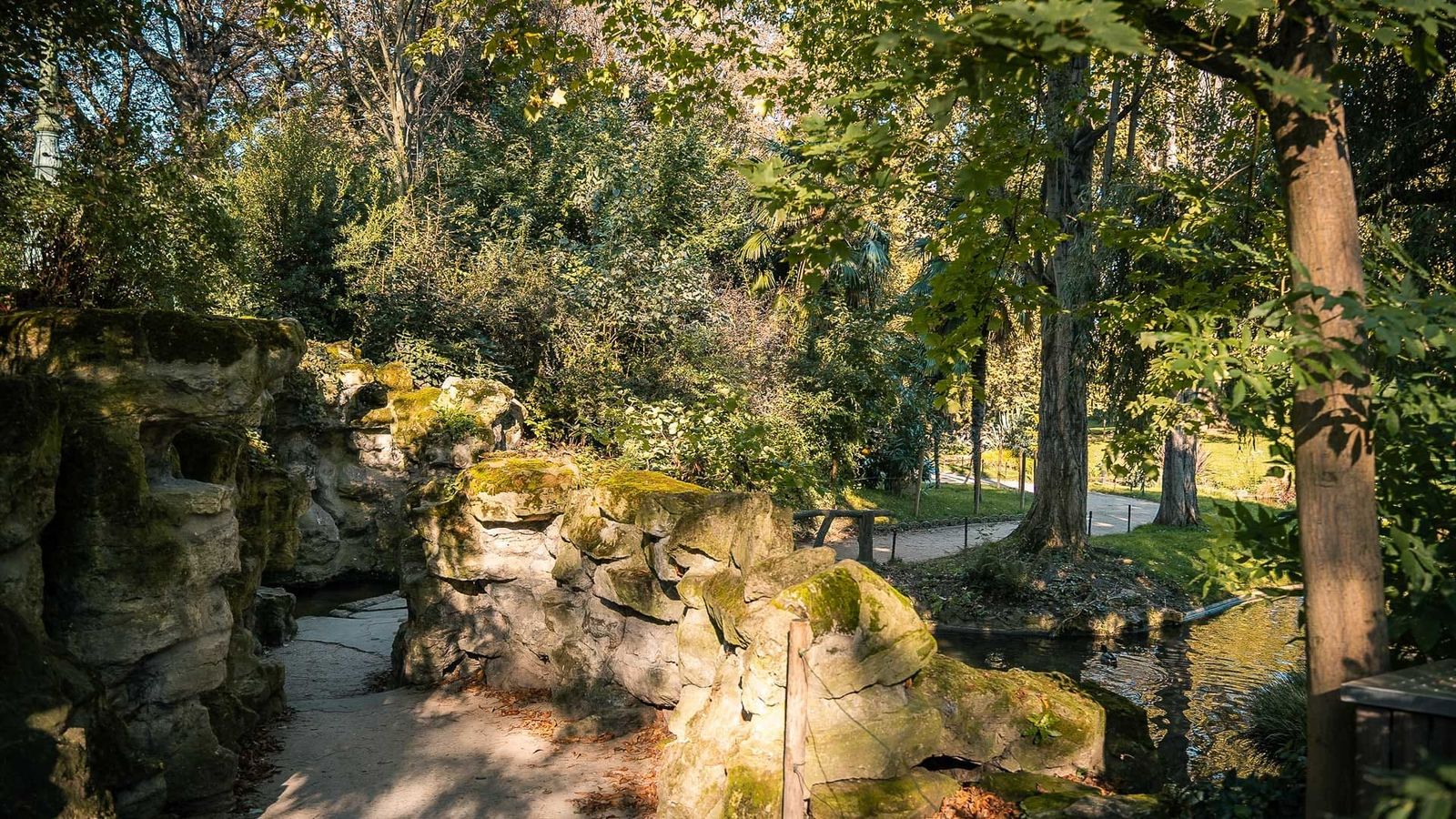
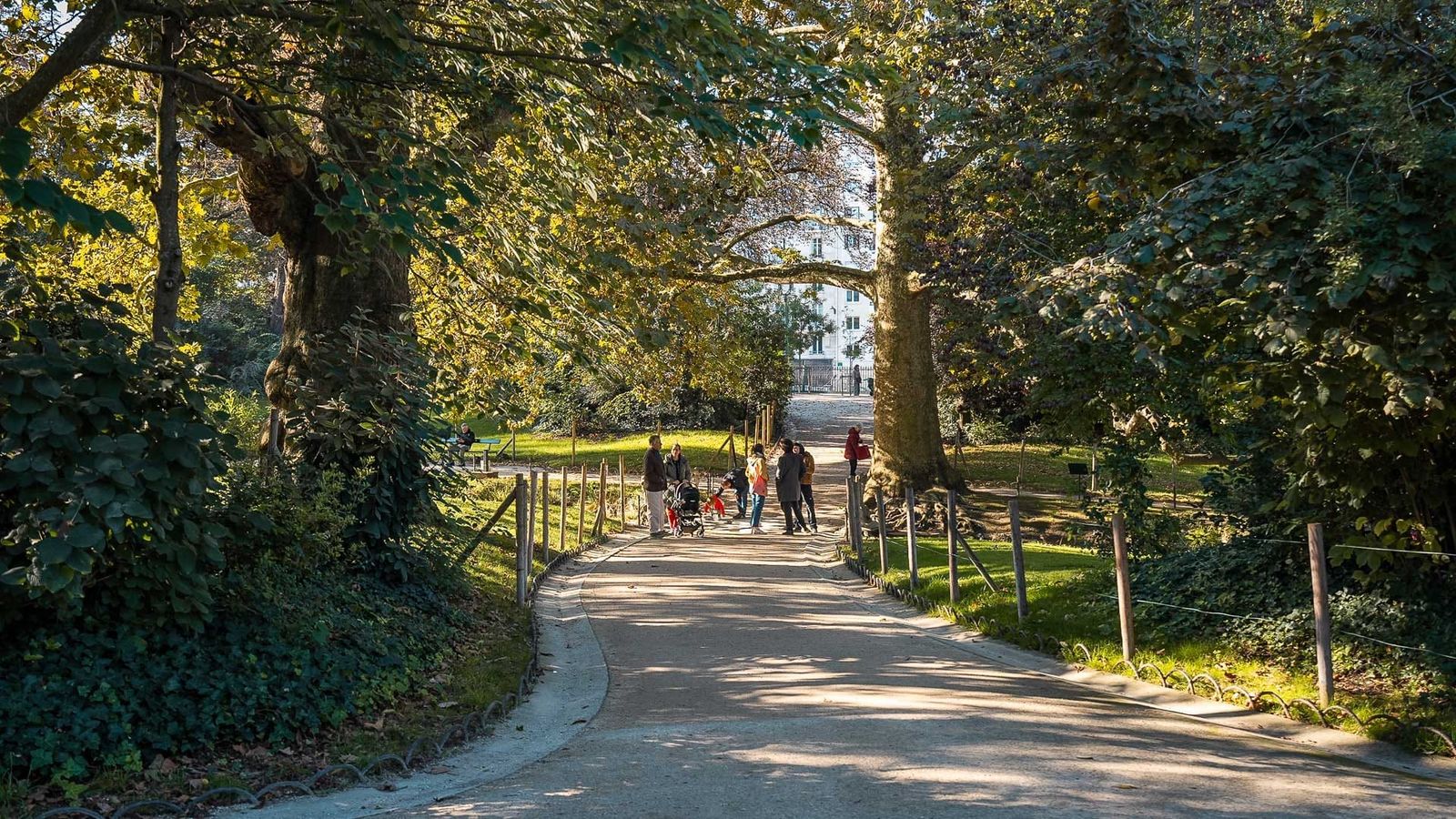
Covering an area of 16,615 m², the square was designed as an English-style garden to reflect both natural beauty and urban greenery. The garden’s meandering paths, mini-cascade, rocky grottos, and serene ponds make it feel surprisingly vast despite its compact size.
Flora and Fauna in Harmony
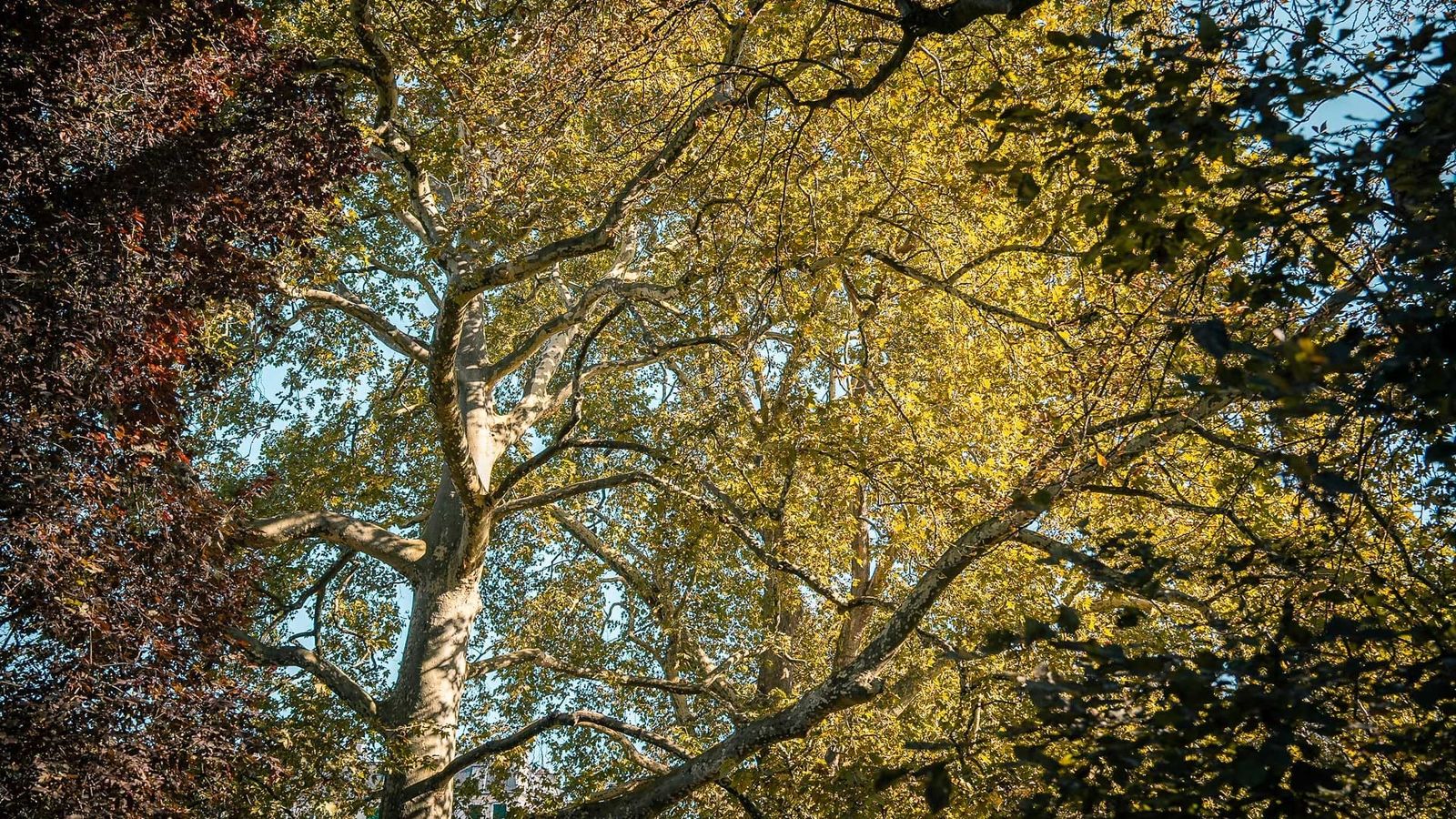
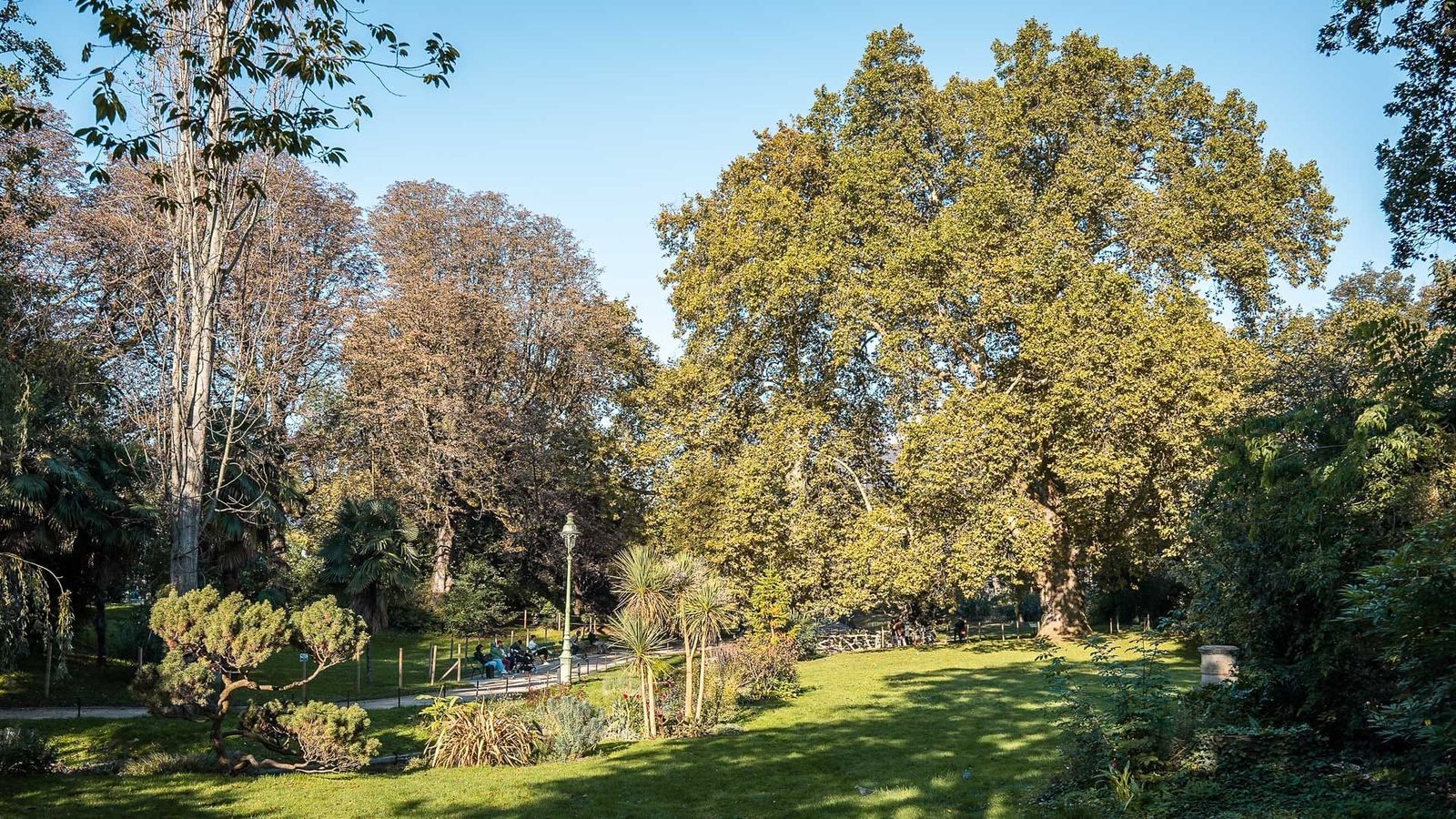
One of the square’s most notable features is its biodiverse ecosystem. Visitors can explore a wide array of exotic and native plant species, including towering hybrid plane trees and a giant sequoia.
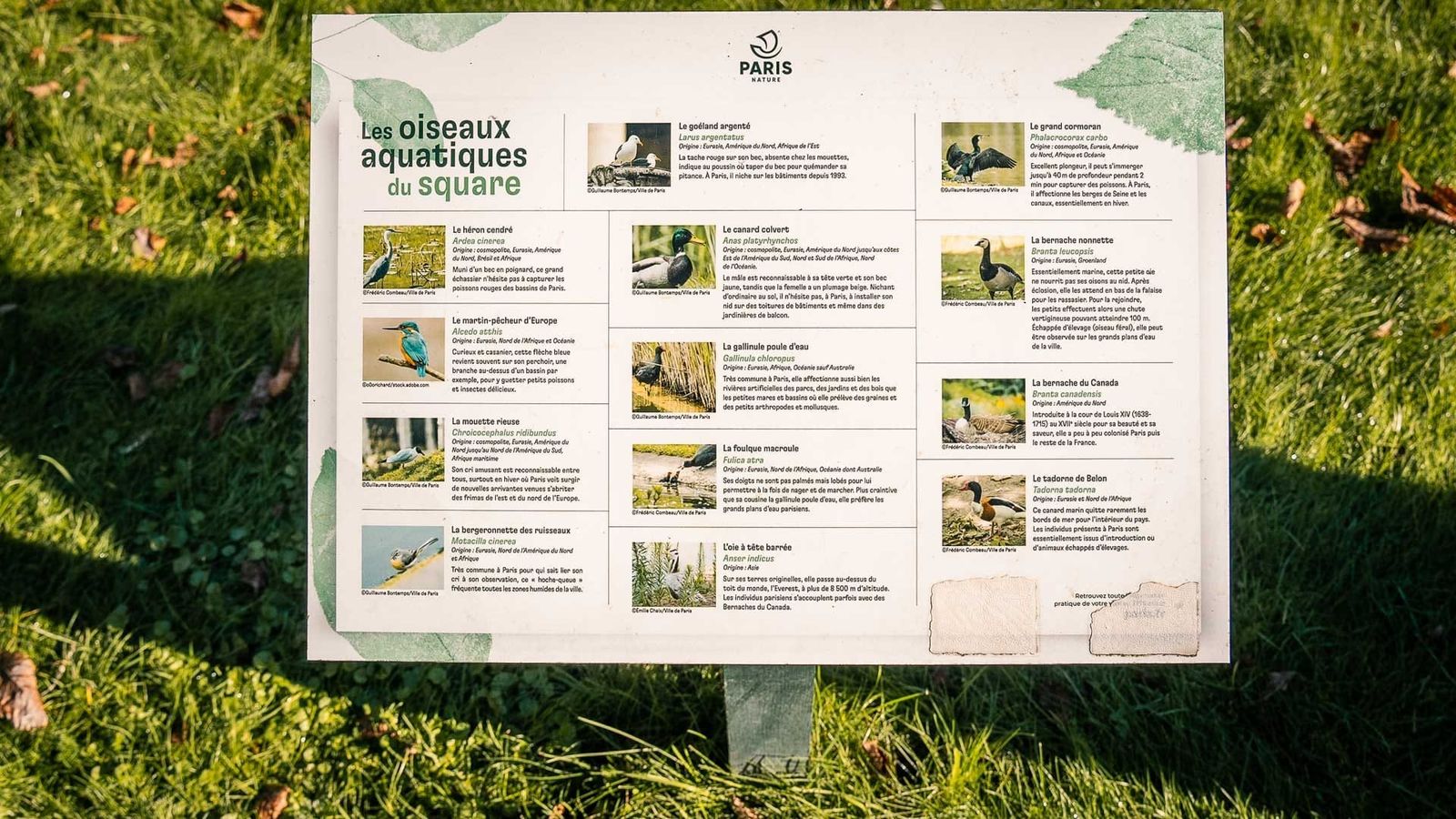
Notably, some of these trees date back to 1840, with a remarkable circumference, giving them protected status as remarkable trees of Paris. The garden’s pond attracts flocks of waterfowl, from ducks and swans to coots and geese, which thrive in the garden’s peaceful atmosphere.
Art and Culture in the Square
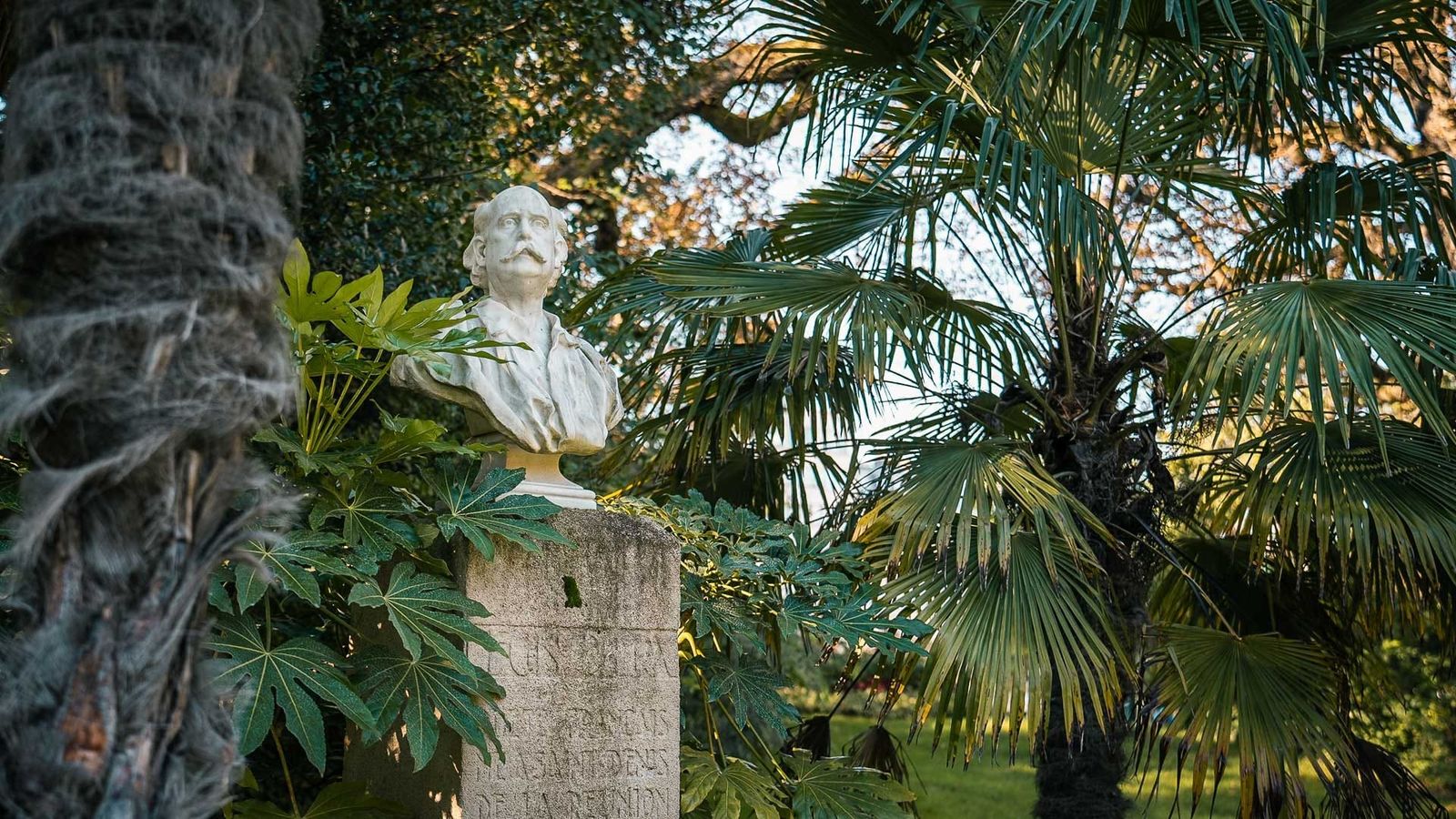
Square des Batignolles also has an artistic legacy, featuring sculptures and busts that lend an air of cultural reverence. “Les Vautours,” a sculpture by Louis Monard, graces the pond, while a bust of poet Léon Dierx by Bony de Lavergne commemorates this former resident of the neighborhood.
Over time, contemporary art exhibitions have also taken place within the park’s kiosk, enhancing its artistic allure.
A Refuge for Avian Life
The square has evolved into a sanctuary for diverse bird species. The Chaffinch is a frequent visitor, known for its characteristic chirps and rhythmic hops. This garden also hosts a pigeon house, established in 2010 to regulate pigeon populations. These elements make the square a unique spot for bird-watching enthusiasts and nature lovers.