










Location and Overview
Notre-Dame-de-Lorette is a neoclassical church located in the 9th arrondissement of Paris. Dedicated to Our Lady of Loreto, it was built in the 19th century and is classified as a historical monument. The church is flanked by Rue de Châteaudun to the south, Rue Saint-Lazare to the north, Rue Fléchier to the east, and Rue Bourdaloue to the west. It is easily accessible via the Notre-Dame-de-Lorette metro station on line 12.
A Chapel for the Porcherons
The original chapel dedicated to Our Lady of Loreto was constructed for the residents of the Porcherons area on Rue Coquenard, later renamed Rue Notre-Dame-de-Lorette (now Rue Lamartine). The exact founding date is unknown, but it was established by 1646, as a confraternity was documented at that time. The chapel was sold as national property in 1796 and subsequently demolished.
Building the Current Church
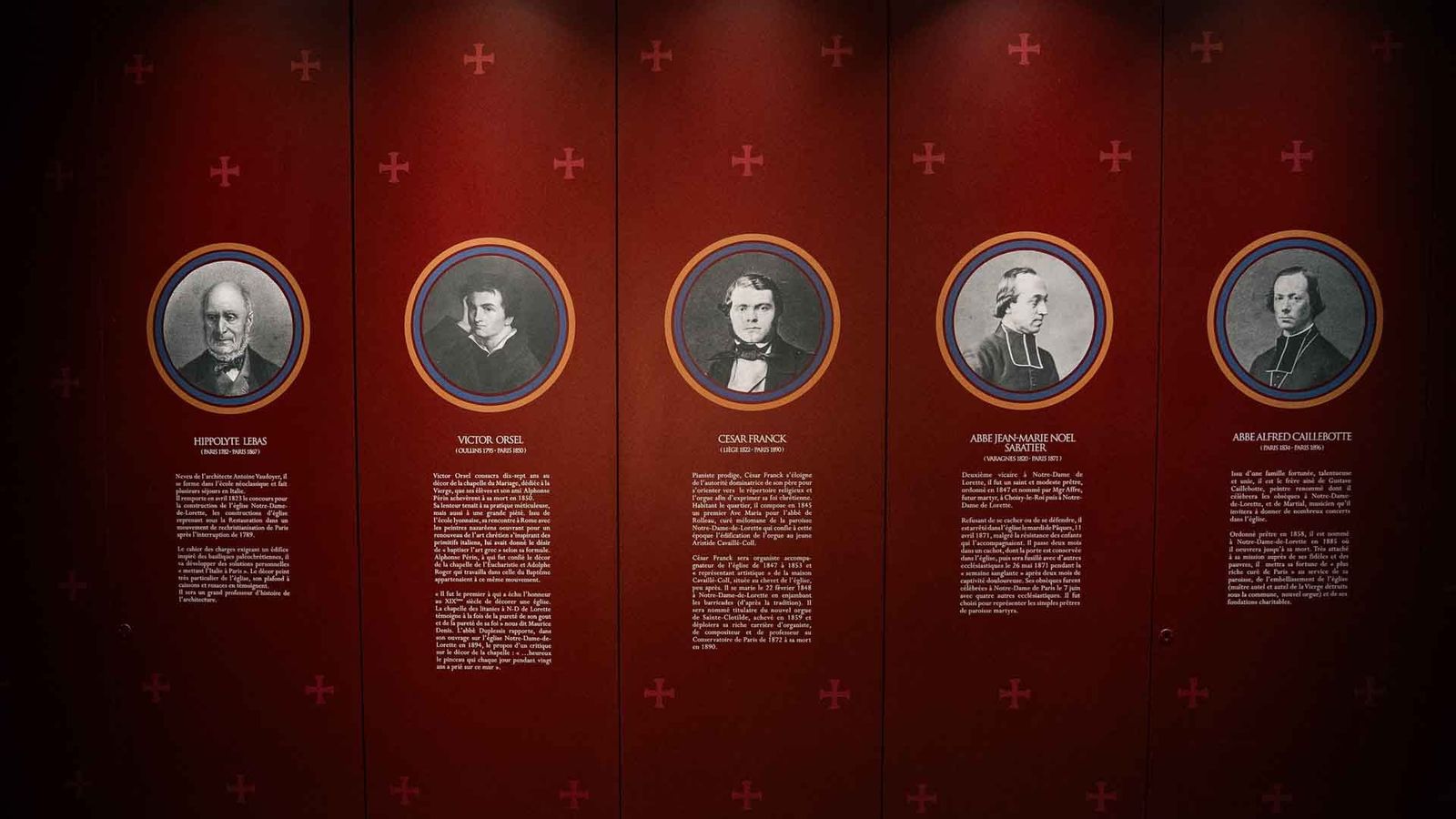
The decision to construct the current church was made in 1821 due to the growing need for a larger place of worship. A royal ordinance on January 3, 1822, mandated its construction. Architect Hippolyte Le Bas, who proposed building on stilts due to the unstable ground, was selected to design the church. The foundation stone was laid on August 25, 1823, and the construction was completed in 1836.
Neoclassical Architecture and Artistic Flourishes
Notre-Dame-de-Lorette is a prime example of early 19th-century neoclassicism, characterized by a return to classical antiquity and early Christian aesthetics. The church features a basilical plan without a visible transept, similar to Santa Maria Maggiore in Rome. The façade includes a pediment depicting four angels paying homage to the Virgin and Child, created by Charles-François Nanteuil. Above the pediment are statues representing the three theological virtues: Charity, Hope, and Faith, crafted by Charles-René Laitié, Philippe Joseph Henri Lemaire, and Denis Foyatier, respectively.
A Vibrant Interior
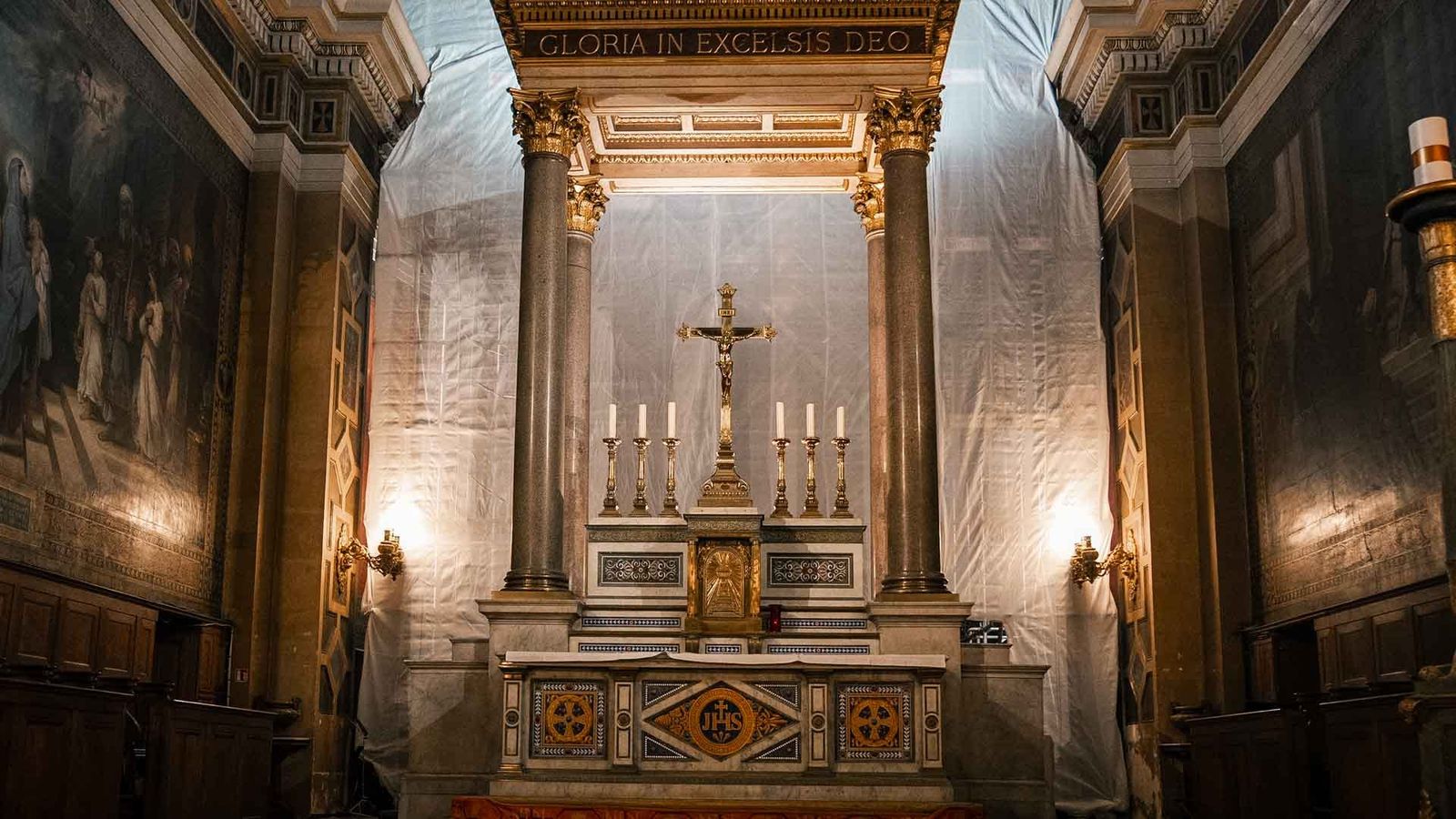
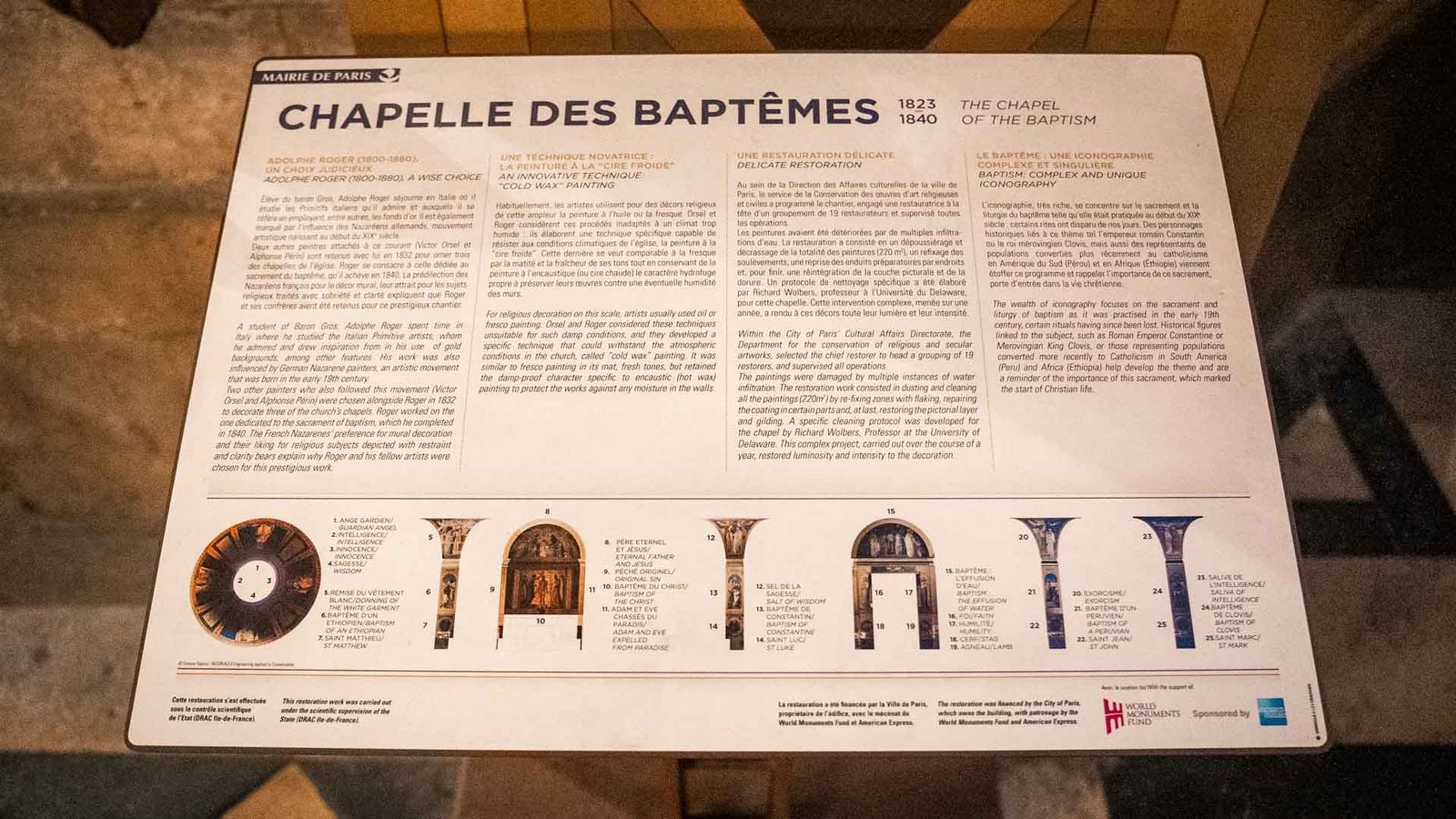
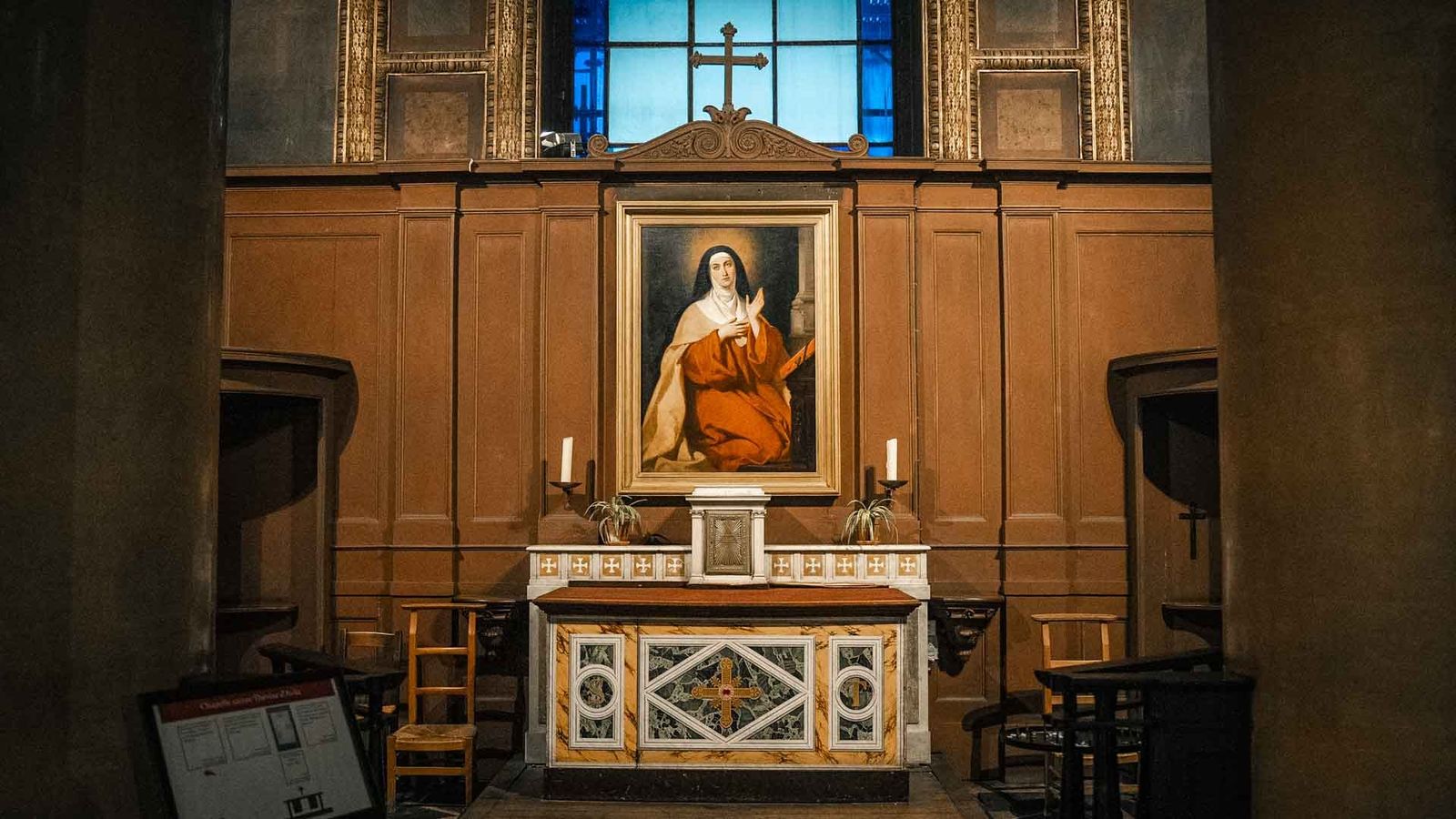
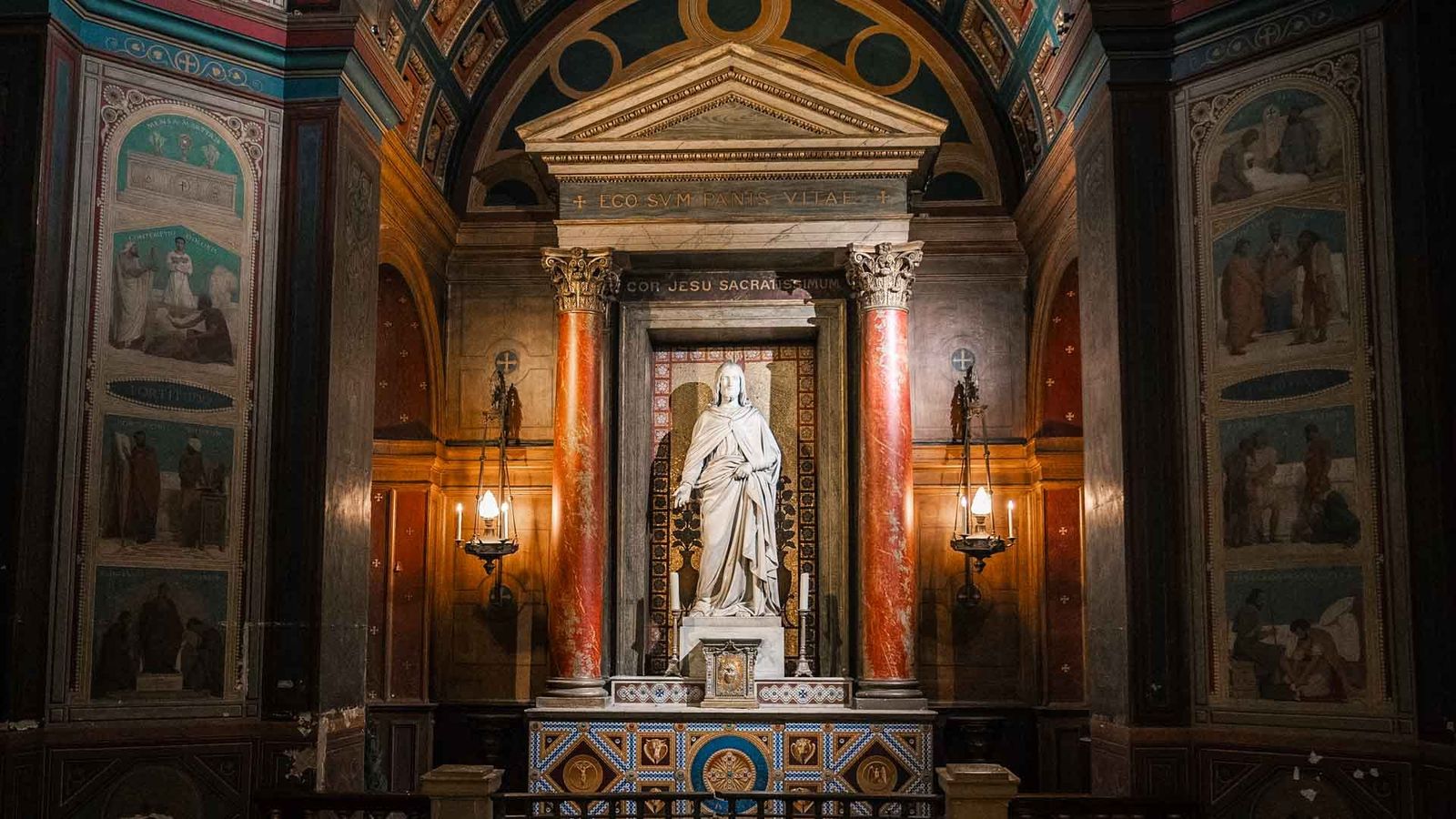
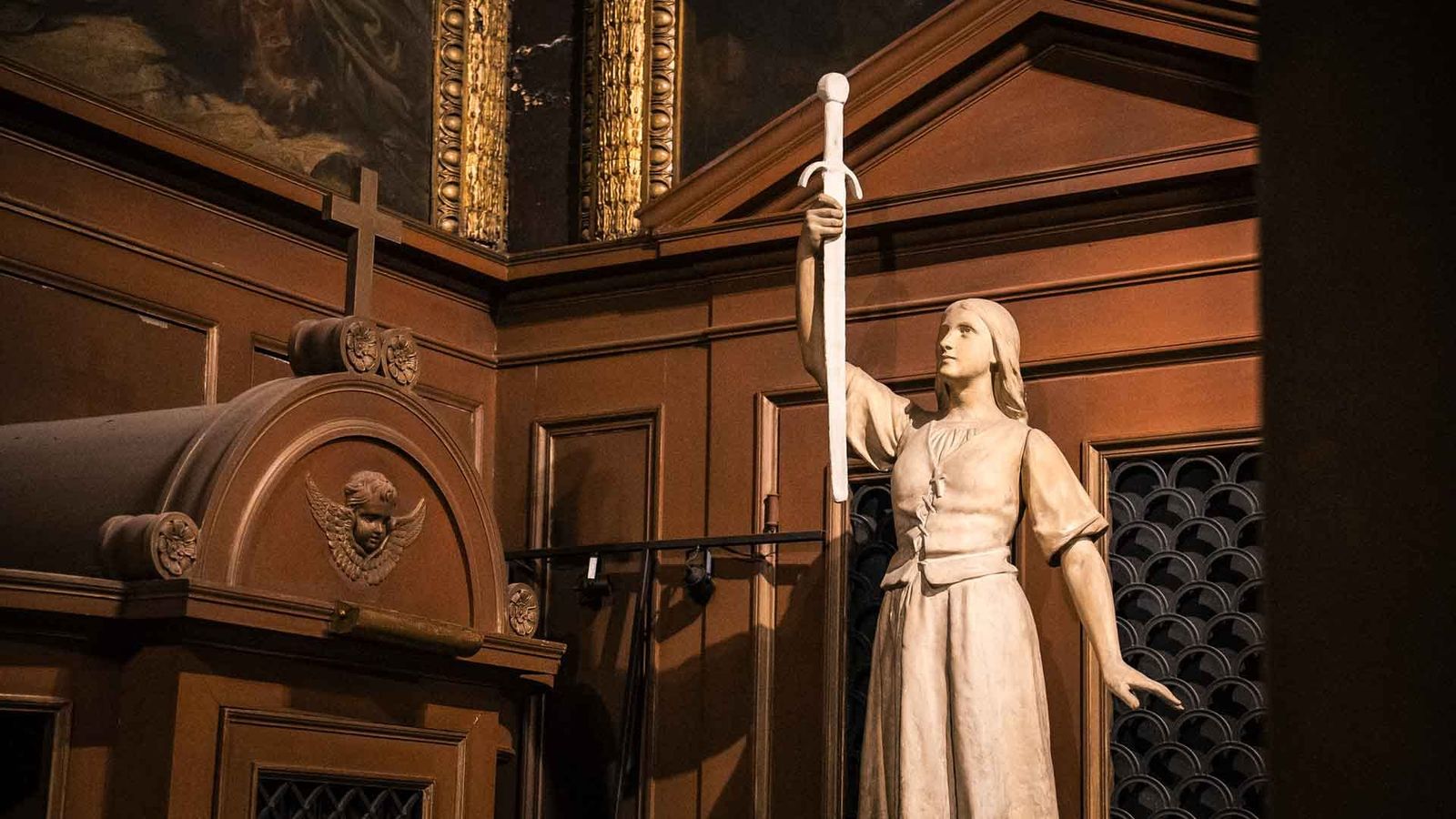
The church’s interior is renowned for its vibrant decorations, which include murals painted directly on the walls. Four chapels flank the nave, each dedicated to significant sacraments in a Christian’s life: Baptism, Eucharist, Marriage, and Anointing of the Sick. The nave features a pictorial cycle depicting the life of the Virgin Mary, with iconography drawn from apocryphal texts. The frescos were painted using a wax technique to ensure longevity in the damp environment.
Unique Features and Artworks
- Stained Glass: The only stained glass window in the church is located in the northwest oratory, depicting the Assumption, created by the Sèvres manufactory.
- Tapestry and Woodwork: The altar features a tapestry made by the Gobelins manufactory, and the church boasts an oak pulpit and a statue of the Virgin.
- Organ: The church houses a notable tribune organ.
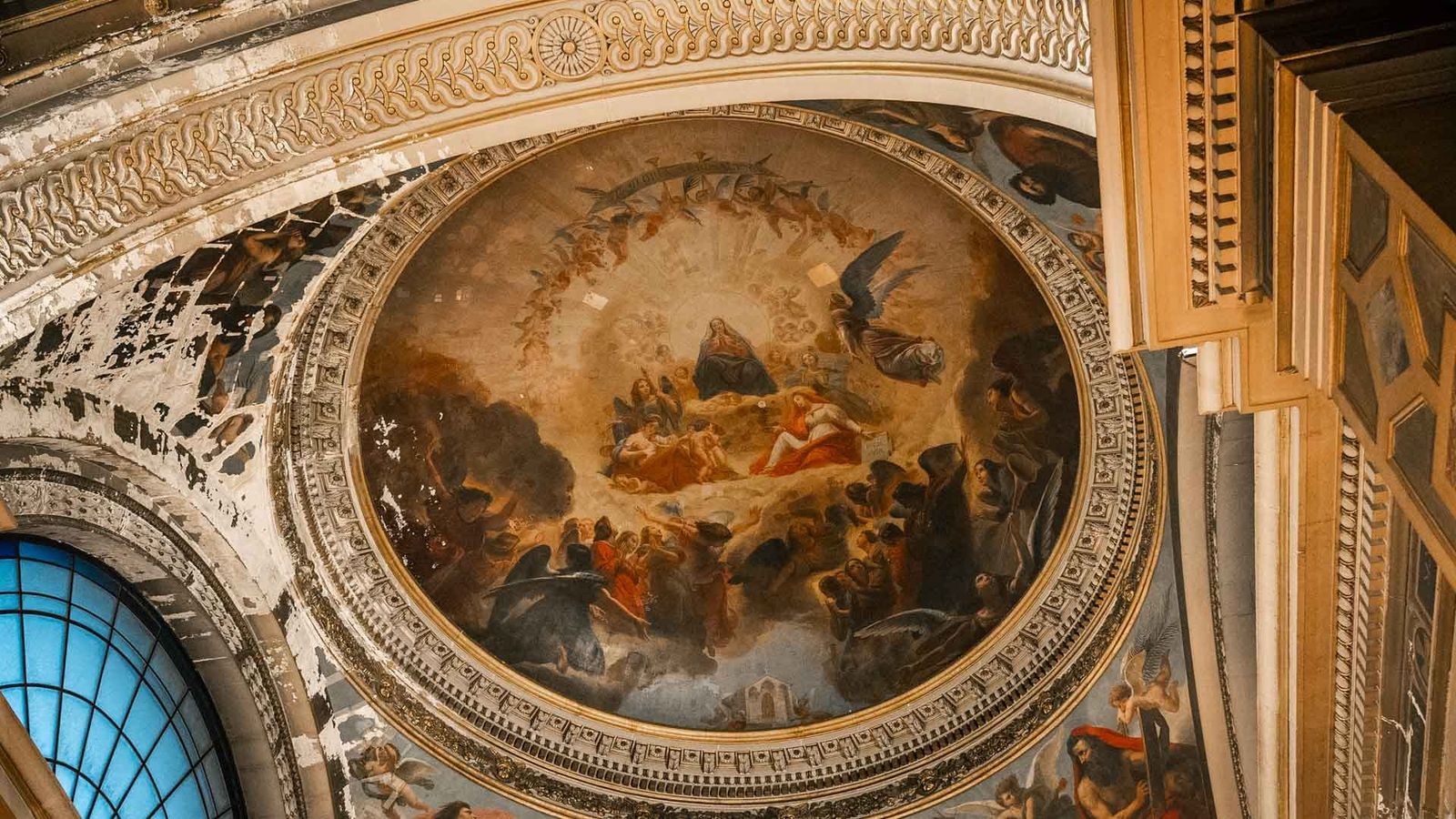
- Dome and Pendentives: Pierre-Claude-François Delorme was commissioned to paint the dome and pendentives, which feature the four Evangelists.
Historical Significance and Personalities
Notre-Dame-de-Lorette has been a significant cultural and religious site in Paris. It was classified as a historical monument on December 28, 1984. The church has been associated with several notable figures:
- Georges Bizet: The famous composer was baptized here on March 16, 1840.
- Claude Monet: The renowned impressionist painter was baptized in the church on May 20, 1841.
- Gustave Caillebotte: The artist was interred here on February 27, 1894.
A Place in Literature
The church has also found its way into literature. Gérard de Nerval, in his work “Aurélia or the Dream and Life,” describes an emotional scene set in Notre-Dame-de-Lorette.
Restoration and Preservation
In October 2013, Notre-Dame-de-Lorette was listed as a monument in peril by the World Monuments Fund. Restoration efforts began in September 2019 to preserve its intricate decorations and structural integrity.
An Artistic and Spiritual Haven
Notre-Dame-de-Lorette stands as a testament to neoclassical architecture and the rich cultural history of Paris. Its vibrant interior, historical significance, and association with prominent figures make it a noteworthy landmark in the 9th arrondissement. Visitors and worshippers alike continue to be drawn to its artistic and spiritual heritage.