



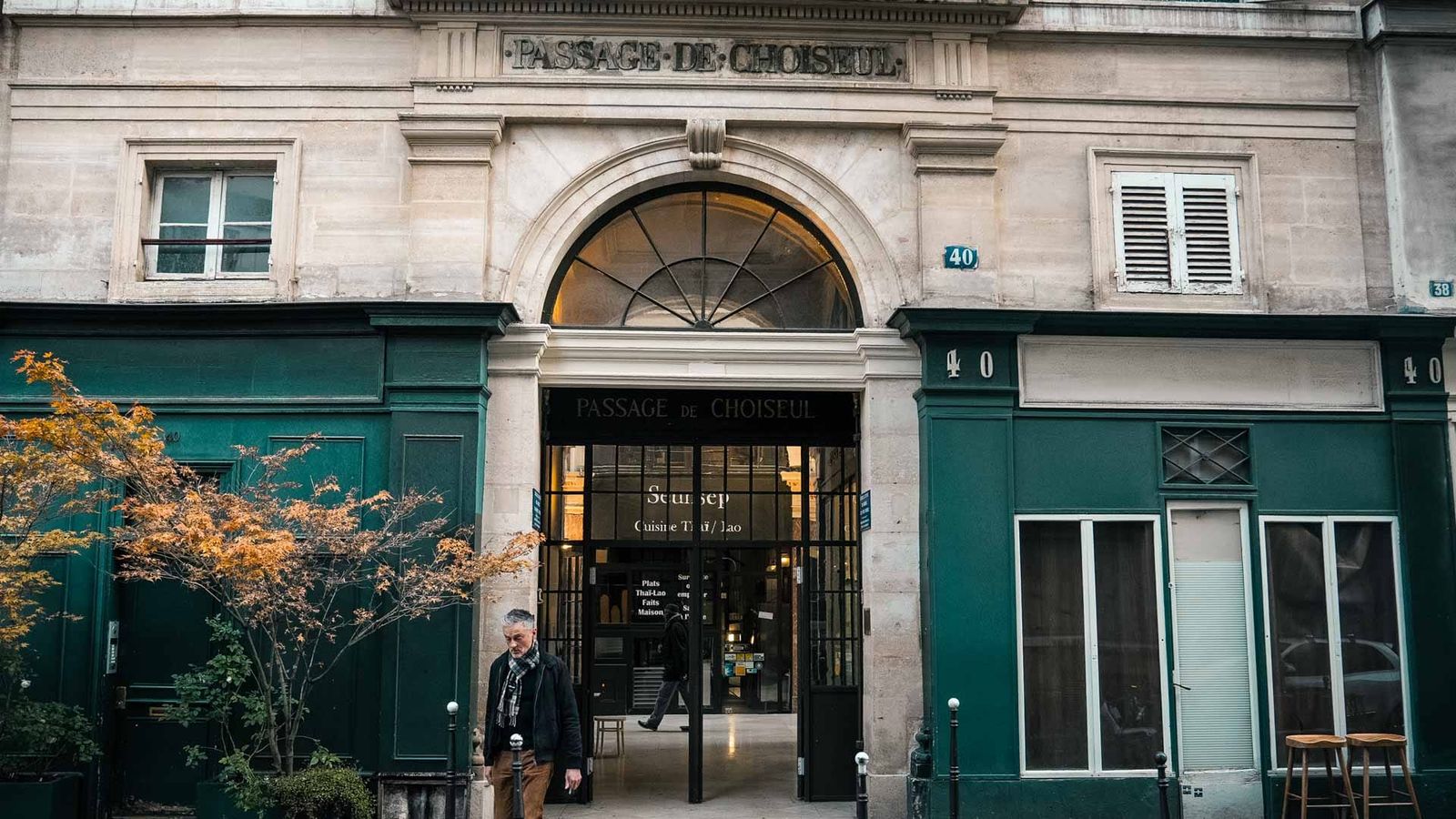

Passage Choiseul is a charming covered arcade located in the heart of Paris, known for its elegant architecture and rich history. This hidden gem offers visitors a unique glimpse into the Parisian lifestyle of the early 19th century, making it a must-visit for anyone exploring the city’s cultural landscape. Unlike more crowded thoroughfares, this passage provides a serene atmosphere where one can appreciate boutique shops and cafés tucked away from the bustling streets.
Constructed between 1825 and 1827, Passage Choiseul was part of a larger trend of covered passages in Paris that emerged after the fall of Napoleon. This arcade reflects the economic growth and urban development during the Restoration period when it became a symbol of modernity and prosperity. Visitors can walk through its elegant design and enjoy a blend of historical charm with contemporary offerings, showcasing why it remains a treasured location for both locals and tourists.
History and Development of Passage Choiseul
Passage Choiseul has a rich history marked by its architectural innovations and its evolution as a cultural and commercial hub. This covered passage reflects the changes in Parisian society and architecture during its development in the early 19th century.
Architectural Design and Significance
Constructed between 1825 and 1827, Passage Choiseul was designed by architect Antoine Tavernier after initial plans by François Mazois. This project emerged as a response to the burgeoning interest in covered passages in Paris, offering a new type of shopping experience that combined leisure and commerce.
The passage features elegant glass roofing and intricate decorative details, showcasing early 19th-century architectural styles. The design aimed to attract both shoppers and strollers, providing a sheltered environment that encouraged exploration. Its length of about 200 meters makes it one of the longest covered passages in Paris, thus solidifying its significance in the urban landscape.
Cultural and Commercial Evolution
Initially developed as a real estate investment by the Mallet Bank, Passage Choiseul quickly became a vibrant commercial space. The passage housed various shops, cafés, and artistic venues, reflecting the tastes and lifestyles of its time.
Throughout the 19th century, it served as a gathering place for Parisians and tourists alike, becoming an essential part of the city’s social fabric. The passage has undergone several renovations, especially with its reopening to the public in 2013. Today, it remains a cultural landmark, blending historical significance with contemporary use.
Modern-Day Passage Choiseul
Today, Passage Choiseul stands as a vibrant blend of history and contemporary commerce, attracting both locals and tourists. It offers a rich tapestry of shops and dining options, as well as convenient access for visitors exploring the area.
Current Businesses and Shops
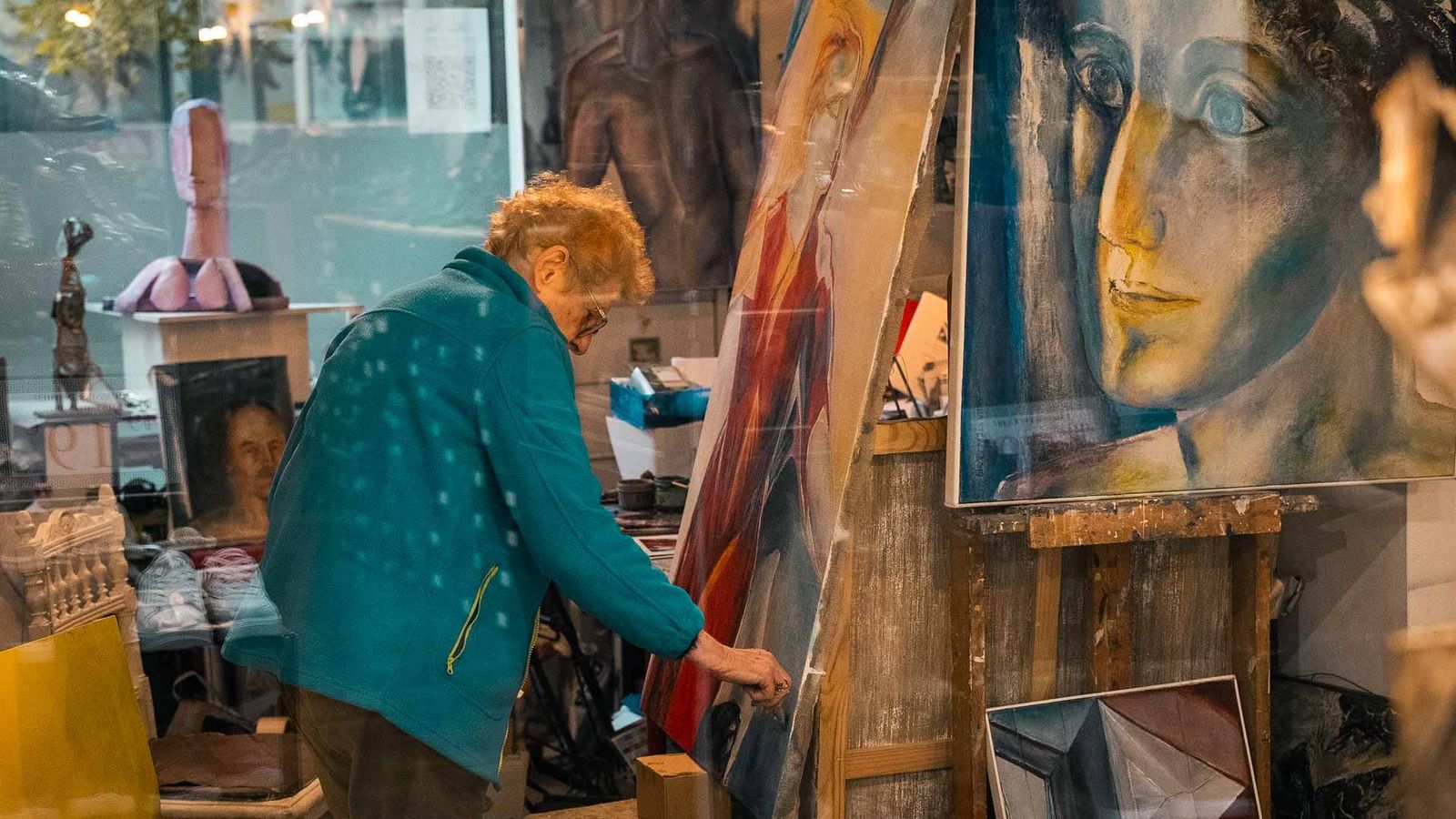
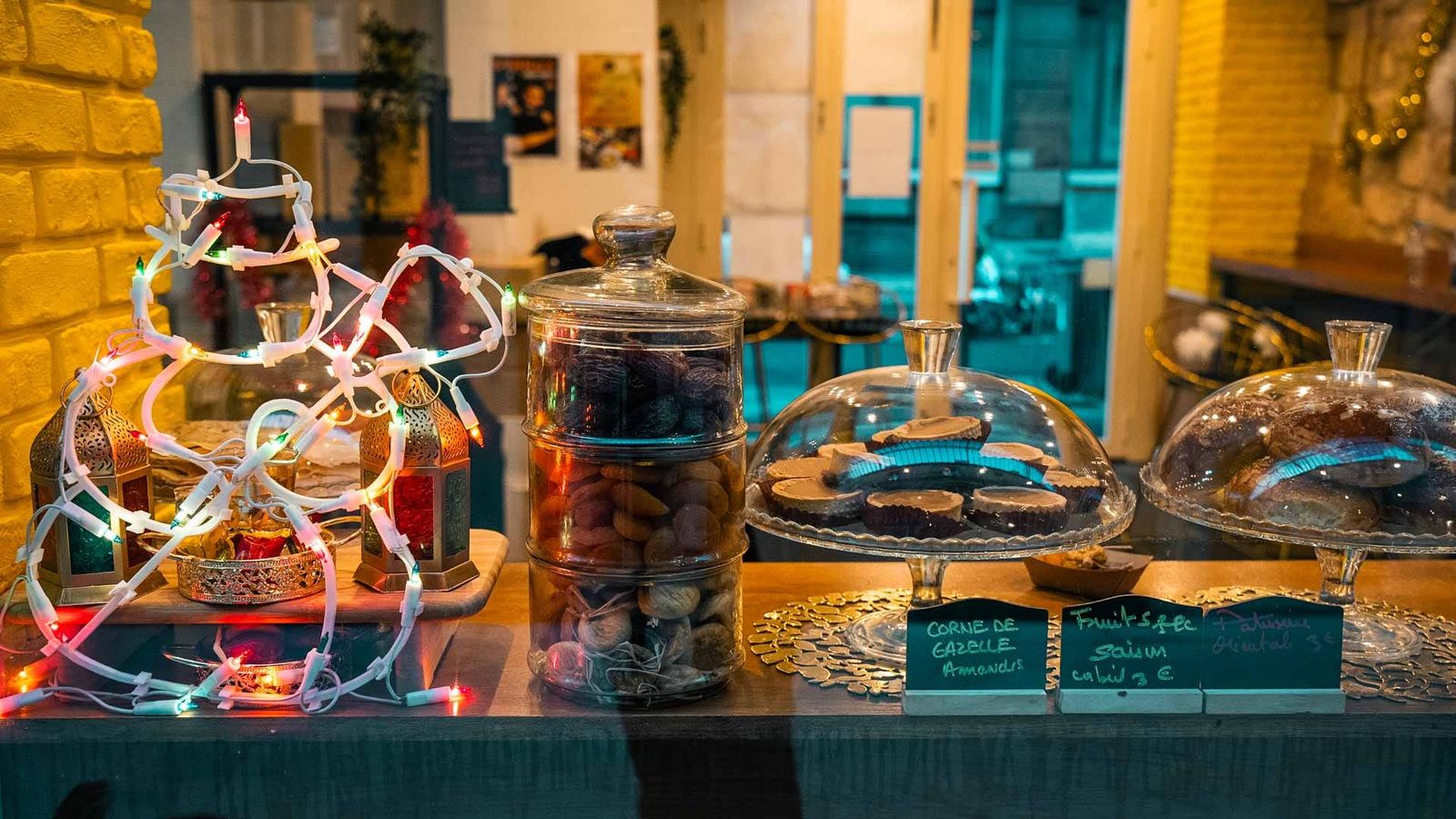
The passage is home to a variety of businesses that cater to diverse interests. Fashion boutiques, artisanal shops, and cafes line the corridor, offering unique products and experiences.
- Fashion: Several local designers showcase their collections, making it a great spot for those seeking distinct clothing.
- Artisan Shops: Craft stores offer handmade goods, from jewelry to home decor, reflecting a blend of local talent and creativity.
- Cafes and Restaurants: Various dining options provide both casual and fine dining experiences. Visitors can enjoy a quick coffee or a leisurely meal while soaking in the passage’s atmosphere.
These businesses contribute significantly to the passage’s charm, creating a lively environment.
Tourist Attraction and Accessibility
As a notable Parisian landmark, Passage Choiseul attracts many tourists due to its historical significance and aesthetic appeal. Its covered design offers a sheltered experience, making it ideal for year-round visits.
The passage is easily accessible, positioned between Rue Saint-Honoré and Rue Étienne Marcel. Public transport options include nearby metro stations, enhancing convenience for those traveling from various parts of the city.
Visitor-friendly features include clear signage and proximity to other attractions in the 2nd arrondissement, making it a desirable stop for those exploring Paris. With its combination of shopping, dining, and cultural history, it remains a key site in the heart of the city.