


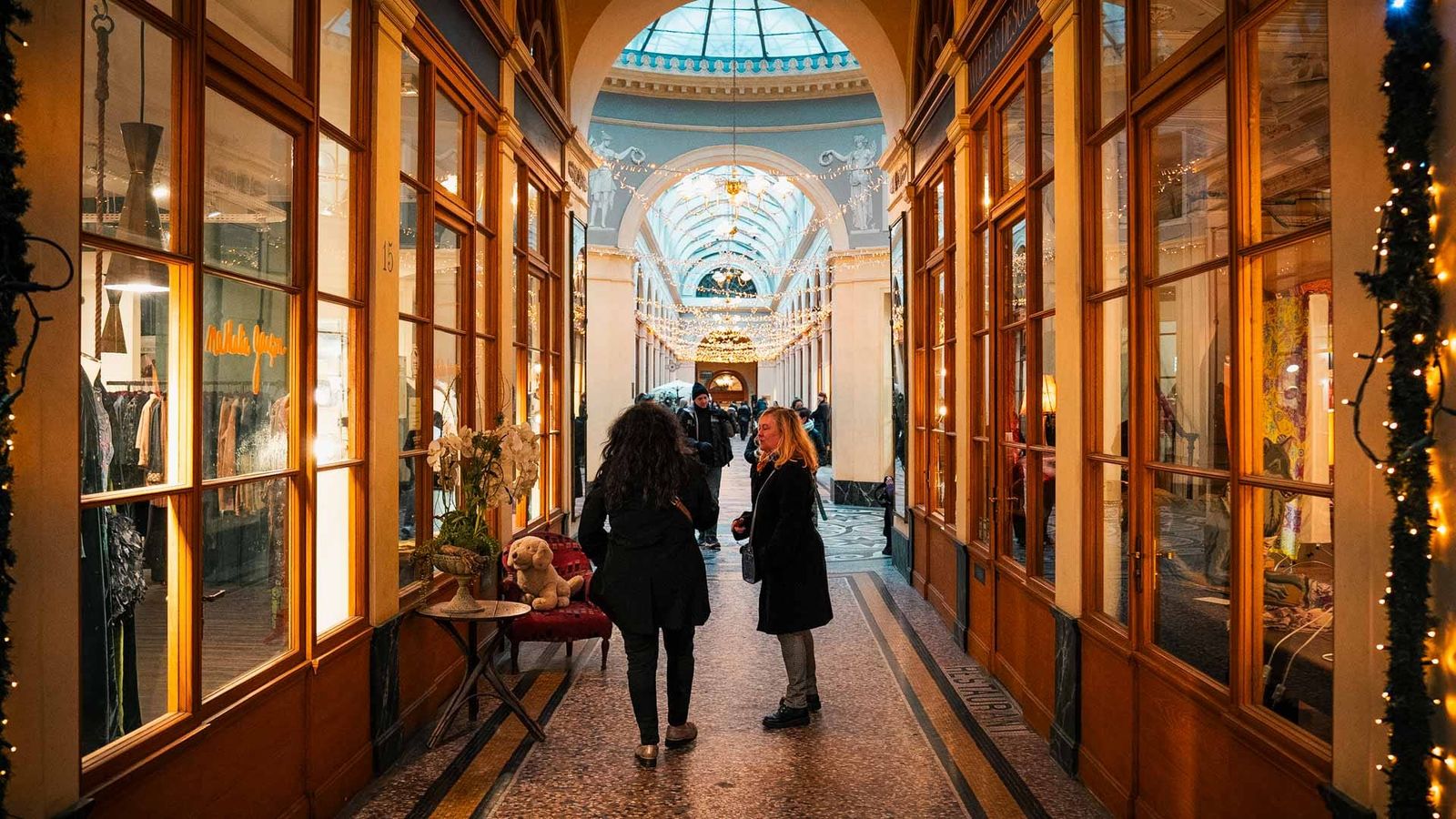

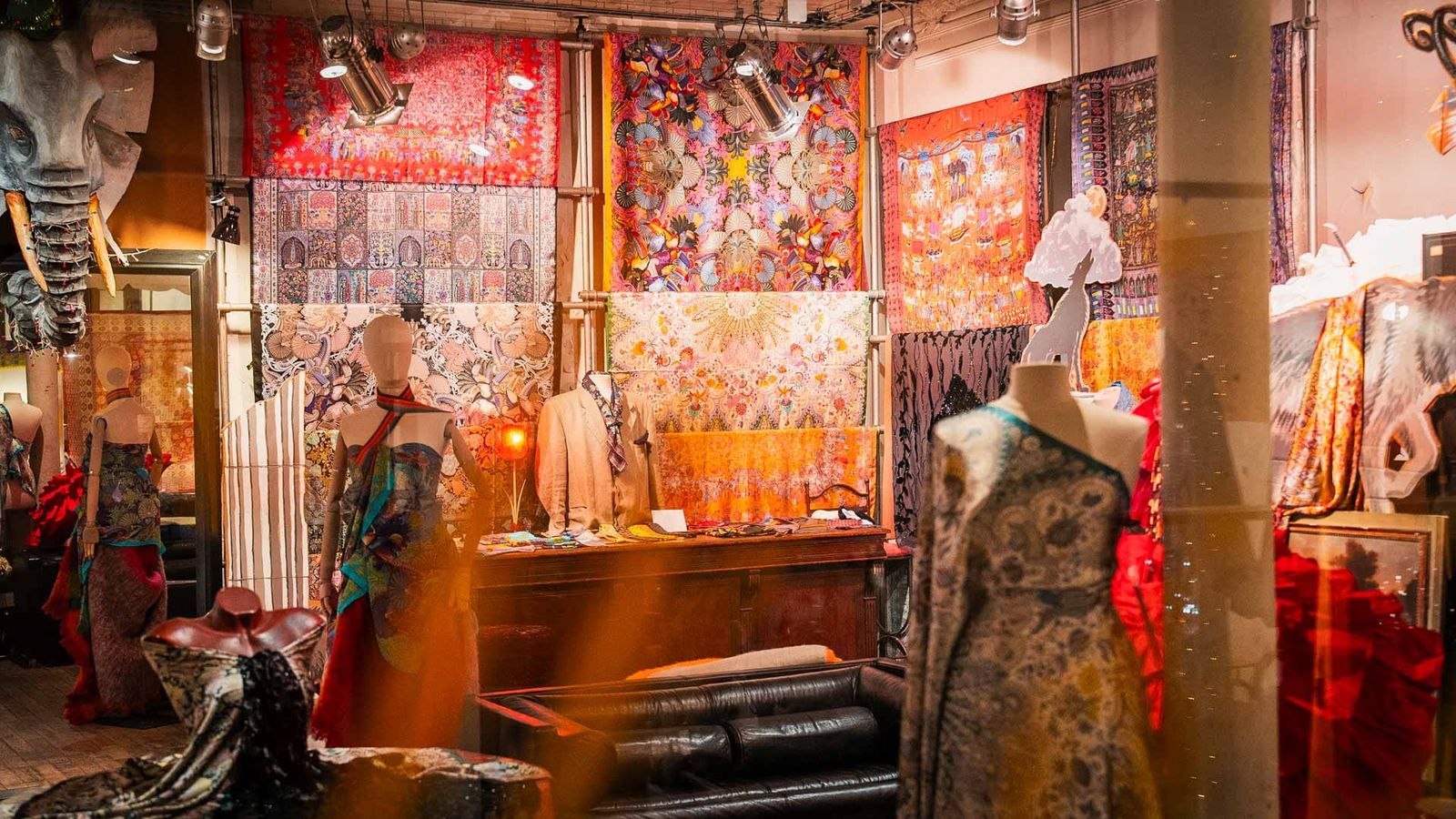


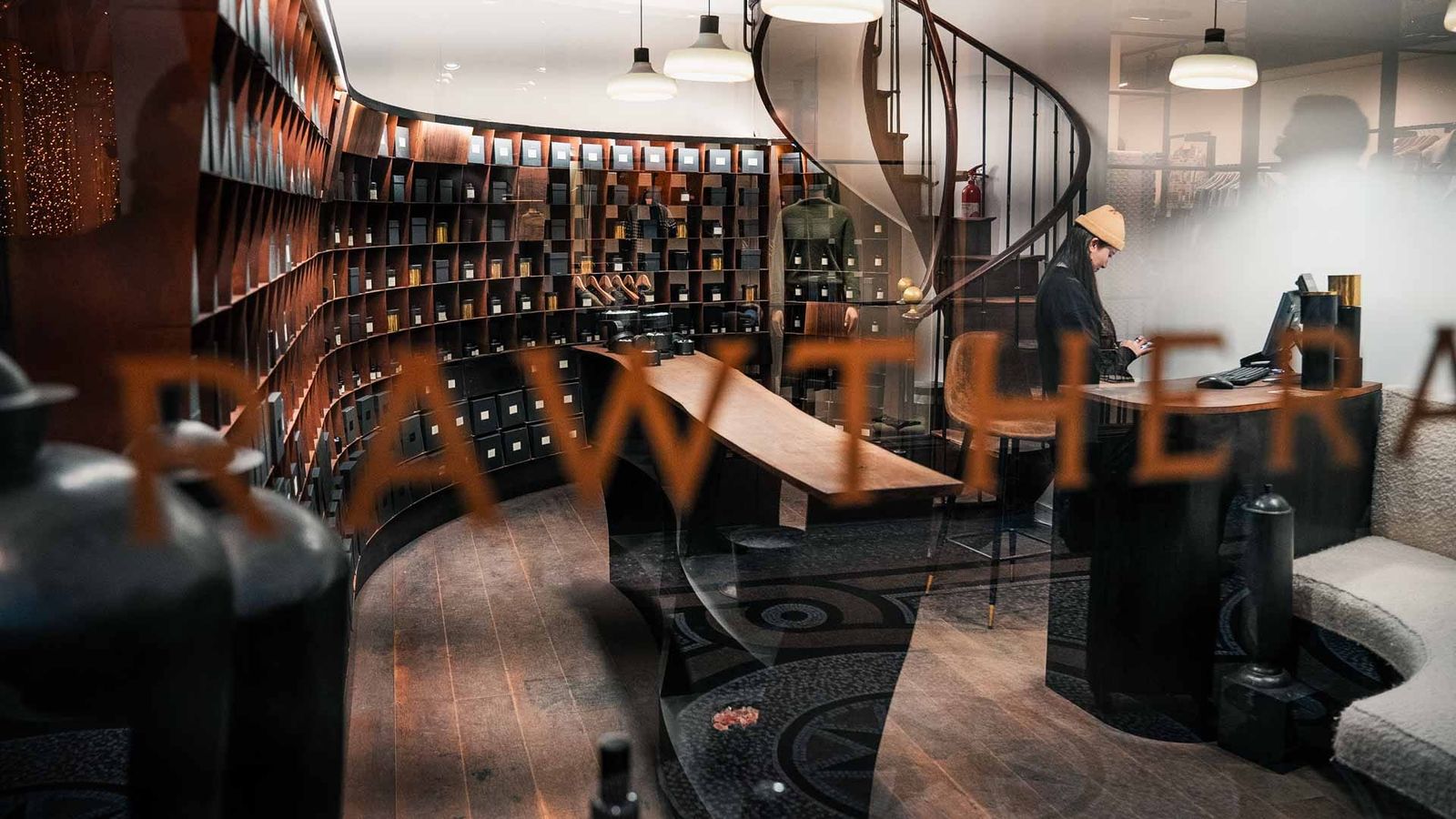
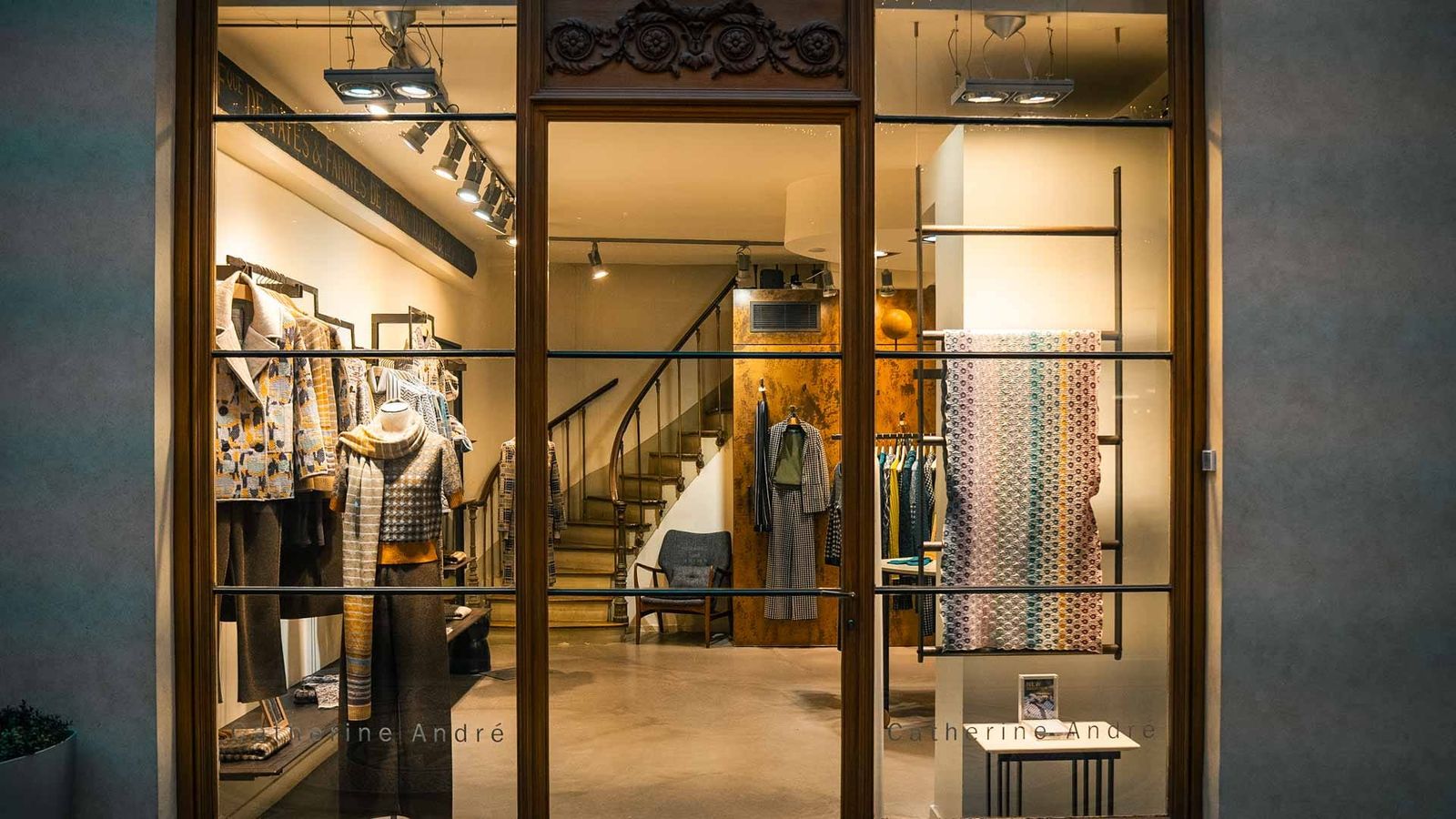

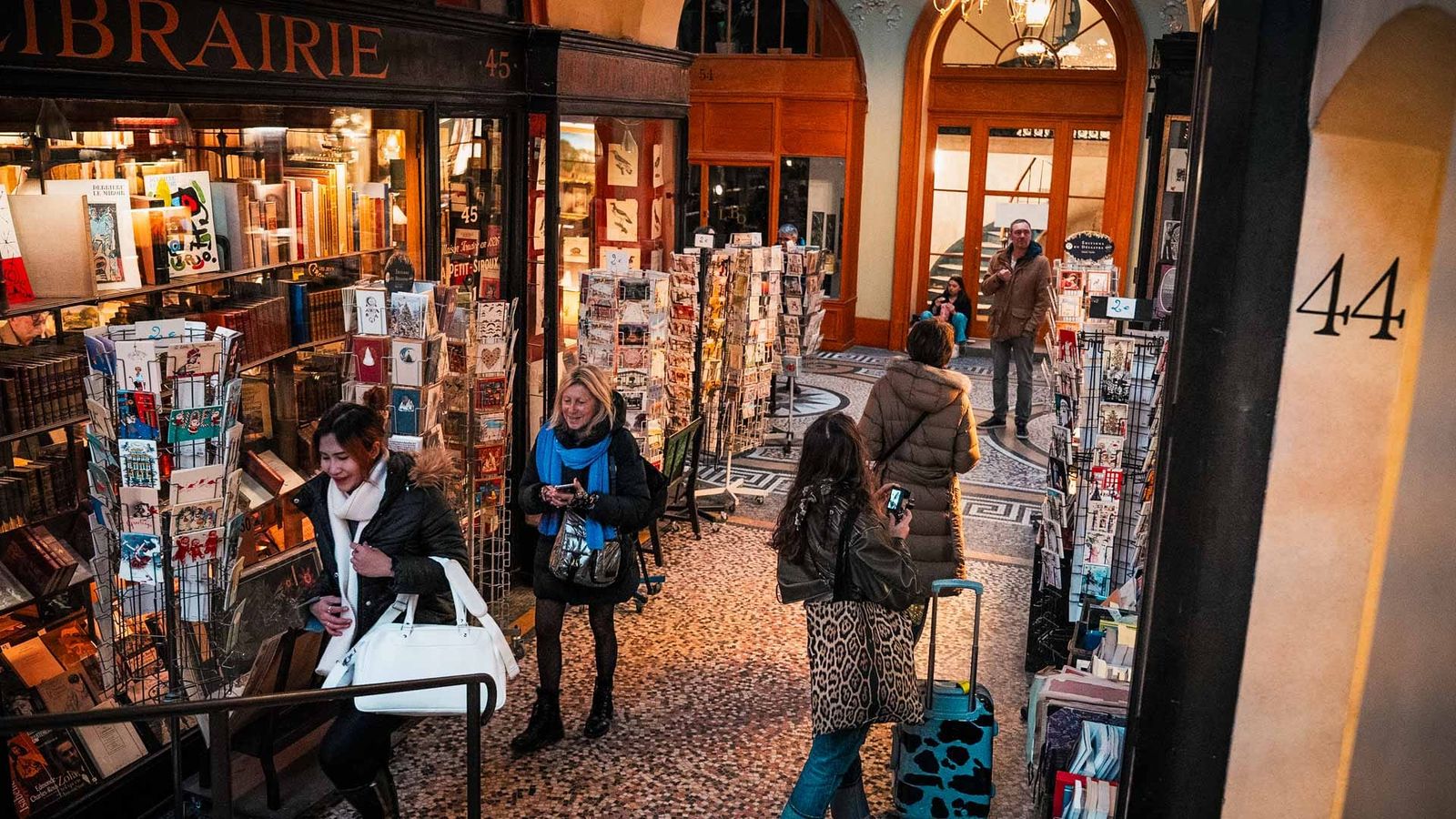

Located in the heart of Paris, Galerie Vivienne is a stunning example of 19th-century architecture and design. This historic covered passage, built in 1823, showcases exquisite neo-classical decor alongside a variety of boutiques and cafes. Visitors to Galerie Vivienne can enjoy a unique blend of shopping, dining, and art in a beautiful setting that feels both timeless and elegant.
As one of the most iconic covered passages in Paris, it attracts both locals and tourists alike. With its magnificent glass roof and sumptuous mosaic floors, each visit offers a chance to discover the charm that has captivated generations. The passage is not only a place to shop for fashion and home furnishings, but also a cultural landmark steeped in history.
Exploring Galerie Vivienne provides an opportunity to step away from the bustling streets and immerse oneself in a world of beauty and sophistication. Whether one is searching for a quiet spot to enjoy a cup of tea or hoping to find a unique gift, this enchanting passage offers a memorable experience that encapsulates the essence of Parisian charm.
History of Galerie Vivienne
Galerie Vivienne, a remarkable covered passage in Paris, boasts a rich history intertwined with architectural elegance and urban development. Its design reflects both aesthetic aspirations and historical significance, marking it as a vital part of Parisian culture.
Architectural Design
The architectural design of Galerie Vivienne was conceived by François-Jacques Delannoy, who infused neo-classical Pompeian style into the space. Completed in 1826, the passage features a stunning canopy and intricate decor, including mosaics and sculptures that celebrate commerce and trade.
The elegant rotunda showcases detailed stuccoes illustrating themes of antiquity, success, and prosperity. Abundant ornaments around the windows enhance the aesthetic appeal, while the spacious layout invites leisurely exploration. This architectural masterpiece serves as a precursor to modern shopping malls, reflecting the 18th and 19th-century spirit of Paris.
Opening and Early Years
The galerie officially opened in 1826, quickly becoming a hub for the Parisian elite. Initially, it offered a diverse array of boutiques, from luxury goods to artisanal crafts, attracting visitors and locals alike.
Its location directly connected to the Palais-Royal added to its allure, drawing the fashionable upper class. The passage also competed with nearby Galerie Colbert, establishing itself as one of the most charming covered passages in the city. Over time, Galerie Vivienne underwent various restorations to preserve its grandeur, maintaining its status as a cultural landmark in Paris.
Cultural Significance
Galerie Vivienne stands out not only for its architectural beauty but also for its influence in literature and cinema. Its elegant design and historical backdrop have made it a notable subject in various artistic expressions.
Literary References
The allure of Galerie Vivienne has captured the imagination of several authors. Its intricate design and rich history often serve as a metaphor for exploration and discovery.
Key Literary Works:
- “The Paris Wife” by Paula McLain: This novel references the ambiance of Paris’s covered passages, including Galerie Vivienne, portraying them as spaces of romance and intrigue.
- Poetry: Numerous poets have alluded to the gallery’s charm, using it to symbolize nostalgia and the passage of time.
These literary connections enhance the gallery’s cultural footprint, allowing readers to engage with its beauty through the eyes of renowned writers.
Cinema Appearances
Galerie Vivienne has also made significant appearances in film, adding to its cultural narrative. The gallery’s stunning aesthetics provide a picturesque backdrop that enhances cinematic storytelling.
Notable Films:
- “The Da Vinci Code”: Features the gallery in a crucial sequence, emphasizing its architectural significance.
- “Midnight in Paris”: Showcases the gallery, reflecting the romanticism associated with Parisian settings.
These films showcase the gallery’s timeless elegance, reinforcing its role as a cultural landmark in both literature and cinema.
Architectural Features
Galerie Vivienne is renowned for its elegant architectural elements that reflect historical Parisian design. Key features include intricate mosaics and a stunning glass roof, both contributing to its charm and ambiance. Additionally, renovation efforts have played a crucial role in preserving and enhancing these features over time.
Mosaics and Glass Roof
The floor mosaics in Galerie Vivienne, crafted by the famous mosaicist Facchina, are a highlight of its interior. These intricate works of art showcase geometric patterns and vibrant colors, enhancing the gallery’s opulence.
The glass roof spans nearly the entire space, allowing natural light to illuminate the interior. The design cleverly alternates between glass and elegantly decorated arches. This combination creates a visually striking environment while maintaining a sense of openness that invites visitors in.
Renovation Efforts
Over the years, several renovation efforts have aimed to preserve the historical significance of Galerie Vivienne. The extensive renovation in the early 20th century restored many of the original features, including the mosaics and facade.
Recent initiatives have focused on maintaining the structural integrity of the building while enhancing visitor accessibility. Attention to detail in these renovations ensures that the gallery retains its architectural beauty, making it a significant cultural landmark in Paris.
Retail and Commerce
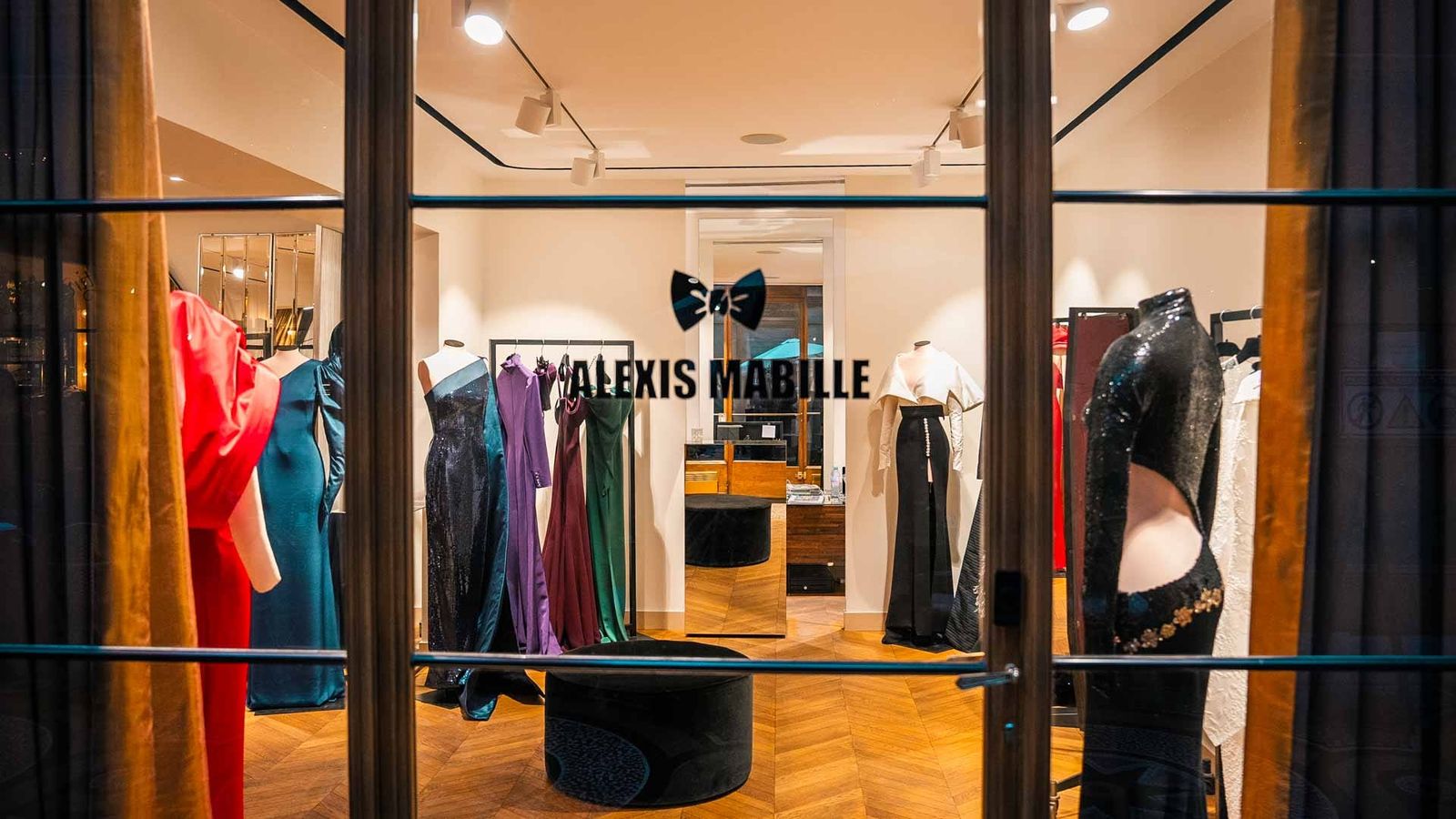
Galerie Vivienne is renowned for its charming retail scene, offering shoppers a blend of high-end boutiques and delightful cafes. This covered passage captures the essence of Parisian shopping, making it a destination for both locals and tourists alike.
Notable Boutiques
The boutiques within Galerie Vivienne are a mix of luxury and unique offerings. Shops like Astier de Villatte feature handcrafted ceramics and home goods, showcasing the artistry of French craftsmanship.
Another highlight is the elegant jewelry store, Kris Van Assche, which offers chic and modern designs. The diversity of stores makes it a perfect spot for finding distinctive fashion pieces, antiques, and souvenirs.
Visitors may also encounter several independent retailers that emphasize artisanal products, from luxury stationery to bespoke clothing. The ambiance is enriched by the beautifully designed interiors, combining retail with aesthetics.
Cafes and Eateries
Cafes and eateries in Galerie Vivienne offer a perfect respite from shopping. Notable spots such as La Pâtisserie des Rêves provide an exquisite selection of pastries and desserts, reflecting the rich culinary tradition of France.
Another gem is the Café de la Régence, which serves classic French dishes in a cozy atmosphere. The cafes’ unique decor and outdoor seating options enhance the shopping experience, inviting patrons to relax and enjoy their surroundings.
Additionally, these establishments often feature seasonal menus, showcasing fresh ingredients and innovative flavors. Visitors can relish a delightful coffee or a light meal, making it an ideal spot to recharge before continuing their exploration.
Visitor Information
Visitors to Galerie Vivienne will find essential details about opening hours and how to access this iconic Parisian landmark. This information is crucial for planning a visit and ensuring a smooth experience.
Opening Hours
Galerie Vivienne opens daily, providing ample opportunity for exploration. The typical opening time is 8:30 AM, and it closes at 8:30 PM. This long window allows visitors to enjoy the beautiful atmosphere at various times of the day.
It is advisable to confirm the hours before visiting, as they can change during holidays or special events. Visitors may also wish to come early to experience a quieter ambiance, especially during peak tourist seasons.