



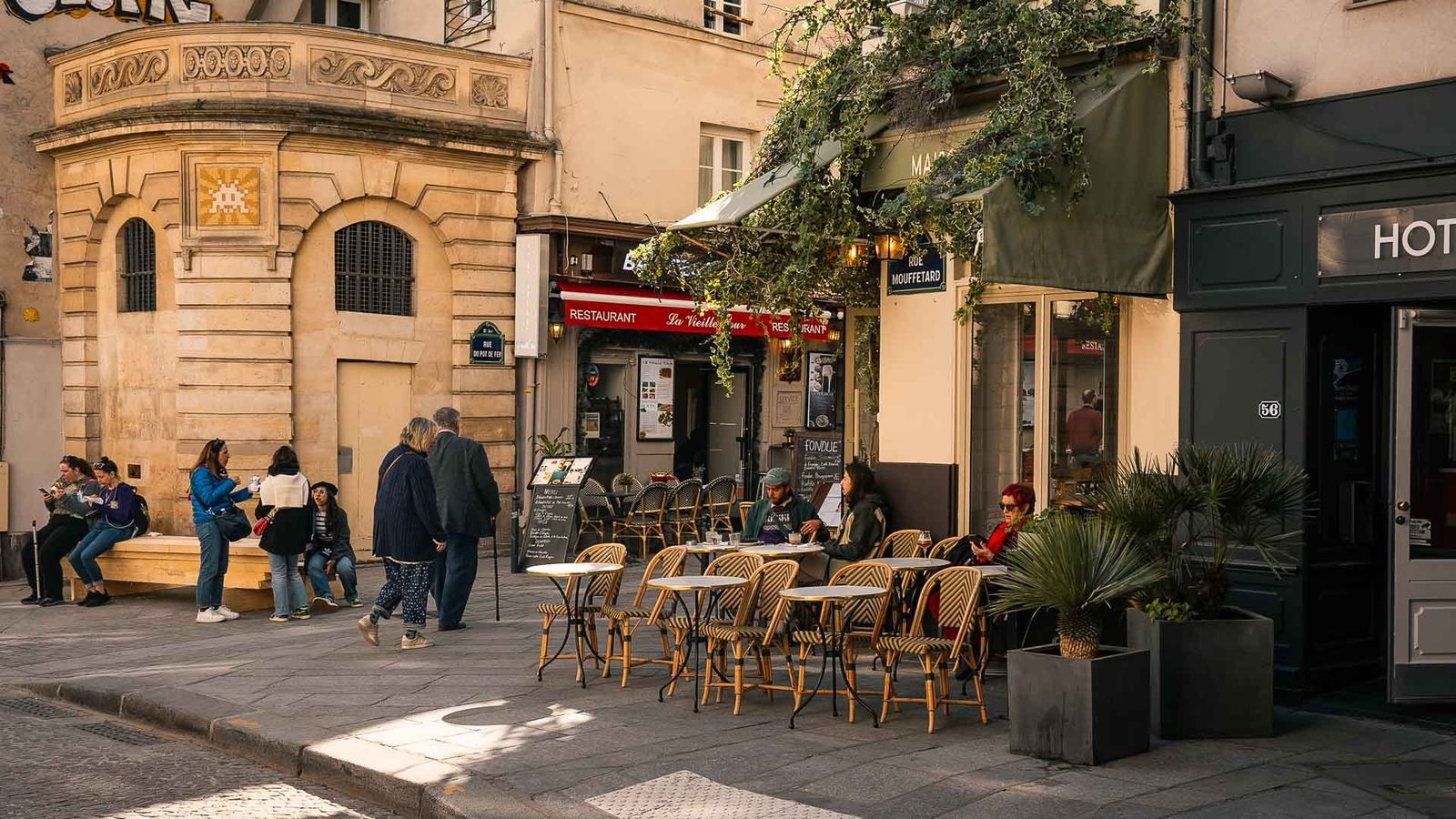
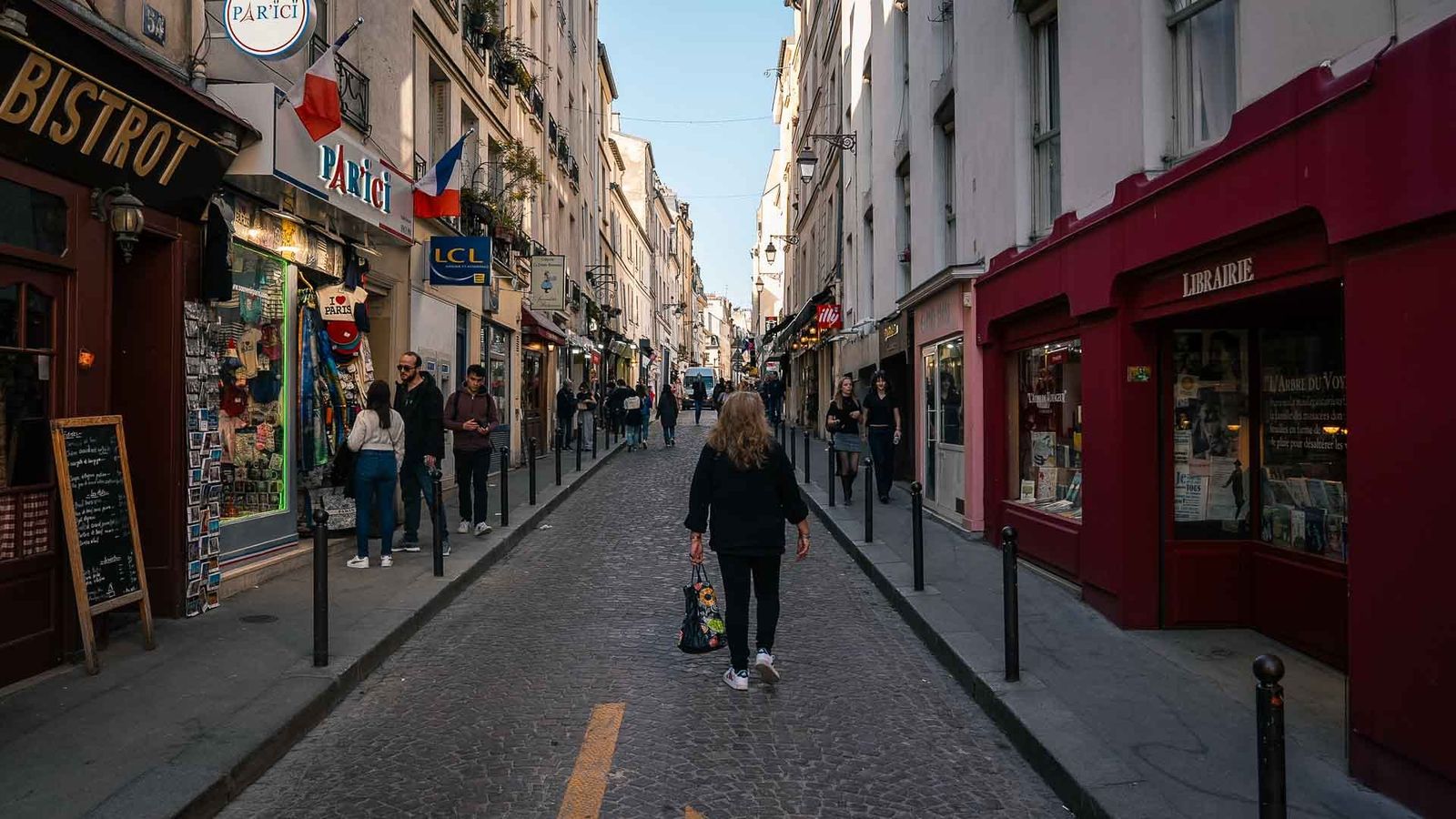




Rue Mouffetard isn’t polished, and that’s the point. Tucked into Paris’s 5th arrondissement, this narrow, sloping street has been walked for over 2,000 years—originally a Roman road, now a daily parade of grocers shouting prices, students chain-smoking outside cafés, and butchers wiping their hands on aprons as they lean in for gossip.
Locals call it “la Mouffe.” It runs downhill from Place de la Contrescarpe to the modest, slightly leaning Church of Saint-Médard. On weekends, it’s jammed. Not with buses of tourists snapping pics (though you’ll find them too), but with Parisians filling cloth bags with Comté, olives from Provence, and blood sausage wrapped in paper. The market is open most days, but mornings are the best—especially Saturday, when the air smells like espresso, cheese rind, and whatever’s roasting at the rotisserie stand near the middle of the street.
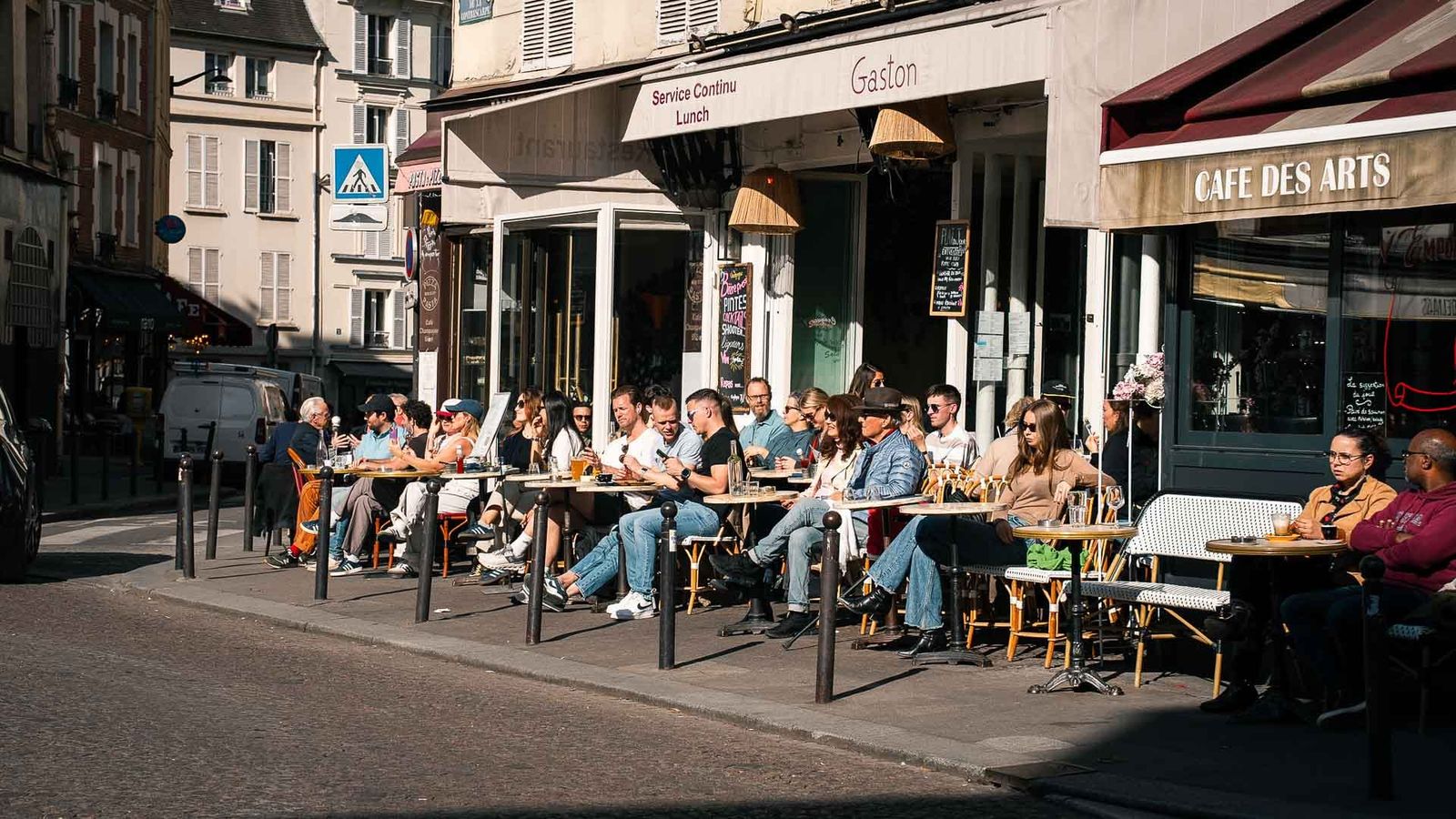
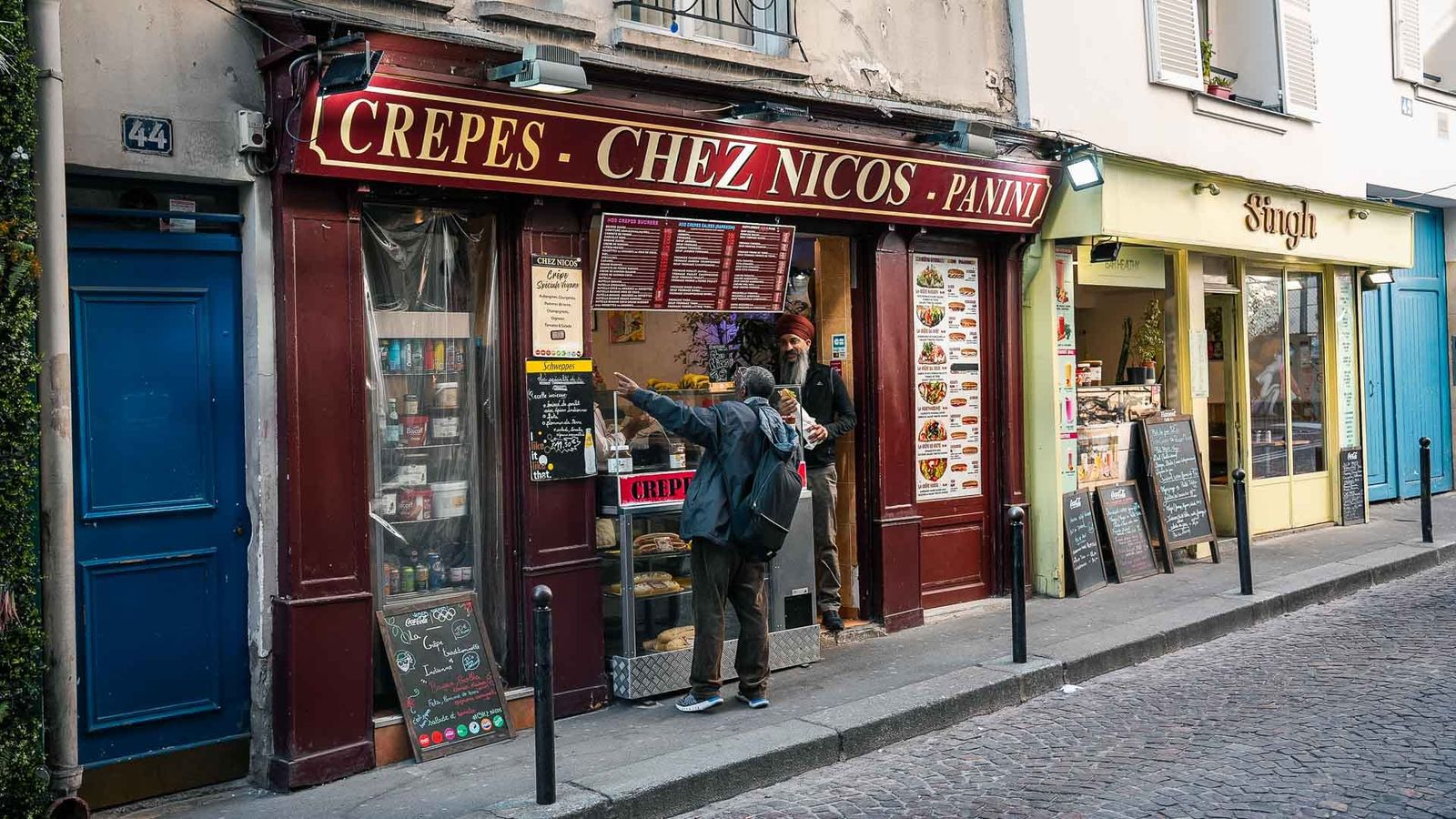
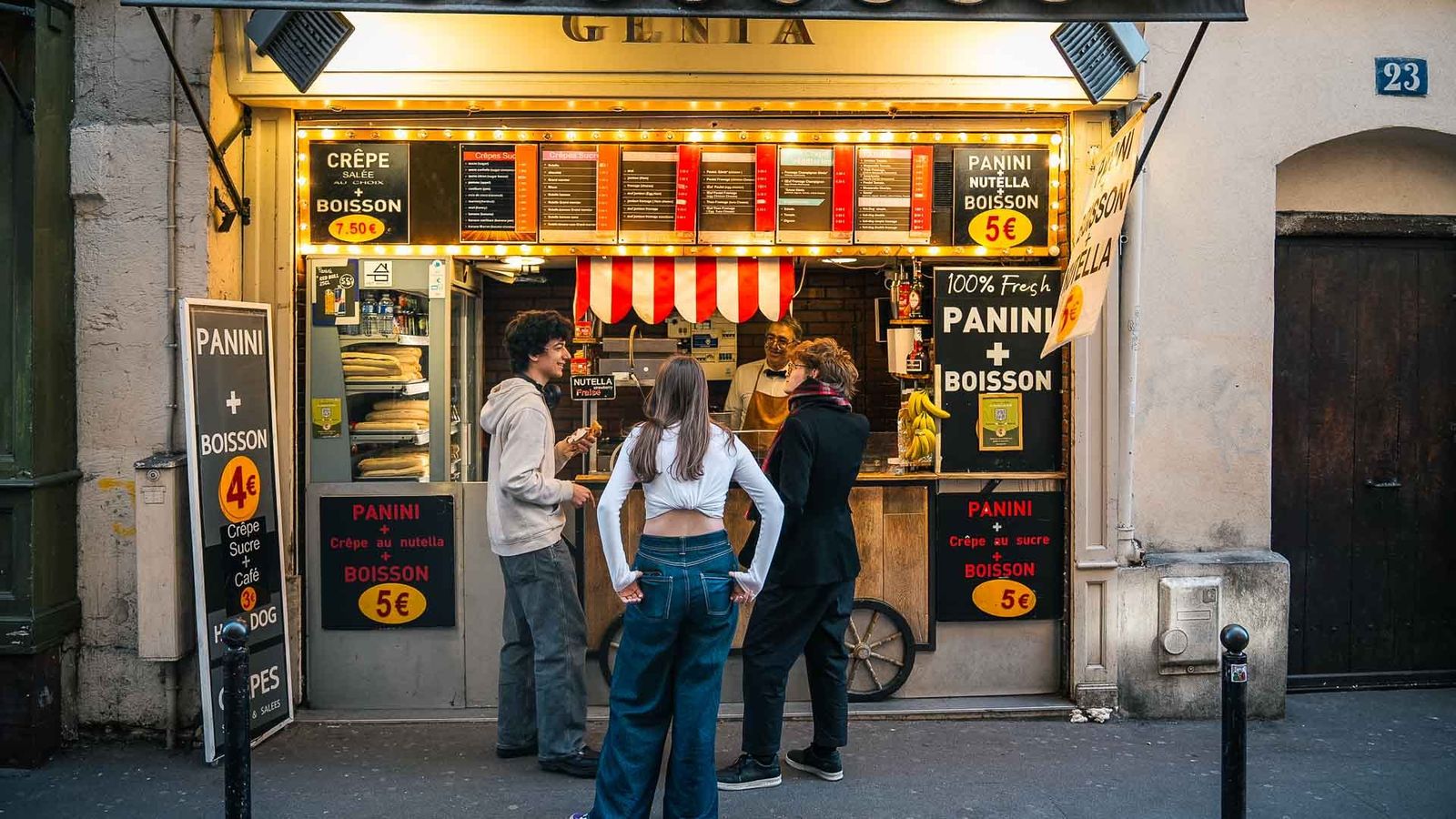
Cafés here aren’t posing for Instagram. Le Mouffetard Café spills out with tiny round tables, locals debating politics over noisette coffee. At La Fontaine de la Mouffe, students from the Sorbonne order €4 glasses of house wine and smoke as if it’s a sport. There’s a crepe stand that’s been manned by the same grumpy guy for years. He doesn’t smile, and the crepes are better for it.
Ernest Hemingway lived nearby and wrote about the area in A Moveable Feast. He didn’t romanticize it—he liked it because it was cheap and real. That raw edge is still here, if you look past the souvenir shops.
The buildings lean a little. The stone is old and uneven. Drainpipes rattle when it rains. But this street isn’t a museum—it’s alive. Teenagers hang out on stoops, neighbors know each other, and the guy at the cheese shop will tell you exactly how to cook with Reblochon, whether you asked or not.
Rue Mouffetard isn’t trying to impress you. That’s its charm. It’s messy, loud, and full of life—and that’s about as Parisian as it gets.