Bouillons are often described as symbols of popular Paris. Cheap food, noisy dining rooms, traditional recipes, long tables where strangers eat side by side. The image is comforting, almost reassuring. But the real history of Parisian bouillons is more complicated, and in many ways more interesting.
Bouillons were not born out of nostalgia. They were born out of hunger, urban chaos, and industrial logic. And despite their reputation, they were never exclusively restaurants for the poorest.
What Exactly Is a Bouillon?

At its most basic level, a bouillon is a restaurant serving simple French food, named after the broth that originally structured its menu. In the 19th century, the idea was to serve food quickly, in large quantities, and at very low prices. Less than two francs for a meal. Hot, filling, and immediate.
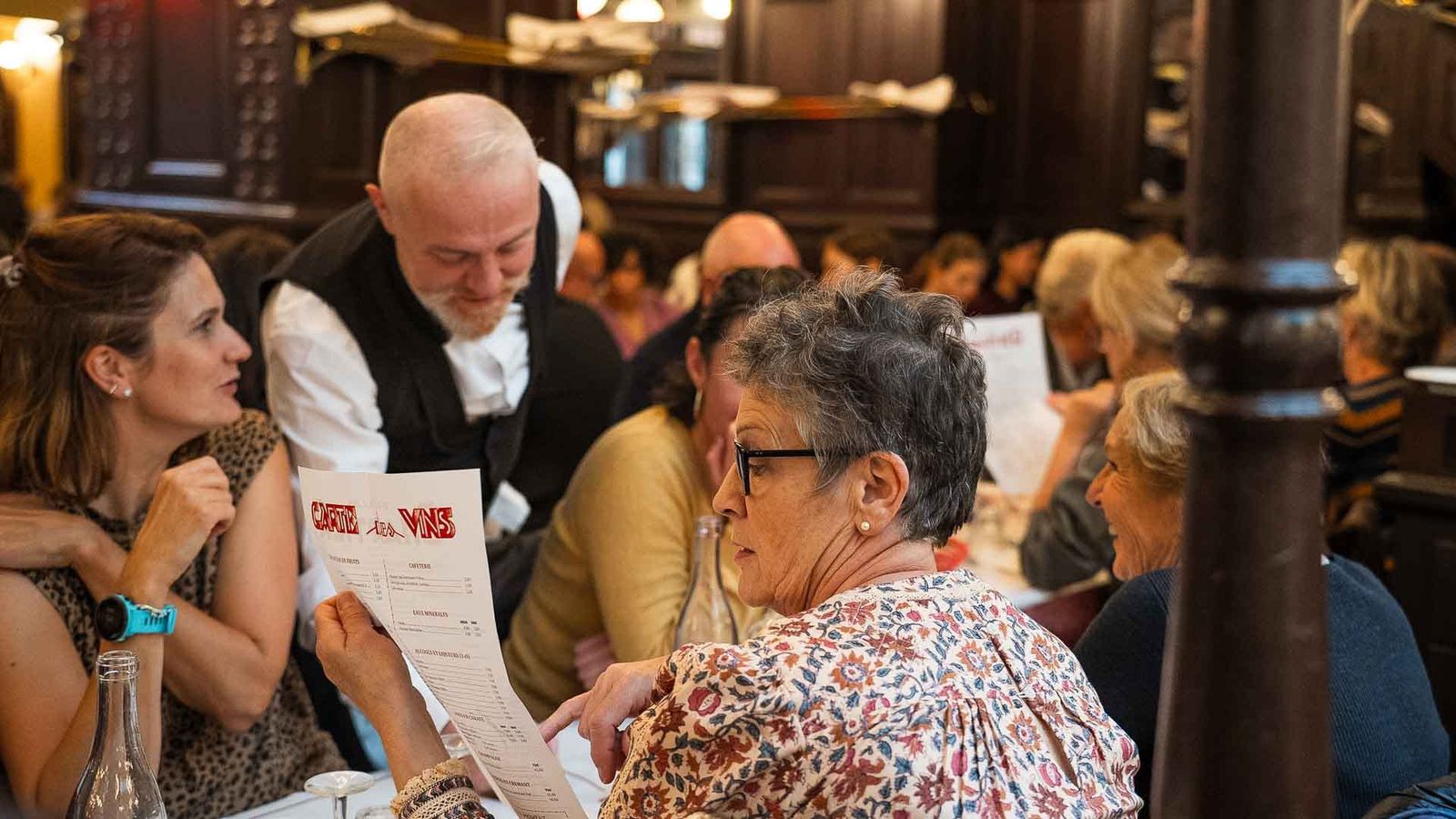
The atmosphere mattered almost as much as the food. Tables were close. Service was fast. Noise was constant. You ate, you paid, you left. This was not a place to linger. It was closer to a canteen than to what we now think of as a restaurant.
And yet, from the very beginning, bouillons were also places of spectacle.
Before the Bouillons: Selling Broth to the City
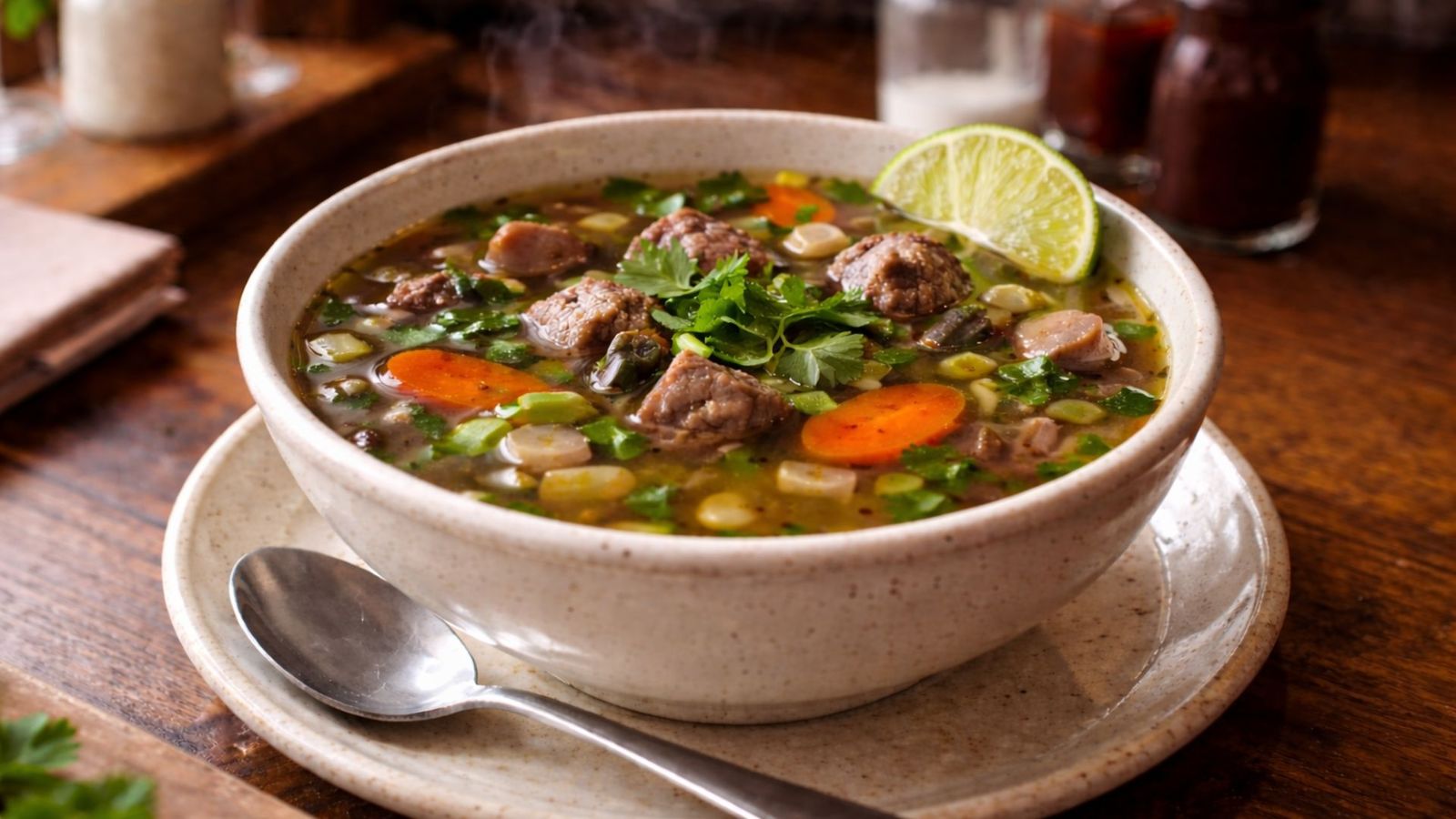
Long before the first “bouillon” restaurant appeared, Parisians were already used to the idea that broth could be sold as nourishment.
In the early 1830s, a Dutch-backed company called the Compagnie Hollandaise began opening establishments across Paris. Founded by Bowens and Van Coppenaal, the company sold cups of beef broth for 20 centimes. The product was marketed as restorative, almost medicinal. Gelatin was one of its key components.
This was not marginal street food. The Compagnie Hollandaise published scientific reports, including one by the famous chemist Eugène Chevreul. The company went public. Its headquarters were located on boulevard Bonne-Nouvelle. For more than a decade, “Dutch broth” became a small urban phenomenon.
By the mid-1840s, the fashion faded. The company closed in 1854. But the word bouillon had entered the Parisian vocabulary. And the idea remained: broth could feed a city.
Duval and a Very Concrete Problem
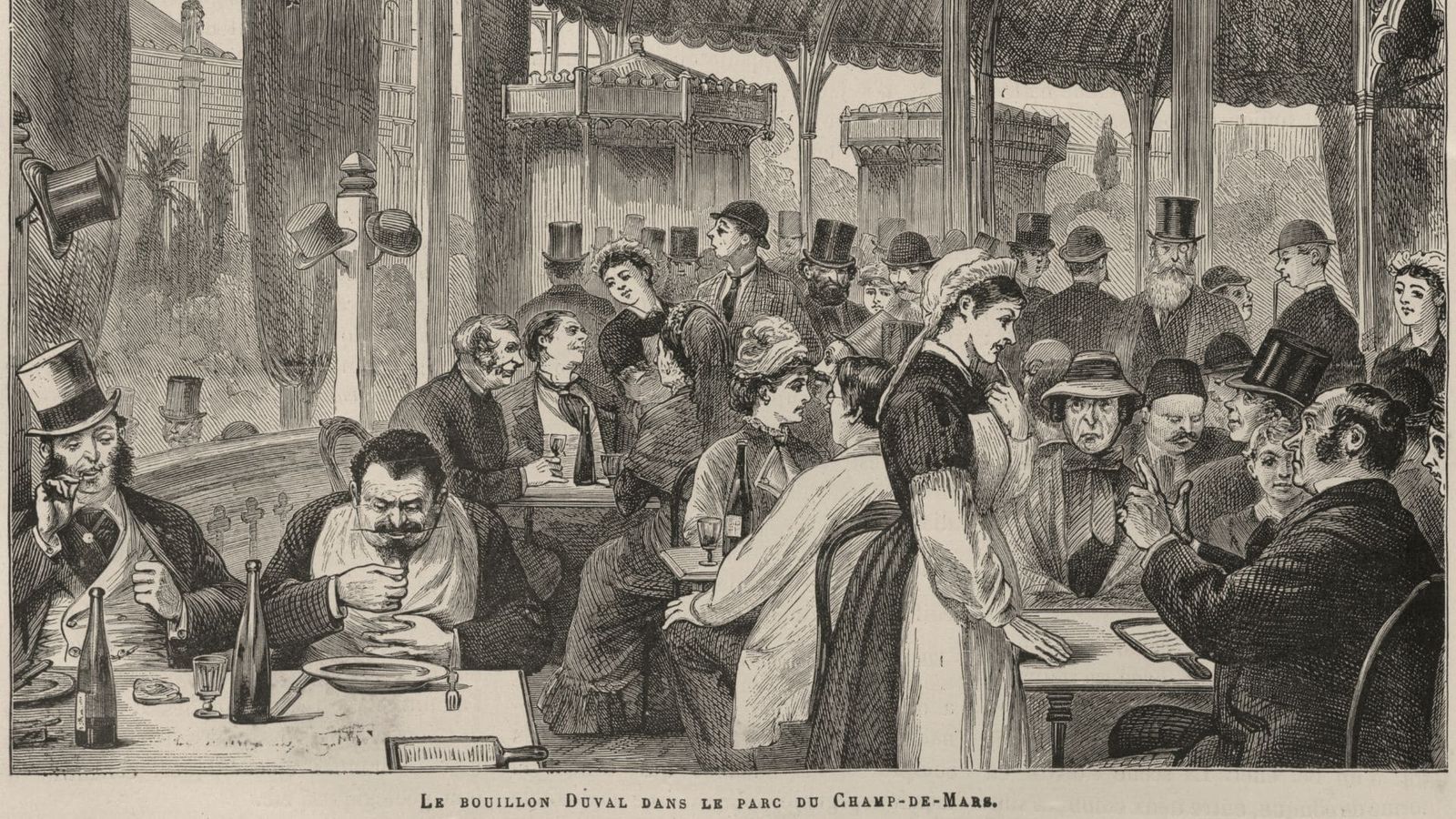
The real turning point came in the 1850s, in a Paris undergoing violent transformation. Baron Haussmann’s works brought thousands of laborers into the city. Streets were demolished, rebuilt, widened. People worked long hours. They needed to eat quickly, and near their workplaces.
Baptiste Adolphe Duval was a butcher. A good one. His clients were wealthy, which created a problem: they wanted the best cuts and ignored the rest. Duval was losing money on what were called the “low pieces” of meat.
His solution was practical, not ideological. He cooked them.
In 1854–1855, Duval opened a restaurant near Les Halles, at 21 rue de la Monnaie. He served essentially one dish: beef cooked in its own broth, inspired by the hochepot from northern France. Bread. Wine. That was it.
The response was immediate.
A Shock of Scale
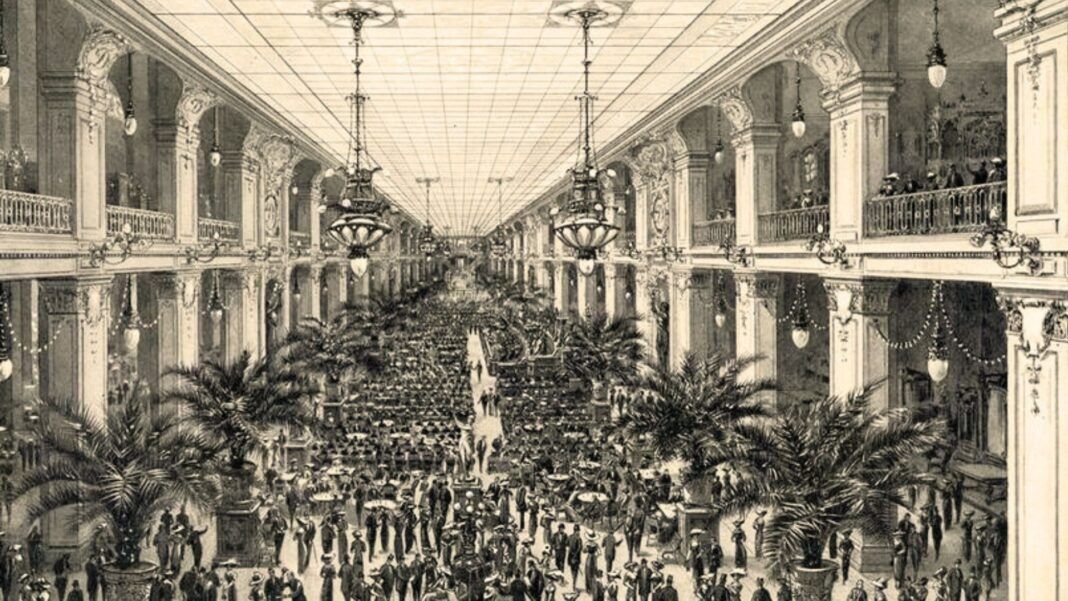
What made Duval’s bouillon revolutionary was not only the food. It was the scale. One of his early establishments covered around 800 square meters and could seat 600 people at once. Newspapers reported that nearly 1,000 meals were served in a single day. At the time, this was unheard of.
Duval introduced systems that feel obvious today but were radical then. Printed menus. Customers ticking boxes. Extremely fast service. Servers were paid based on the number of tables they handled, a system that survived well into the late 20th century and encouraged speed above all else.
In 1867, Duval created the Société Anonyme du Bouillon Duval. The company operated multiple locations, each with its own cellars, laundries, and logistics. Everything was integrated, from meat supply to plate service.
This was not a restaurant. It was an industry.
The First Chain, and Its Limits
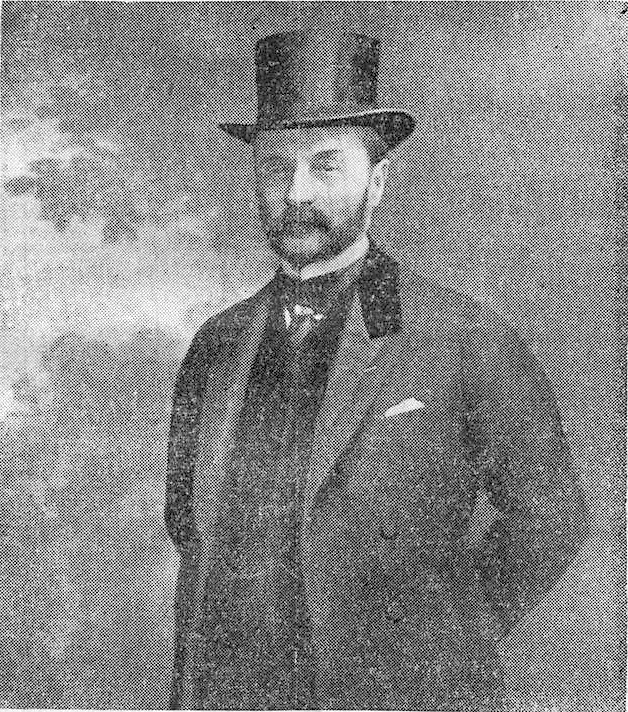
After Duval’s death in 1870, his son Alexandre expanded the business even further. By 1900, Paris counted close to 250 bouillons of various kinds. Many were Duval establishments, others were competitors inspired by the model.
This is often described as the birth of popular restaurant culture. But historians are more cautious. From very early on, bouillons attracted clerks, employees, and the lower middle classes. They were affordable, yes, but not the cheapest option available.
As bouillons became fashionable, prices rose. Menus expanded. Some bouillons began serving oysters, foie gras, caviar, champagne. The decor became increasingly elaborate.
Meanwhile, the poorest workers often stopped going. They ate elsewhere, sometimes outside Paris, in cheaper inns and gargotes with far lower standards.
The “popular canteen” image had already started to crack.
Art Nouveau for the Masses
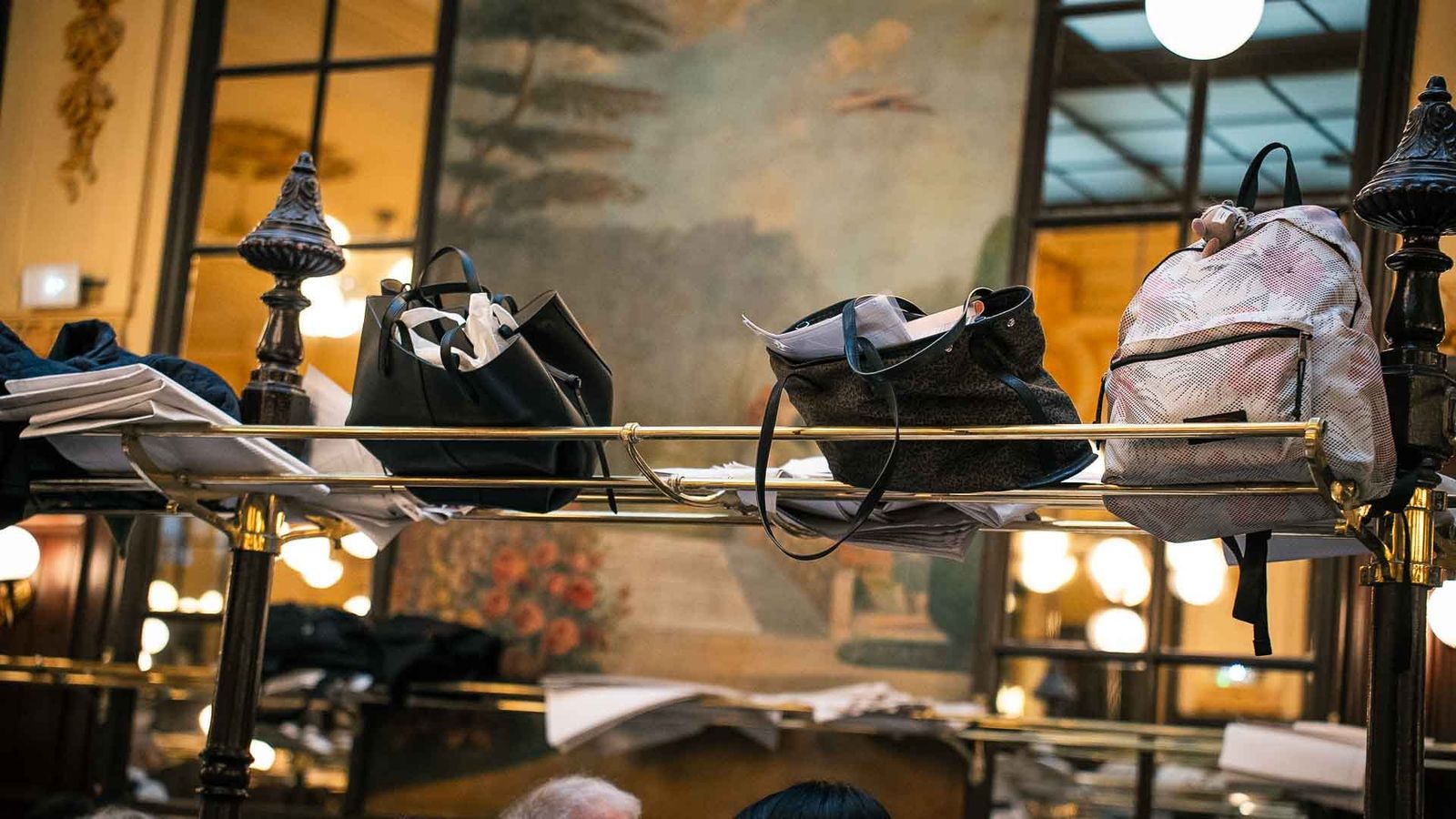
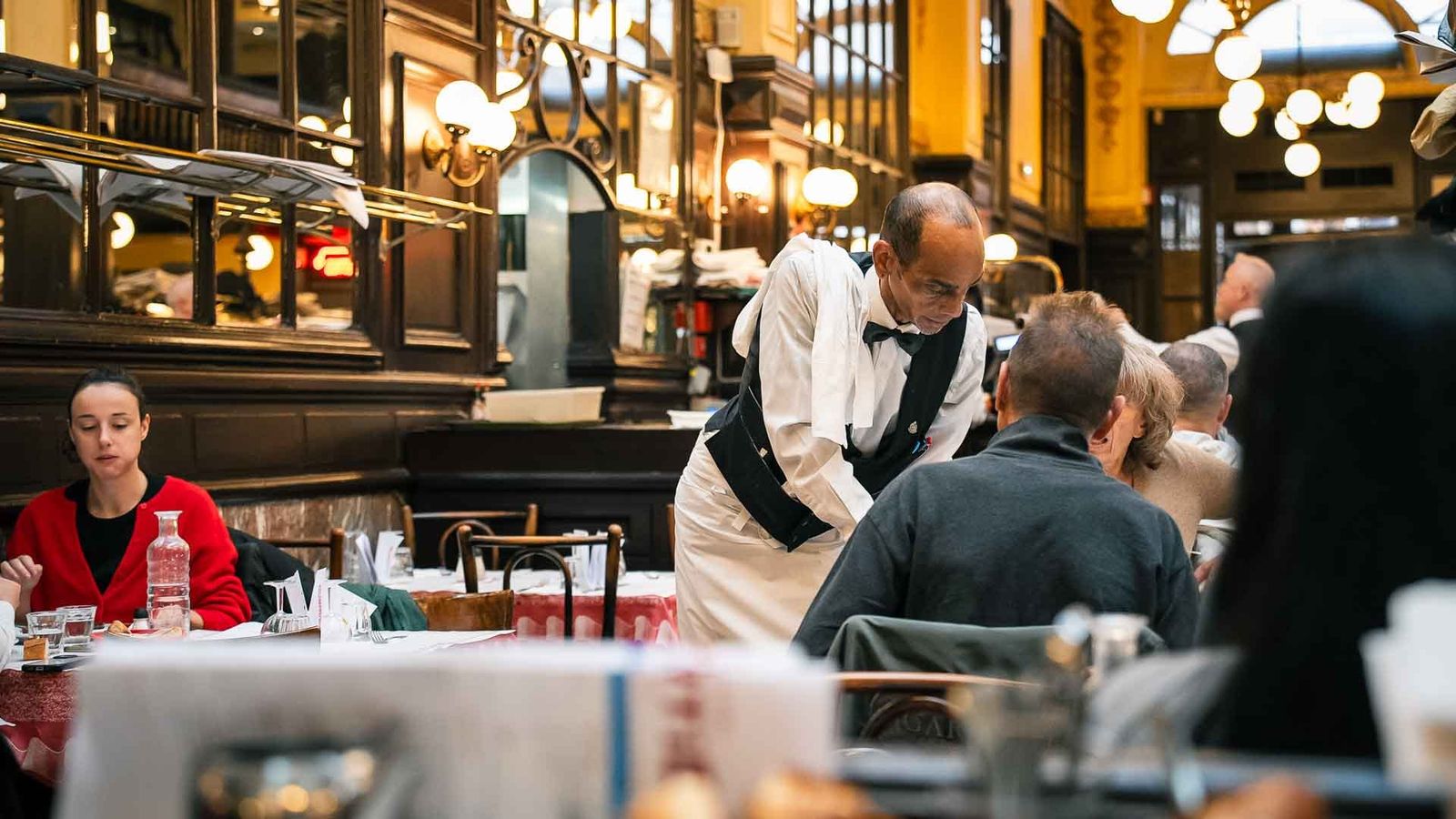
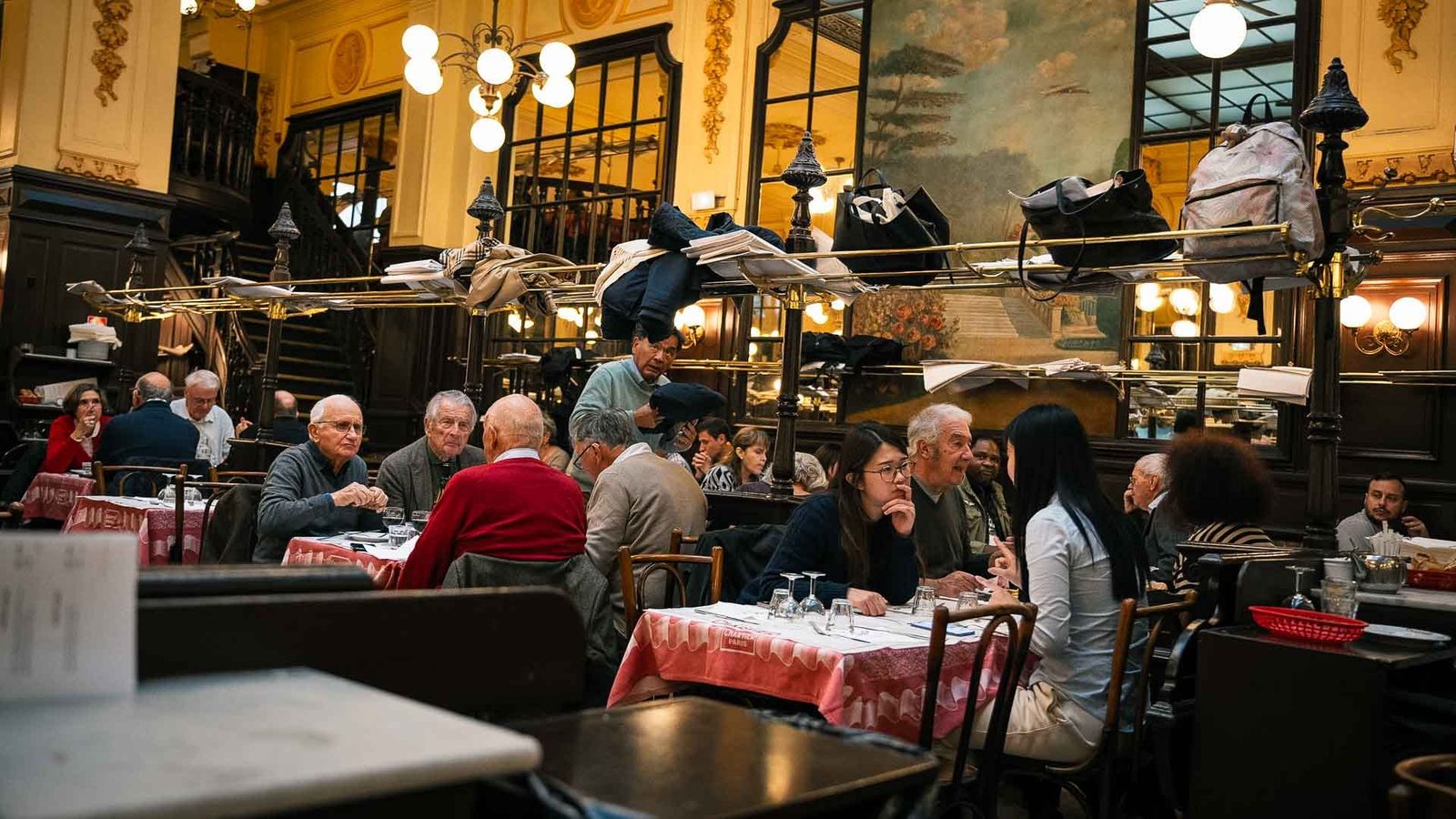
By the end of the 19th century, bouillons had adopted a very specific visual identity. Art Nouveau. Wood panels, ceramic tiles, mirrors, large chandeliers, plant motifs. Vast dining rooms with glass ceilings. An entrance bar, then a large hall behind it.
This decor served a purpose. It gave dignity to mass dining. It also attracted a clientele that wanted to feel modern and respectable.
Many of these interiors survive today and are protected as historical monuments. They are not decorative accidents. They were part of the bouillon’s success.
The Big Names
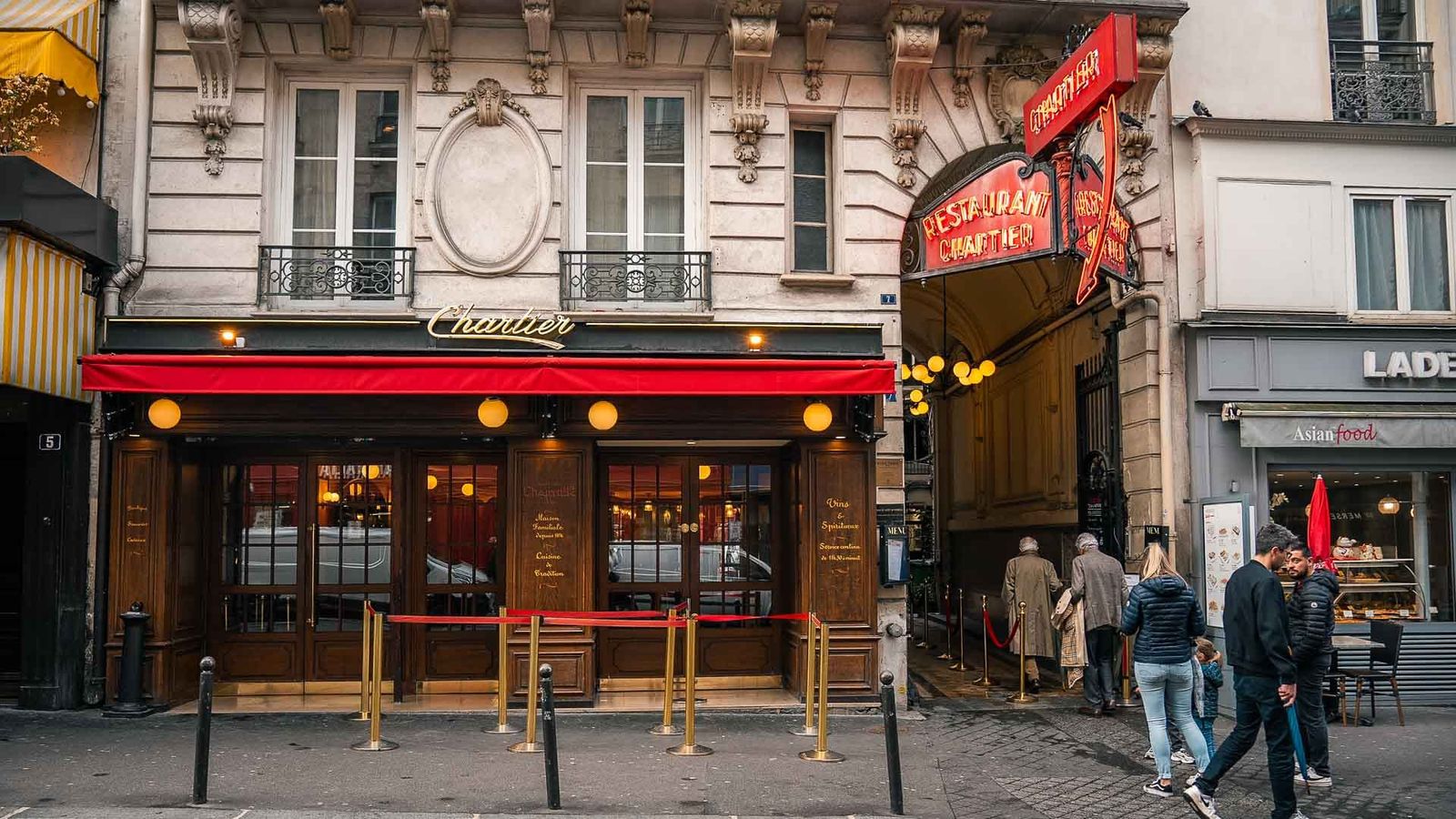
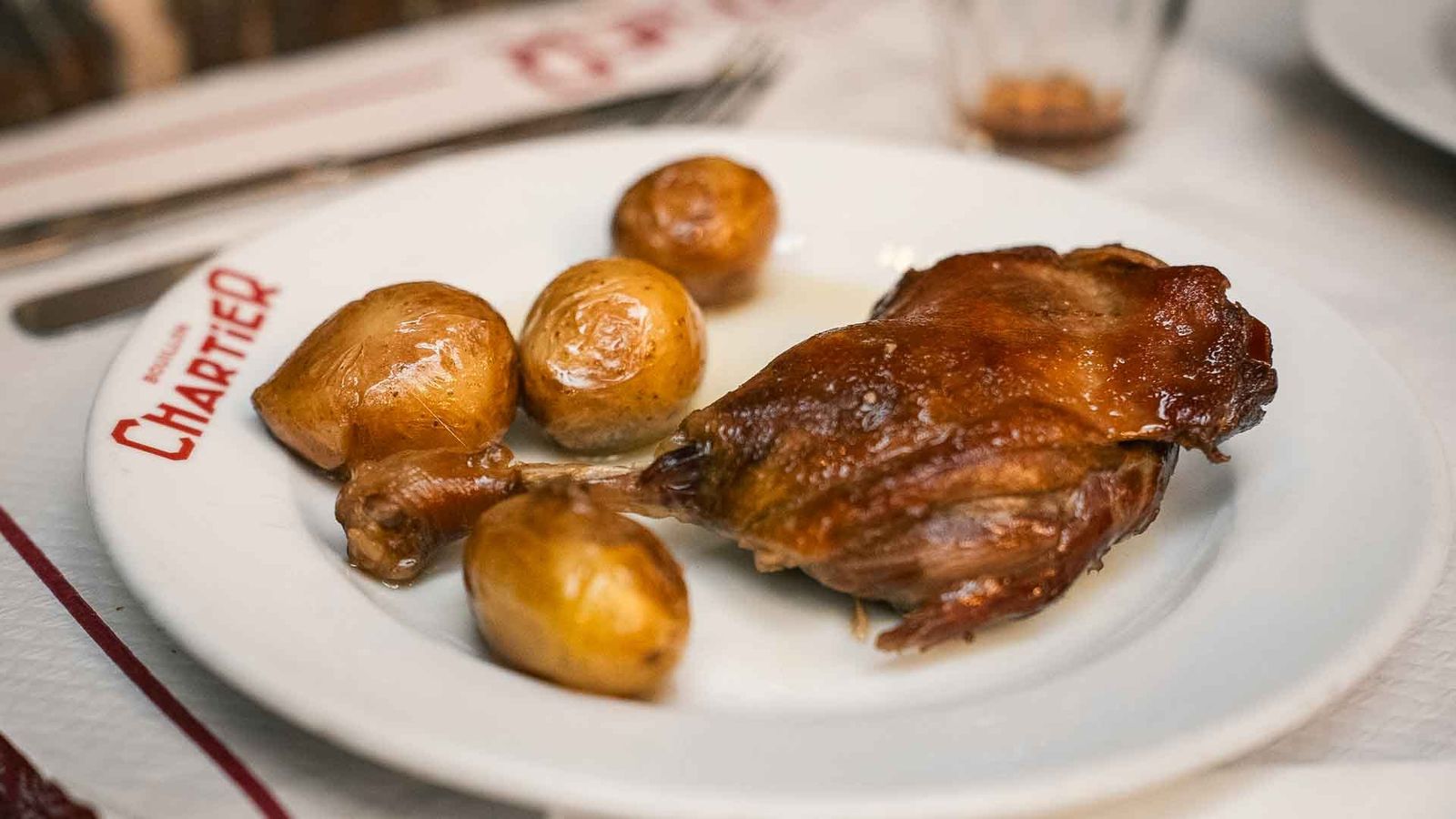
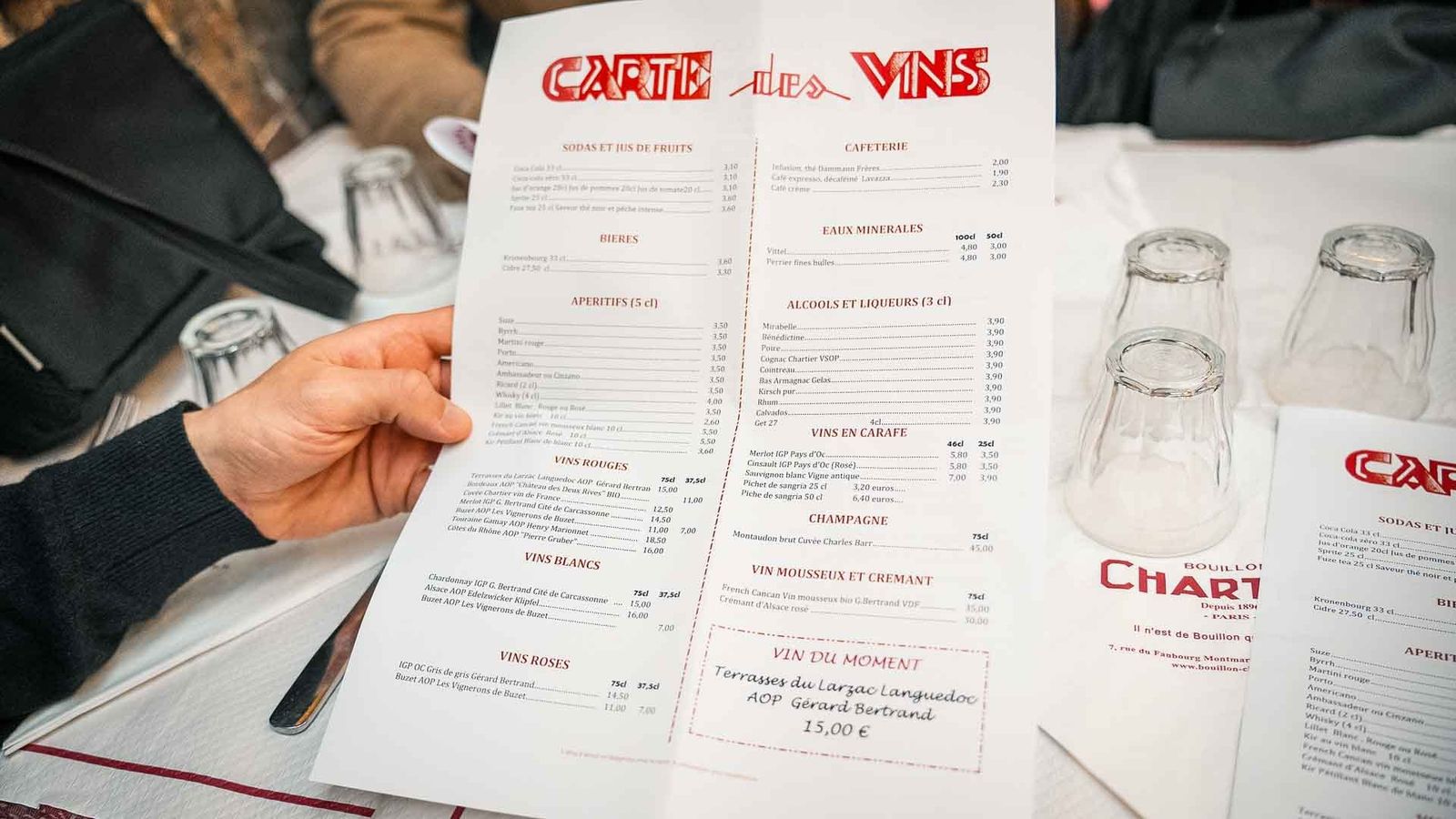
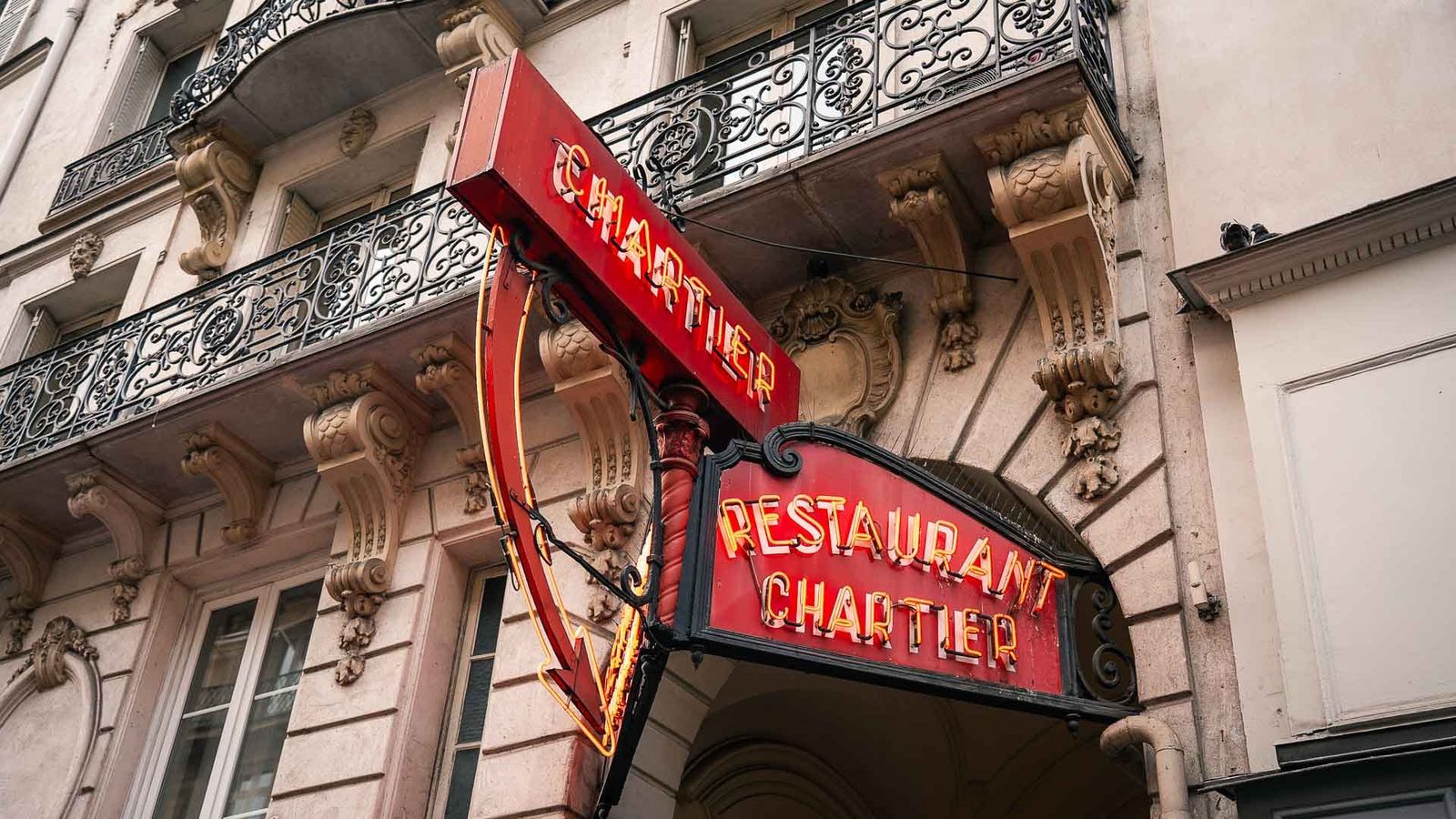
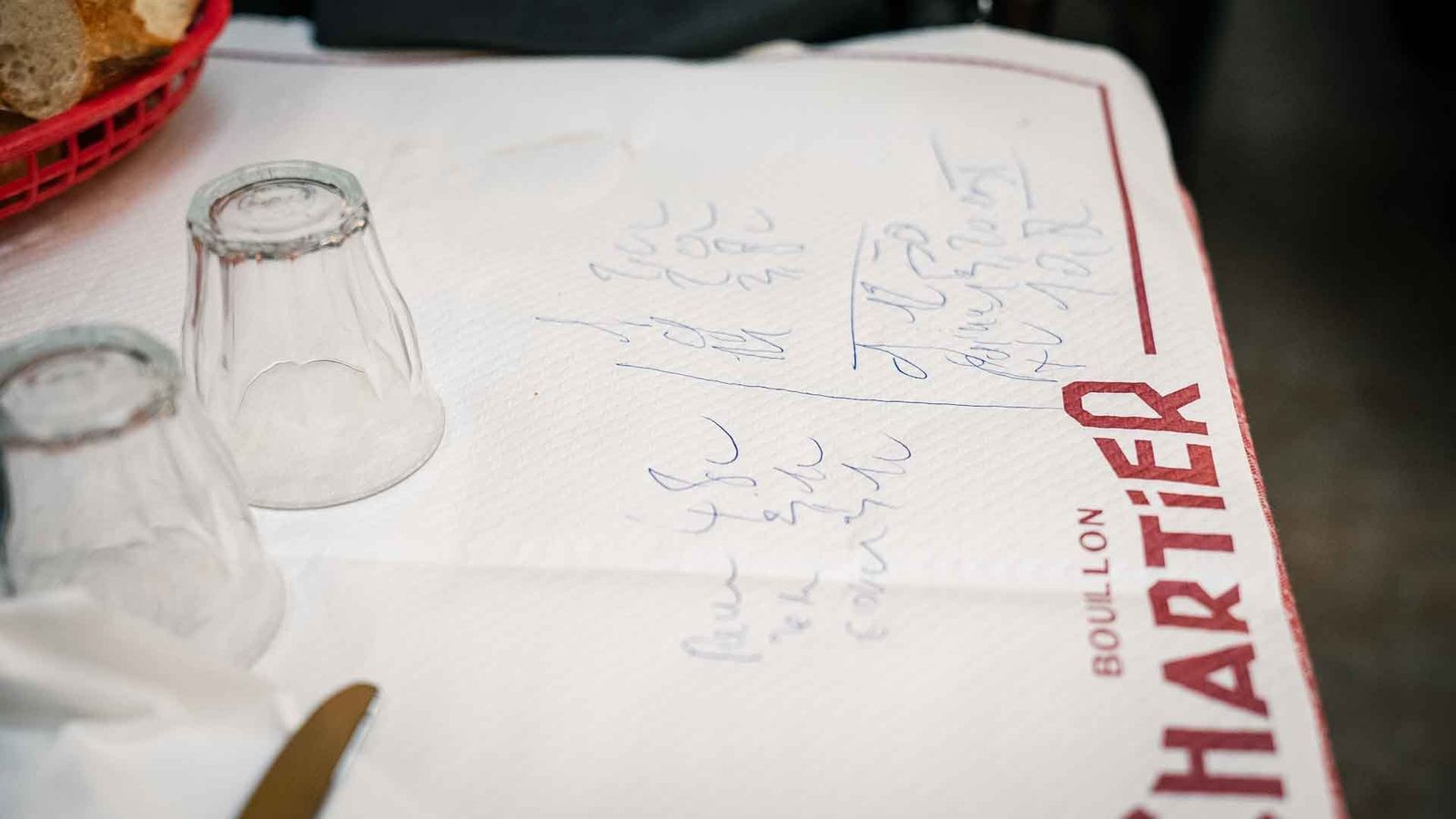
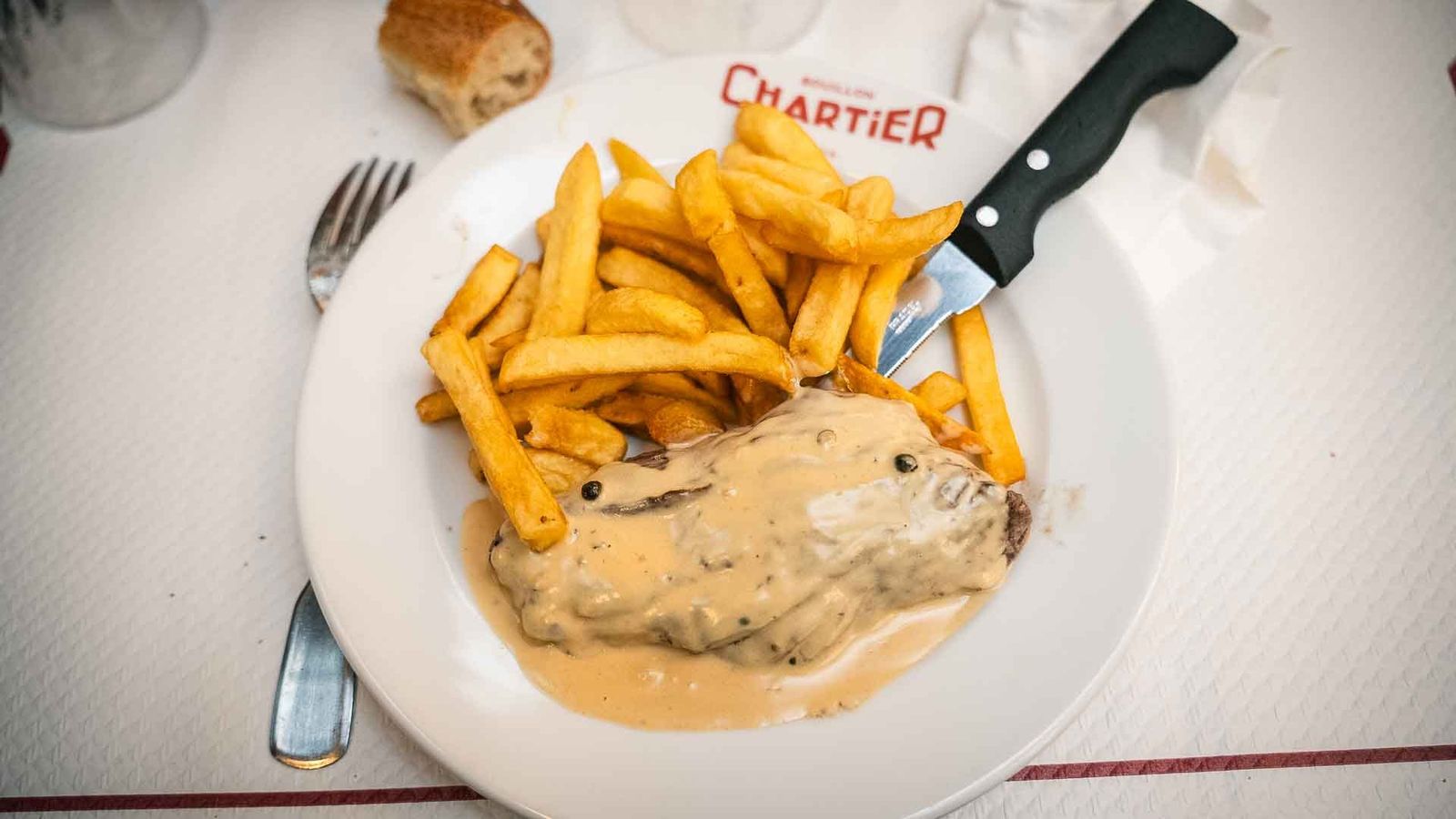
Bouillon Chartier opened in 1896. It is the most famous bouillon in Paris and one of the few to have survived almost continuously. Its dining room on rue du Faubourg Montmartre is classified as a historic monument. Over 50 million meals have been served there. The bill is still written directly on the paper tablecloth.
Bouillon Julien opened in 1903 as Gandon-Fournier, then became Julien in 1938. Its Art Nouveau interior was classified in 1997. Edith Piaf was a regular. Table 24 was reserved for her. The restaurant appears in the film La Môme.
Bouillon Racine opened at the start of the 20th century. Its ornate decor quickly attracted bourgeois customers. Renovated in 1996, it remains one of the most immersive examples of Parisian bouillon culture.
Others, like Bouillon Pharamond near Les Halles, remind us that the boundaries between bouillons, brasseries, and traditional restaurants were often blurred.
Disappearance, Then a Very Calculated Return
Most bouillons disappeared between the two world wars. Brasseries became dominant. Eating habits changed. Later, fast-food chains finished the job.
Then, in the 2000s and especially after 2017, bouillons returned.
Bouillon Chartier was revived by the Joulie family, owners of several Parisian brasseries. Their goal was explicit: serve a full meal in Paris for under 20 euros. Today, their three Chartier locations serve up to 4,000 covers per day.
More recently, Bouillon Pigalle opened in 2017 and played a major role in the revival. Bouillon République followed in 2021, with nearly 400 seats. The codes are deliberate: no reservations, fast service, tight tables, classic dishes, low prices.
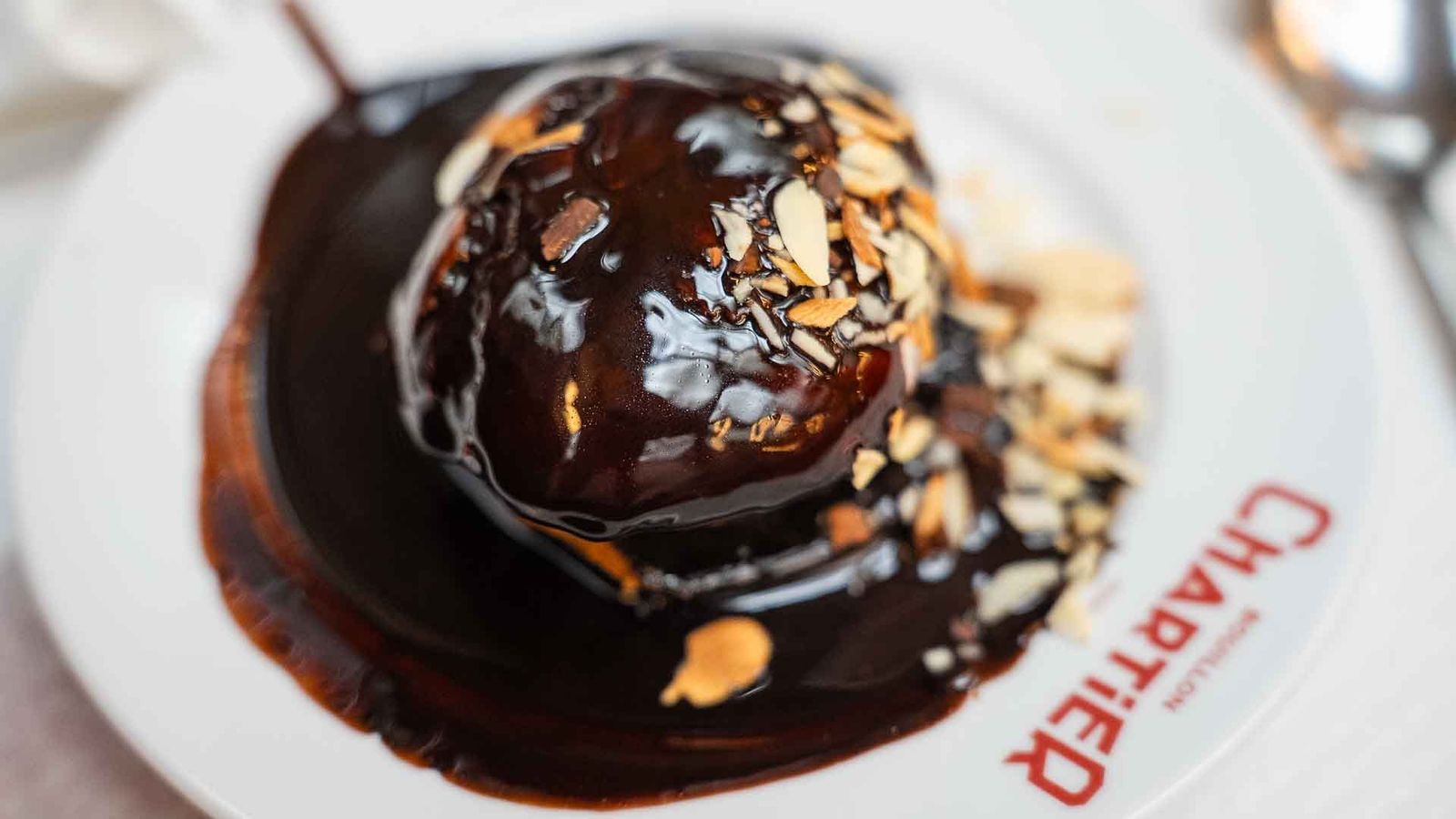
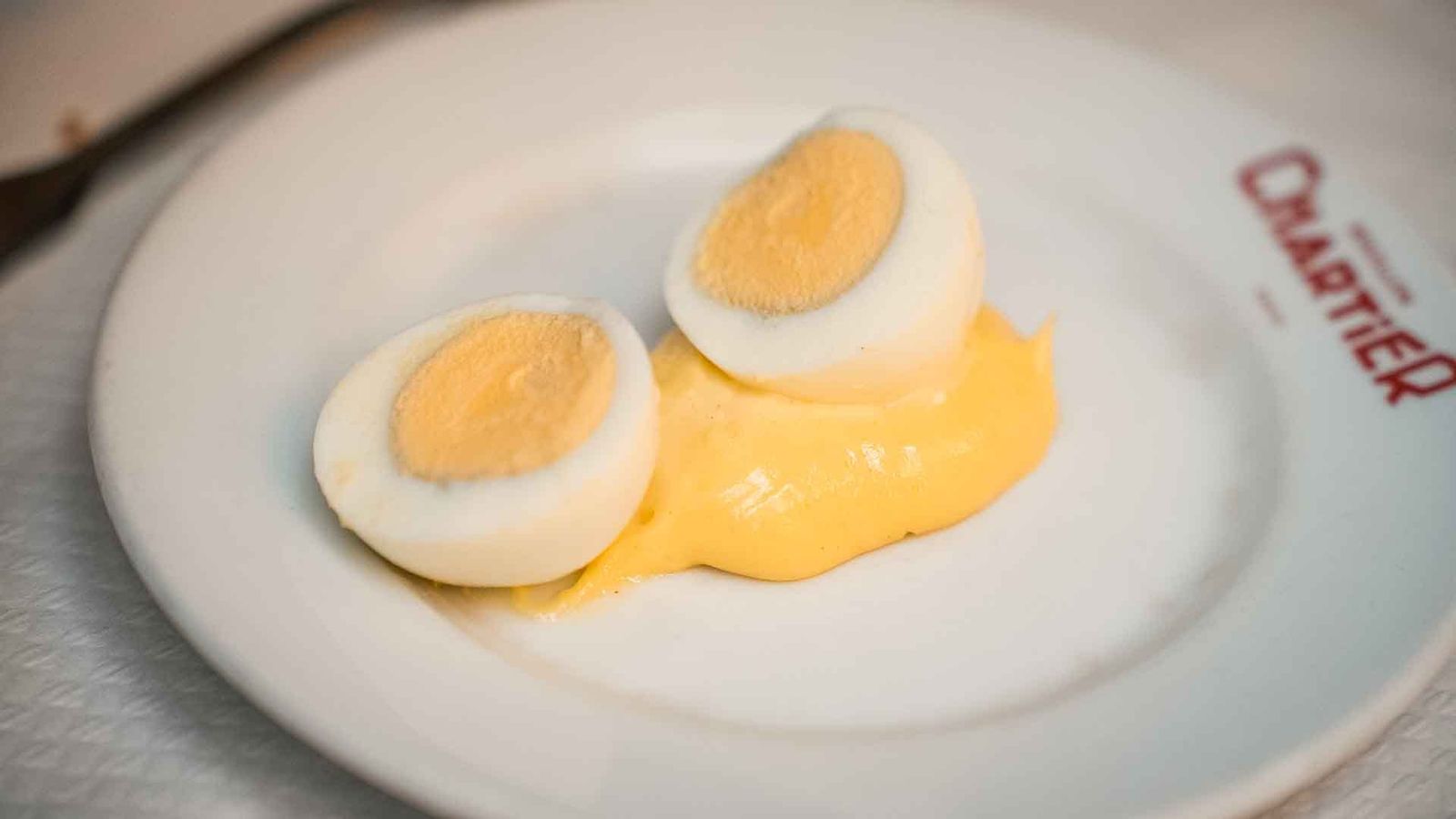
Egg mayonnaise for two euros. Sausage and mash under ten. Desserts under five.
A Final Paradox
Historians often point out something amusing. The original bouillons succeeded because they were modern. Efficient. Rational. Industrial. The new bouillons succeed because they feel old.
They sell memory, tradition, and familiarity. And once again, their public is not the poorest Parisians, but a mix of students, office workers, tourists, and middle-class diners.
In that sense, bouillons have not changed much at all.
They were never just about broth. They were about feeding a city, fast, loudly, and together. And Paris, it turns out, still needs that.