


Historical Background
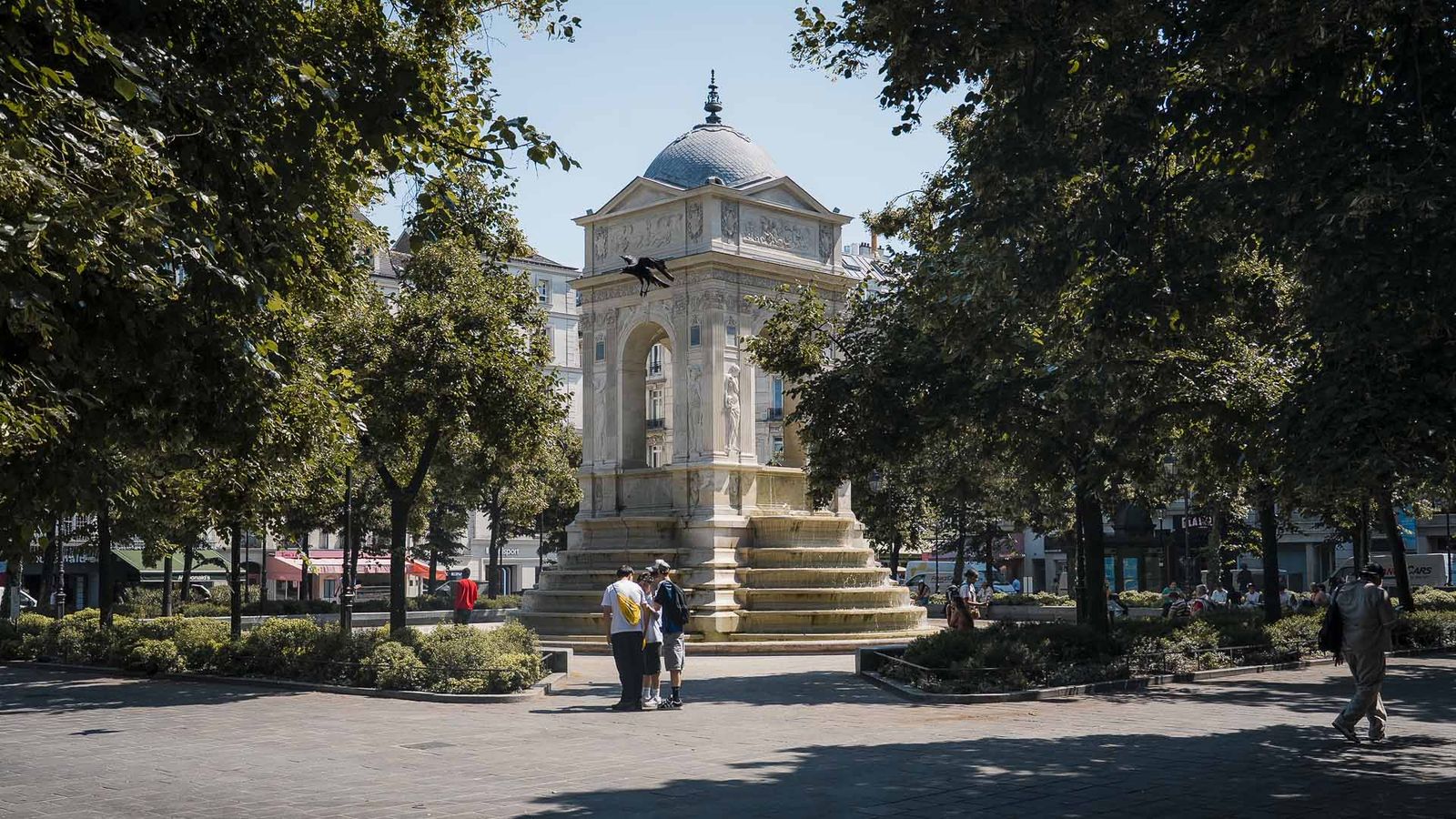
The Fountain of the Innocents, originally known as the Fountain of the Nymphs, was constructed between 1547 and 1550. It was designed by the architect Pierre Lescot and adorned with sculptures by Jean Goujon. The fountain was initially part of the Cemetery of the Innocents, which was the largest cemetery in Paris until it was closed in the late 18th century.
Architectural and Artistic Features
The Fountain of the Innocents is a quintessential example of French Renaissance architecture. It features three main arches adorned with bas-reliefs of nymphs, created by Jean Goujon. These elegant sculptures showcase Goujon’s mastery of the human form and his ability to create a sense of movement and grace. The fountain’s design includes classical elements such as columns and pediments, reflecting the influence of ancient Roman architecture.
Restoration and Legacy
Over the centuries, the Fountain of the Innocents has undergone several restorations to preserve its artistic and historical significance. In the 1780s, it was relocated to its current position in the Place Joachim-du-Bellay. Today, it stands as a testament to the artistic achievements of the French Renaissance and remains a beloved landmark in Paris.